

Vintage Carved Wood Cabinet
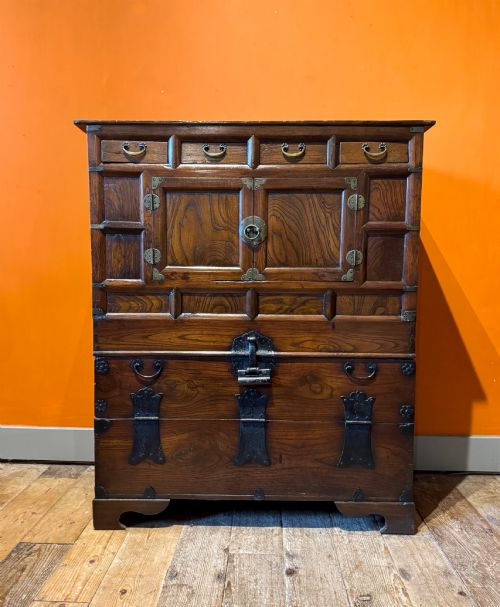
A vintage carved wood cabinet brings texture and utility to a room, offering sturdy storage fashioned from oak, mahogany, or walnut.
Vintage Carved Wood Cabinet
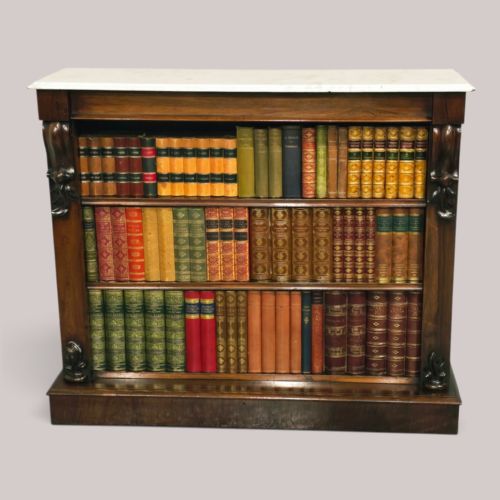
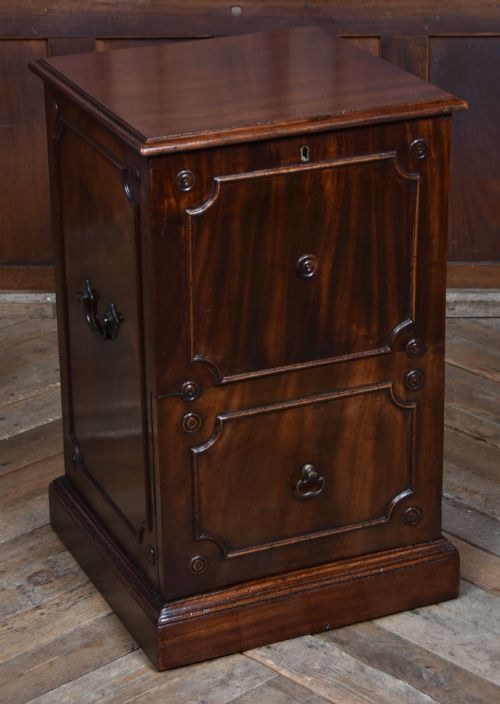
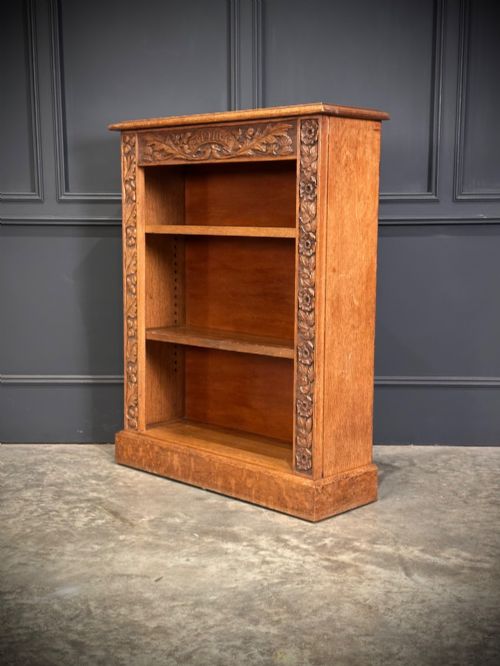
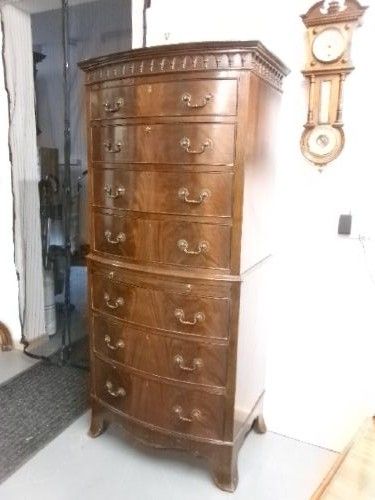
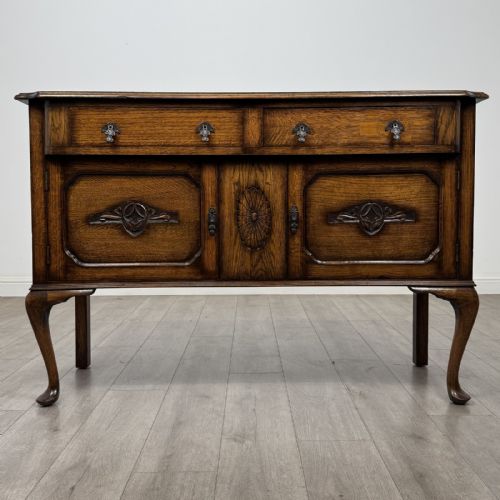
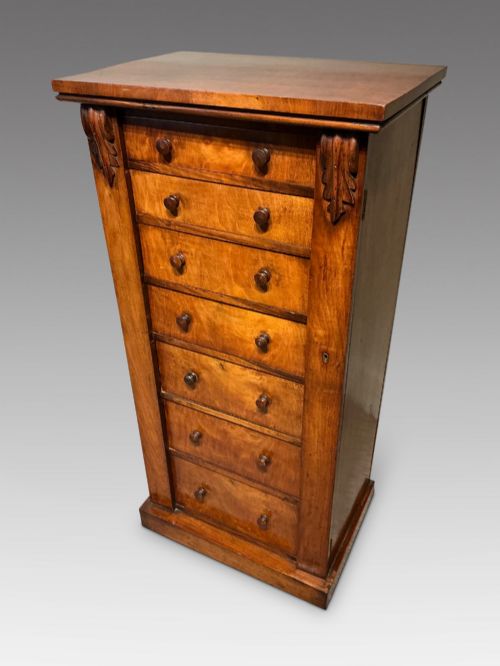
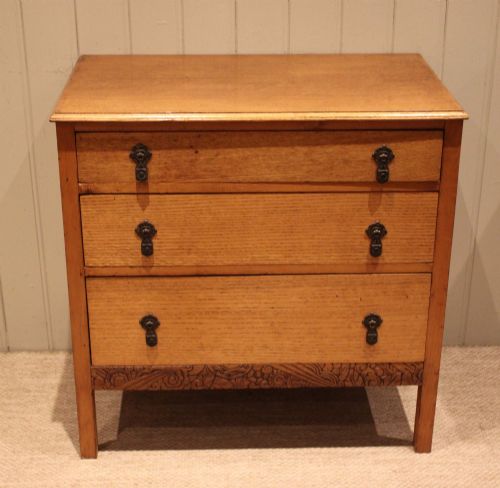
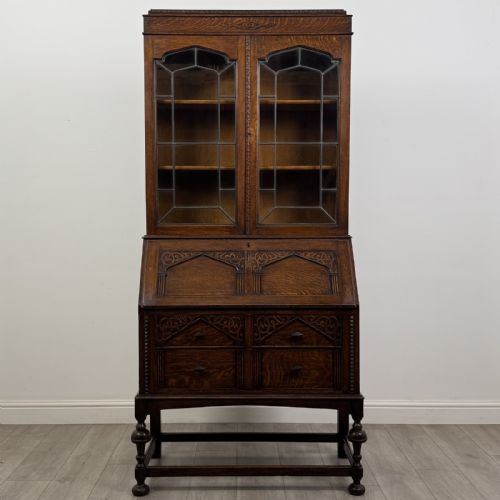
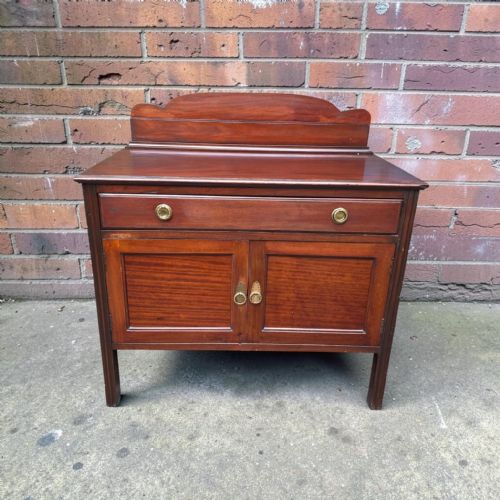
When you search for a vintage carved wood cabinet, you encounter a diverse range of furniture types spanning multiple centuries, from 18th-century Georgian pieces to Edwardian and 1930s designs. The selections on this page encompass sideboards, bookcases, display cabinets, chests of drawers, and bureaus, reflecting practical domestic storage solutions from various eras.
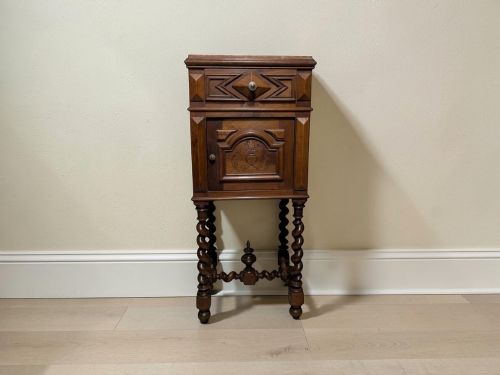
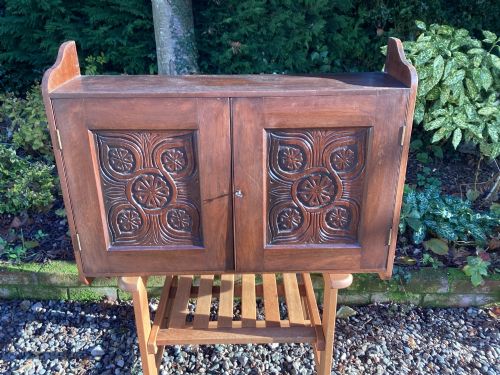
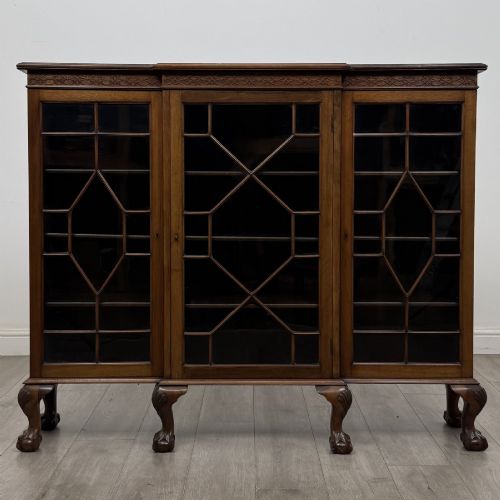
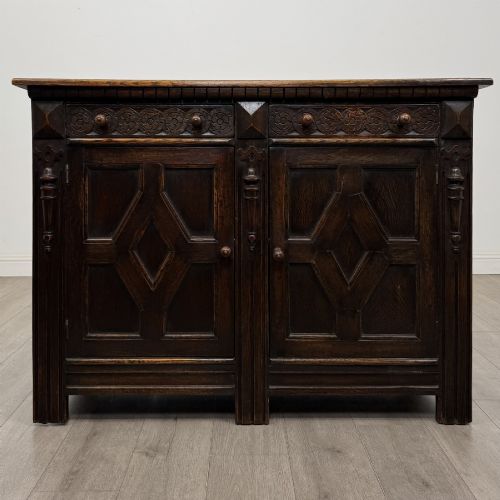
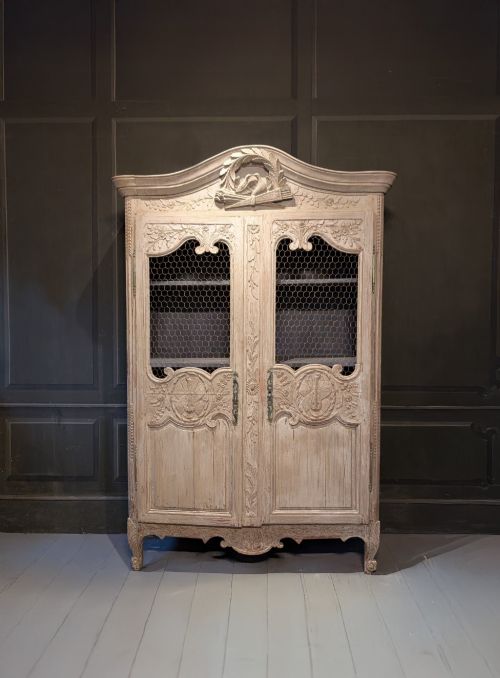
Oak and mahogany dominate the offerings, often shaped into Jacobean Revival styles with carved panels or Edwardian forms featuring cabriole legs and claw-and-ball feet. You are also likely to meet walnut sideboards, French provincial servers, and display cabinets fitted with leaded glass doors or astral glazing.
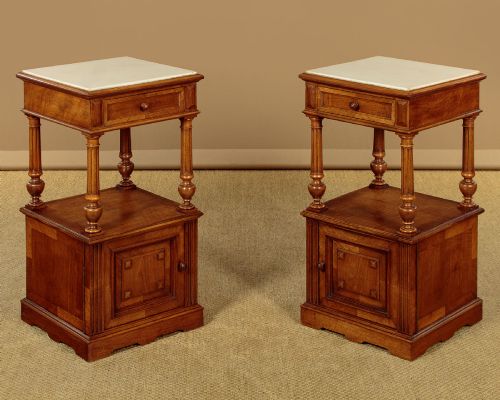
The assortment bridges formal dining room storage and everyday household organisation, including specialised items like cocktail cabinets on stands, bedside cupboards, and music cabinets. Each form demonstrates the prevailing aesthetic of its period, whether through the heavy relief carving of revival styles or the clean lines of mid-century French design.
How they were made
Cabinet makers relied primarily on solid timbers such as oak, mahogany, and walnut, often utilising burr walnut veneers to create striking grain patterns on drawer fronts and door panels. Brass hardware, including handles, hinges, and lock escutcheons, accompanied these woods, alongside glass for display doors and marble inserts for specific sideboard tops.
Construction techniques combined traditional joinery with decorative surface treatments, ranging from deep hand-carving and linenfold panels to marquetry inlay and black lacquering. Turned legs, stretcher bases, and bracket feet provided structural support, while specialised elements like pierced fretwork and leaded glass panes required precise carpentry skills.
Vintage Carved Wood Cabinet Retail Price Guide 2026
Typical asking prices for vintage carved wood cabinet among the pieces listed under this phrase on Sellingantiques today, from the lower quarter to the upper quarter. They describe what is for sale here now, not the wider market.
Listings feature woods including mahogany, oak, walnut, burr walnut, and padouk, alongside glass and brass fittings across multiple eras.
What varies in quality
Quality in these cabinets rests in the depth and crispness of the woodwork carving, the selection of timber veneers, and the integrity of the original construction. Superior examples display thoughtful proportions, seamless timber matching on prominent surfaces, and robust joinery that withstands daily use.
Finer pieces incorporate integrated decorative elements such as detailed brass work, finely leaded glass, and well-executed marquetry, whereas simpler iterations rely on plain timber panels and standard turnings. The transition from mass-produced revival furniture to bespoke craftsmanship defines the upper tier of the available range.
The Vintage Carved Wood Cabinet Glossary
- Jacobean Revival
- A 19th- and early 20th-century style copying 17th-century English furniture. It utilises dark oak with heavy geometric mouldings, chip carving, and turned supports.
- Breakfront
- A cabinet design featuring a central section that projects forward from the flanking sections. This configuration adds architectural depth and visual weight to large bookcases and sideboards.
- Astral Glazing
- A window or cabinet door construction where thin wooden bars divide the glass into smaller panes. This technique is common on 18th- and 19th-century bookcase doors.
- Marquetry
- The art of applying pieces of veneer to a structure to form decorative patterns. Craftsmen use various coloured woods and sometimes bone to create pictorial or geometric designs.
- Linenfold
- A style of wood panel carving resembling folded linen cloth. It appears frequently on Tudor and Jacobean revival oak cupboards and bureau fronts.
Vintage Carved Wood Cabinet: Frequently Asked Questions
What periods do these cabinets cover?
The pieces span from the 18th century through the Victorian and Edwardian eras into the 1920s and 1930s. Revival styles also draw inspiration from even earlier centuries.
Craftsmanship methods shifted across these decades, moving from hand-carved solid timbers toward distinct revival aesthetics and mid-century continental forms.
How do I identify a Jacobean Revival piece?
Jacobean Revival cabinets typically feature dark oak construction, heavy mouldings, and deep geometric panel carving. Turned legs and stretcher bases are also characteristic.
These pieces were popular in the early 20th century to replicate 17th-century domestic furniture without sourcing actual antique timber from that earlier epoch.
Were glass cabinets used for books or china?
Cabinets with glass doors served both purposes depending on their internal shelving and room placement. Bookcases featured sturdy wooden shelves, while display cabinets often used glass shelves.
Dining rooms utilised glazed sections for china and glassware, whereas libraries and studies housed bound volumes behind astral-glazed or leaded doors.
How do I care for a wood cabinet?
Maintain the timber by keeping it away from direct heat sources and strong sunlight, which can dry out and fade the polish. Dust regularly with a soft cloth.
Occasional application of appropriate wax polish helps nourish the wood surface and maintain the natural lustre of mahogany, oak, or walnut finishes.