


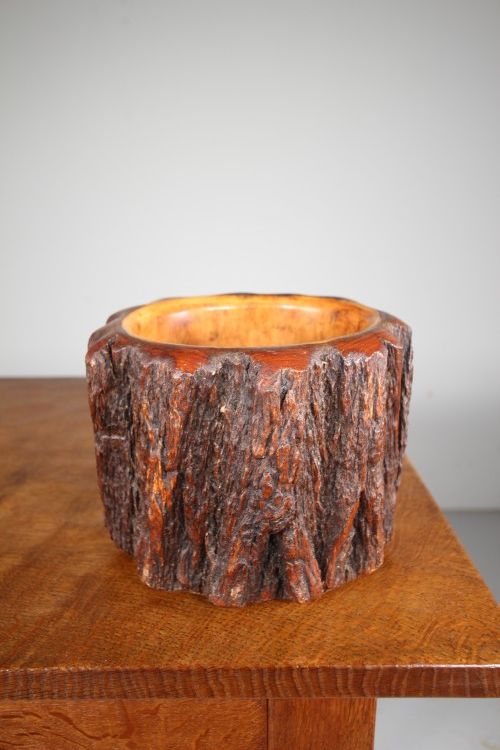


Vintage Carved Wood Bowl
A vintage carved wood bowl brings earthy texture and practical history into a modern room, carrying the marks of the hand that shaped it.
Vintage Carved Wood Bowl
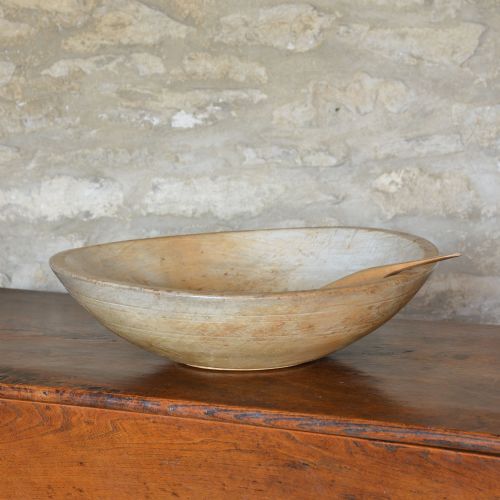
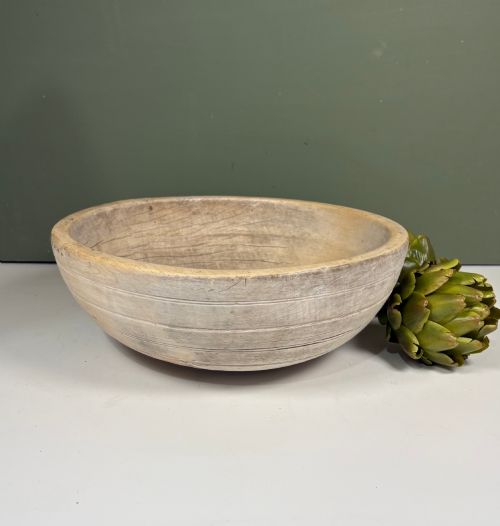
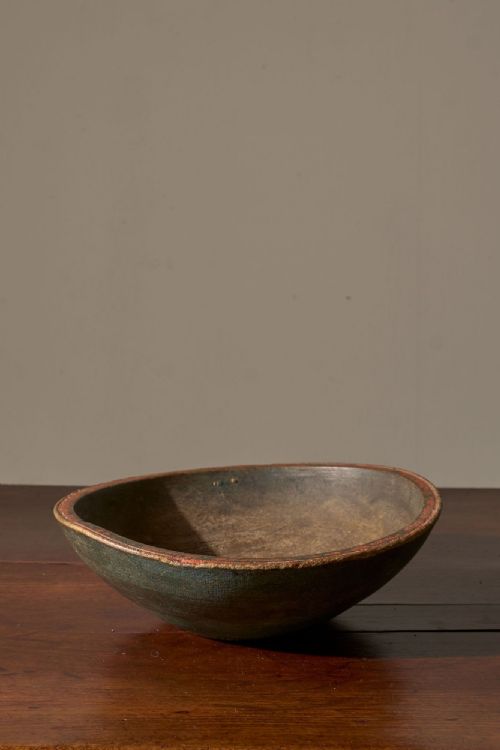
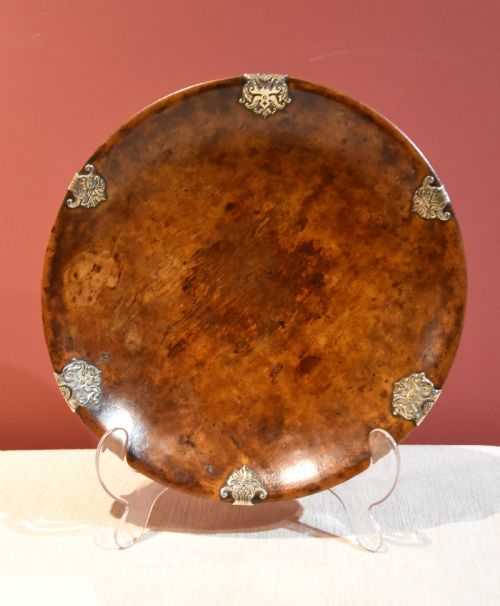
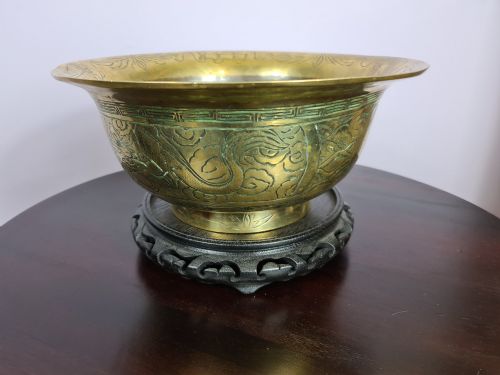
When you search for a vintage carved wood bowl, you encounter functional vessels shaped from solid timber across the seventeenth, eighteenth, nineteenth, and early twentieth centuries. These pieces originate from diverse regional traditions, including French farmhouse domestic items, Swedish painted kitchenware, and Swiss folk art.
Many of these vessels show the deep patination that comes from decades of domestic use, oiling, and handling by past owners. They serve today as striking decorative bowls or fruit containers that anchor a room with organic warmth.
Materials and construction
Craftsmen selected dense hardwoods like sycamore, olive wood, elm, and lignum-vitae, which could withstand the heavy friction of daily domestic tasks. Sycamore and fruitwoods were particularly favoured for dairy and food preparation because they did not impart strong flavours to milk or dough.
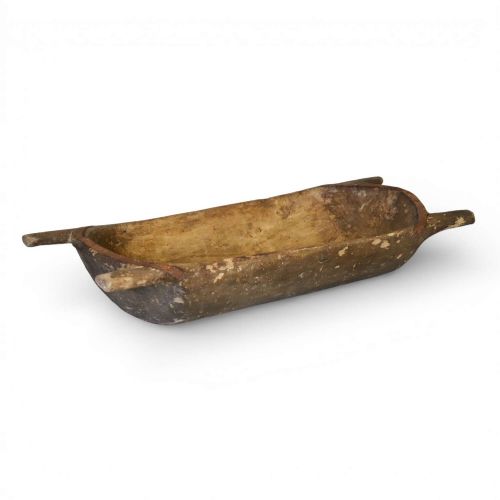
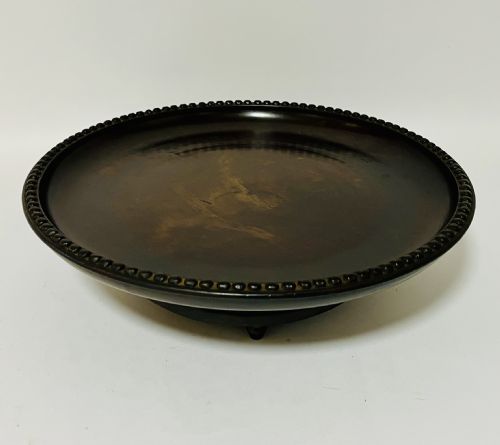
Makers shaped these vessels using hand tools such as gouges and adzes, digging out solid timber blanks to create sturdy domestic objects. Some pieces incorporate turned elements on a lathe, whilst others retain the irregular, organic contours of dug-out logs.
Vintage Carved Wood Bowl Retail Price Guide 2026
Typical asking prices for vintage carved wood bowl among the pieces listed under this phrase on Sellingantiques today, from the lower quarter to the upper quarter. They describe what is for sale here now, not the wider market.
Some seventeenth-century timber bowls outlived the empires that taxed the lands where their makers baked their daily bread.
Assessing quality and character
Quality in these wooden vessels rests upon the integrity of the timber and the harmony of the original tool marks left by the maker. A superior piece displays confident, unhurried carving that respects the natural grain and growth rings of the wood.
The depth of the surface patina dictates much of the desirability, with genuine wear from decades of domestic service elevating a simple kitchen vessel into an expressive work of folk art. Alterations or excessive modern sanding diminish the historical character that collectors value.
The Vintage Carved Wood Bowl Glossary
- Patina
- The lustrous surface sheen developed through years of handling, polishing, and natural ageing. This finish cannot be replicated artificially and protects the underlying timber.
- Treen
- Small handmade wooden items for the home, spanning domestic utensils, bowls, and boxes. The term derives from the old English word for tree.
- Dough bowl
- A large, deep wooden vessel traditionally used for mixing and proving bread dough in rural farmhouses. These pieces usually feature substantial side walls and flat bases for stability.
- Lignum-vitae
- An extremely dense and heavy hardwood obtained from trees native to the American tropics and Caribbean. Makers utilised its natural oils and strength for mortars and heavy-duty turned items.
- Dairy bowl
- A shallow, wide wooden vessel designed for setting milk to allow the cream to rise to the top. Sycamore was the preferred timber for this task to maintain hygiene.
Vintage Carved Wood Bowl: Frequently Asked Questions
How do I clean an antique wooden bowl?
Wipe the surface gently with a damp cloth and dry it immediately with a soft towel. Avoid submerging the wood in water or using harsh detergents.
Apply a light coat of food-safe mineral oil or beeswax periodically to nourish the dry timber and maintain the historic patina.
Can I use these bowls for serving food?
Many vintage wooden bowls were originally made for culinary tasks like kneading dough or holding dairy. However, centuries of age, previous wear, and accumulated residues mean most are better suited for dry displays.
If you choose to serve food, inspect the interior closely for stable surfaces and stick to dry items like whole fruit or bread.
What causes the rich colour on old wood?
The deep tones come from a combination of natural wood darkening over time, absorption of natural oils from use, and decades of cleaning. Exposure to light and air also alters the original hue.
Unfinished timber absorbs the oils of human hands, creating a dark, glossy layer around the rims and handles where people touched the vessel most often.
How do I tell a nineteenth-century bowl from an earlier one?
Earlier pieces from the seventeenth and eighteenth centuries often display the heavier tool marks of adzes and pit saws. They tend to be heavier and employ dense timbers like lignum-vitae or early oak.
Nineteenth-century examples frequently show more uniform turning on lathes or smoother hand-gouging as regional production became slightly more standardised.