
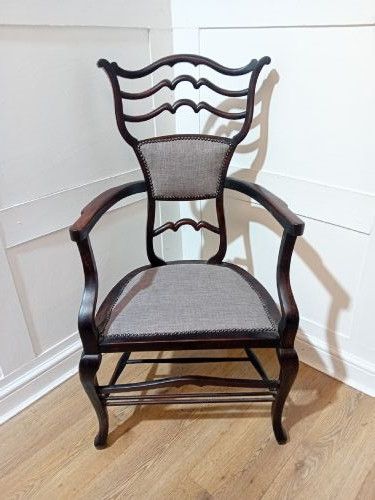
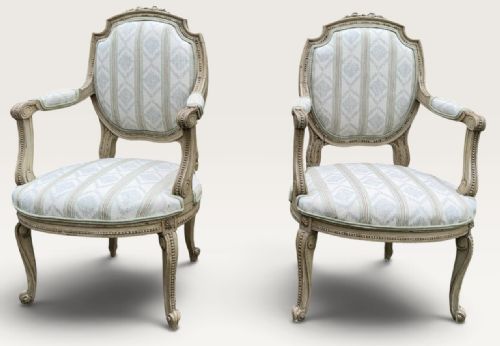
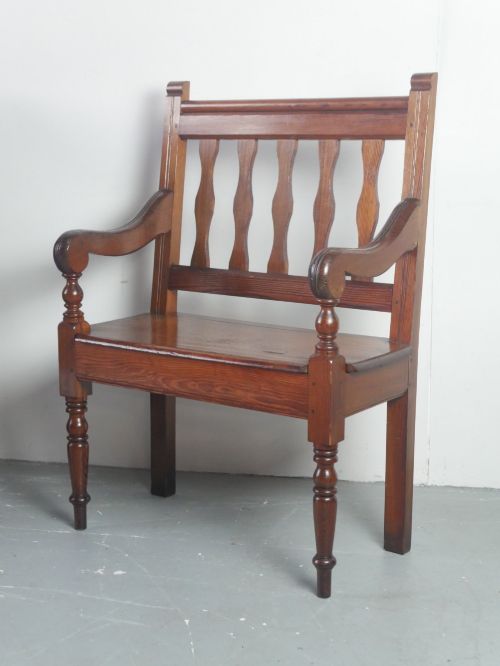
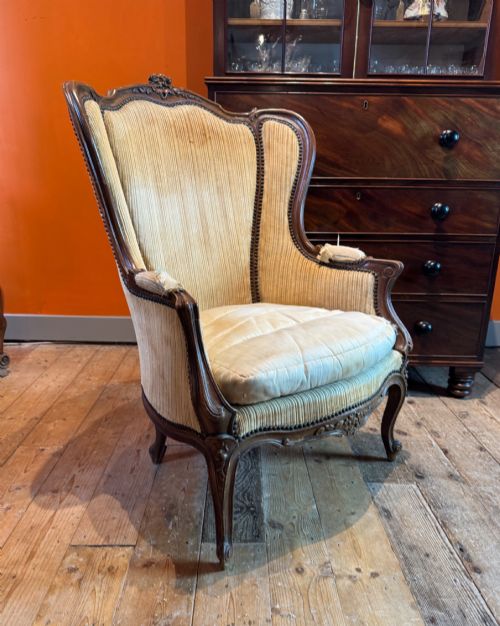
Vintage Carved Wood Armchair
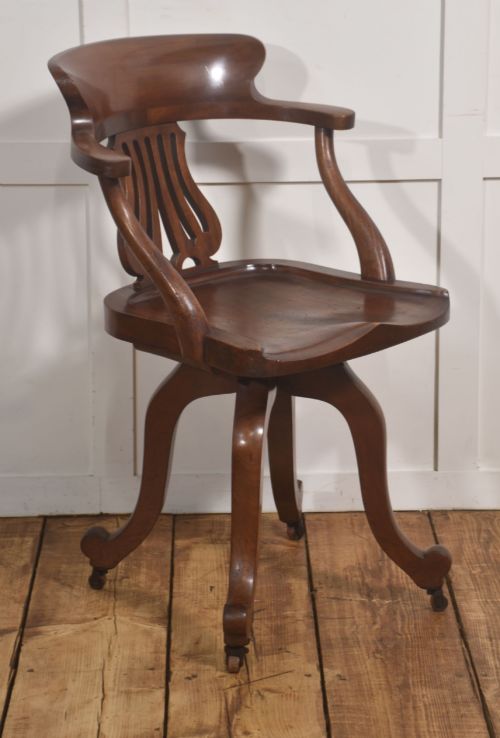
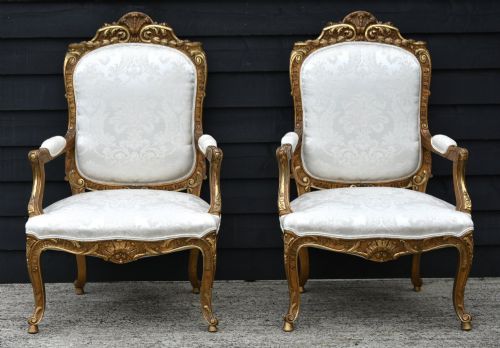
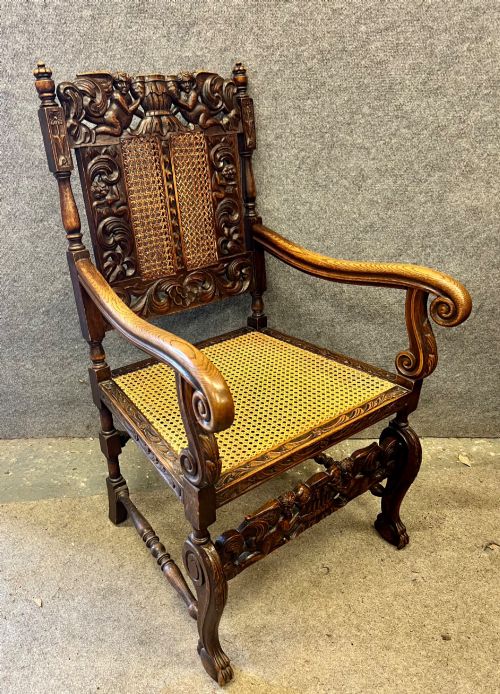
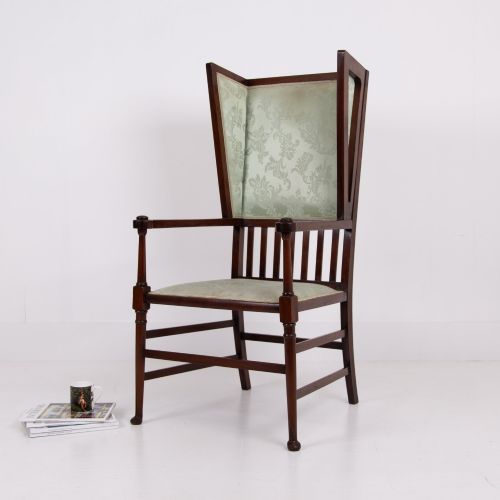
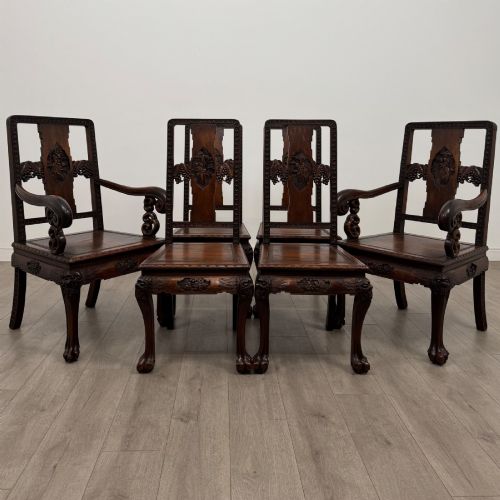
A vintage carved wood armchair brings tactile warmth and historic character to a room, offering deep seats and structured wooden framing.
Vintage Carved Wood Armchair
A vintage carved wood armchair is a seat designed with structural side supports for the arms, shaped from timbers and decorated with chiselled detailing. When searching for a vintage carved wood armchair, buyers encounter pieces spanning from the eighteenth century through to the art deco period. The selection on this page includes nineteenth century interpretations alongside revival designs and twentieth century seating.
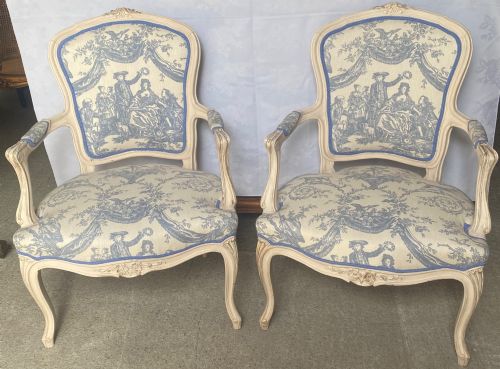
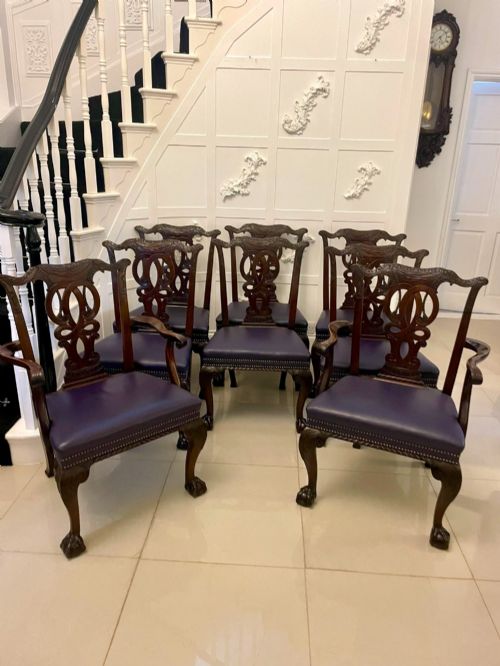
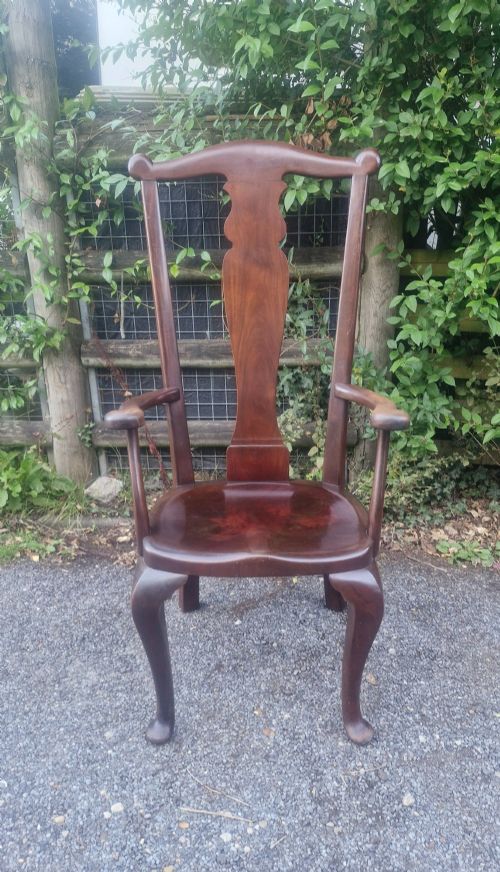
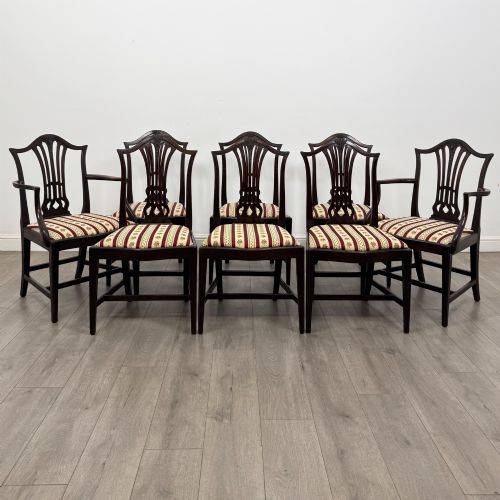
The forms vary widely, incorporating high back desk armchairs, tub chairs with cane panels, and low lounge seating. Many follow revival aesthetics such as Chippendale, Queen Anne, and Louis XV styles, whilst others reflect regional English country traditions or continental origins. Buyers will also find dining chairs with elbow rests, French bergères, and occasional chairs.
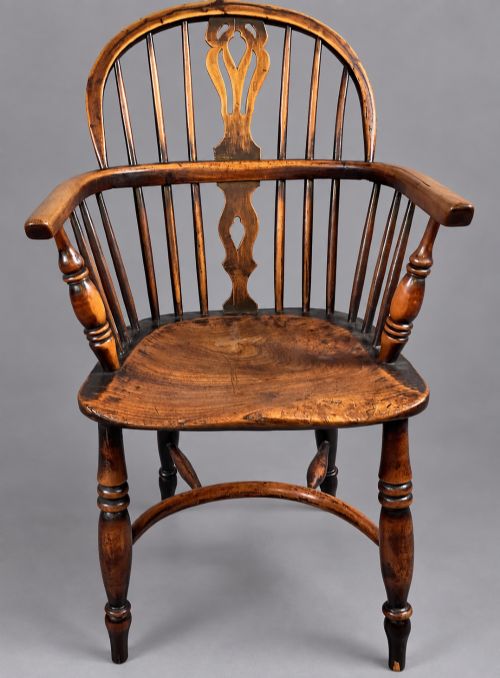
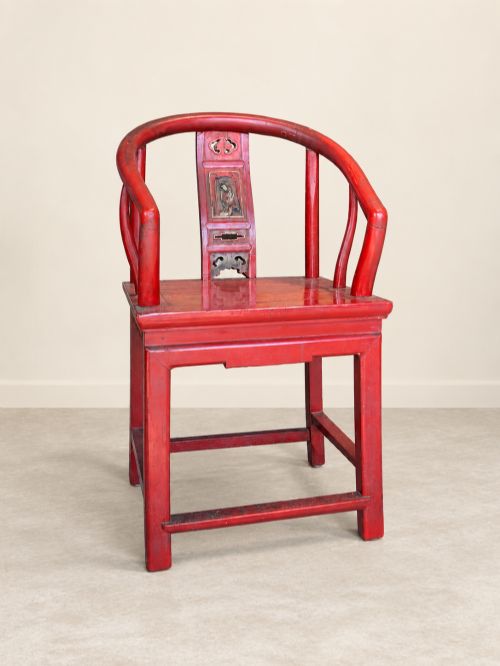
Origin points stretch from British workshops to French studios, Sweden, Piedmont, and farther afield to India, China, and North Africa. Woods range from native beech and elm to imported mahogany, walnut, goncalo alves, and oriental hardwoods. Each piece reflects the aesthetic priorities of its decade of origin, from Victorian exuberance to cleaner art deco lines.
How they were made
Makers shaped these chairs from solid timbers including mahogany, walnut, beech, elm, and exotic hardwoods, often turning structural supports on a lathe or shaving them to shape. Woodcarvers worked directly into the solid material on crest rails, arms, and knees to create relief patterns, leaves, and scrolls. Frames were joined using traditional mortise and tenon joints, dowels, and glue.
Upholstered versions incorporated drop in pads, webbed seat bases, and stuffed padding covered in fabric, velvet, or leather. Other variants utilised woven cane panels stretched across seat frames and backrests for lighter support. Surface finishes relied on hand applied polish, wax, original paint layers, or gilt wood treatments.
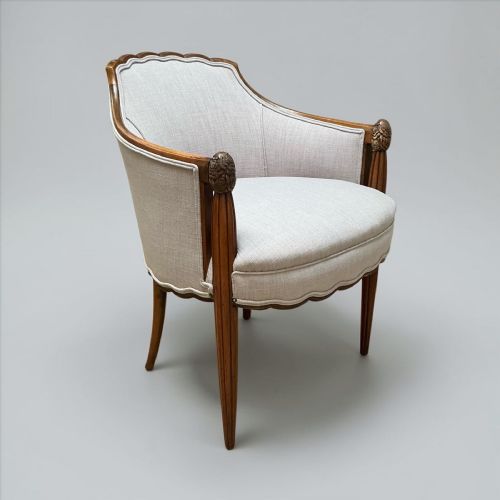
Elephant armchairs from the art deco period bring unexpected scale and presence to a room.
What varies in quality
Quality rests upon the crispness of the hand carving and the depth of relief achieved in the timber. Superior examples display fluent, confident chisel work where floral or scrolling motifs appear sharp and well defined rather than soft or mechanical. The selection of timber also dictates standard, with dense grain and rich figuring marking out better pieces.
Structural integrity separates master craftsmanship from simpler production, evident in the rigidity of the joints and the weight of the frame. Chairs retaining original surface treatments, such as early paint or undisturbed polish, hold greater integrity than those stripped down or heavily refinished over decades of use.
Alfred Allen of Birmingham
The Vintage Carved Wood Armchair Glossary
- Bergère
- An enclosed upholstered armchair with wooden framing, often featuring cane sides and a loose seat cushion. This French seating form gained popularity across the eighteenth and nineteenth centuries.
- Chippendale
- A style originating from Thomas Chippendale's mid-eighteenth-century designs, characterised by pierced splat backs and carved cabriole legs. Revival versions appeared frequently in the nineteenth and twentieth centuries.
- Shield Back
- A chair back shaped in the outline of a heraldic shield, frequently filled with carved intersecting slats. This form is particularly associated with late eighteenth-century dining and elbow chairs.
- Wing Armchair
- An upholstered seat featuring protective side panels projecting from the backrest to shield the occupant from drafts. Early examples often rest on cabriole legs with pad or claw and ball feet.
- Goncalo Alves
- A dense exotic hardwood with striking contrasting dark brown and golden figuration, sometimes referred to as zebra wood. It was utilised for high-status nineteenth-century furniture.
Vintage Carved Wood Armchair: Frequently Asked Questions
How do I identify a revival style?
Revival pieces borrow decorative vocabulary from earlier centuries, such as eighteenth-century Chippendale or Queen Anne motifs, applied to nineteenth or twentieth century framing. Look closely at the timber preparation and tool marks, which often reveal the actual manufacturing era.
Secondary indicators include the construction methods used inside the frame and the type of secondary woods hidden from view. A nineteenth-century maker imitating an eighteenth-century design will still use the fastening techniques and hardware of their own working decade.
Can I use these chairs every day?
Most sturdy wooden armchairs handle daily seating comfortably, provided the frame joints remain tight and the undercarriage is secure. Periodic checks of the leg connections prevent structural wobbles from developing over time.
Upholstered or cane panels require more attentive care during daily use. Heavier frames designed as desk or library chairs suit regular sitting better than delicate occasional seating.
How do I care for antique wood?
Maintain the finish by dusting with a dry cloth and applying occasional natural beeswax to nourish the timber. Avoid placing wooden seating near direct heat sources or in strong sunlight, which causes the wood to dry out and split.
Keep humidity levels in the room stable to prevent the historic glue and joints from contracting. Gentle cleaning preserves the patina accumulated over generations.