



Vintage Carved Wall Appliques
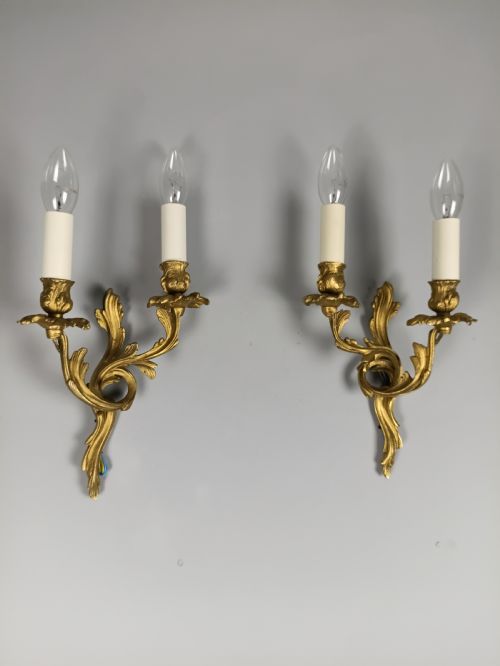
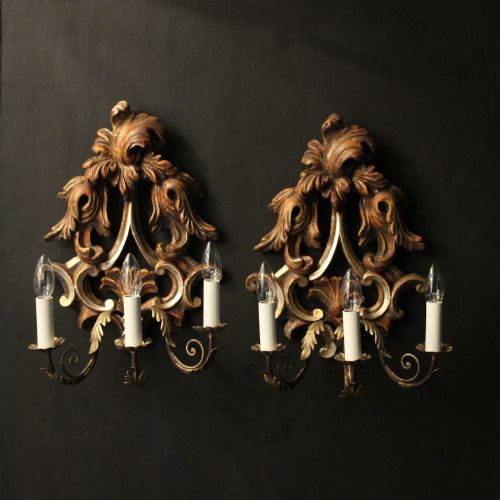
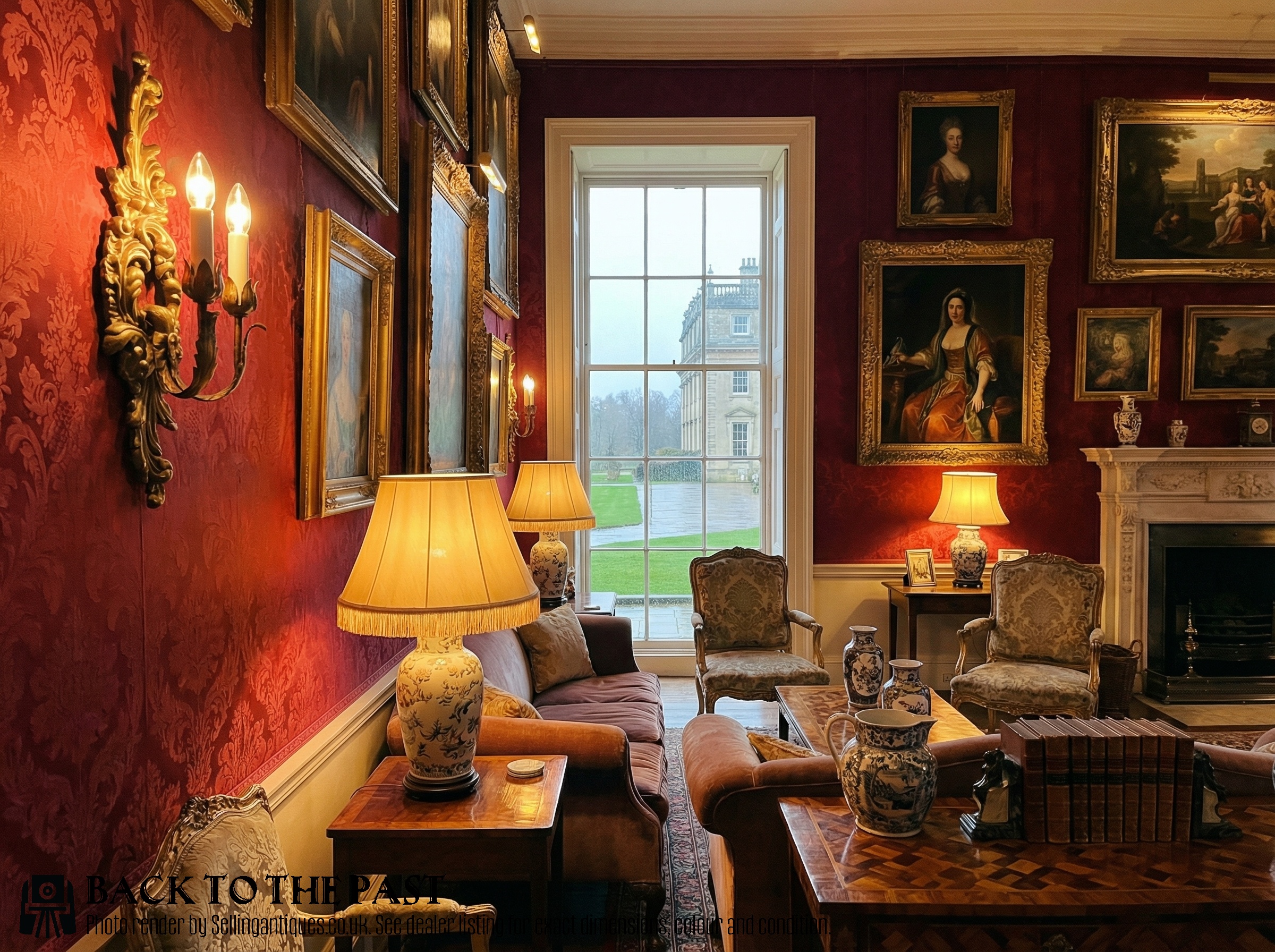
Vintage carved wall appliques bring sculptural illumination to interiors, offering ornate French and Italian forms that transform plain plaster.
Vintage Carved Wall Appliques
Vintage carved wall appliques encompass wall lights, wall sconces, and architectural salvage designed to mount directly onto vertical surfaces. Buyers searching this phrase encounter lighting fixtures and decorative brackets that originate primarily from the early twentieth century and the nineteenth century, with occasional earlier examples.
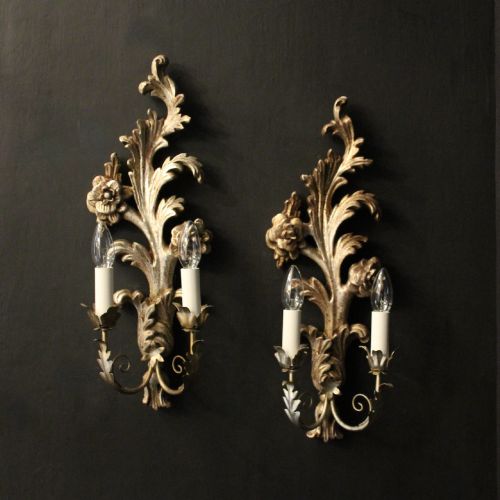
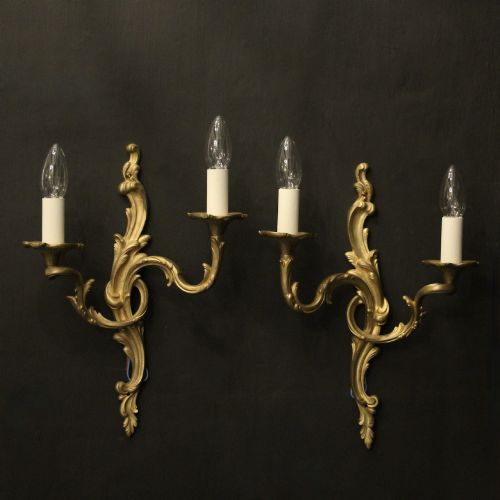
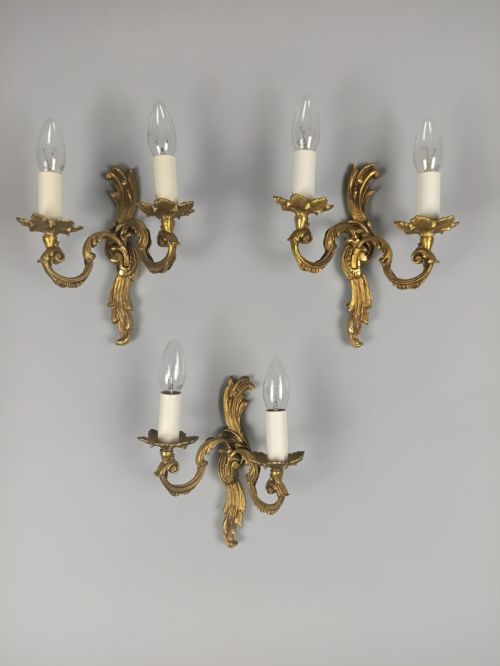
The selection centres heavily on matched pairs and sets, predominantly styled in French Chateau, French Rococo, Florentine Rococo, and Italian Neoclassical designs. These pieces often incorporate candle branches or arms ranging from single mounts up to four arms, serving both decorative and practical illumination roles in domestic spaces.
Origins trace directly to continental workshops, particularly in France and Italy, where artisans produced elaborate lighting and architectural decorations. The forms vary from intimate single-arm sconces to massive, multi-branch ormolu and giltwood arrangements suited for grand reception rooms.
How they were made
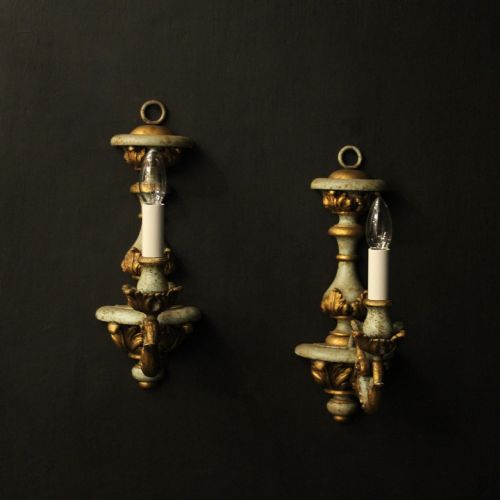
Makers shaped these fixtures from wood, gesso, and base metals such as brass and bronze, applying surface finishes that included silver leaf, gold leaf, and polychrome paint. Carved wood and gesso provide the intricate scrollwork and foliage typical of Florentine and Rococo styles, whilst cast metals form the robust structural arms and backplates.
Gilding techniques applied thin layers of gold or silver over prepared grounds, creating luminous surfaces that reflected candlelight and gaslight effectively. Polychrome finishes added naturalistic colour to fruit motifs, putti, and floral carvings, combining pigment with metallic highlights.
Design styles recorded across the inventory include French Chateau, Florentine Rococo, Neoclassical, and Italian Renaissance revivals.
What varies in quality
The depth and crispness of the carving distinguish finer examples from mass-produced or later decorative items, particularly in the rendering of acanthus leaves, scrollwork, and figurative elements. Hand-chased bronze or hand-carved wood displays a sharpness of line and sensitivity to proportion that simpler pressed metal or moulded composition lacks.
Surface treatment execution dictates overall visual impact, with traditional water gilding and layered polychrome ageing far more sympathetically than modern metallic paints. The integrity of the underlying material, whether solid timber or substantial cast bronze, ensures structural stability for multi-arm variants supporting heavier electrical or candle components.
The Vintage Carved Wall Appliques Glossary
- Giltwood
- Wood that has been coated with a thin layer of gold leaf or powder over a prepared base. This finish provides a warm, reflective surface common on Italian and French wall lights.
- Gesso
- A plaster mix applied to wood surfaces to create a smooth layer for carving and gilding. It allows artisans to achieve sharp relief details on decorative backplates.
- Ormolu
- Gilded bronze used widely for decorative metalwork and mountings during the eighteenth and nineteenth centuries. The technique involves applying mercury and gold amalgam to bronze.
- Polychrome
- Decorated in several colours, often applied to wood or gesso carvings. This technique highlights naturalistic details such as fruit, flowers, and drapery.
- Sconce
- A wall-mounted lighting fixture designed to hold candles or electric bulbs. These fixtures project outwards from the architectural surface to distribute light across a room.
Vintage Carved Wall Appliques: Frequently Asked Questions
How do I install vintage wall lights safely?
Many vintage wall lights feature historical wiring or require conversion to meet modern electrical standards. Professional rewiring ensures the metal or wooden fixtures mount securely to standard junction boxes without compromising the original backplate.
Consulting a qualified electrician allows you to integrate older brass, bronze, or wooden fixtures into contemporary domestic circuits safely. They can also advise on appropriate bulb wattages to protect delicate finishes from excessive heat.
How do I clean gilded and carved wooden sconces?
Dust accumulated in intricate carvings requires gentle removal using a soft, dry artist brush or feather duster. Avoid applying water or chemical solvents directly to giltwood or silver leaf surfaces, as moisture lifts historical gilding.
Professional restoration remains necessary if the gesso substrate flakes or the metallic leaf separates from the wood. Routine maintenance relies entirely on dry, careful dusting to preserve the original patina.
How do I distinguish Florentine styles from French Rococo?
Florentine wall lights typically display dense, rustic giltwood carving with an emphasis on leaf scrolls and muted polychrome highlights. They lean towards architectural warmth and traditional Italian craft traditions.
French Rococo examples often utilise cast bronze, brass, or ormolu featuring asymmetric C-scrolls, floral garlands, and ribbon motifs. The French pieces tend to prioritise refined metallic casting alongside elaborate gilded wooden frames.
Can I use real candles in antique sconces?
Using traditional wax candles in antique wall sconces is possible if the drip pans and mounting brackets remain structurally sound. However, burning real candles deposits soot on delicate giltwood and painted surfaces over time.
Most modern collectors prefer low-wattage, candle-shaped LED bulbs to eliminate fire risks and prevent smoke damage. This approach preserves the intended visual atmosphere while protecting fragile historical materials.