
Vintage Carved Side Chairs
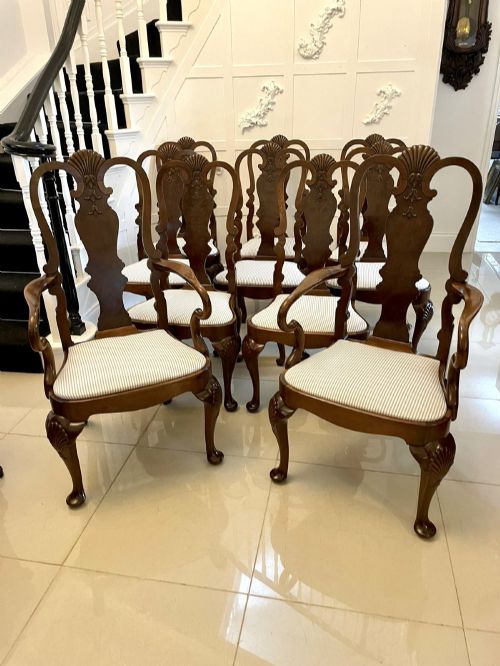
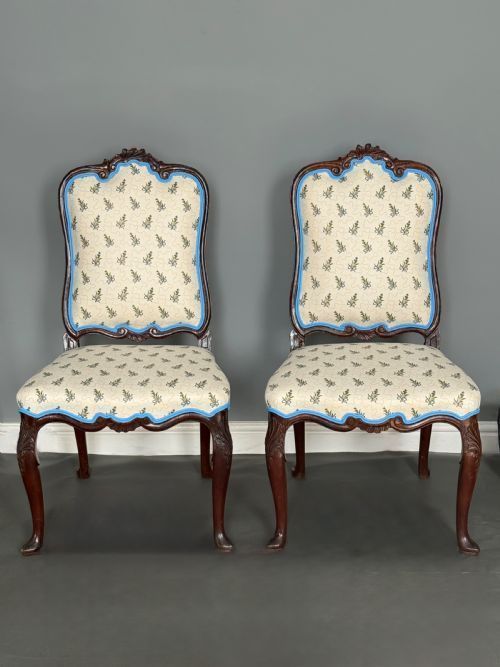
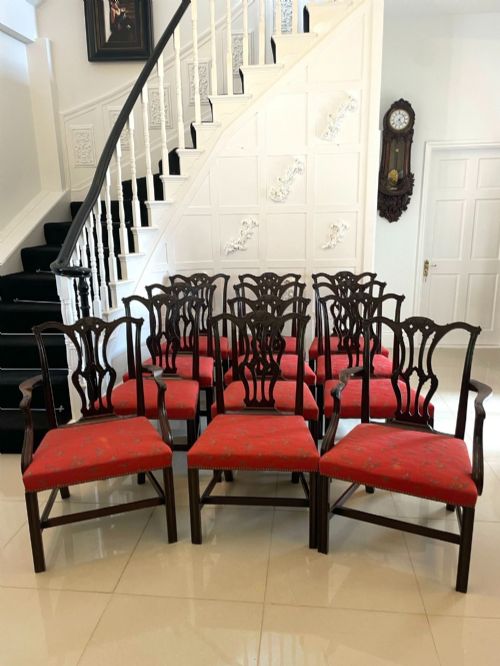
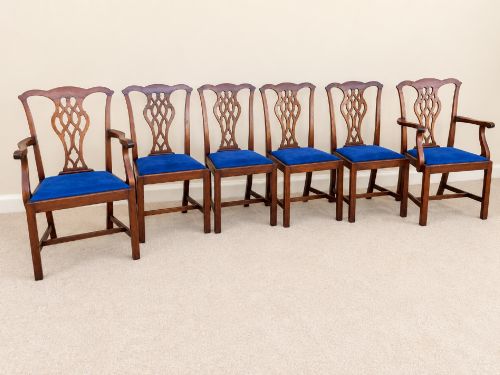
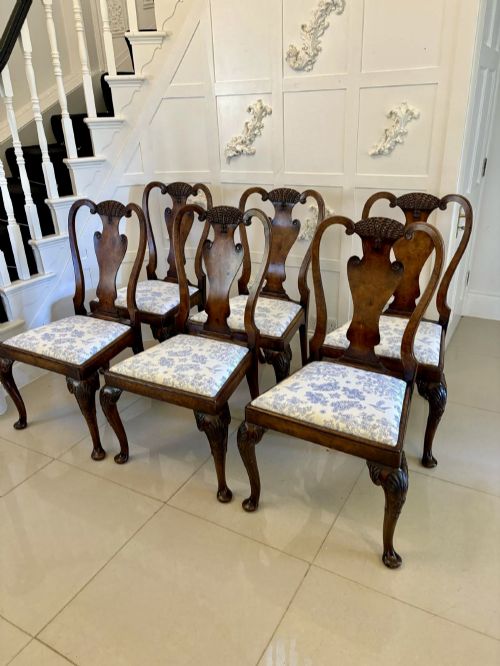
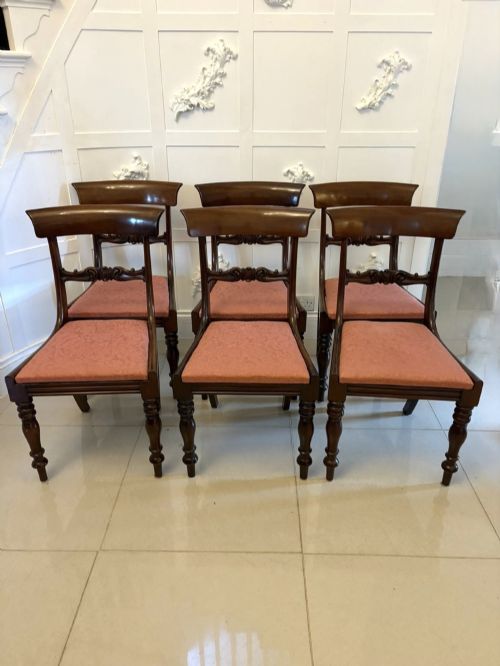
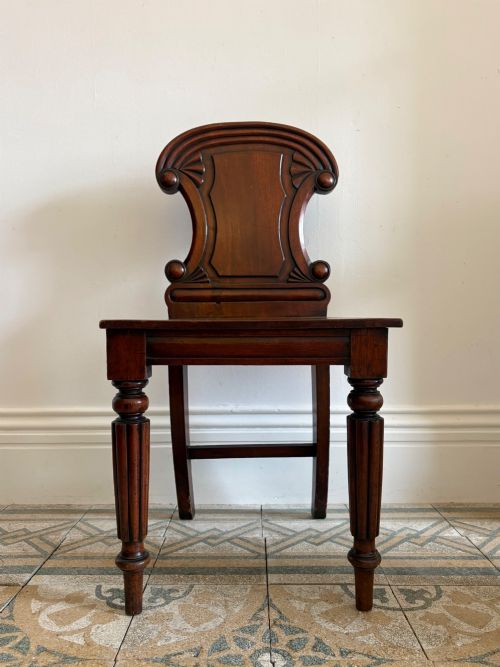
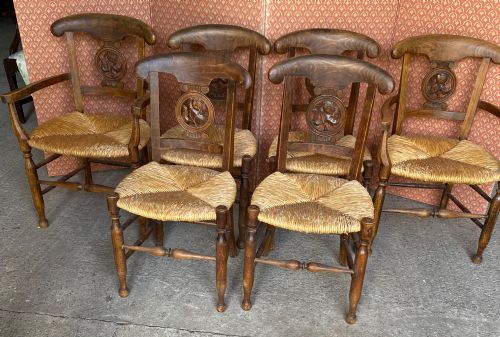
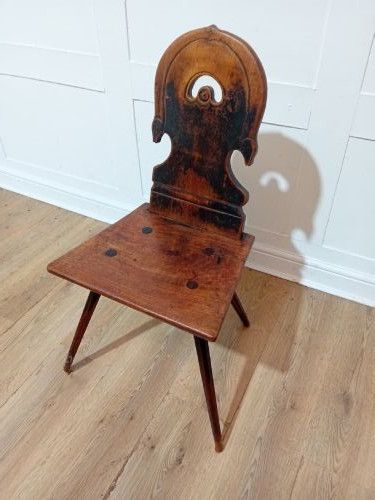
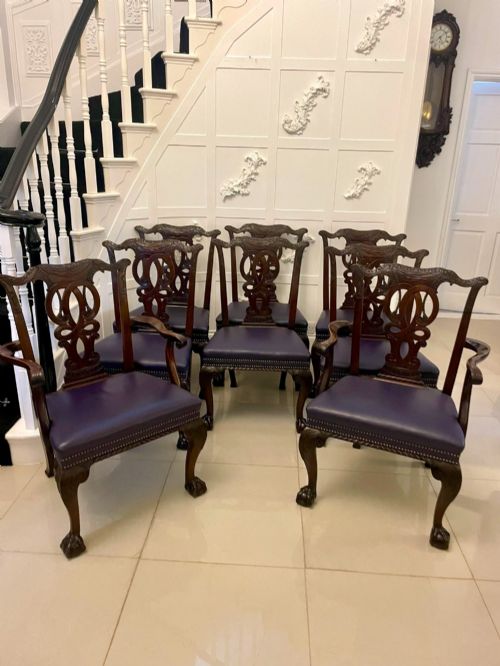
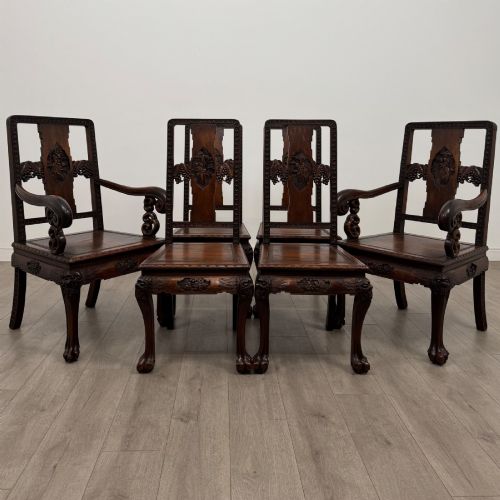
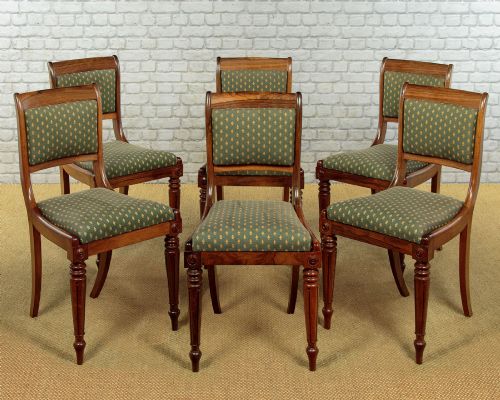
These vintage carved side chairs bring sturdy timber frames and period detail into daily use around a dining table or hall.
Vintage Carved Side Chairs
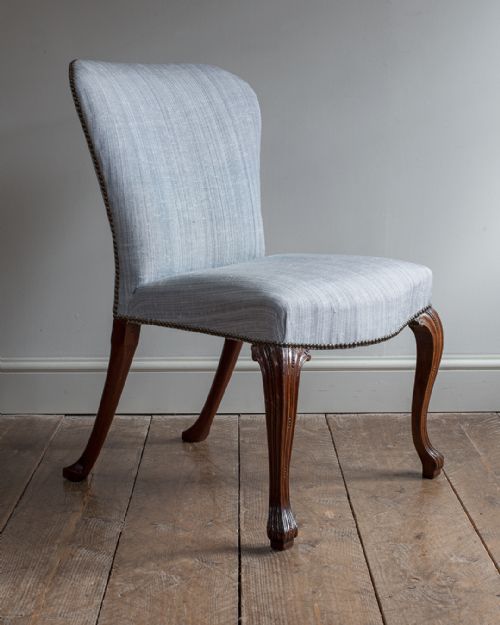
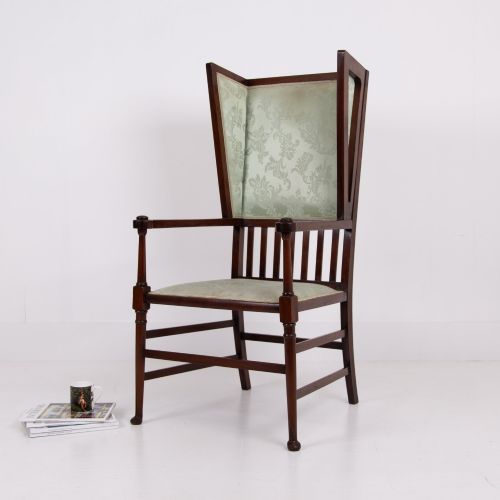
When searching for vintage carved side chairs, buyers encounter seating designed primarily for dining rooms, halls, and occasional use. The selection spans periods from the eighteenth century through the Edwardian era and 1930, capturing shifts in domestic taste.
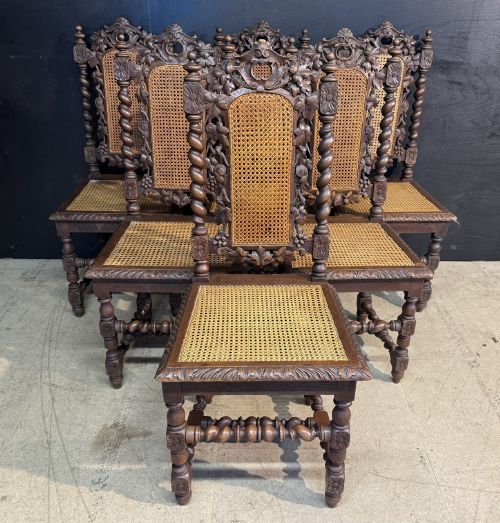
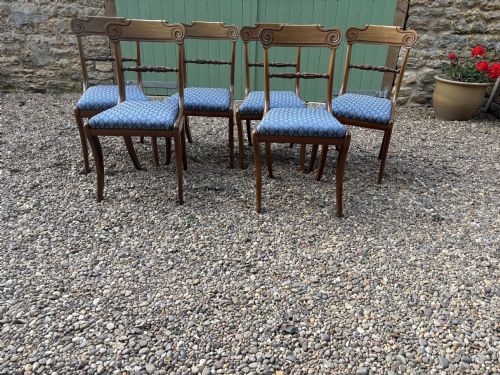
Mahogany and oak dominate the offerings, appearing in forms ranging from shield backs and balloon backs to heavy bobbin-turned frames. Many examples survive as matched sets suited for a modern dining table.
The styles reflect historical revivals, including Jacobean, Gothic, and Regency interpretations alongside distinct Victorian designs. Buyers select these items to anchor a room with traditional craftsmanship and warm timber tones.
What varies in quality
The standard of a piece depends on the depth and crispness of the hand carving and the selection of figured timber veneers. Superior examples maintain structural integrity in the joints without excessive modern reinforcement.
Completeness dictates utility, as larger sets surviving intact command greater attention than assembled groups. Original upholstery elements like tan leather add authenticity compared to later replacements.
Cuban mahogany makes a surprise appearance in Regency seating, having travelled across oceans just to be sat upon.
Maple and Co
The Vintage Carved Side Chairs Glossary
- Side chair
- A chair without arms, historically designed to sit at the side of a dining table or against a wall. These form the bulk of traditional seating sets.
- Balloon back
- A rounded, oval-shaped chair back that became widespread during the Victorian era. It offers ergonomic support while displaying curved mahogany grain.
- Bobbin turned
- A form of woodturning characterised by a series of rounded, spool-like shapes resembling bobbins. This technique appears frequently on seventeenth-century revival oak furniture.
- Hall chair
- A stiff wooden seat, often un-upholstered, placed in an entrance hall for visitors or servants. They frequently display painted family crests or carved wood panels.
Vintage Carved Side Chairs: Frequently Asked Questions
How do I date a carved chair?
Dating relies on identifying timber choices, tool marks, and stylistic revival cues. Oak dominates earlier pieces, while mahogany becomes prevalent in Georgian and Victorian workshops.
Secondary woods and construction methods inside the seat frame also help narrow down the decade of manufacture.
Are these chairs suitable for daily dining?
Most antique side chairs are structurally robust enough for regular meals when joints remain tight. Solid hardwood frames handle daily weight well if handled with reasonable care.
Checking seat heights and depth ensures they pair comfortably with modern dining tables.
How do I care for antique wood?
Maintaining vintage timber requires avoiding direct sunlight and extreme humidity changes that cause wood to split. Regular dusting with a soft cloth preserves the polished surface.
Occasional application of appropriate wax feeds the grain without building up heavy residues.