


Vintage Carved Furniture
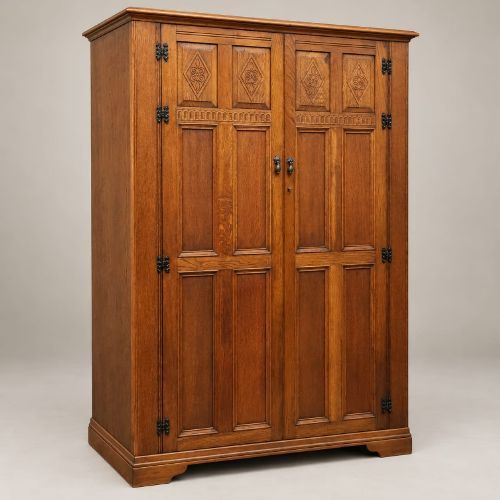
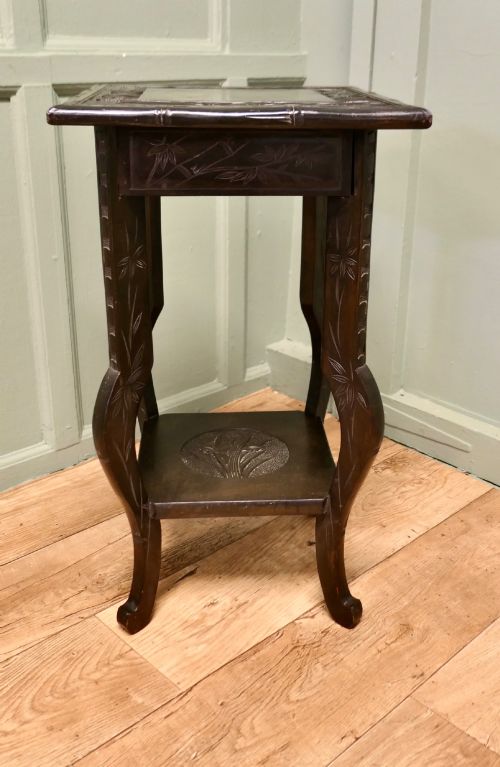
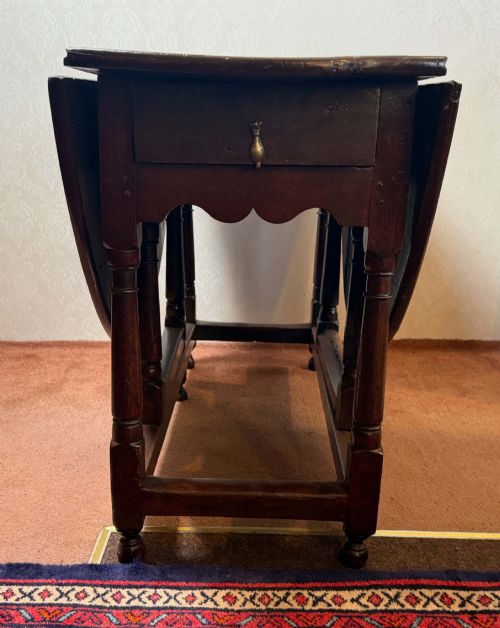
Vintage carved furniture brings tactile richness into a room through hand-chiselled detail on period timbers.
Vintage Carved Furniture
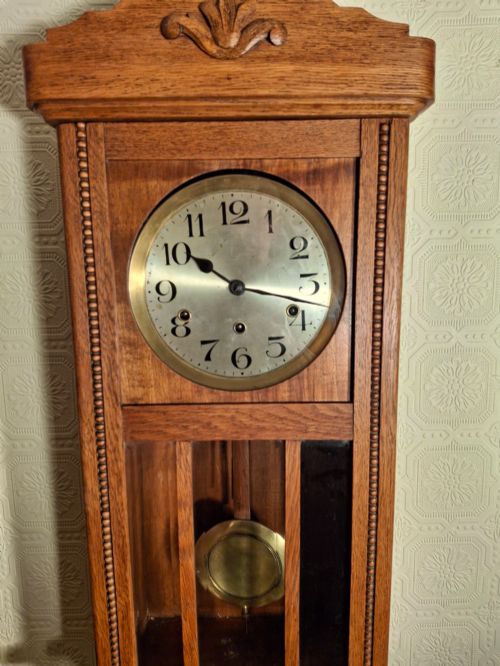
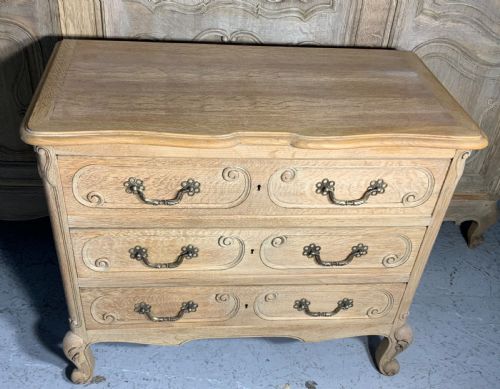
Vintage carved furniture encompasses domestic timber pieces from the nineteenth century through to the interwar decades that feature hand-chiselled or relief-moulded decoration. When buyers search for vintage carved furniture, they seek items that combine structural utility with ornament, ranging from seating and storage to display surfaces.
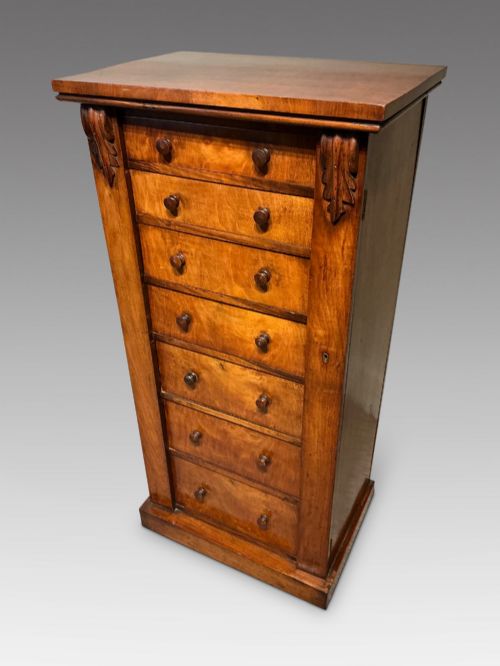
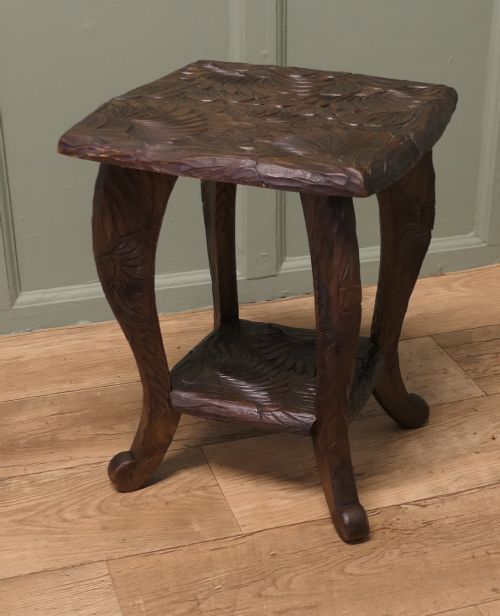
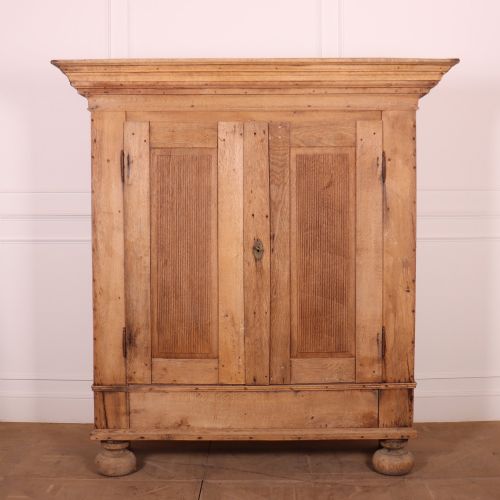
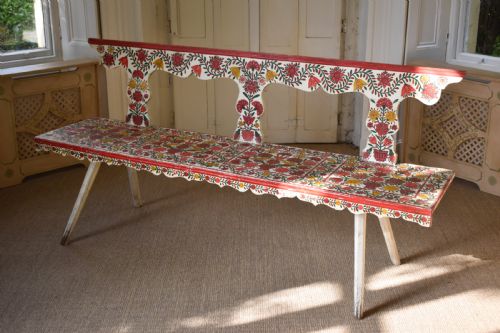
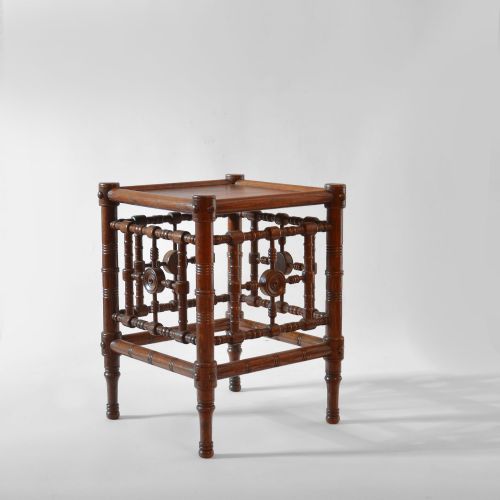
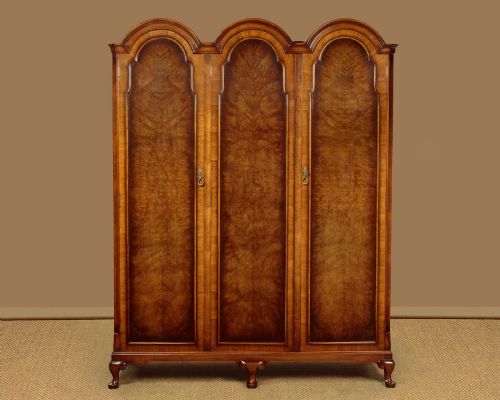
The pieces appearing on this page span diverse stylistic revivals and regional workshops, notably solid oak chests, mahogany dressing tables, and elm plant stands. Edwardian and Victorian oak forms dominate the selection, alongside continental walnut and painted pine iterations.
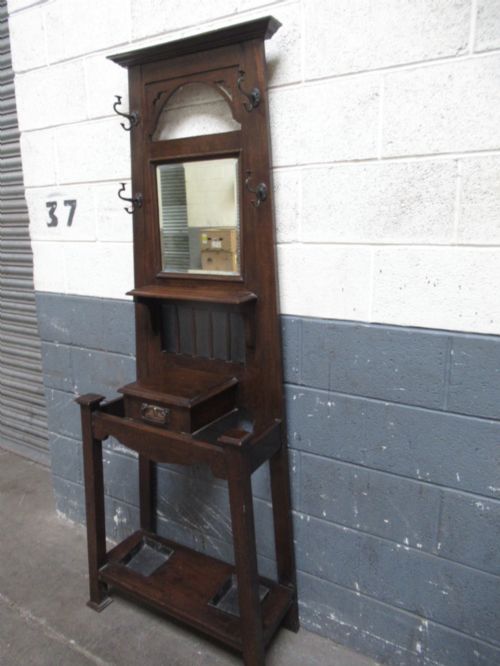
Function dictates form across these listings, dividing the stock into practical household items like writing desks and bedside cabinets, and decorative focal points such as occasional tables and hall benches. Each piece retains the distinct marks of period joinery and hand-worked surface embellishment.
How they were made
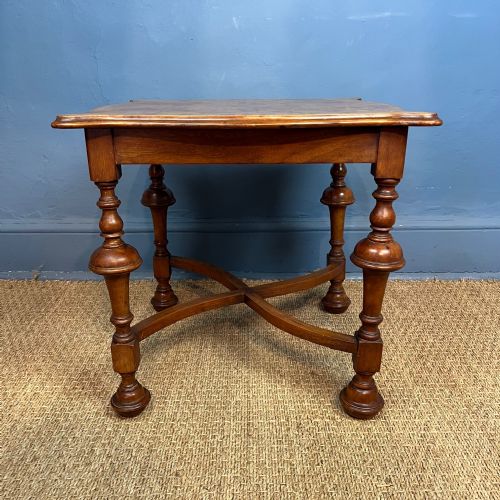
Cabinetmakers relied on dense domestic and imported hardwoods, primarily oak, mahogany, walnut, and elm, selecting each timber for its grain and structural resilience. Surfaces received hand-carved relief work, linenfold panels, or turned components executed with chisels and gouges.
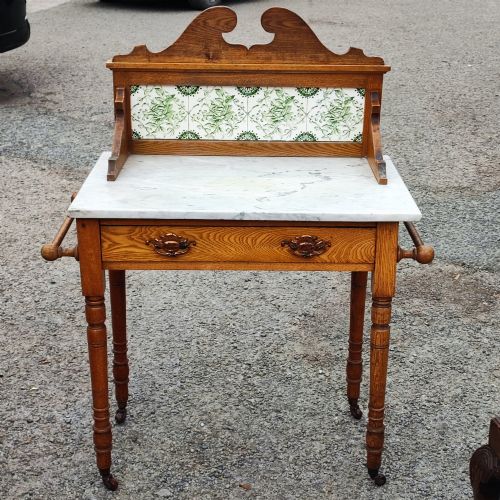
Joinery methods prioritized durability, utilising traditional pegged mortise and tenon joints, dovetail drawers, and turned supports rather than modern adhesives. Secondary materials like marble inserts, brass hardware, and glass panels were integrated into tables, cabinets, and dressing surfaces.
Vintage Carved Furniture Retail Price Guide 2026
Typical asking prices for vintage carved furniture among the pieces listed under this phrase on Sellingantiques today, from the lower quarter to the upper quarter. They describe what is for sale here now, not the wider market.
The listings on this page span eight distinct decades of the nineteenth and twentieth centuries, utilising oak, mahogany, walnut, and pine.
What varies in quality
Depth and precision of the chisel work distinguish superior examples from plain utility pieces, separating mechanically replicated surface patterns from crisp, hand-cut relief. The selection of timber grain, such as figured burr walnut or dense quarter-sawn oak, dictates the visual weight of an item.
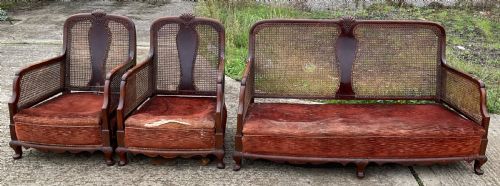
Originality of components, from brass handles to marble tops and cane work, preserves the integrity of a piece. Structural stability, demonstrated by tight joinery and sound timber movement across panels, separates robust specimens from compromised ones.
Liberty & Co·Strahan & Co
The Vintage Carved Furniture Glossary
- Purdonium
- A specialised coal box or cabinet designed for domestic hearths during the Victorian and Edwardian periods. These wooden containers frequently incorporate carved panels and a hinged sloping front.
- Linenfold
- A style of carved wooden panelling that resembles folded vertical folds of linen cloth. It appears frequently on sixteenth-century revival cupboards and chests.
- Parcel Gilt
- A decorative technique where selected portions of a carved wooden surface receive a thin application of gold leaf. This highlights specific mouldings against dark mahogany or walnut.
- Enfilade
- A long buffet or sideboard designed for formal dining rooms, usually featuring a sequence of three cabinet doors beneath a marble or timber top. Nineteenth-century continental examples often display heavy carved oak ornamentation.
Vintage Carved Furniture: Frequently Asked Questions
How do I date carved oak furniture?
Dating relies on examining construction marks, joint types, and the character of the carved motifs alongside timber shrinkage. Hand-cut pegging and deep, irregular chisel marks point towards earlier nineteenth-century origins.
Later Edwardian and 1920s pieces often exhibit machine assistance combined with hand-finishing, alongside standardised hardware and lighter timber preparation.
Can I use antique marble top tables daily?
Marble top tables and bedside cabinets handle everyday placement of lamps and decorative objects comfortably. The stone surface resists normal wear while adding a cool textural contrast to surrounding woodwork.
Care involves avoiding acidic liquids that might etch polished marble surfaces over time.
Where does carved mahogany fit in a modern home?
Dark mahogany consoles, desks, and side tables anchor contemporary living spaces by providing rich tone and historic contrast. Their polished surfaces and carved edges work well against neutral walls.
Placing them away from direct heat sources protects the polished finish and dense timber grain.
What is the difference between Arts and Crafts and Victorian carving?
Arts and Crafts carving emphasises simple, honest craftsmanship with stylized natural motifs executed in plain oak or elm. Victorian carving tends towards heavier, deeply chased revival styles like Jacobean or Rococo.
Victorian pieces often prioritize formal symmetry and grand scale, whereas Arts and Crafts items celebrate the visible hand of the maker.