

Vintage Carved Doors
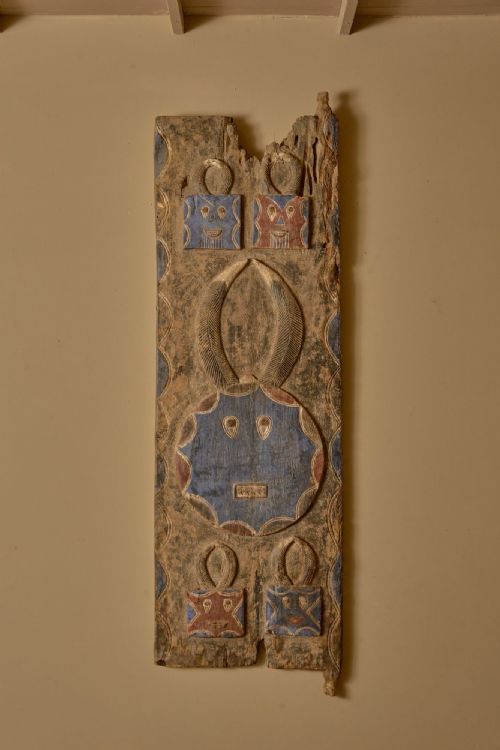
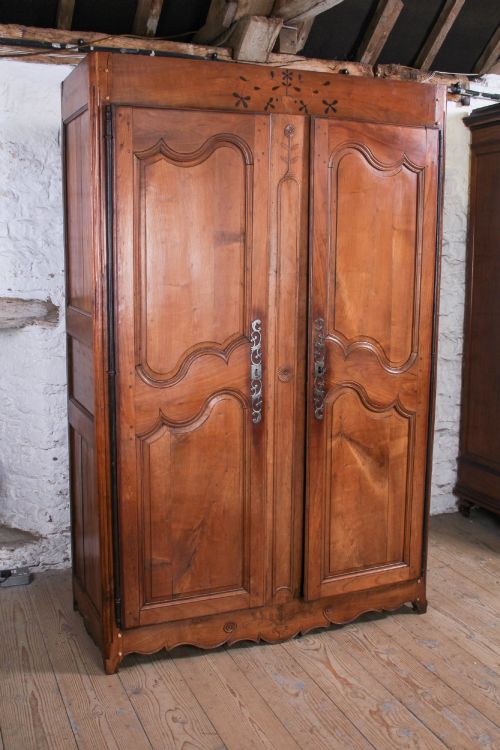
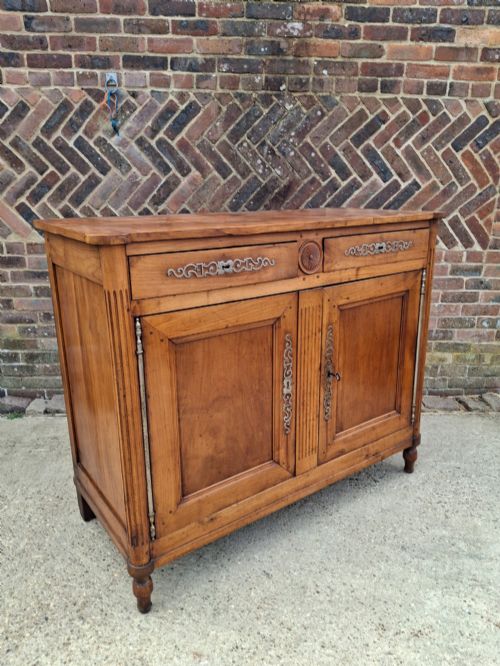
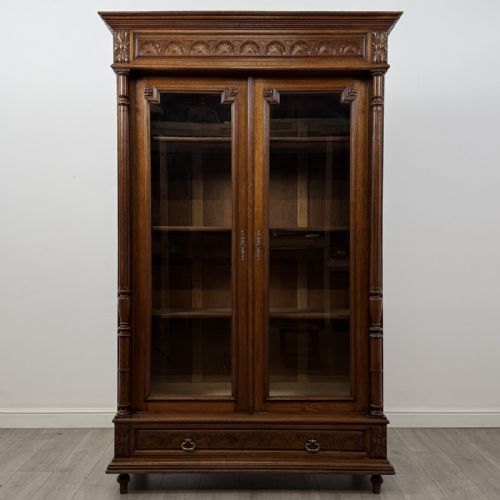
Vintage carved doors appear on large furniture such as wardrobes, bookcases and sideboards spanning the Victorian, Edwardian and early twentieth-century periods, bringing texture and architectural presence to a room.
Vintage Carved Doors
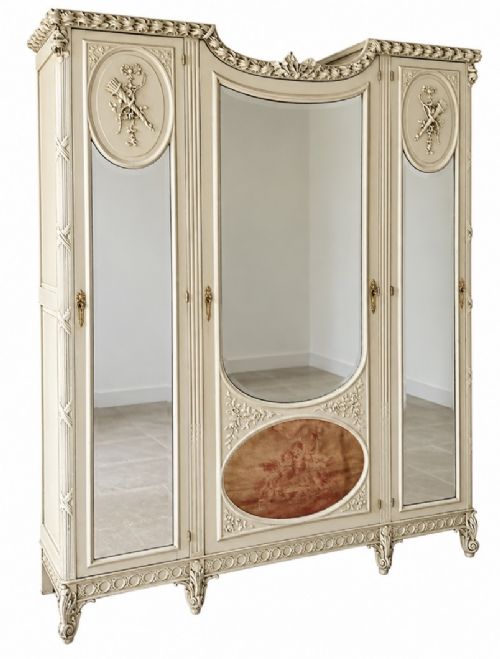
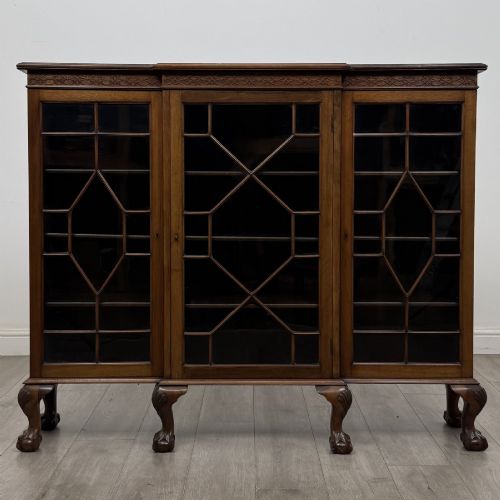
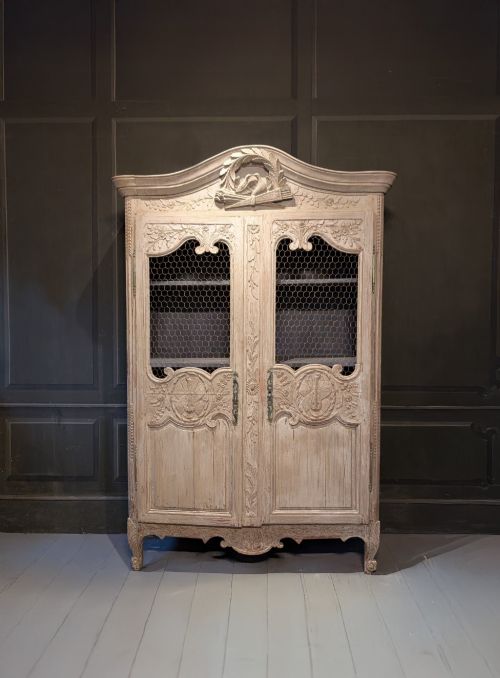
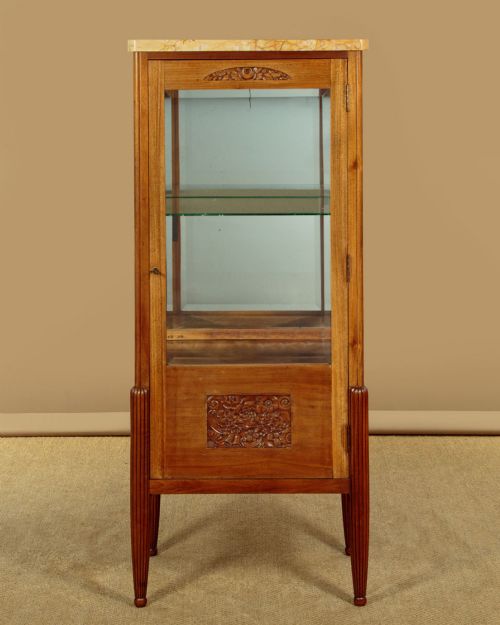
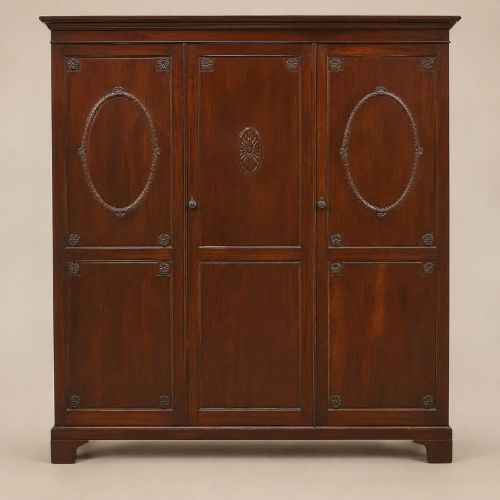
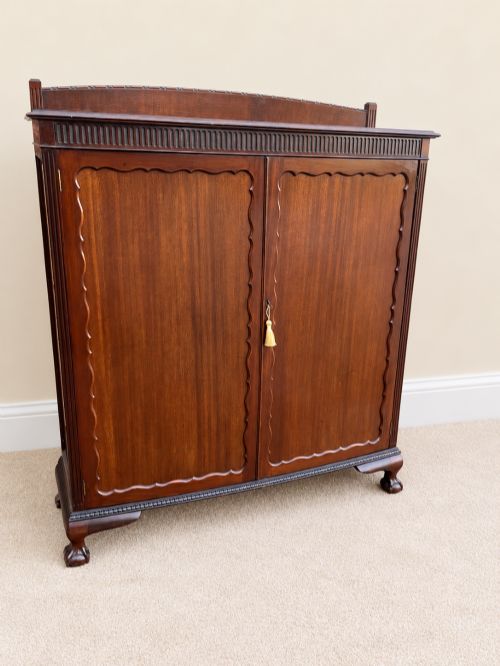
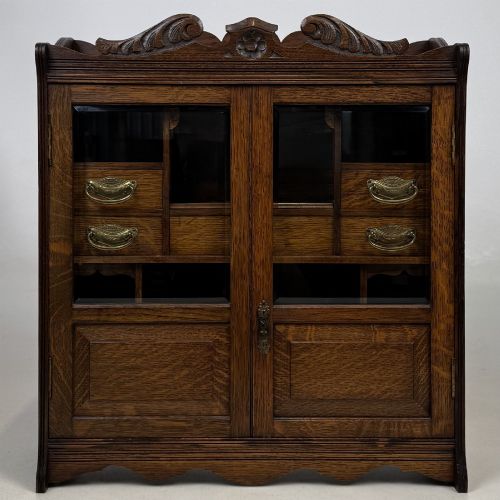
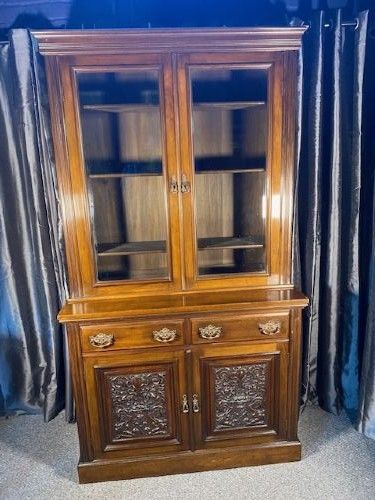
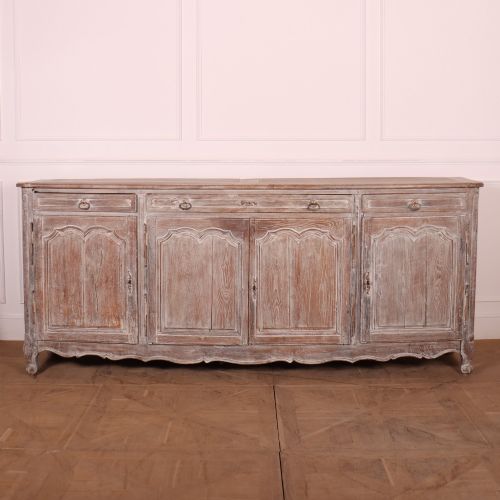
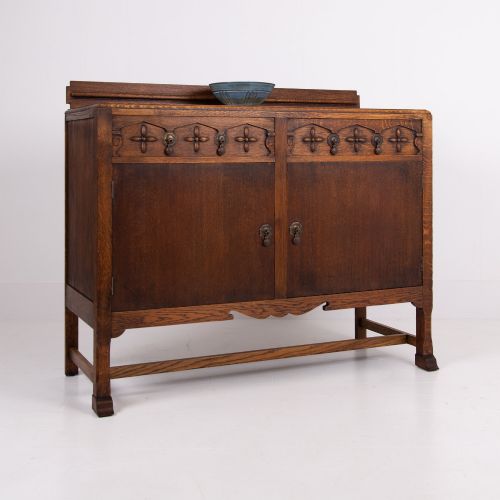
When you search for vintage carved doors, you are looking at substantial pieces of furniture whose timber fronts feature deliberate sculptural relief work. The listings here centre primarily on large storage furniture, predominantly wardrobes, sideboards, bookcases and display cabinets produced across the nineteenth and twentieth centuries.
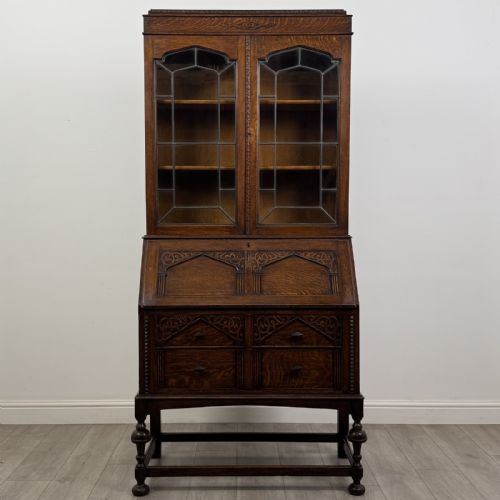
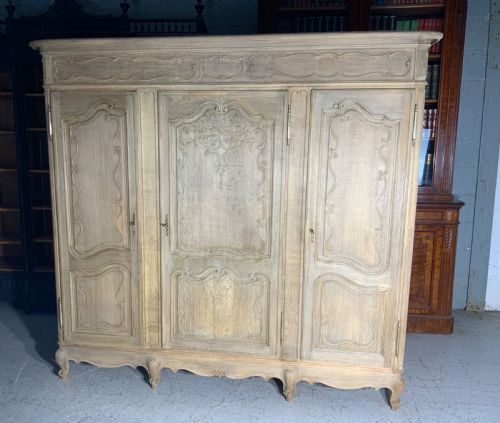
The versions you are most likely to meet on this page date from the Edwardian era and the nineteen-twenties, constructed in oak or walnut. These pieces range from single-door armoires and bedside cabinets to grand triple wardrobes and bureau bookcases fitted with panels, linenfold motifs, or glazed sections.
Origins vary across British and continental workshops, incorporating styles from French provincial designs and Jacobean revivals to Art Deco and Queen Anne revivals. The surface carving defines the character of each piece, transforming utilitarian storage into a decorative focal point.
How they were made
Cabinet makers utilised dense hardwoods such as oak, mahogany and walnut as the primary structural and visual medium for these doors. Burr walnut and flame mahogany veneers were frequently applied to larger surfaces to create striking grain patterns, while solid timber was reserved for carved panels and structural frames.
Joinery techniques relied on traditional mortise and tenon framing to support the weight of heavy timber doors without warping. Carving was executed by hand or with specialised machinery depending on the period, while supplementary hardware in brass, iron and glass secured the closures and provided functional handles and hinges.
Vintage Carved Doors Retail Price Guide 2026
Typical asking prices for vintage carved doors among the pieces listed under this phrase on Sellingantiques today, from the lower quarter to the upper quarter. They describe what is for sale here now, not the wider market.
A pair of oak doors listed here carries the potential attribution to the legendary Yorkshire mouseman workshop.
What varies in quality
The depth and crispness of the carving separate standard production items from superior examples. Finely executed relief work retains sharp undercut edges and deliberate detail, whereas lesser pieces show shallow, mechanical pressing.
The choice of timber grain and veneer matching dictates visual hierarchy across larger doors like armoires and sideboards. Superior pieces exhibit continuous grain flow and carefully selected burr or flame figures across multiple panels, whereas lower tiers display disjointed grain patterns and simpler secondary timbers.
The Vintage Carved Doors Glossary
- Linenfold
- A style of wood carving that resembles folded parchment or linen, commonly found on Tudor and Jacobean revival panels. This motif adds texture and vertical emphasis to cabinet doors.
- Astral glazed
- A glass door divided into smaller panes by wooden or metal bars known as astragals. This technique lightens the visual weight of large bookcases and display cabinets.
- Armoire
- A tall cupboard or wardrobe with doors enclosing shelving or hanging space. French examples often feature elaborate carving and cabriole legs.
- Enfilade
- A suite of rooms or, in furniture terms, a long sideboard or buffet with a continuous line of doors. These pieces provide extensive low storage.
- Burr walnut
- Wood taken from a walnut tree growth containing distorted grain patterns, highly prized for decorative veneer. It creates complex, swirling patterns across wardrobe and cabinet doors.
Vintage Carved Doors: Frequently Asked Questions
How do I clean carved wooden doors?
Dust the carved recesses regularly using a soft-bristled brush to prevent particulate accumulation in the detailed crevices. Apply a quality beeswax periodically to nourish the timber and maintain the natural sheen of the finish.
Avoid liquid cleaners and silicone sprays that can penetrate unsealed grain and degrade historic polishes over time. Gentle buffing with a dry cloth preserves the patina built up across the decades.
How do I identify Jacobean revival pieces?
Jacobean revival furniture from the early twentieth century mimics seventeenth-century styles through heavy oak construction, geometric moulded panels and strapwork carving. Turnings on legs and uprights often feature spool or cup-and-cover motifs.
Look for dark wax finishes and heavy brass drop handles that emulate earlier antique production methods. The internal construction and drawer linings generally reveal the true twentieth-century date of manufacture.
What is a bureau bookcase?
A bureau bookcase combines a sloping desk flap that opens for writing with upper shelving enclosed by glazed or solid wooden doors. This dual-purpose form became popular for domestic administration and book storage.
Lower sections typically incorporate drawers or cupboards beneath the writing surface, while upper doors feature leaded or astral glazing. They offer vertical storage while occupying a modest footprint in a room.