

Vintage Carriage Timepiece
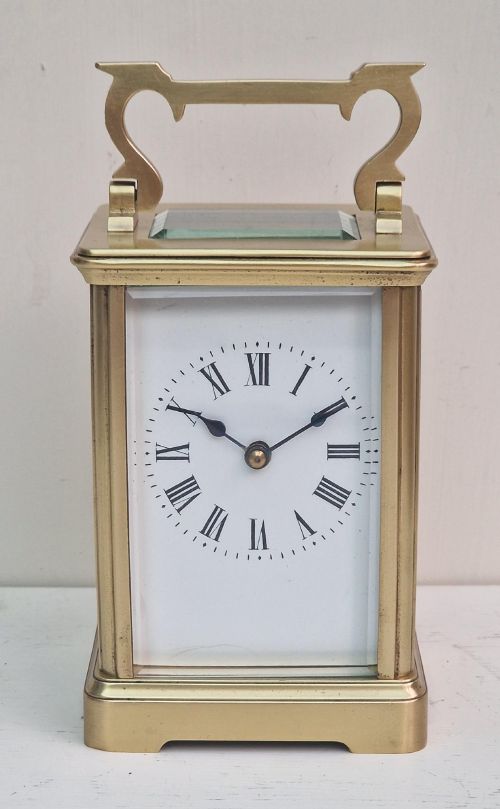
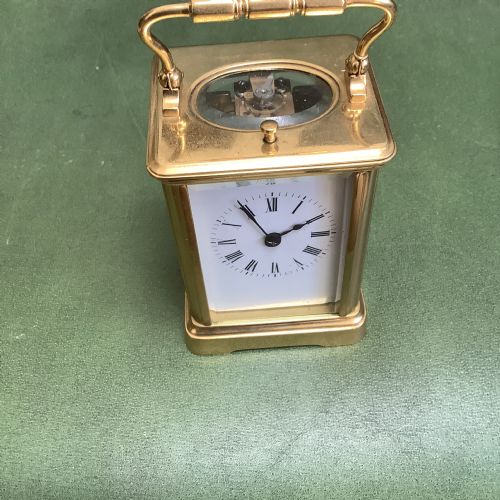
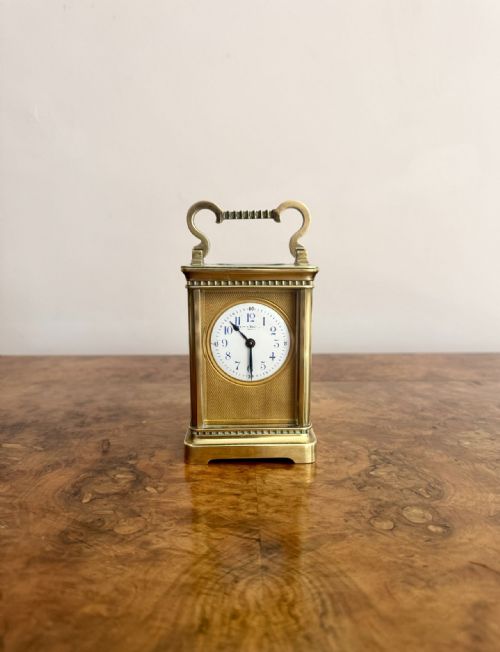
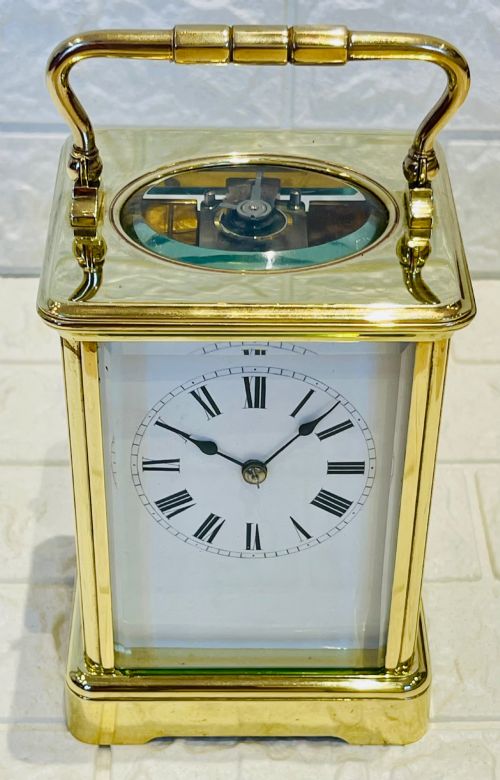
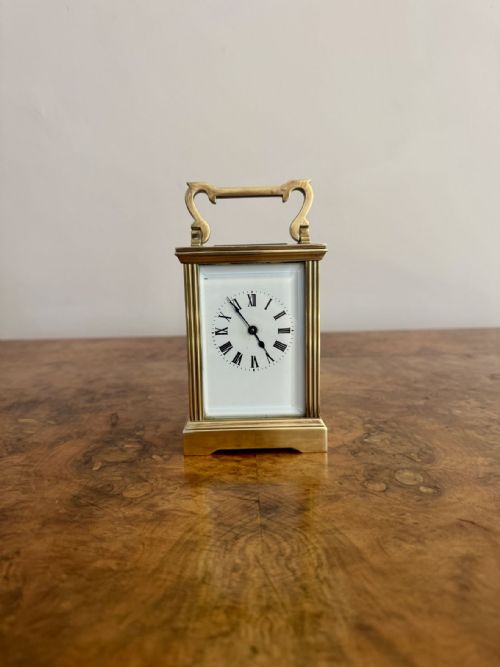
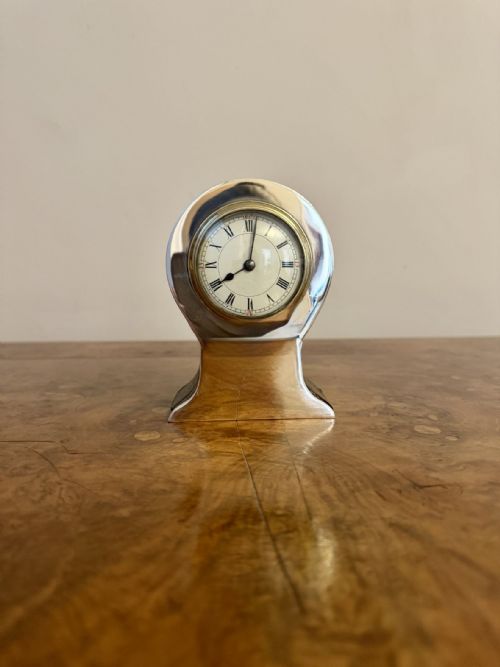
These vintage carriage timepieces are portable mechanical clocks designed for travel, offering brass cases and bevelled glass panels that suit a desk or mantelpiece.
Vintage Carriage Timepiece
A vintage carriage timepiece is a portable mechanical clock originally built for travel by officers and gentlemen during the nineteenth and early twentieth centuries. These objects combine heavy metal frames with glass viewing panels that display the escapement and movement within.
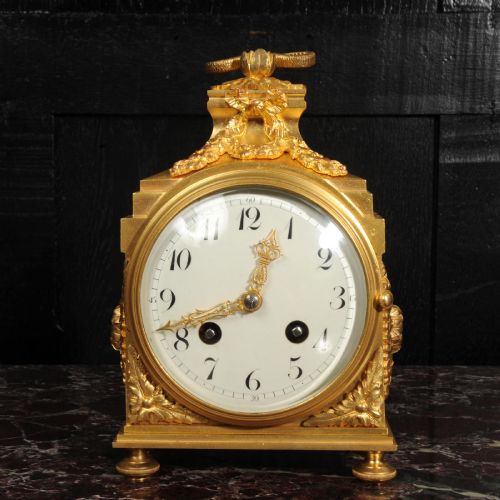
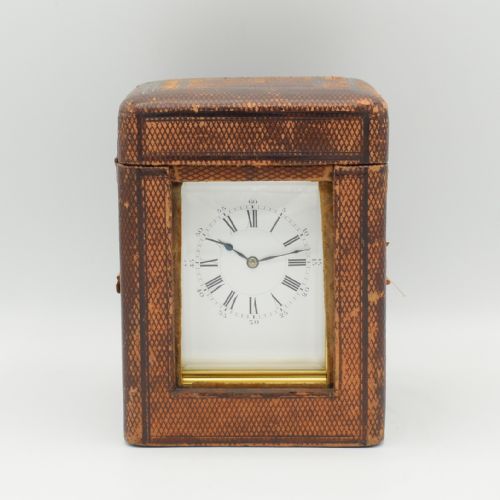
The most common examples on this page date from the Victorian and Edwardian periods, frequently originating from French workshops or English makers. They appear in brass, gilt brass, and silver cases, often accompanied by original leather travel cases.
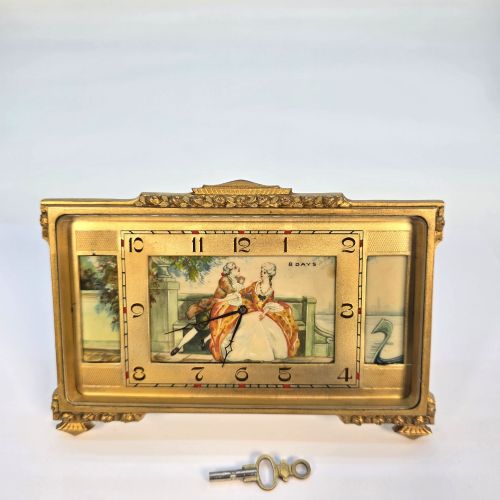
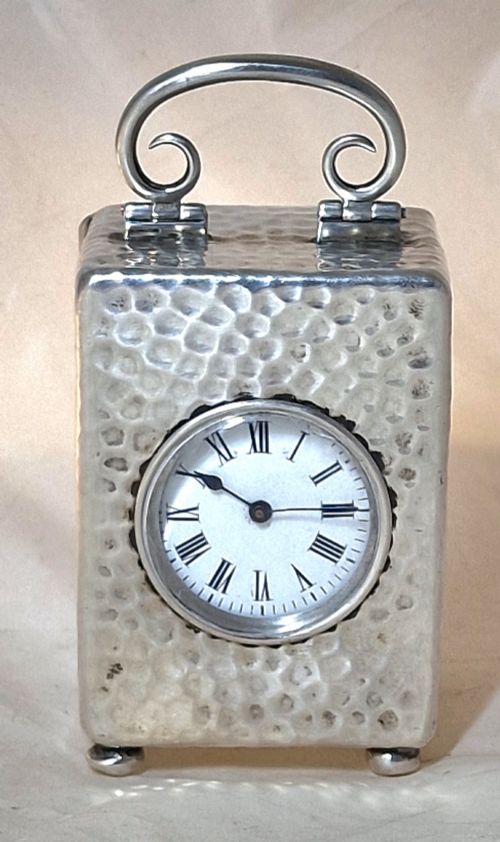
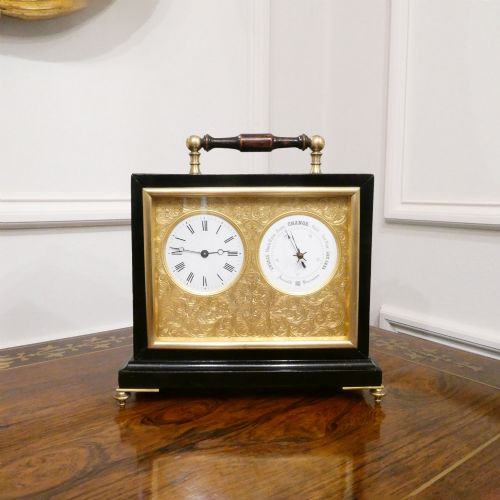
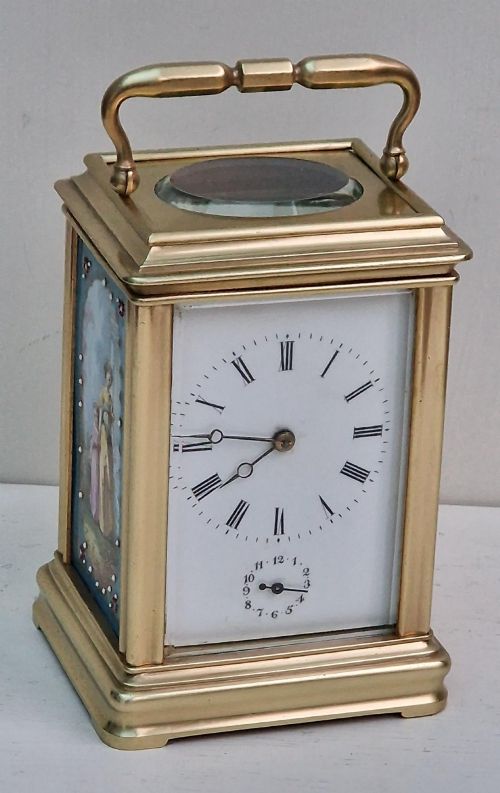
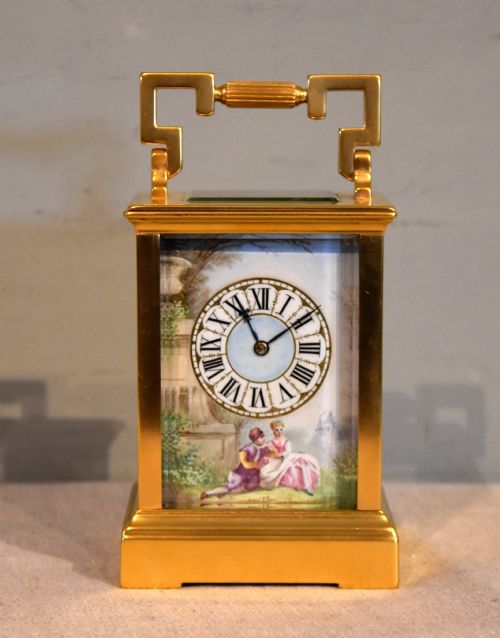
Forms range from standard brass bound cases to miniature versions, serpentine shapes, and designs featuring porcelain panels or enamel dials. Buyers encounter both simple timepieces and more complex striking or repeating mechanisms.
Materials and construction methods
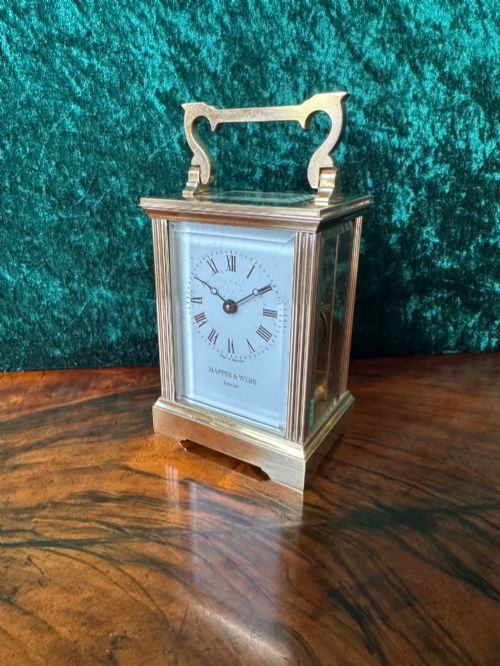
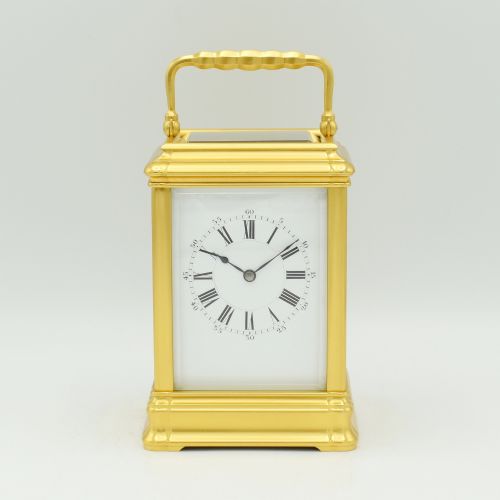
Cases are primarily constructed from brass, gilt brass, and solid sterling silver, shaped into housings that hold bevelled glass lights on all sides. Metal surfaces frequently receive hand engraving, gilding, or polished finishes to accentuate the architectural frames.
Mechanical movements utilise brass plates and wheels driven by mainsprings, housed behind white enamel dials or painted porcelain panels. Many examples include platform escapements and travel cases lined with velvet or leather for protection.
Object types include standard carriage clocks, mantel clocks, desk clocks, and travel timepieces.
Distinguishing quality across examples
Quality separates standard production clocks from master examples through the depth and crispness of hand engraving on the gilt brass cases. Heavier metal gauge and intricate casting work denote superior original manufacture.
The sophistication of the internal movement dictates standing, with repeating complications, bell strikes, and Swiss mechanisms occupying the upper tier. Original signed dials, matching serial numbers on components, and intact leather travel cases elevate individual pieces.
Henri Jacot·Mappin and Web·Pickford of London·T. Martin & Co·John Morley·Antoine Redier of Paris·Duverdrey & Bloquel·William Comyns
The Vintage Carriage Timepiece Glossary
- Carriage clock
- A portable spring driven clock with a handle, developed in the nineteenth century for travellers. They typically feature glass panels to observe the movement.
- Platform escapement
- A small self contained escapement mounted on a platform inside the clock. This allows the timepiece to maintain accuracy in various positions.
- Repeating mechanism
- A complication that strikes the hours and quarters on demand when a button or lever is pressed. This function was useful during dark nights before electric lighting.
- Ormolu
- Gilt bronze or brass applied to clock cases to provide a rich golden appearance. The technique involves mercury amalgamation or modern electroplating.
- Doucine case
- A clock case profile featuring a distinctive concave ogee curve. This architectural moulding adds elegance to French carriage clock designs.
Vintage Carriage Timepiece: Frequently Asked Questions
How do I wind a carriage clock?
Most carriage clocks utilise a dedicated key inserted into arbors located on the backplate or base. Turn the key gently until resistance indicates the mainspring is fully wound.
Avoid over winding the mechanism to prevent damage to the internal springs. Some models feature independent trains for time and strike functions, requiring separate winding.
What is the difference between a timepiece and a clock?
In horological terms, a timepiece is a clock that simply indicates the time without striking hours or playing musical tunes. A clock generally incorporates a striking mechanism or alarm function.
Many listings use the terms interchangeably, so inspect the movement description to confirm whether a strike train or repeating function is present.
Why do some carriage clocks have leather cases?
Original leather travel cases, often called outer journeys, protected the delicate glass panels and brass frames during transit in carriages or trains. They frequently feature hinged lids and cutouts for the clock handle.
Finding a carriage clock with its matching leather case adds historical completeness and preserves the exterior finish from transit wear.
How can I identify a French carriage clock?
French carriage clocks typically house platform escapements visible through the top glass and feature numbered movement backplates, sometimes stamped with maker insignia. Their overall proportion and dial layout follow distinct Parisian design traditions.
English examples from the same era often display London hallmarks on silver cases or distinct fusee movements that differentiate them from continental spring barrel designs.