



Vintage Carriage Lamp
A vintage carriage lamp brings original transport lighting into modern rooms, offering heavy metal construction and period glass.
Vintage Carriage Lamp
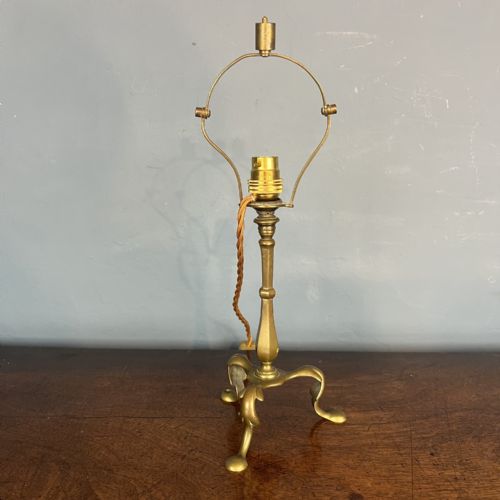
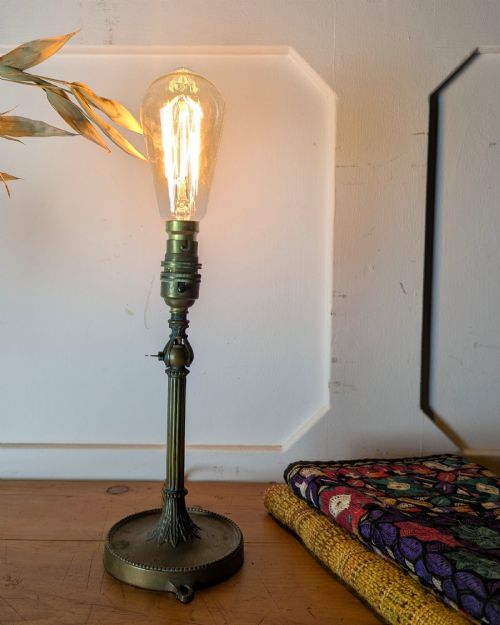
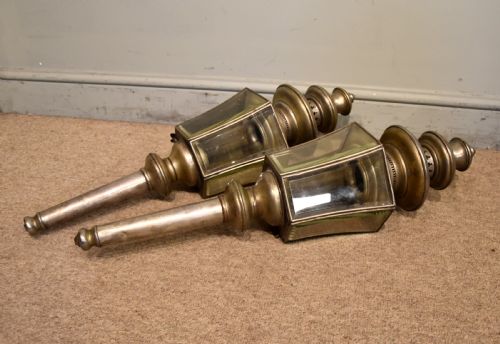
A vintage carriage lamp is a sturdy lighting fixture originally designed for transport vehicles such as trains, ships, and horse-drawn carriages. These pieces appear across Victorian, Edwardian, and Art Deco styles, spanning from the late nineteenth century through to the 1930s. The selection on this page leans heavily towards brass and iron wall lights, coaching lanterns, and Pullman reading lamps.
Buyers encounter forms that range from simple railway carriage lights to ornate French Empire style wall lanterns. Many of these items adapt easily to modern interiors as wall sconces, table lamps, or desk lamps. Their industrial and maritime roots give them a practical weight that suits hallways, studies, and living spaces.
How they were made
Makers built these lamps using durable metals such as brass, cast iron, wrought iron, and nickel plating designed to withstand constant motion and travel. Brass components often feature polished or patinated surfaces, while iron provides a heavy structural frame for exterior coach use.
The glazing relies on clear glass, frosted glass, or opaline glass panels held securely within metal frames. Many items incorporate functional mounting brackets, gimbals, or hanging mechanisms originally engineered for rolling stock or maritime vessels.
Vintage Carriage Lamp Retail Price Guide 2026
Typical asking prices for vintage carriage lamp among the pieces listed under this phrase on Sellingantiques today, from the lower quarter to the upper quarter. They describe what is for sale here now, not the wider market.
Listings feature items from the 19th century through the 1930s, including Arts and Crafts, Victorian, and Art Deco styles.
What varies in quality
Quality rests on the integrity of the metal casting, the thickness of the brass or iron, and the presence of original glass panels. Examples with intact opaline or frosted glass display greater historical fidelity than those with modern replacement panes.
Maker signatures, nickel plating preservation, and specialised mechanisms like gimbals or railway company stamps elevate specific pieces above standard utility lighting. The weight of the cast iron and the precision of the metal joints mark the difference between standard production and finer workshop output.
Veritas Lamp Works·Daris
The Vintage Carriage Lamp Glossary
- Pullman lamp
- A specialised reading or berth light designed for railway carriages, typically constructed in brass and adapted for interior wall mounting.
- Gimbal lamp
- A pivoting lamp suspended in a ring set that stays level despite the motion of a ship or train.
- Opaline glass
- A milky, semi-translucent glass used in period shades to diffuse light evenly without harsh glare.
- Coaching lamp
- A weather-resistant exterior lantern mounted to the side of a horse-drawn carriage or early motor vehicle.
Vintage Carriage Lamp: Frequently Asked Questions
Can these lamps be wired for home use?
Most vintage carriage lamps accept standard modern electrical wiring with minimal adjustment by a qualified electrician.
Their robust metal bodies and internal spaces accommodate modern lamp fittings while preserving the exterior appearance.
Where should I hang a carriage wall light?
These wall sconces suit narrow hallways, beside a bed, or flanking a mirror in a study.
Their directional light and projecting brackets create strong focal points in rooms with traditional or industrial decor.
How do I identify a railway carriage lamp?
Railway pieces often feature specific company stamps, heavy brass fittings, and secure mounting brackets designed for vibration.
Many include gimballing mechanisms or compact profiles suited to train compartments.
What is the difference between Victorian and Art Deco carriage lamps?
Victorian examples rely on ornate brass castings and traditional coach lantern silhouettes. Art Deco pieces from the 1930s introduce streamlined geometric lines and Odeon styling.
Both periods utilise durable metals like iron and brass but express distinct decorative tastes.