





Vintage Caricatures
These vintage caricatures capture public figures, regiments, and everyday characters with sharp humour, offering a witty window into past eras.
Vintage Caricatures
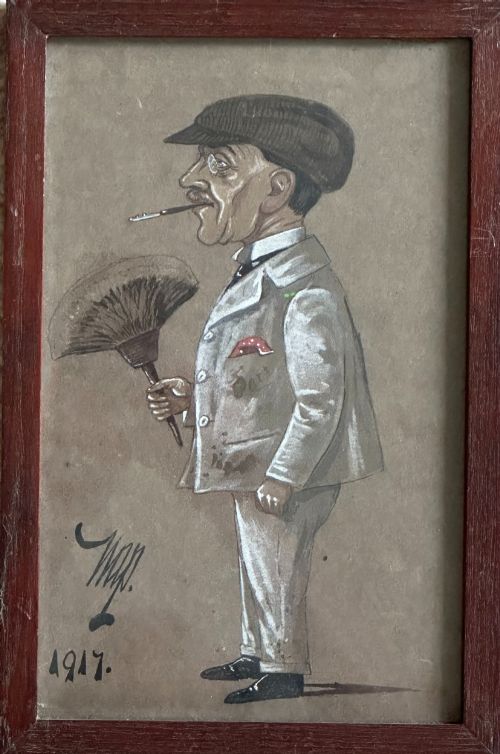
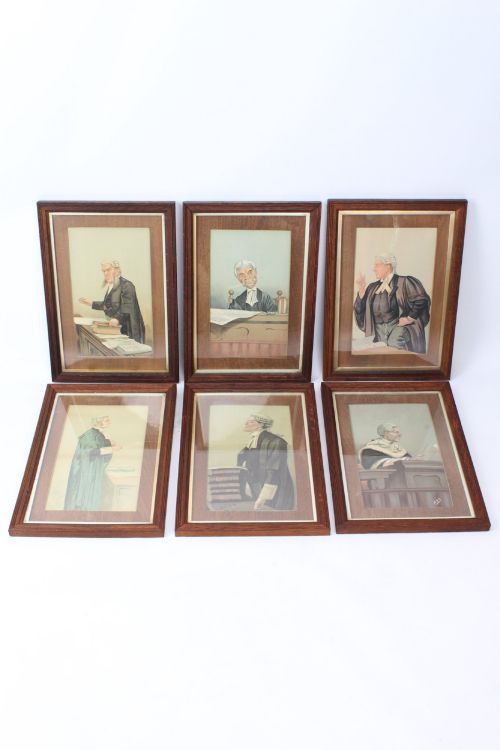
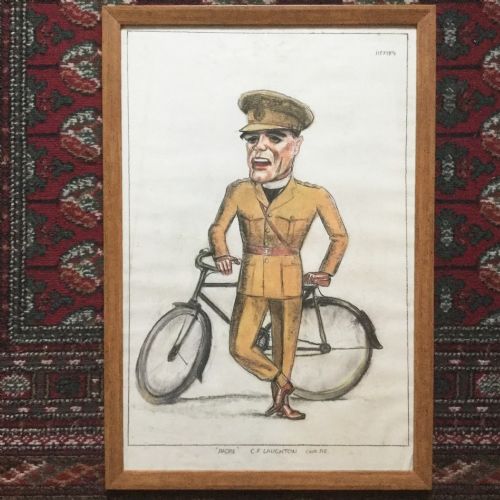
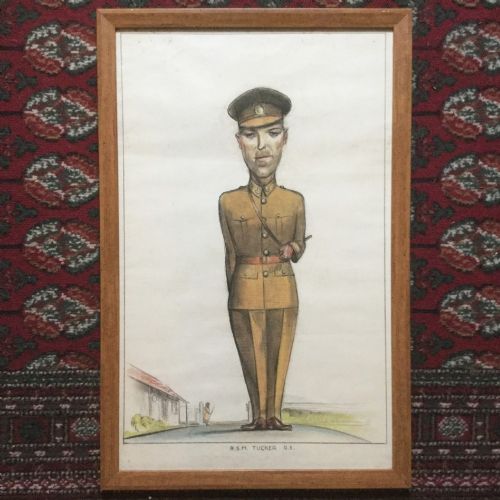
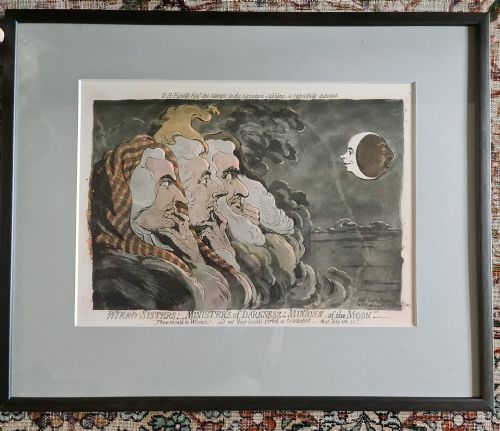
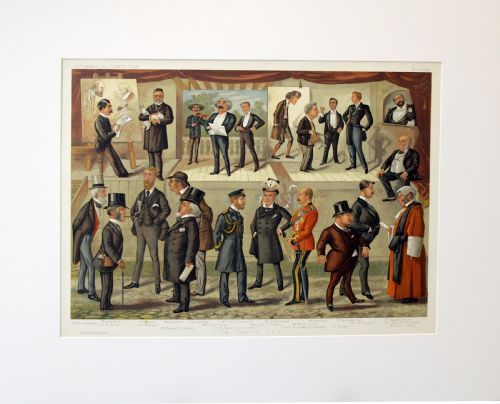
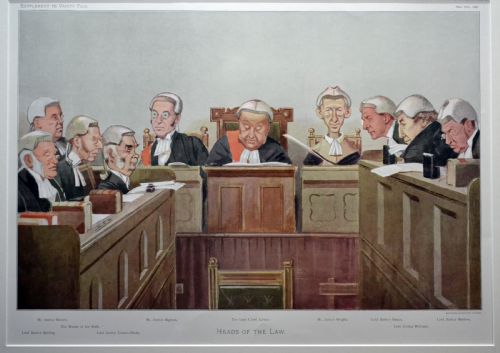
The selections on this page draw heavily from the prolific output of Victorian and Edwardian periodicals, most notably the weekly magazine Vanity Fair, alongside wartime illustrations and folk art objects. These pieces range from single sheets and sets of satirical portraits to larger framed works and carved wooden sculptures.
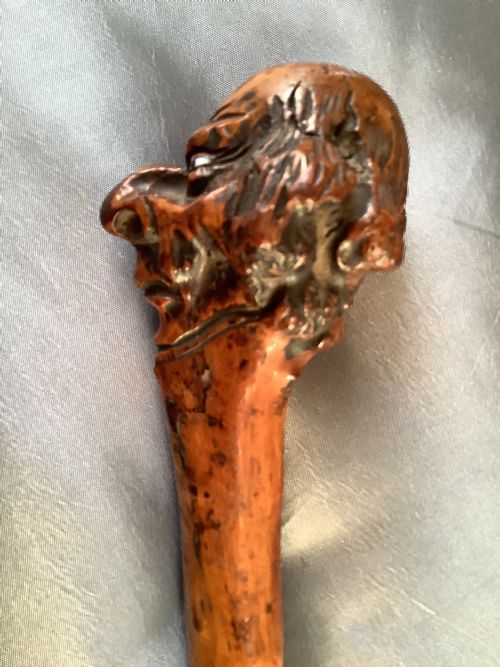
The materials reflect the paper arts and illustration techniques of the eighteenth, nineteenth, and early twentieth centuries, anchored by ink, gouache, and watercolour on paper or cardboard. Alongside graphic prints, the selection incorporates tactile items such as carved wood and horn, demonstrating how caricature extended beyond the printed page into folk art and trench art.
Materials and methods
The graphic works rely on traditional printmaking and illustrative mediums, utilising ink, watercolour, gouache, and pastel applied to paper and cardboard. Many of the published pieces employ chromolithography, a method that produced rich, multi-coloured plates for inclusion in periodicals.
Three-dimensional pieces introduce organic materials, utilising carved wood and horn to shape satirical sculptures and objects. These items combine skilled carving techniques with ink or paint accents to delineate expression and detail.
Vintage Caricatures Retail Price Guide 2026
Typical asking prices for vintage caricatures among the pieces listed under this phrase on Sellingantiques today, from the lower quarter to the upper quarter. They describe what is for sale here now, not the wider market.
The selection includes British, American, and continental European works, encompassing styles from Victorian elegance to wartime illustration.
Assessing quality
Quality rests upon the strength of the draughtsmanship and the clarity of the satirical likeness, distinguishing master illustrators from lesser jobbing artists. The crispness of the original impression and the vibrancy of the pigments - whether watercolour, pastel, or chromolithographic ink - drive the visual impact.
Condition plays a defining role, particularly with works on paper that suffer from fading, foxing, or edge damage over time. Complete sets and unfolded double-page formats retain greater integrity than fragmented series or trimmed sheets.
Albert Guillaume·Snaffles·Thomas Worth
The Vintage Caricatures Glossary
- Chromolithography
- A planographic colour printing technique using multiple limestone blocks, each for a different ink. This process allowed Victorian periodicals to reproduce vivid illustrations and satirical plates.
- Spy
- The pseudonym of Leslie Ward, the most famous caricaturist for Vanity Fair magazine. His watercolours defined the satirical portraiture of the Victorian and Edwardian periods.
- Trench art
- Objects made by soldiers, prisoners of war, or civilians from war-zone scrap materials. These items often include carved wood and horn pieces reflecting wartime themes.
- Folk art
- Utilitarian or decorative objects created by self-taught makers outside academic traditions. These pieces embody regional styles and vernacular humour.
- Gouache
- An opaque water-based pigment containing a binding agent. It provides solid, flat areas of colour well suited to illustrative work.
Vintage Caricatures: Frequently Asked Questions
How were these pieces displayed?
Many printed caricatures originated as unbound pages in illustrated periodicals like Vanity Fair, which subscribers later had bound into volumes or framed for wall display.
Original sketches and paintings were created as standalone artworks or preparatory studies, while sculptural pieces and carved items served as decorative objects in domestic or institutional settings.
How do I care for paper caricatures?
Works on paper require protection from direct sunlight to prevent the fading of watercolour pigments, pastels, and chromolithographic inks.
Framing with acid-free mounts and ultraviolet-filtering glass helps preserve the paper and prevent foxing or moisture damage over time.
How are periods told apart?
Stylistic shifts in clothing, facial hair, and printing technology help distinguish periods, moving from Georgian and Victorian hand-coloured plates to Edwardian chromolithography and wartime illustrations.
Publishing formats, signature styles, and the specific printing processes utilised provide clear indicators of a piece's chronological origin.