




Vintage Canvas Landscape Painting
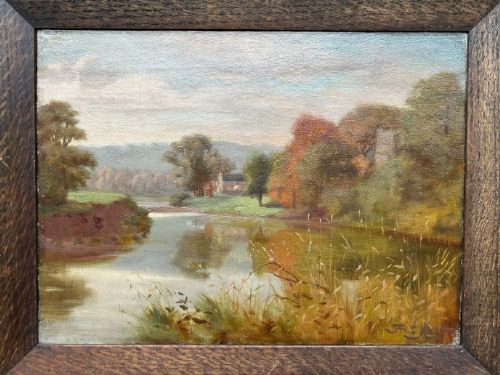
A vintage canvas landscape painting brings the open air, rivers, and coastal views of the nineteenth and twentieth centuries directly into a room.
Vintage Canvas Landscape Painting
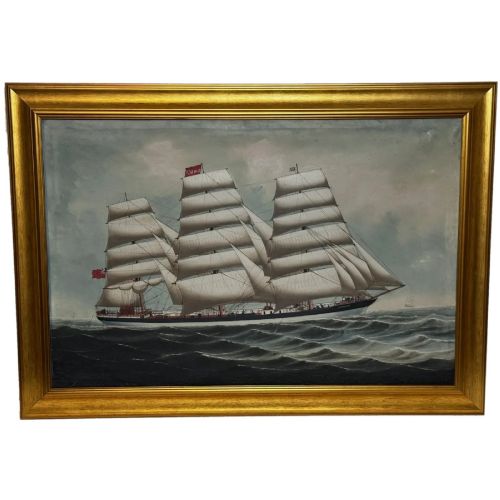
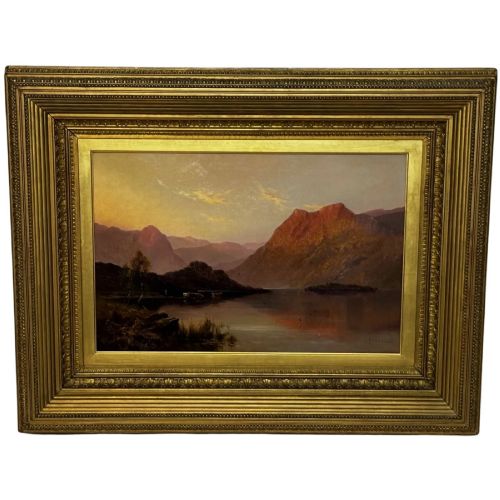
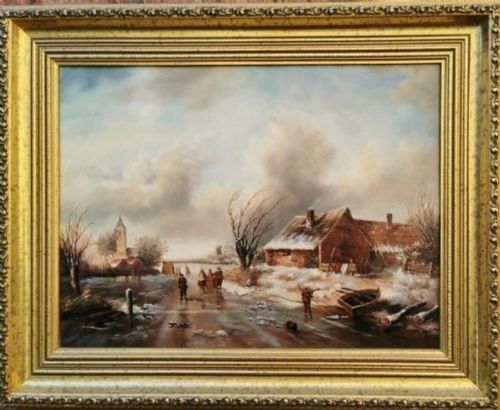
A vintage canvas landscape painting encompasses oil works on woven textile supports originating from periods spanning the Victorian era through the mid-twentieth century. Buyers searching this phrase encounter rural vistas, river scenes, and maritime views created by British, French, and Dutch schools.
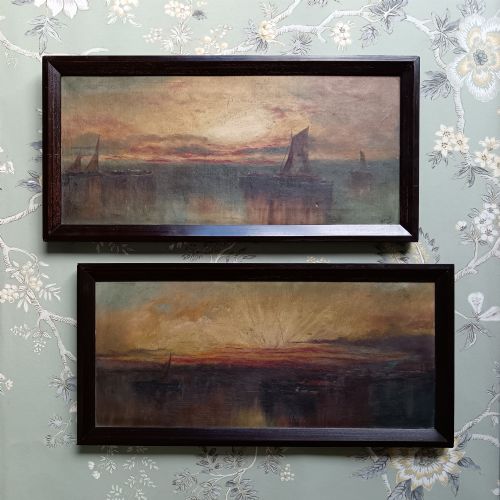
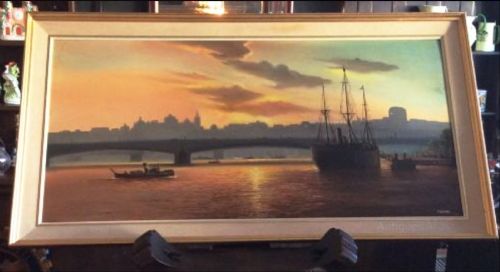
The selections on this page heavily feature British and European countryside settings, coastal waters, and urban waterways rendered in oils. Most examples originate from the late nineteenth century up to the 1960s, reflecting regional landscape traditions and impressionist influences.
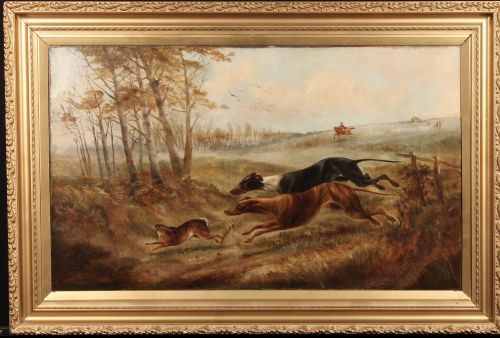
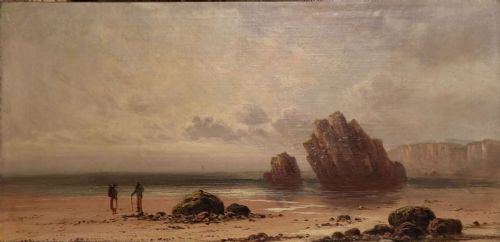
Works appear in various formats, from intimate cabinet pieces to large panoramic frames. Common subjects include riversides, agricultural fields with livestock, and coastal harbours documented by named artists and regional schools.
How they were made
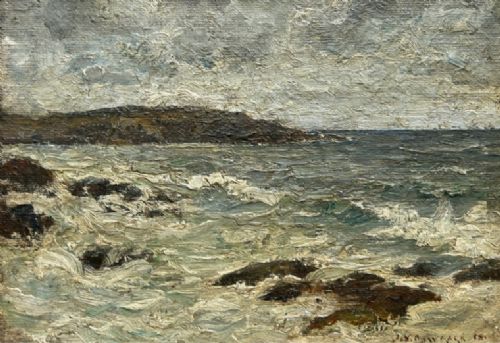
The primary technique relies on oil paint applied to prepared canvas supports, sometimes stretched over wooden frames or laid onto boards. Painters built texture through layered brushwork and impasto, where thick pigment catches the light.
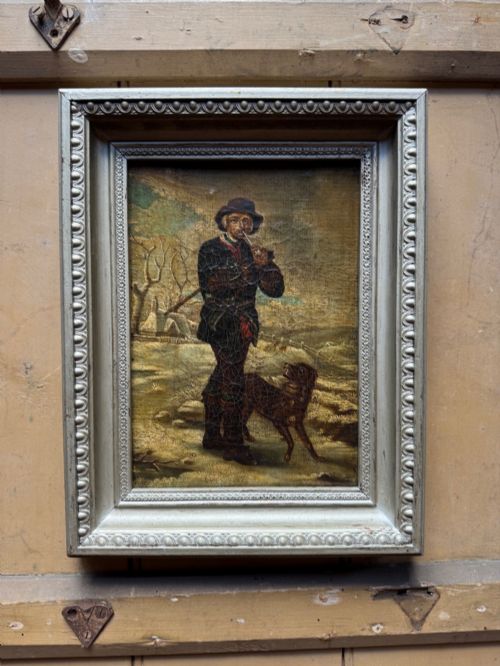
Gilt frames and wood mouldings frequently enclose these works, preserving the edges of the canvas and complementing the palette. Pigments derived from traditional oil binders capture the shifting light of dawn, dusk, and overcast skies.
Listings span periods from the seventeenth century through the Victorian era and mid-twentieth century, utilising oil paint on canvas and wood.
What varies in quality
Quality rests in the handling of light, atmosphere, and spatial depth rather than the mere age of the canvas. Masterful brushwork defines the separation of water, sky, and foliage, while lesser examples rely on formulaic repetition.
The articulation of the subject matter distinguishes finer pieces, such as precise anatomical rendering in equine and livestock scenes or convincing atmospheric moisture in marine views.
Kenneth Cozens·William H Myers·George Graham·Clifford Hanney·Frederick Marriott·Reginald Arthur Borstel·Alfred Fontville de Breanski Jr·B Nash·George Houston·Herbert Royle·Thomas W Lascelles·James Kay·Augusto Alberici·Gabriel Mathieu·Arthur Gué·Robert John Hammond·Alfred Pollentine·Antonio DeVity·Clive Browne·Peter Brannan·Paul Bret·Bernard Benedict Hemy·Cyril Walduck Edwards·Owen Bowen·John Bowes
The Vintage Canvas Landscape Painting Glossary
- Impasto
- Paint applied thickly to a canvas so that it stands out from the surface. This technique allows the physical gesture of the brush or palette knife to remain visible.
- Canvas
- A heavy woven fabric used as a surface for oil painting. It is typically stretched tightly across a wooden frame before work begins.
- Maritime
- Pertaining to the sea, ships, or coastal waters. In these listings, it describes scenes featuring harbours, shipping, and coastal views.
- Post-Impressionism
- An art movement developing from impressionism that explored emotional and structural responses to scenery. Artists prioritized bold colour and expressive brushwork over strict naturalism.
- British Impressionism
- A movement reflecting French impressionist techniques within British rural and coastal subjects. Painters focused on natural light and outdoor atmospheric effects.
Vintage Canvas Landscape Painting: Frequently Asked Questions
How do I identify the age of a landscape painting?
Dating relies on stylistic clues, framing techniques, and signatures linked to known active years of specific painters. Materials like canvas preparation and stretcher frame construction also provide chronological markers.
Examining the back of the canvas often reveals period inscriptions, dealer stamps, or old exhibition labels that clarify the decade of creation.
What is the difference between oil on canvas and oil on board?
Oil on canvas involves stretched woven textile held by wooden stretcher bars, offering slight flexibility and traditional texture. Oil on board uses a rigid wooden or composition panel as the primary support.
Boards were frequently utilised for smaller plein air studies because they required less preparation and easily fit into portable painting boxes.
How should I care for an antique oil painting?
Preserving these works requires stable indoor humidity and avoidance of direct sunlight to prevent canvas degradation and pigment fading. Gentle dusting with a soft, dry brush keeps the surface clear without introducing moisture.
Professional conservation should be left to specialists if structural repairs or varnish cleaning become necessary over time.
What defines British Impressionism in these landscapes?
British Impressionism captures transient effects of light and weather using visible, energetic brushstrokes applied outdoors. Painters focused on domestic scenery, rural fields, and coastal towns rather than grand historical narratives.
This approach valued personal perception and atmospheric mood above photographic precision in recording the countryside.