

Vintage Canterbury Holder
A vintage canterbury holder organises sheet music and periodicals within compartmentalised wooden or bamboo frames built for sitting beside a chair.
Vintage Canterbury Holder
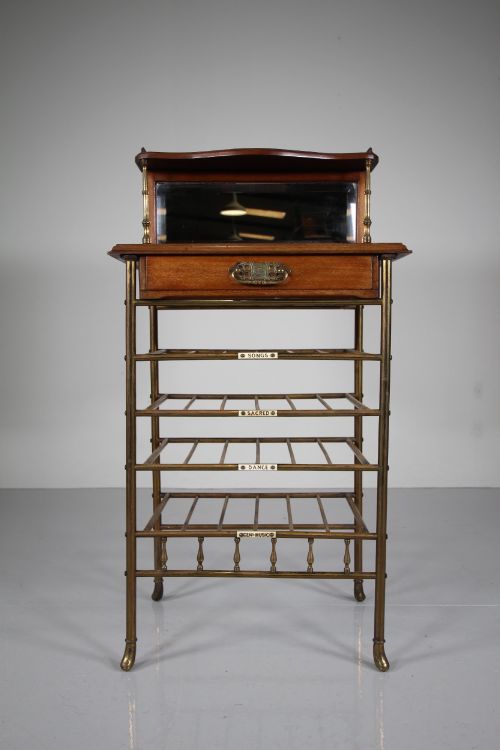
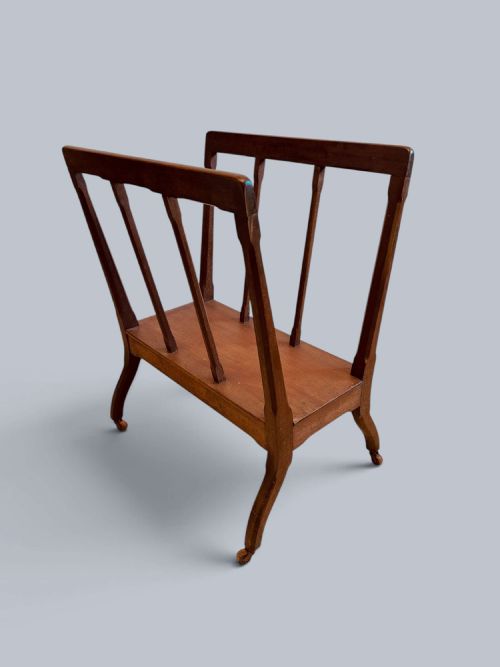
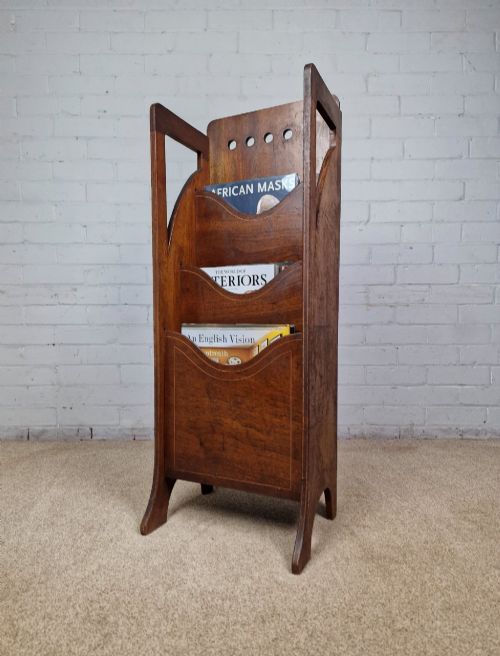
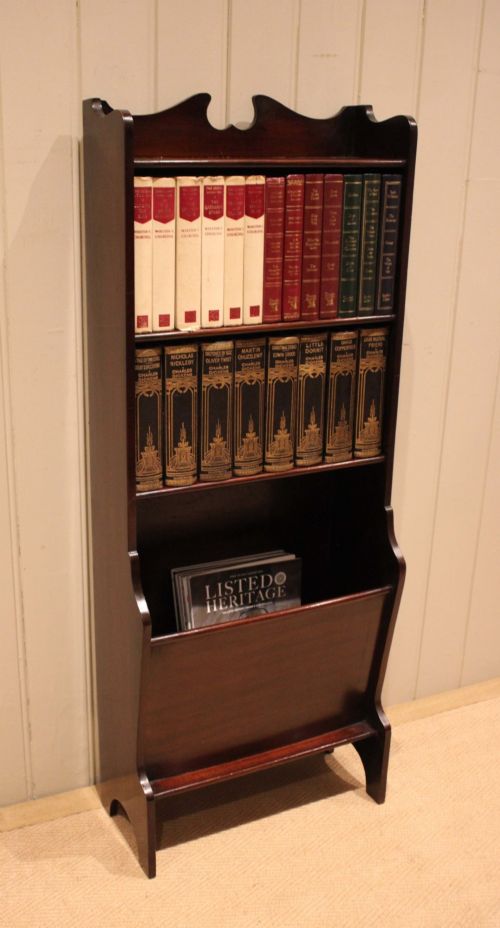
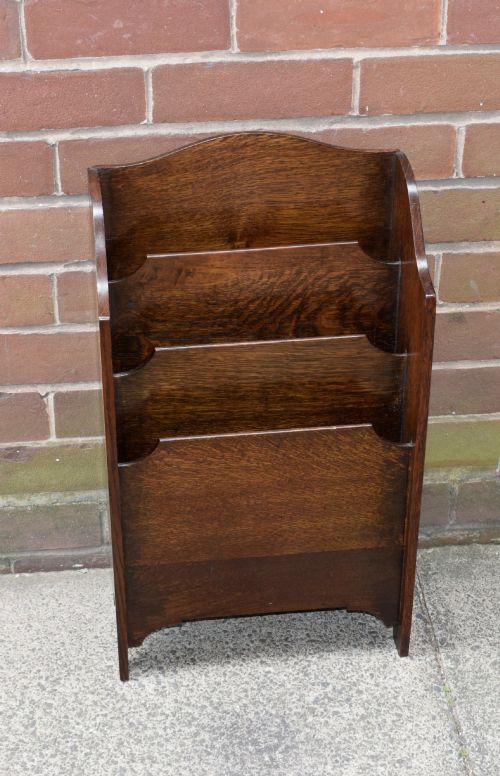
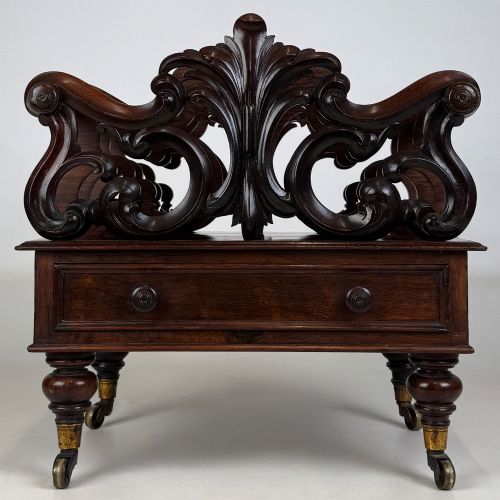
A vintage canterbury holder groups several distinct forms designed to hold folios, sheet music, newspapers and magazines in domestic rooms. Buyers searching this phrase meet pieces originating from the George III period through the Edwardian era, spanning styles such as Regency, William IV, Victorian, and Arts and Crafts.
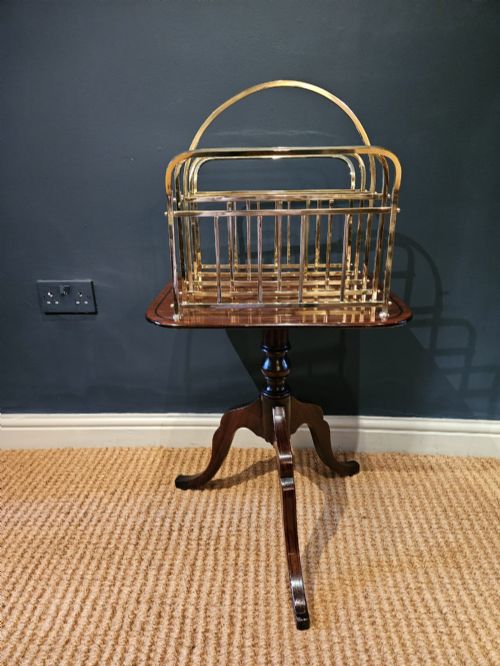
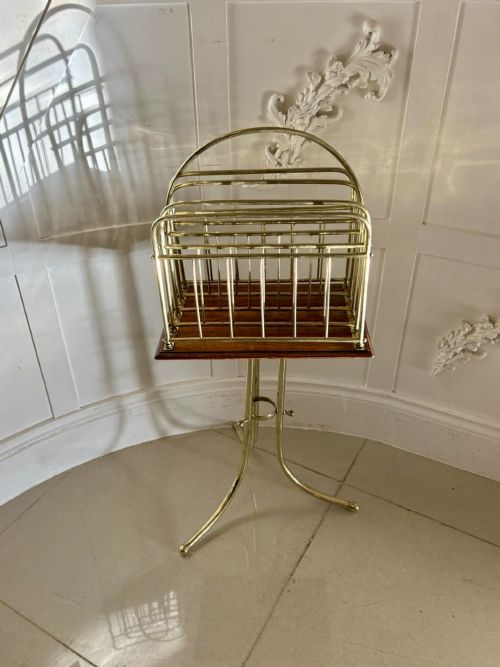
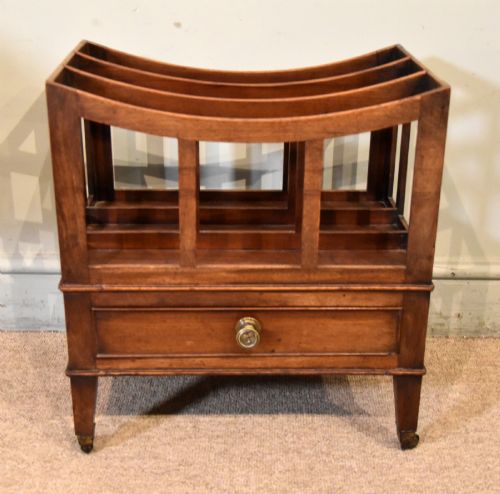
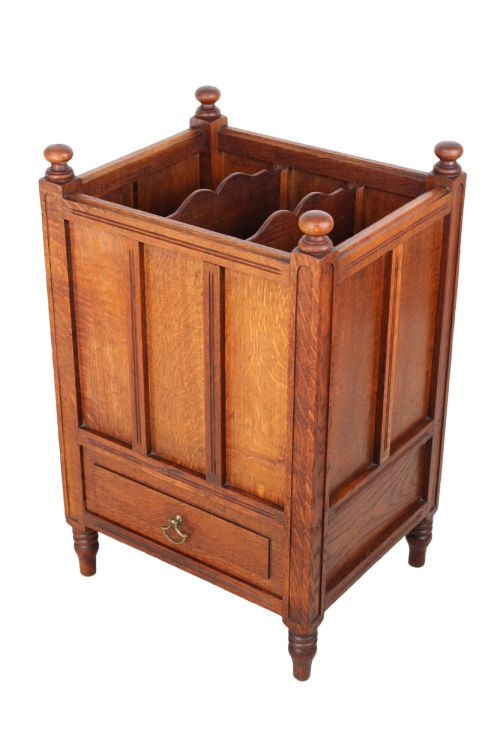
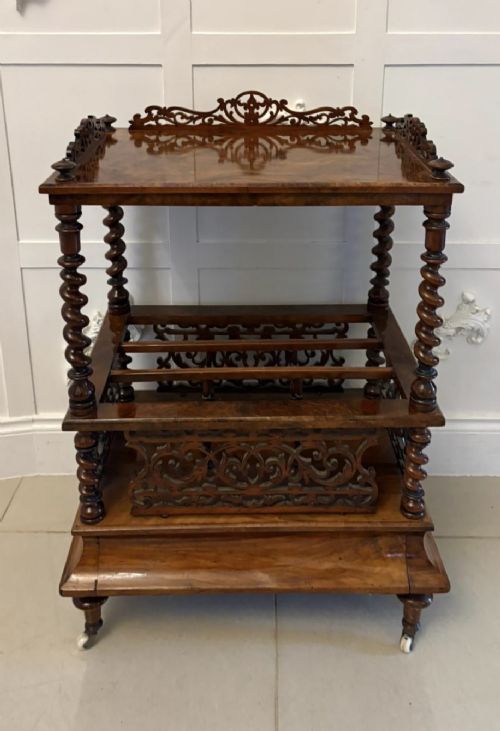
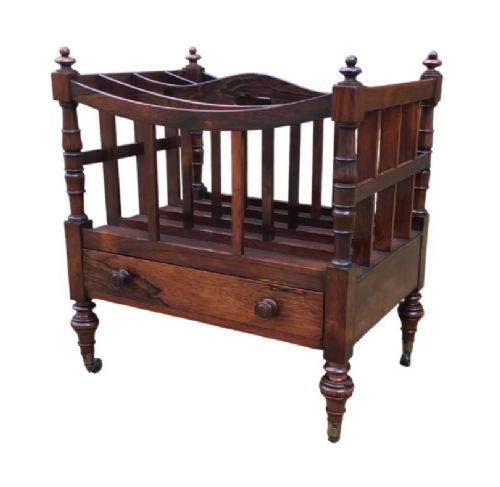
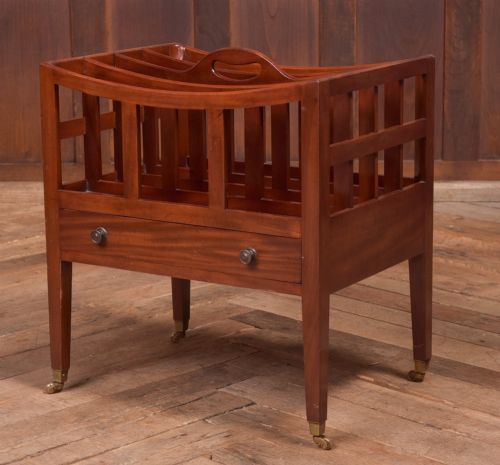
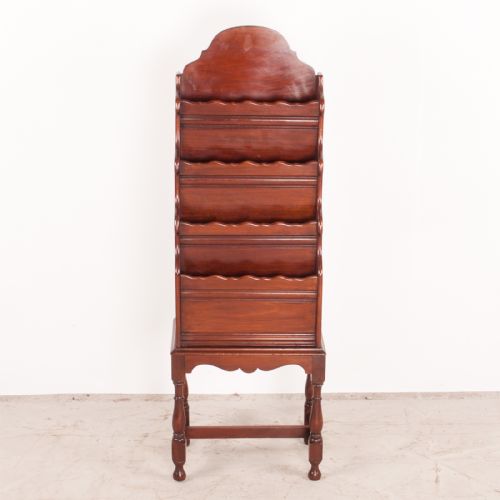
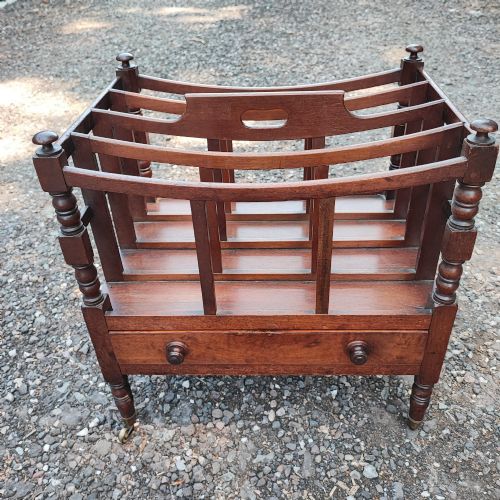
The primary forms on this page include traditional tiered canterburys with slatted dividers and a drawer below, alongside boat-shaped designs, revolving magazine stands, folio display stands, and occasional tables with integrated racks. Most examples utilise timbers like mahogany, rosewood, burr walnut, and oak, occasionally featuring boxwood inlay, brass mounts, or copper elements.
Origins vary from English country house pieces to French carved stands, with functional adaptations including metamorphic stands and compact music cabinets. These items bridge furniture and accessory roles, serving both dedicated music rooms and everyday sitting spaces.
How they were made
Cabinetmakers constructed these frames predominantly using solid hardwoods and veneers, selecting Cuban mahogany, rosewood, walnut, and oak for structural stability and rich grain figures. Slats and divisions were joined with traditional cabinetry joints to support the weight of heavy paper folios and bound volumes.
Decorative detailing relied on natural material contrasts and metalwork, incorporating boxwood inlay, carved details such as Prince of Wales feathers, brass framed elements, and copper accents. Many pieces incorporate turned legs fitted with castors to allow smooth movement across carpets and wooden floors.
Vintage Canterbury Holder Retail Price Guide 2026
Typical asking prices for vintage canterbury holder among the pieces listed under this phrase on Sellingantiques today, from the lower quarter to the upper quarter. They describe what is for sale here now, not the wider market.
Listings span the 18th, 19th, and early 20th centuries, recording forms in mahogany, rosewood, walnut, bamboo, and oak.
What varies in quality
Excellence in these stands rests upon the quality of timber selection, such as figured burr walnut or dense Cuban mahogany, matched with crispness in carved details and inlay work. Superior examples demonstrate meticulous joinery in the slatted divisions and smooth operation in any integrated drawers or pivoting mechanisms.
Proportion and scale distinguish finer workshops from simpler output, where balanced turnings, elegant leg forms, and thoughtful brass castors elevate the piece. The integration of functional elements, like lower drawers for sheet music or metamorphic folding actions, marks higher levels of period craftsmanship.
Finnigans
The Vintage Canterbury Holder Glossary
- Canterbury
- A low stand with upright divisions for holding sheet music, folios, or periodicals, often fitted with a small drawer underneath. Originating in the late 18th century, the form takes its name from the Archbishop of Canterbury who commissioned the first such rack.
- Folio Stand
- A larger display stand designed to hold loose prints, maps, or large bound volumes upright or on an adjustable slant. These pieces typically feature sturdy wooden framing and substantial base supports.
- Metamorphic
- Furniture designed to transform or fold into alternative configurations for different domestic uses. In this category, stands incorporate folding mechanisms or multi-purpose surfaces.
- Boat Shaped
- A curved frame design popular during the Regency period, where the sides sweep upward in a profile resembling a boat hull. This silhouette softens the linear rigidity of standard compartmentalised racks.
- Aesthetic Movement
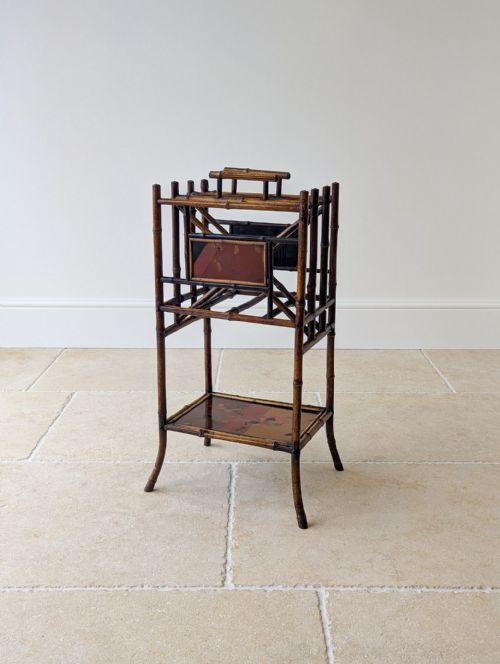
- A late 19th-century design style that emphasised decorative arts for their own sake, often utilising bamboo framing and oriental motifs. Pieces from this movement display lighter structures and unconventional materials.
Vintage Canterbury Holder: Frequently Asked Questions
What is a vintage canterbury holder used for?
These pieces were originally built to store sheet music, unbound books, and folios beside a piano or seating area. Today they function equally well for organising contemporary magazines, newspapers, and vinyl records.
The vertical divisions keep paper goods upright and sorted, preventing them from slumping or creasing while remaining instantly accessible.
Are these stands sturdy enough for daily use?
Period frames are constructed from solid hardwoods like oak and mahogany, making them robust enough for regular handling of magazines and heavy folios. The structural integrity relies on traditional joinery within the slatted dividers.
Care should be taken when moving larger stands, particularly those fitted with original castors, to avoid straining the lower frame connections.
Where should I place a canterbury in a room?
These compact stands suit placement beside armchairs, sofas, or alongside a desk where reading material accumulates. Freestanding models look best positioned where all sides can be appreciated.
Because many examples feature finished backs and elegant turned legs, they sit comfortably away from walls in the centre of a room.