







Vintage Caned Bench
A vintage caned bench offers woven seating that brings lightness to a room through traditional craftsmanship.
Vintage Caned Bench
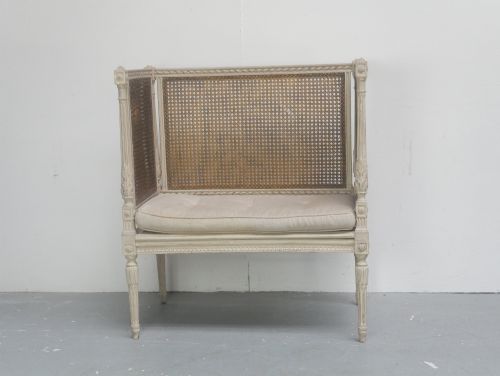
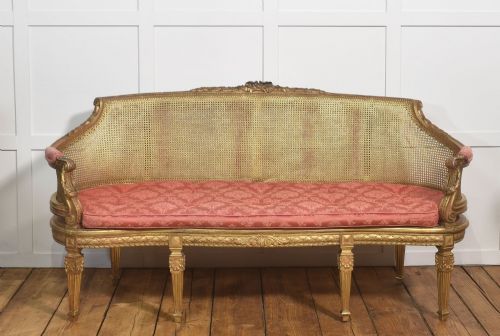
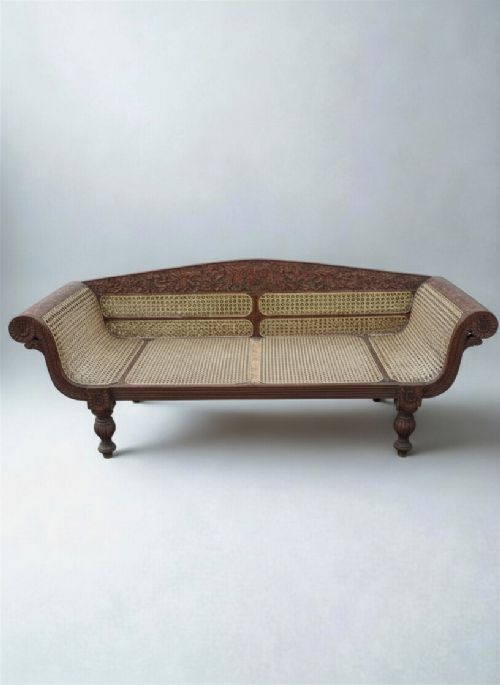
When you search for a vintage caned bench, you find seating forms spanning daybeds, settees, sofas, window seats, and stools. The selection ranges from nineteenth-century Anglo-Indian daybeds to early twentieth-century French Louis XVI style painted cane day beds and bergère sofas.
The common thread across these listings is a combination of timber frames and woven cane panels. You will frequently encounter styles drawing on French eighteenth-century revival tastes alongside campaign and colonial designs.
Forms vary from long stools and footstools to substantial loveseats and daybeds suited for lounging. The woodwork includes painted finishes, ebonised surfaces, mahogany, walnut, oak, and beech.
How they were made
The construction relies on sturdy wooden frames shaped in styles from Regency to Edwardian periods, utilising timbers such as mahogany, walnut, beech, and oak. Frames are frequently carved, painted, or gilded to reflect specific historical revivals.
Cane work forms the seat or back panels, woven tightly through drilled holes or channels in the wooden framework. Brass hardware and fabric upholstery occasionally complement the timber and cane elements on specific daybeds and settees.
Vintage Caned Bench Retail Price Guide 2026
Typical asking prices for vintage caned bench among the pieces listed under this phrase on Sellingantiques today, from the lower quarter to the upper quarter. They describe what is for sale here now, not the wider market.
Materials across these listings include cane, beech, walnut, fabric, paint, mahogany, painted wood, and brass.
What varies in quality
Quality depends upon the crispness of the timber carving and the integrity of the structural joinery within the frame. Finer examples display balanced proportions, clean lines in revival styles, and carefully selected hardwoods.
The execution of the cane work dictates the refinement of the piece, with tight, even weaves representing superior craftsmanship. The application of surface finishes, whether original paint, ebonisation, or polished mahogany, further separates standard pieces from exceptional ones.
The Vintage Caned Bench Glossary
- Bergère
- An enclosed upholstered armchair or sofa with wooden frames and typically caned sides or backs. This French seating form gained popularity in various revival styles.
- Canapé
- A French term for an upholstered sofa or settee, often featuring exposed carved woodwork and caned panels.
- Daybed
- A long seat designed for reclining, combining the functions of a chair and a bed with integrated headboards or backrests.
- Ebonised
- Timber treated with a finish to imitate expensive ebony wood. This dark surface treatment appears frequently on nineteenth-century frames.
- Giltwood
- Wood that has been coated with gold leaf or a gold-coloured finish. It provides decorative brilliance to formal period seating.
Vintage Caned Bench: Frequently Asked Questions
What is a caned bench?
A caned bench is a piece of seating furniture featuring panels woven from rattan or cane integrated into a wooden frame. These items range from small footstools to full daybeds and settees.
They combine structural timber support with the flexibility and light appearance of woven plant materials. This construction creates breathable seating suited for warmer climates or formal drawing rooms.
How do I date a caned bench?
Dating relies on examining the timber species, construction techniques, and stylistic revival cues. Pieces often reflect nineteenth-century aesthetic movements or early twentieth-century interpretations.
Look at the tooling on the wood and the method used to attach the cane to the frame. Earlier examples often show hand-drilled holes, while later pieces may use pre-woven cane pressed into grooves.
Where should I place a settee?
A settee works well in hallways, at the foot of a bed, or as a lighter alternative to a heavy sofa in a living room. Their open woven backs allow light to pass through.
Positioning them away from direct heat sources helps preserve the natural moisture in the cane panels. This placement prevents the woven material from becoming brittle over time.
How do I maintain cane furniture?
Maintaining cane involves keeping the woven material clean and occasionally hydrating it with a damp cloth to maintain flexibility. Avoid placing these items in overly dry environments.
Checking the tension of the weave ensures that the cane supports weight evenly across the seat or backrest. Gentle dusting prevents grit from settling into the natural fibres of the weave.