


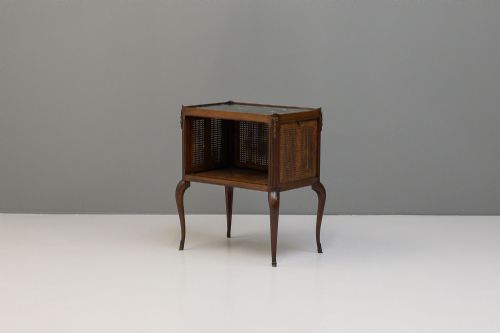


Vintage Cane Top Table
A vintage cane top table brings organic texture and practical surface space to a room, spanning French provincial designs to British bamboo creations.
Vintage Cane Top Table
When you search for a vintage cane top table, you find a diverse selection of occasional furniture, side tables, and coffee tables produced across the nineteenth and twentieth centuries. These pieces combine traditional wooden frameworks with woven seating or shelving materials like cane, rattan, and canework.
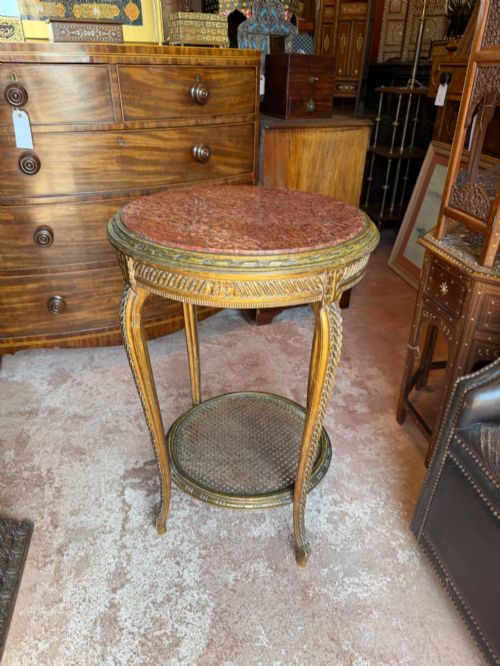
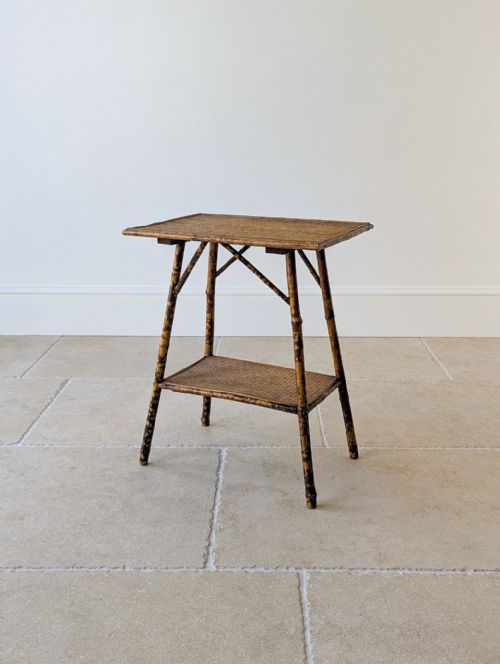
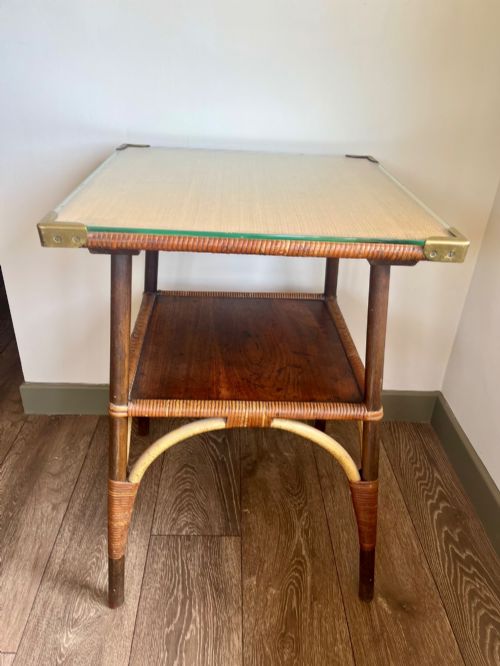
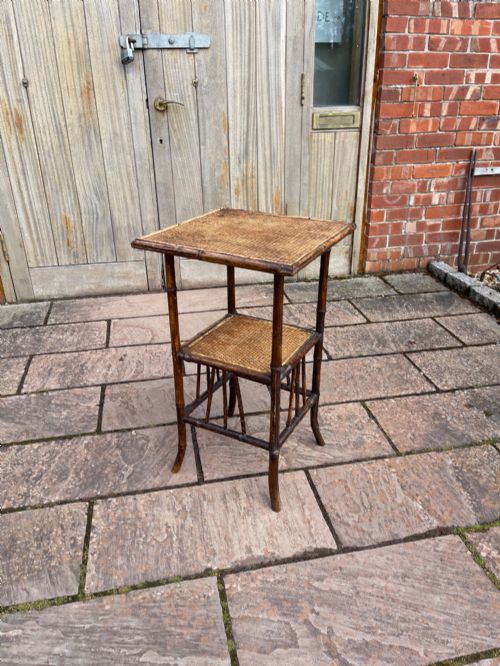
The most common versions encountered on this page include Victorian bamboo pieces, Edwardian mahogany designs, and French styles featuring intricate carved woodwork. Forms range from compact bedside tables and square stools to two-tier etageres and multi-functional window seats that double as coffee tables.
Origins span British and French workshops, utilising periods from the Victorian era through the nineteen-thirties. Buyers often encounter pieces incorporating marble inserts alongside woven panels, demonstrating a mix of robust structural timber and delicate surface detail.
Materials and construction
Makers utilised a variety of hardwoods such as mahogany and oak alongside exotic materials like bamboo to build sturdy structural frames. Joinery methods varied from traditional carved woodwork to bent bamboo framing, providing the necessary support for inset marble slabs and woven surfaces.
Canework, cane, and rattan were painstakingly woven by hand into open mesh patterns to form lower shelves or table tops. Additional decorative elements included brass fittings and hand-painted finishes applied to French provincial and Regency style frames.
Listings feature pieces spanning the nineteenth century, Victorian period, Edwardian era, and the nineteen-thirties.
Assessing quality in construction
The distinction between standard examples and finer pieces lies in the tightness and regularity of the hand-woven cane or rattan panels. Superior items feature undamaged, evenly tensioned weaves integrated seamlessly into rebated wooden frames without loose strands.
Framework execution also dictates overall merit, separating simple utilitarian bamboo items from finely carved French hardwood tables with integrated marble tops and brass details. The integration of secondary materials like glass or marble alongside timber demonstrates greater workshop ambition.
The Vintage Cane Top Table Glossary
- Cane
- The outer skin of the rattan palm, split and woven into flat mesh surfaces for furniture panels. It provides a flexible yet resilient top or shelf.
- Rattan
- A climbing palm species with strong, pliable stems utilised for framing and weaving in historic occasional tables. It bends readily when steamed.
- Gueridon
- A small French round table supported by one or more central columns or three legs. These frequently appear with decorative marble and canework tiers.
- Etagere
- A piece of furniture consisting of a set of open shelves for displaying objects. Examples often incorporate lower caned tiers and marble surfaces.
Vintage Cane Top Table: Frequently Asked Questions
How do I clean a cane top?
Dust the woven surface regularly with a soft brush to prevent dirt accumulation in the interstices. You can occasionally wipe the cane with a damp cloth, ensuring it dries completely to maintain material elasticity.
Avoid soaking the natural fibres in water, which causes brittleness and snapping. Conditioning oils are generally unnecessary unless the environment is exceptionally dry.
Can these tables hold heavy items?
Most occasional tables and side pieces suit lamps, books, and small decorative objects rather than heavy loads. Versions featuring solid mahogany or marble tops offer greater weight capacity than purely woven or bamboo variants.
Consider the under-framing and the tension of the woven panel before placing substantial items on the surface. Distributing weight evenly prevents sagging in older cane work.
How do I date a bamboo table?
Examine the fixings, finish, and overall construction methods to determine the age of a bamboo piece. Victorian examples often display darker shellac finishes and traditional metal screws or wooden pegs.
Compare the style of any woven cane panels with documented furniture from the late nineteenth century. Signs of hand-working on the bamboo joints indicate earlier production dates.
Where does French style differ?
French designs from the nineteenth century frequently incorporate carved wood, painted finishes, and inset marble alongside canework. They lean towards decorative elegance in forms such as gueridons and window seats.
British equivalents tend to focus on bamboo and mahogany materials with simpler structural profiles. Both traditions utilise woven surfaces to introduce lightness and texture.