




Vintage Candle Desk Lamp
A vintage candle desk lamp brings authentic period lighting to a workspace, offering adjustable illumination and classic metalwork that elevates any writing table.
Vintage Candle Desk Lamp
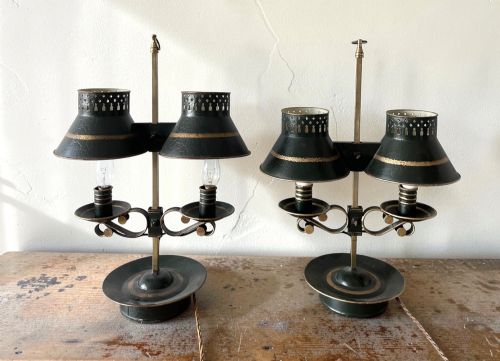
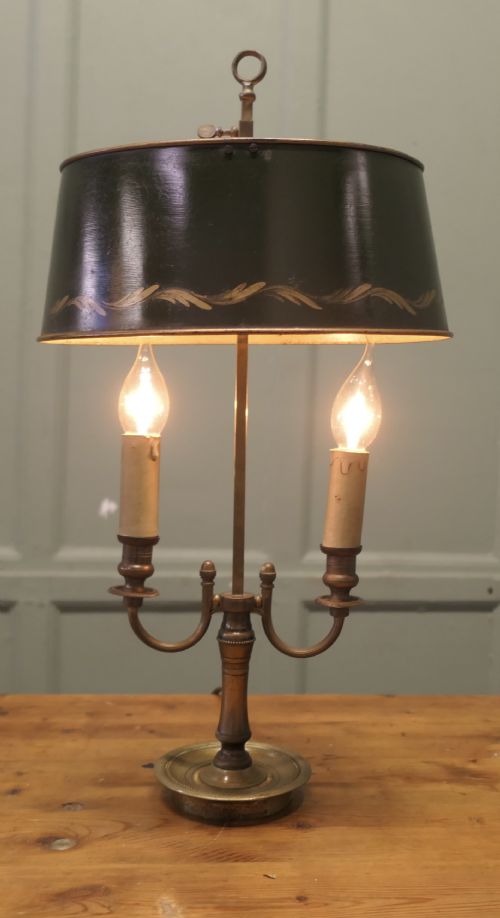
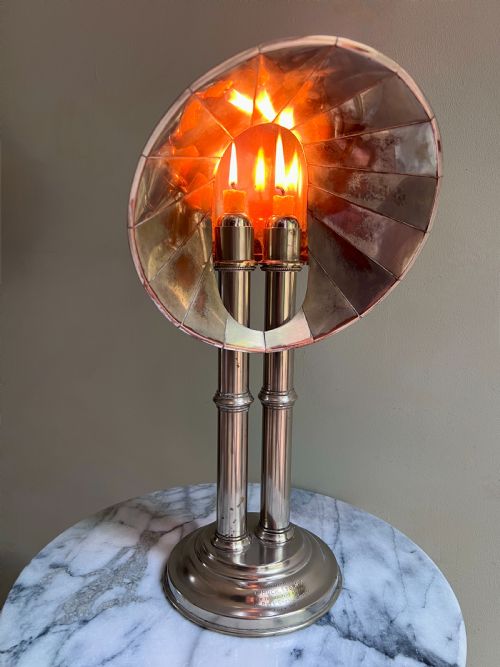
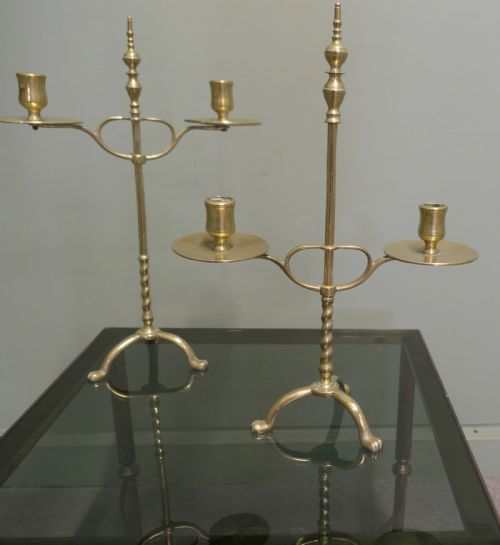
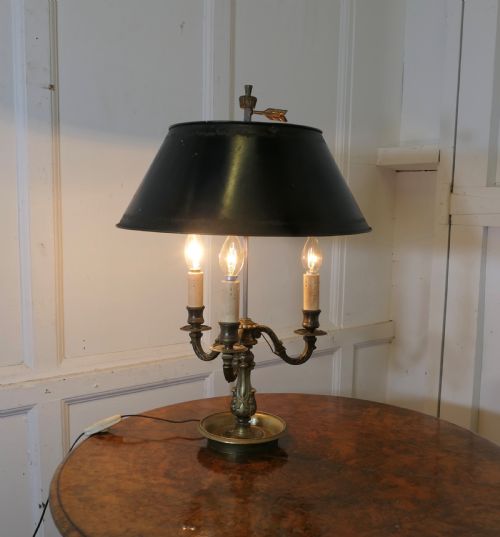
When you search for a vintage candle desk lamp, you encounter a specialised selection of nineteenth and early twentieth-century lighting forms designed for reading and writing. The pieces range from French toleware bouillotte styles to student lights and scientific microscope shades.
You are most likely to meet brass and toleware constructions from the Victorian and Edwardian eras, particularly French green and gold double or triple burner designs. These functional objects combine traditional candleholders with adjustable reflectors or shades to direct light onto the desk surface.
Materials and construction methods
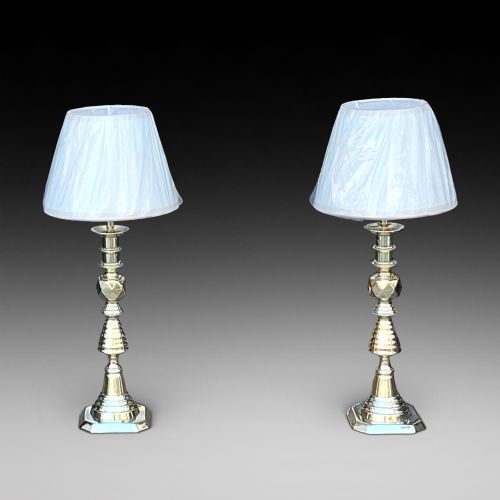
The pieces rely heavily on cast and spun brass, painted toleware, and silver plate over base metals. Artisans shaped metal shades and tubes, incorporating weighted bases and adjustable arms to hold candles securely while directing the beam.
Makers utilised gilt bronze, ormolu, and nickel plating on specific scientific and travelling reading models. Fabric, velvet, and leather occasionally trim the components, while specialised mechanisms allow height adjustments and angle tilting.
Vintage Candle Desk Lamp Retail Price Guide 2026
Typical asking prices for vintage candle desk lamp among the pieces listed under this phrase on Sellingantiques today, from the lower quarter to the upper quarter. They describe what is for sale here now, not the wider market.
One listed Victorian microscopy shade comes complete in its original case by M Pillischer of London, ready for tiny discoveries.
Factors of craftsmanship and execution
The refinement of the casting and the thickness of the brass or bronze determine the structural integrity of each light. Superior examples feature crisp surface chasing, substantial metal weight, and intact original painted finishes on the toleware shades.
The presence of original implements, inscribed dates, and maker markings elevates the historical interest of the object. High-end pieces demonstrate precise mechanical joints in their adjustable arms and balanced proportions across multi-branch designs.
M Pillischer of London·Veritas Lamp Works
The Vintage Candle Desk Lamp Glossary
- Bouillotte lamp
- A traditional French desk lamp featuring a central candle or electric light fitted with an adjustable toleware shade that moves up and down a central column.
- Toleware
- Enamelled or painted sheet metal items, often finished in dark green or black with gilt decoration, frequently utilised for lamp shades.
- Ormolu
- Gilded bronze or brass ornamentation applied to decorative objects, popular in French Empire and neoclassical furniture and lighting.
- Student lamp
- A nineteenth-century adjustable reading lamp designed with one or more arms to extend light directly over a desk or book.
- Silver plate
- A thin layer of silver applied to a base metal such as copper, brass, or nickel, used to achieve the appearance of solid silver.
Vintage Candle Desk Lamp: Frequently Asked Questions
What is a vintage candle desk lamp used for?
These lamps were originally designed to hold candles or burn fuel to provide direct task lighting for reading, writing, and close study at a desk.
Today, collectors use them as decorative accent pieces on writing tables or sideboards, where their adjustable metal shades and period patinas add historic character to a room.
How do I identify a Victorian student lamp?
Victorian student lamps typically feature solid brass or bronze construction with a heavy weighted base and single or double adjustable arms.
Look for nineteenth-century manufacturing traits such as hand-turned fittings, simple screw adjustments, and functional mechanisms designed for precise light positioning.
How do I care for antique metal desk lamps?
Maintain antique metal lamps by dusting them gently with a dry, soft cloth to protect the original finish, brass patina, or painted toleware surfaces.
Avoid using harsh chemical polishes or abrasive cleaners, which can strip away historic plating, lacquer, or aged patination built up over the decades.