


Vintage Candelabra Pair
A vintage candelabra pair brings balanced illumination and period presence to a mantelpiece, dining table or wall.
Vintage Candelabra Pair
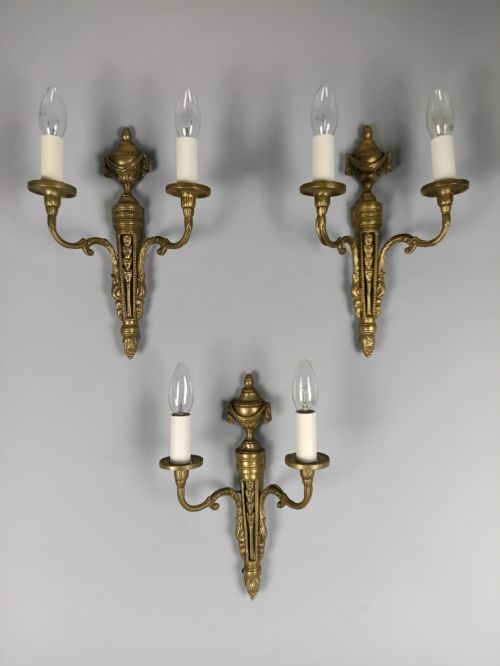
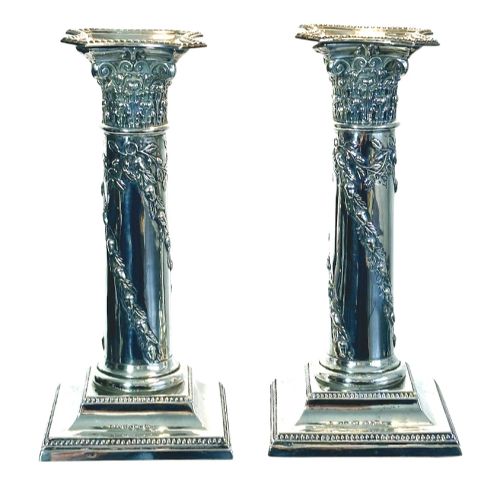
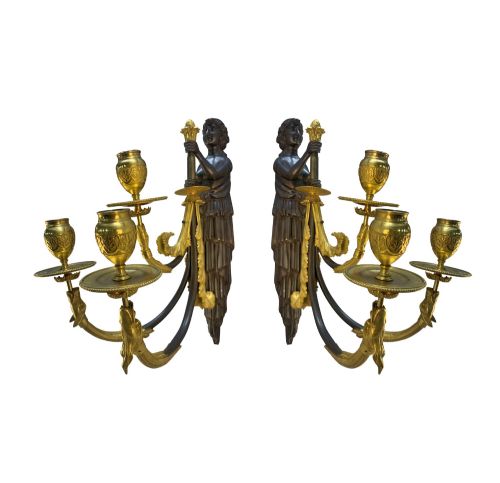
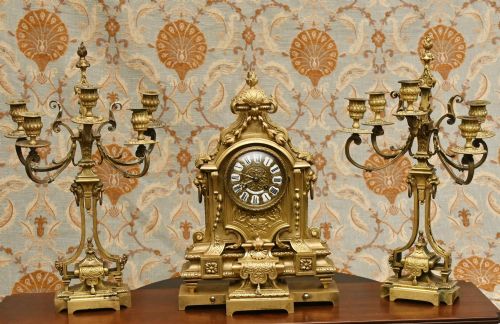
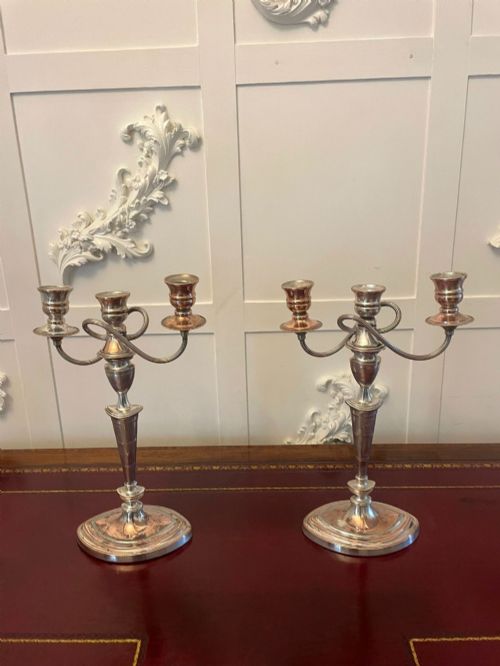
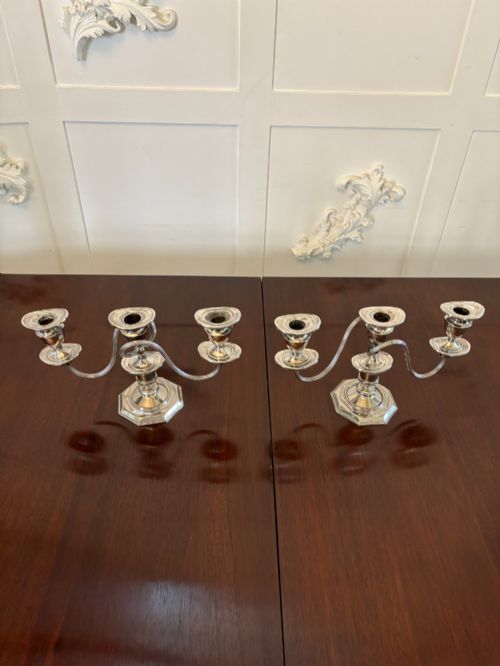
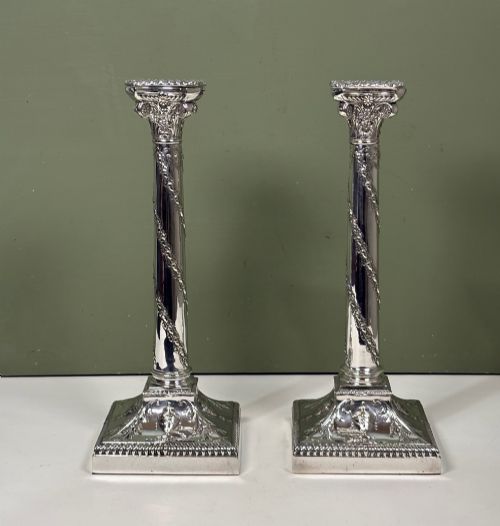
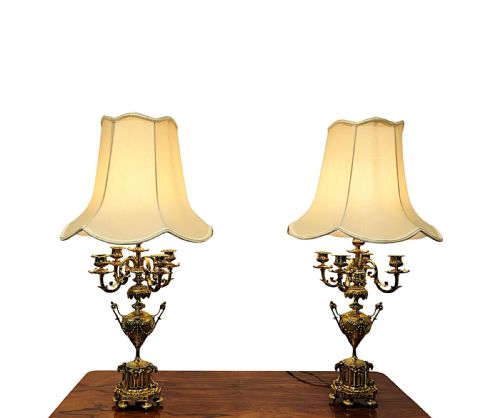
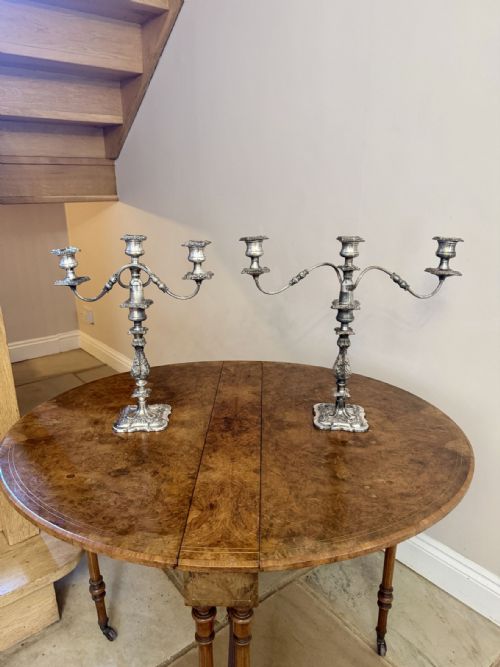
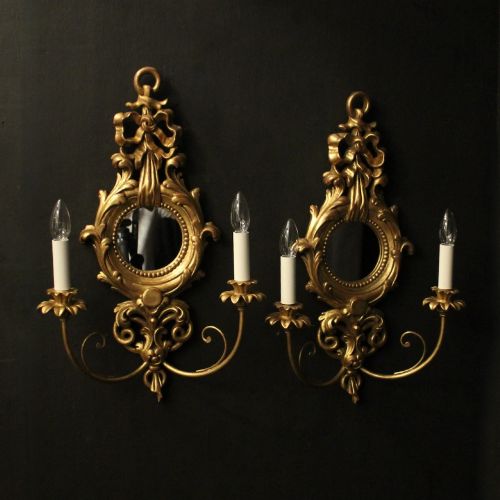
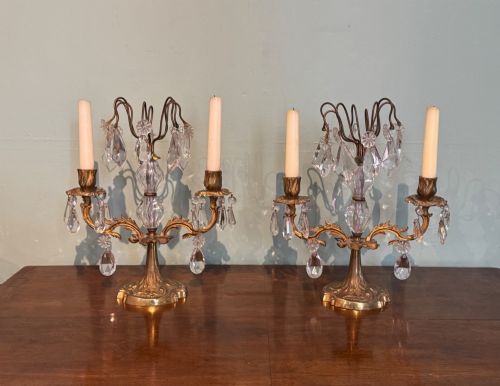
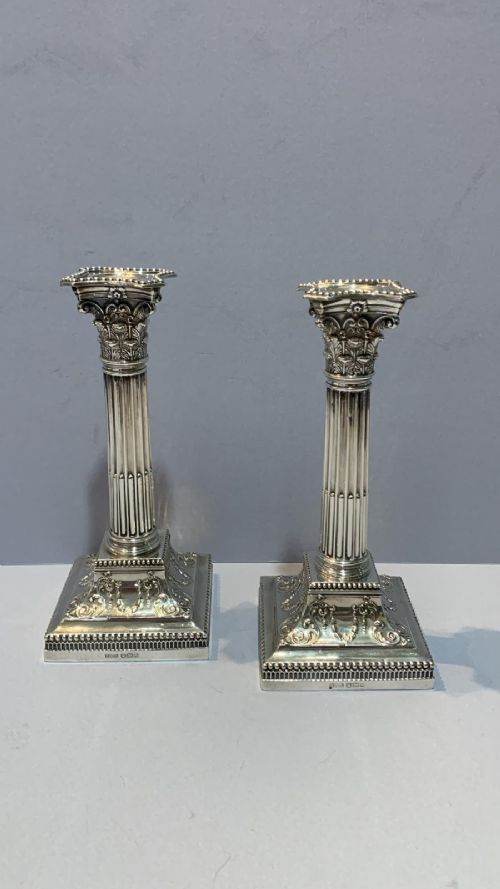
A vintage candelabra pair consists of two matching multi-branch candleholders designed to stand symmetrically in a room. When you search for a vintage candelabra pair, you encounter branched table stands, wall lights, and girandoles spanning the nineteenth century through the interwar decades.
The selections on this page draw heavily from Victorian and Edwardian manufacturing centres, alongside French and Italian ateliers. Forms range from simple Arts and Crafts student lights to ornate Rococo Revival and Neoclassical branch pieces.
Most examples function primarily with candles, though period conversions to electricity also appear in brass and bronze. Buyers typically choose these matched sets for formal dining settings or to anchor a fireplace mantel with historical metalwork.
Materials and construction methods
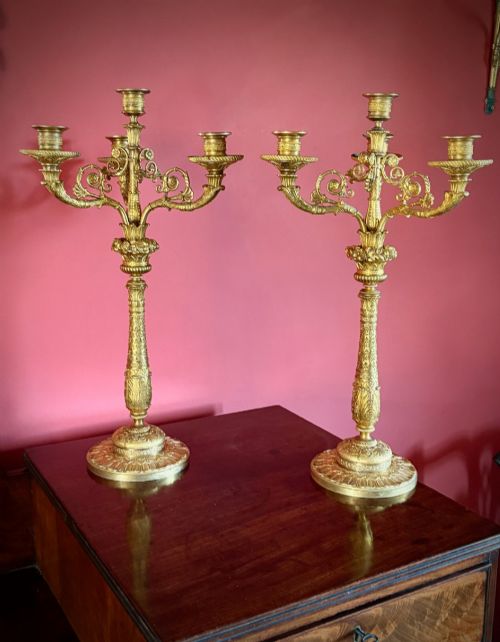
Metal forms rely on brass, bronze, and copper alloys shaped through casting and chasing, often finished with fire gilding or ormolu. Silver plate and sterling silver provide reflective surfaces over base metal cores or solid structures.
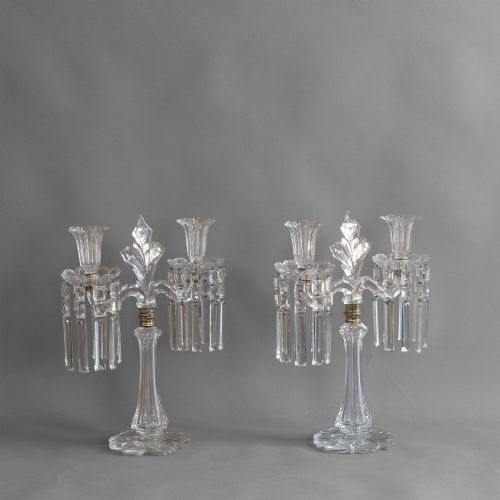
Glass and crystal components are moulded, cut, or frosted to catch the candlelight, frequently paired with marble bases or giltwood wall brackets. Articulated joints and adjustable arms utilise secure mechanical pins and screws.
Vintage Candelabra Pair Retail Price Guide 2026
Typical asking prices for vintage candelabra pair among the pieces listed under this phrase on Sellingantiques today, from the lower quarter to the upper quarter. They describe what is for sale here now, not the wider market.
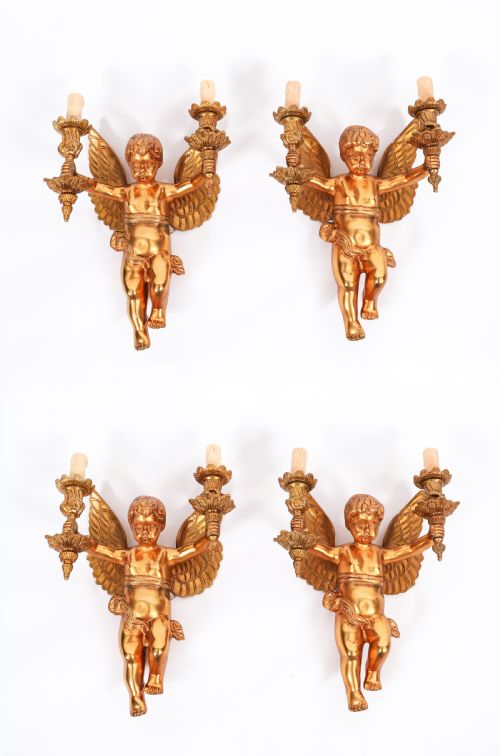
Several Victorian pairs include watchful cherubs holding aloft heavy branches, ensuring your dining table is monitored by tiny metallic angels.
Distinctions in quality and execution
The division between standard production and superior work rests on the crispness of the casting and hand-chasing. Finer pieces retain sharp relief in scrollwork and figural details, whereas simpler items show softer edges from worn moulds.
Weight and structural integration mark the standard of construction. Quality sets employ heavy gauge metals and stable bases that prevent wobbling when fully loaded with branches, while lesser examples feel light and joined with visible seams.
Wm. Tonks & Sons·R Lalique·Liberty
The Vintage Candelabra Pair Glossary
- Ormolu
- Gilded bronze produced through mercury amalgamation or modern electroplating methods. This finish yields a deep golden lustre found on nineteenth-century French and English pieces.
- Girandole
- A branched wall-mounted light fitted with a reflective backplate. The reflective surface multiplies the candle illumination within the room.
- Sheffield Plate
- An early composite material made by fusing a thin sheet of silver to a thicker copper base. It is typical of Georgian and early Victorian manufacturing before electroplating took over.
- Champlevé
- An enamelling technique where troughs are dug into a metal surface and filled with vitreous paste before firing. It appears frequently on nineteenth-century decorative candlesticks.
- Lustre
- A table ornament or candleholder hung with cut glass prisms. The pendants refract light as the candles burn.
Vintage Candelabra Pair: Frequently Asked Questions
How do I clean tarnished brass and bronze?
Gentle dusting with a soft brush removes surface debris without harming the underlying metal or gilt finish.
Avoid abrasive chemical dips that strip historic patina, opting instead for mild soapy water and thorough drying.
Can electric conversions be reversed?
Many conversions retain the original candle sockets and hollow stems, allowing a qualified electrician to remove wiring.
Inspect the internal channels before purchase to confirm whether original components remain intact beneath the modifications.
How do I tell Victorian from Edwardian pieces?
Victorian designs often favour heavy, ornate revival styles with deep relief casting and classical motifs.
Edwardian items tend toward lighter proportions, cleaner lines, and simpler geometric or neo-classical influences.