



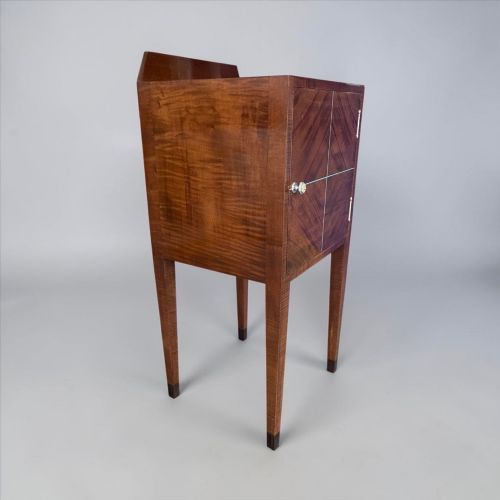
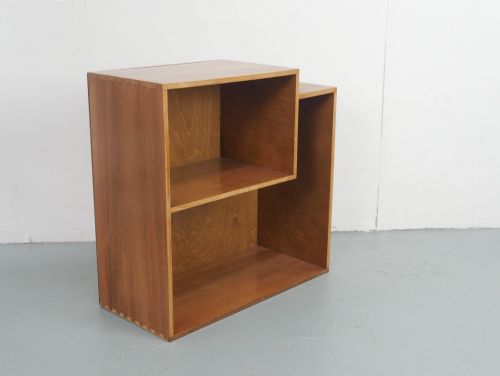
Vintage Cabinet Table
A vintage cabinet table brings functional storage and tabletop surface together, offering practical utility with period charm for the bedroom or sitting room.
Vintage Cabinet Table
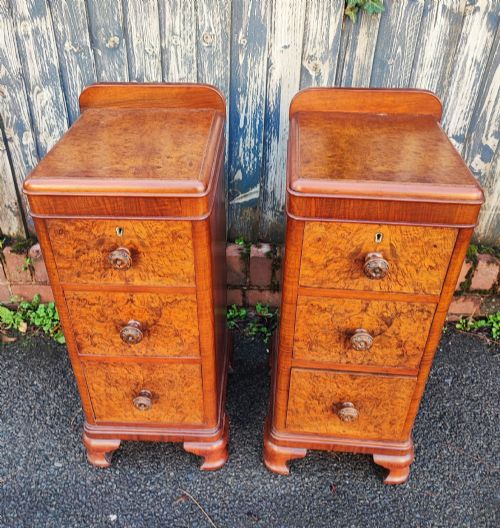
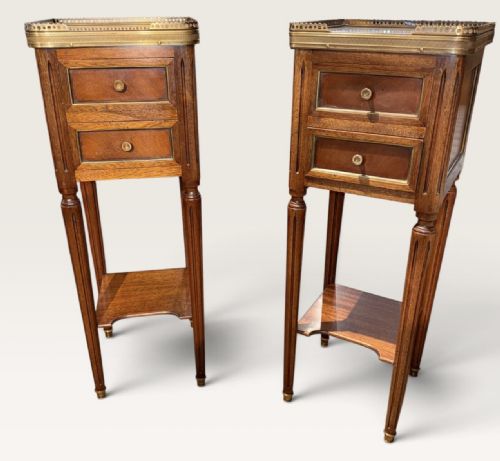
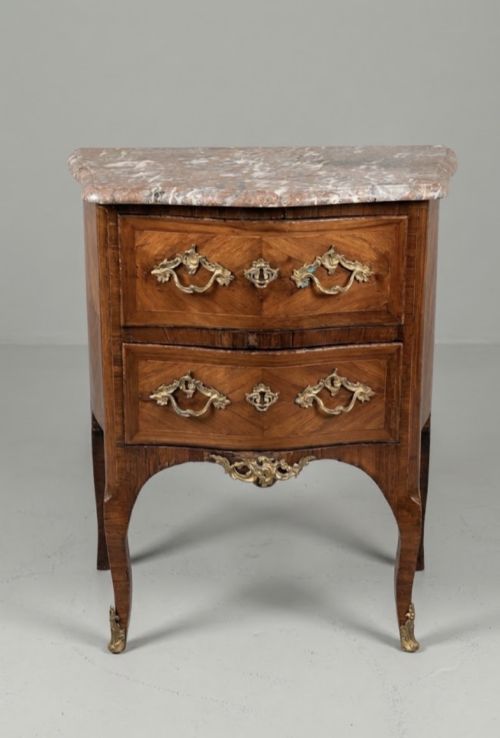
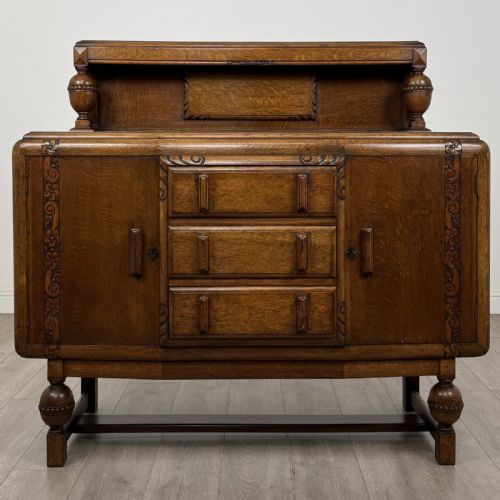
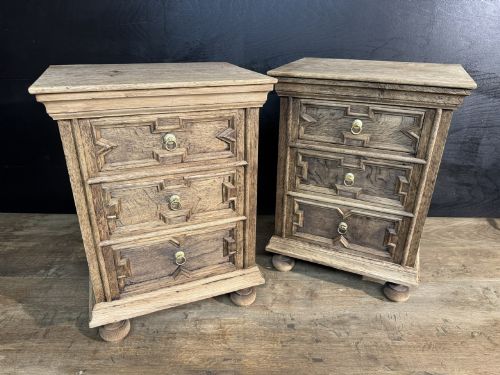
A vintage cabinet table merges enclosed storage with an accessible surface, serving primarily as bedside furniture or compact living room storage across various historical periods. The selection frequently includes pieces originating from the Edwardian era, the 1930s, and the 19th century.
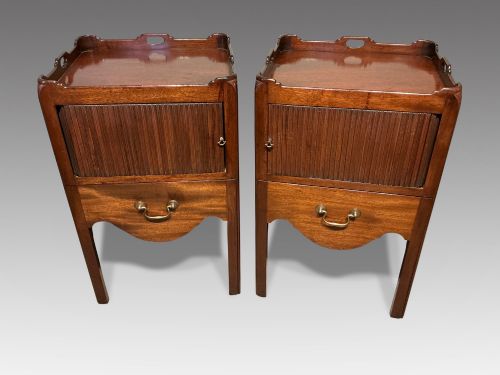
The form encompasses diverse configurations such as bedside chests, cupboards, night commodes, and occasional tables with integrated storage spaces. Common regional styles range from French provincial designs to English Georgian and Sheraton interpretations.
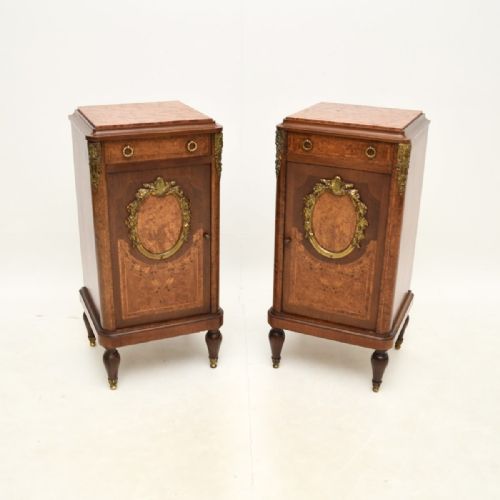
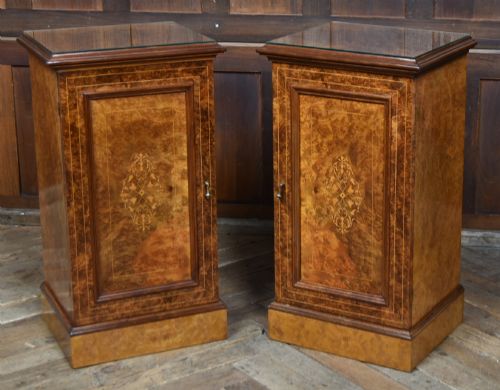
Makers and craftsmen adapted these forms using woods like mahogany, oak, walnut, and satinwood, often incorporating marble tops, fielded panels, or marquetry detailing. These pieces meet the modern demand for compact furniture that conceals clutter while providing a display surface.
Materials and construction methods
Cabinet tables rely heavily on hardwoods such as mahogany, oak, and walnut, supplemented by decorative veneers like burr walnut, kingwood, and satin birch. These timbers provide the structural integrity required for daily use as bedside or side storage.
Vintage Cabinet Table Retail Price Guide 2026
Typical asking prices for vintage cabinet table among the pieces listed under this phrase on Sellingantiques today, from the lower quarter to the upper quarter. They describe what is for sale here now, not the wider market.
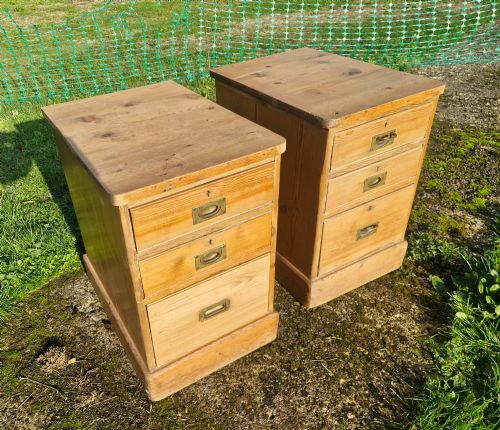
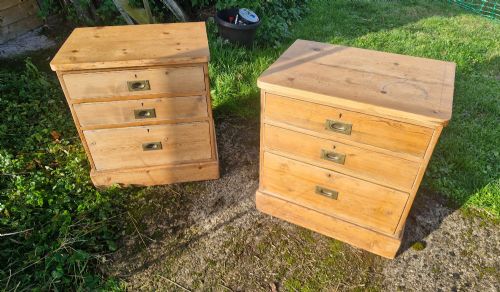
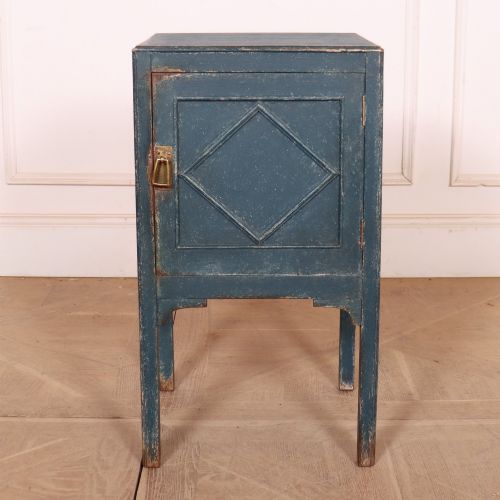
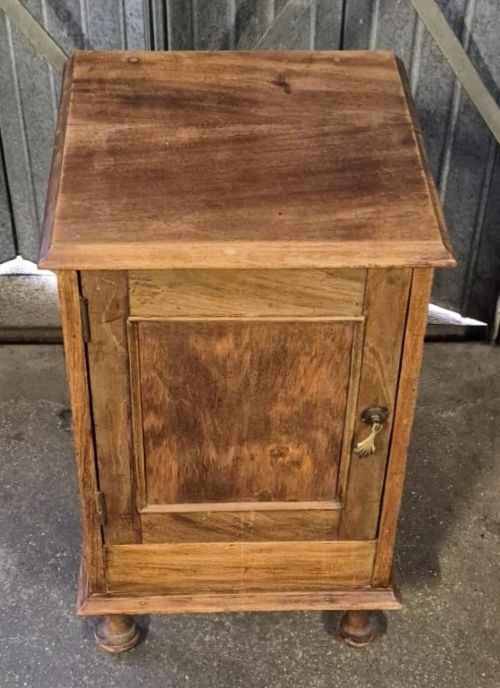
Listings feature cabinet tables spanning from the 18th century through to the 1930s, constructed in mahogany, oak, walnut, and painted pine.
Assessing quality and craftsmanship
Quality in a vintage cabinet table rests upon the selection of timber and the precision of the cabinetmaker's joinery rather than mere age. Superior examples display carefully matched wood grains, tight joints, and well-executed decorative elements such as marquetry or inlaid banding.
Flashman & Co
The Vintage Cabinet Table Glossary
- Bedside cabinet
- A small enclosed piece of furniture designed to sit beside a bed, typically featuring a cupboard door above or below a drawer.
- Marquetry
- Decorative veneer work arranged in intricate patterns or pictures using various coloured woods.
- Night commode
- A 19th-century cabinet form originally designed to house a chamber pot, often built with a tray top and enclosed cupboard space.
- Fielded panel
- A wooden panel with bevelled edges set into a frame, adding depth and structural stability to cabinet doors.
- Satin birch
- A pale, highly figured timber utilised in Scandinavian and European cabinet making to create a luminous surface finish.
Vintage Cabinet Table: Frequently Asked Questions
What is a vintage cabinet table used for?
These pieces function primarily as bedside tables or compact side cabinets, providing a closed storage compartment alongside a top surface for lamps or books.
They suit smaller rooms where floor space is at a premium and discreet storage is required.
How do I identify an Edwardian cabinet table?
Edwardian examples often feature light mahogany timbers paired with delicate stringing or floral inlay work. They reflect the refined decorative tastes prevalent around the start of the 20th century.
Proportions remain neat, and construction frequently employs traditional British cabinetmaking standards of the period.
Are marble top bedside cabinets French?
Many marble-topped bedside cabinets originate from France, particularly those dating from the 19th century and the 1930s. The stone top provided a hygienic, wipe-clean surface for holding water jugs and night-time necessities.
Parks of white or grey veined marble are typical of these continental pieces.
How do Art Deco cabinet tables differ?
Art Deco pieces from the 1930s favour clean geometric lines, smooth planes, and exotic wood veneers like satin birch or kingwood. Ornamentation relies on grain pattern and form rather than applied carving.
They bring a streamlined aesthetic that contrasts with the ornate details of earlier Victorian or Edwardian furniture.