

Vintage Cabinet Porcelain
These vintage cabinet porcelain pieces bring rich painted fruit, botanical studies and Imari motifs directly from display shelves into your home.
Vintage Cabinet Porcelain
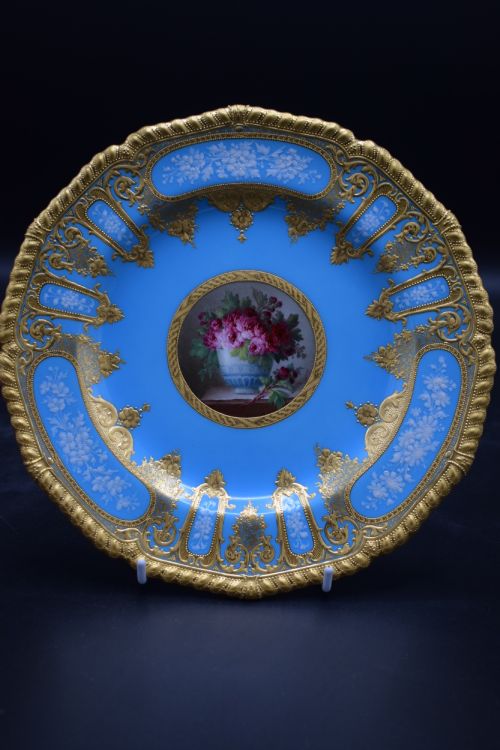
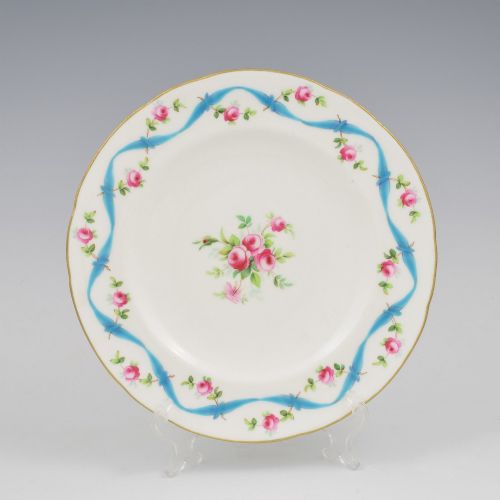
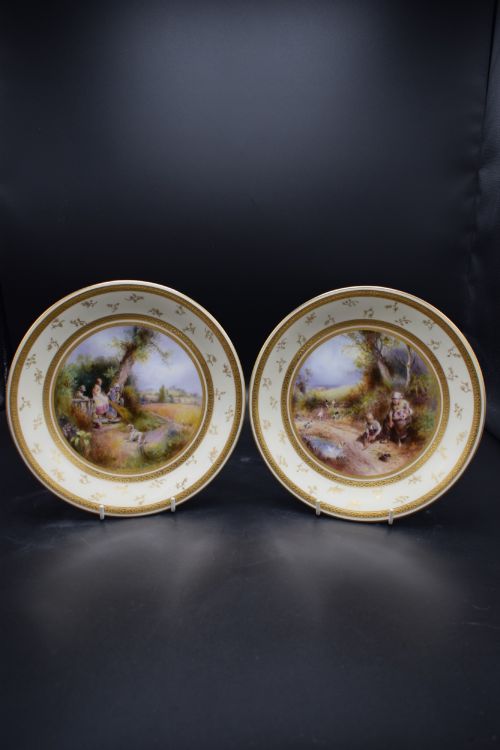
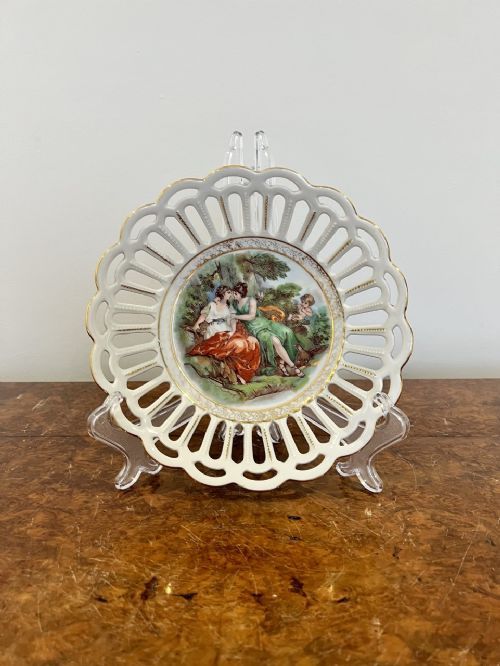
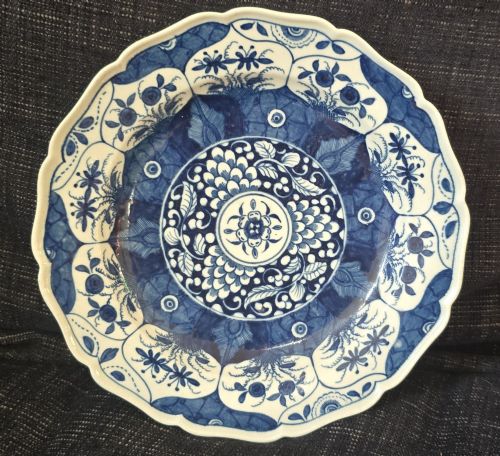
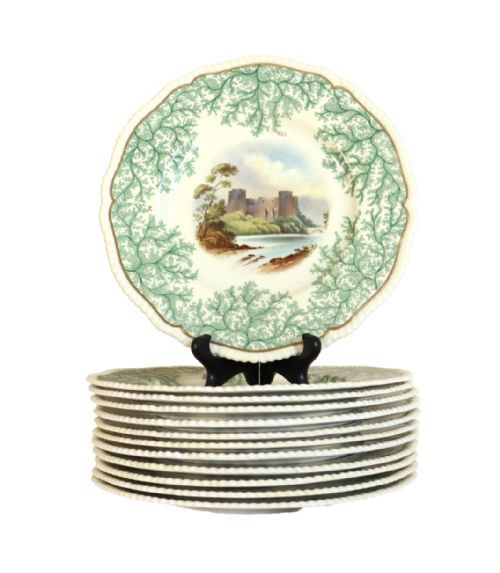
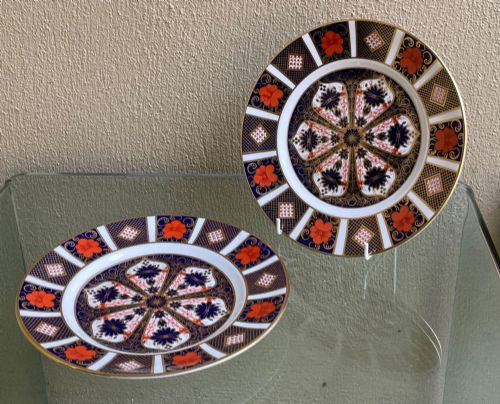
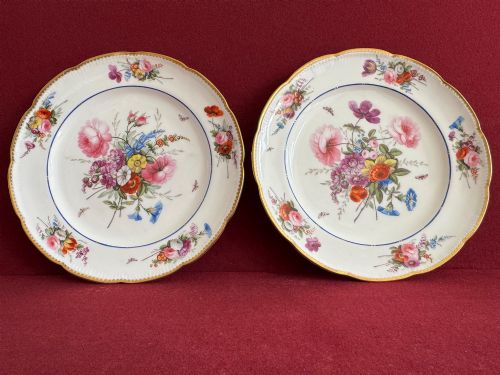
When you search for vintage cabinet porcelain, you encounter decorative plates, dishes, miniature vases and cups intended primarily for display rather than daily service. The inventory spans the nineteenth century through the mid twentieth century, drawing on factories from English makers like Royal Worcester and Derby to continental houses such as Meissen and Sèvres alongside Japanese Imari ware.
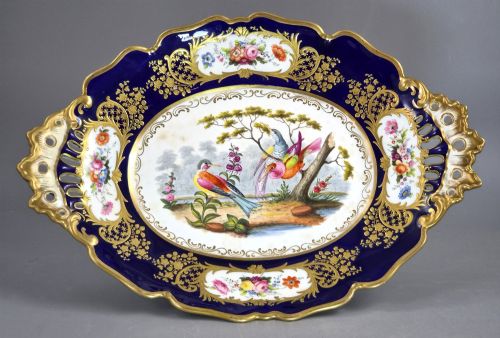
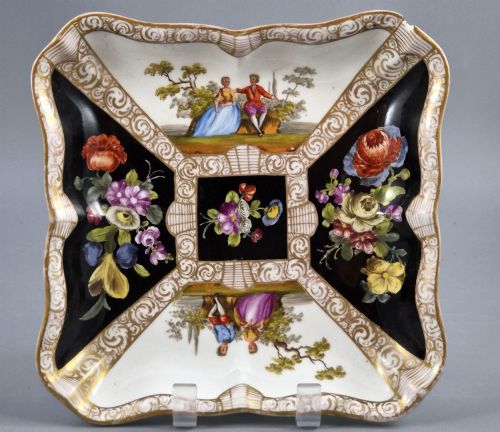
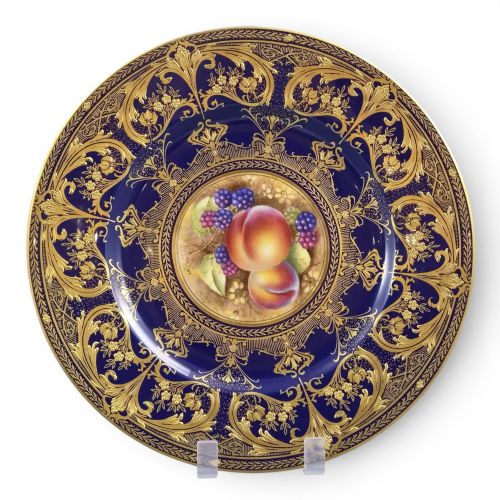
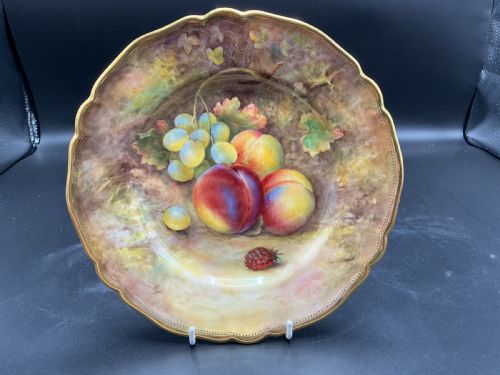
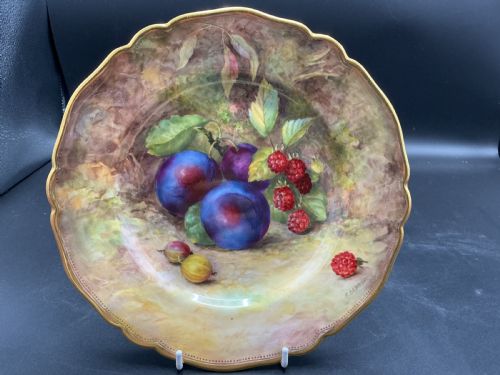
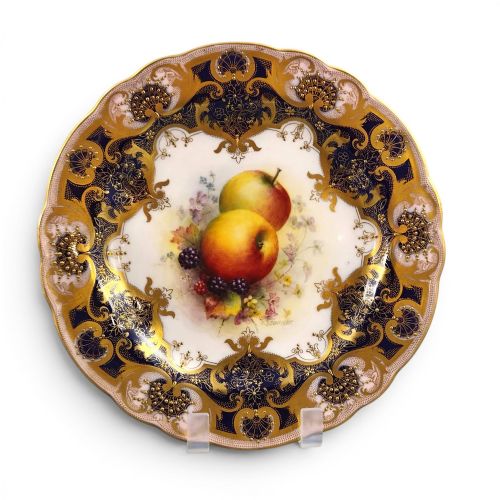
The dominant forms on this page are cabinet plates and dishes featuring hand painted scenes of fruit, birds and floral subjects. Makers designed these pieces to sit within glazed furniture or on sideboard ledges, showcasing the technical skill of individual painters rather than serving functional dining purposes.
How they were made
The body of these works relies on porcelain, bone china and hard paste porcelain, shaped into plates, dishes and small vessels before receiving initial glazes. Artisans then applied enamels, cobalt blue grounds and hand painted subjects, often incorporating gold leaf, gilding and gilt highlights.
Many of the finest plates and dishes returned to the kiln multiple times to set complex enamel colours and rich gilding. Painters signed their botanical or fruit compositions directly onto the porcelain surface, recording individual artistry on nineteenth and twentieth century pieces.
Vintage Cabinet Porcelain Retail Price Guide 2026
Typical asking prices for vintage cabinet porcelain among the pieces listed under this phrase on Sellingantiques today, from the lower quarter to the upper quarter. They describe what is for sale here now, not the wider market.
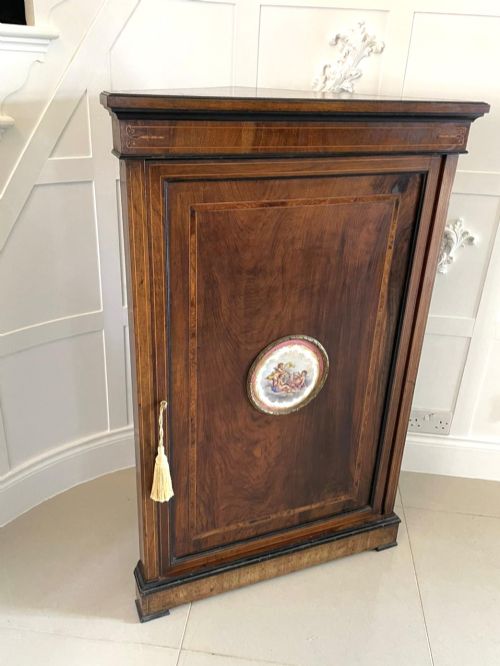
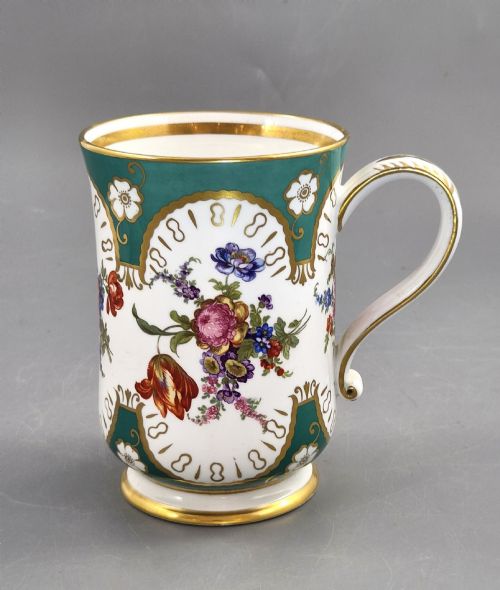
Object forms include cabinet plates, dessert dishes, miniature twin handled vases, corner cabinets and porcelain cabinet mugs.
What varies in quality
Quality rests upon the execution of the hand painting and the prestige of the maker or decorator. Signed works by established artists such as Richard Sebright or Albert Shuck for Royal Worcester represent the upper tier of craftsmanship.
The complexity of the gilt work, the depth of the enamel ground colours and the clarity of the porcelain body separate standard decorative wares from exceptional cabinet pieces. Preserved provenance and matched sets further distinguish the finest examples.
Royal Worcester·Royal Crown Derby·Meissen·Royal Doulton·Coalport·Sèvres·Nantgarw·Spode
The Vintage Cabinet Porcelain Glossary
- Cabinet plate
- A decorative plate intended for display in a cabinet rather than for dining use. These items frequently feature elaborate hand painted scenes and gilded borders.
- Hard paste porcelain
- A dense ceramic material composed of kaolin and petuntse, fired at high temperatures. It forms a durable, vitreous body resistant to scratching.
- Gilding
- The application of gold leaf or powdered gold to the surface of porcelain. It provides metallic accents around rims and borders.
- Imari
- A style of Japanese porcelain exported to Europe, characterised by underglaze blue and iron red highlights with supplementary gold. European factories frequently imitated these distinct patterns.
- Bone china
- A type of porcelain incorporating bone ash, producing a strong, slightly translucent body. British manufactories utilised this composition extensively.
Vintage Cabinet Porcelain: Frequently Asked Questions
What is vintage cabinet porcelain?
Vintage cabinet porcelain comprises decorative plates, cups and small vessels produced for display rather than practical use. These objects highlight the decorative capabilities of major European and Asian kilns.
Craftsmen decorated these items with detailed painted scenes, botanical studies and gilded borders to catch the eye within a home interior.
How were cabinet plates used?
Owners placed cabinet plates in glazed display furniture, mounted them on walls or stood them upon mantelpieces and sideboards. They functioned purely as decorative art objects.
Because they were exempt from heavy daily service, many examples retain vibrant enamel colours and pristine gilt edges.
How do I identify a painted artist?
Many fine porcelain pieces feature signatures or monograms painted directly into the image by the studio artist. Factory backstamps on the underside frequently provide date codes and pattern numbers.
Comparing the painting style and signature against factory records helps confirm the decorator and approximate production period.
How do I care for antique porcelain?
Display antique porcelain away from direct sunlight to prevent enamel fading and protect delicate gold leaf work. Dust the surfaces gently with a soft, dry cloth.
Avoid using abrasive cleaning agents or submersing gilded pieces in water, as this can damage the historic glaze and metallic finishes.