

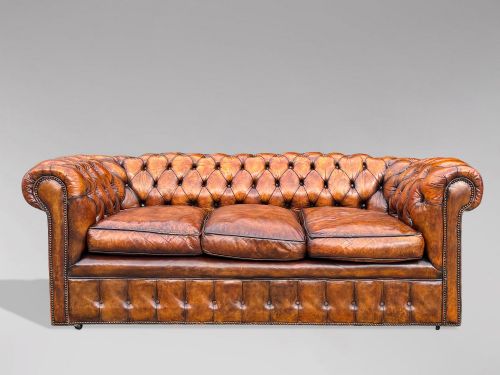
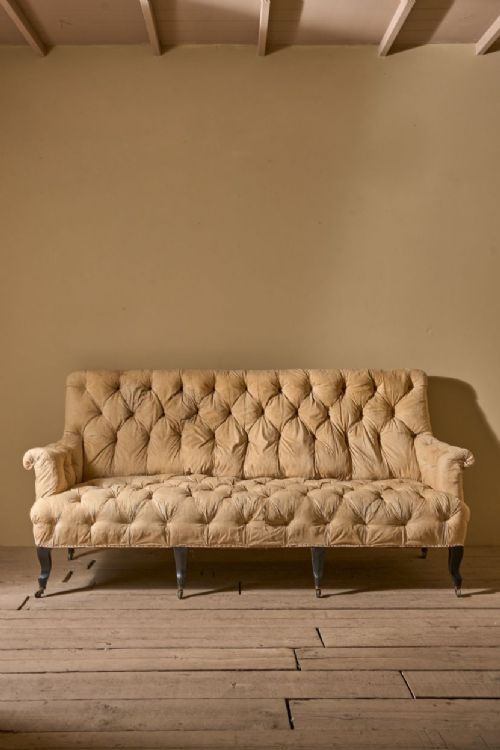
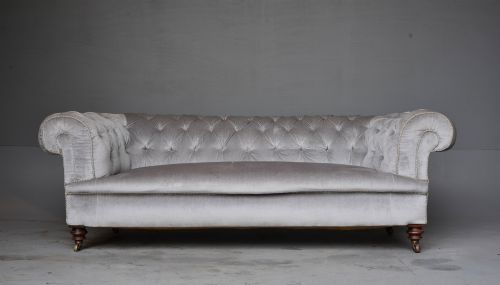
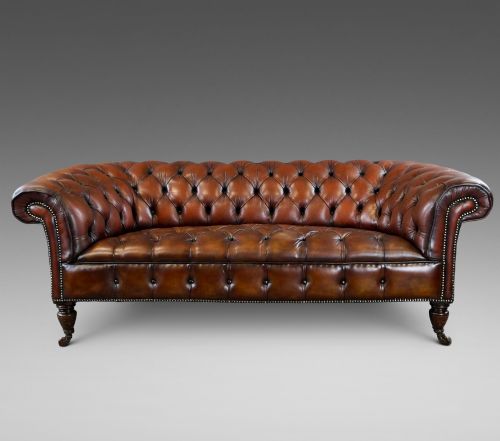
Vintage Buttoned Couch
A vintage buttoned couch brings immediate gravitas to a room, offering deep-buttoned comfort anchored in Victorian and Edwardian craftsmanship.
Vintage Buttoned Couch
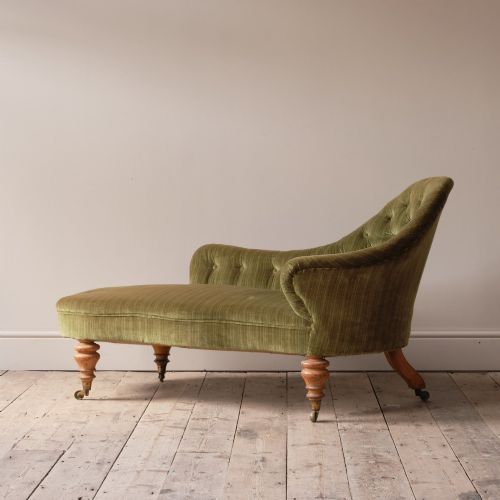
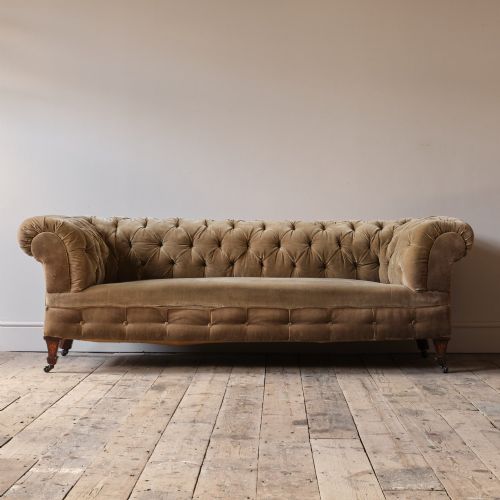
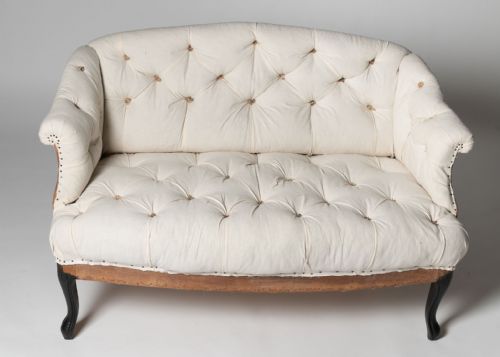
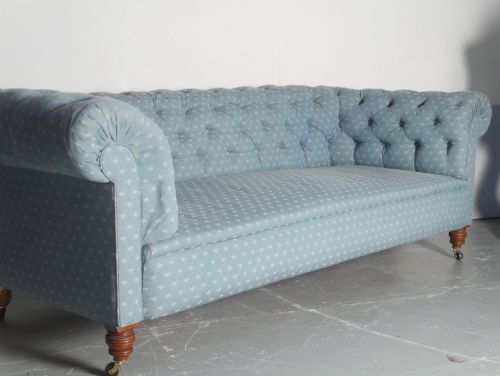
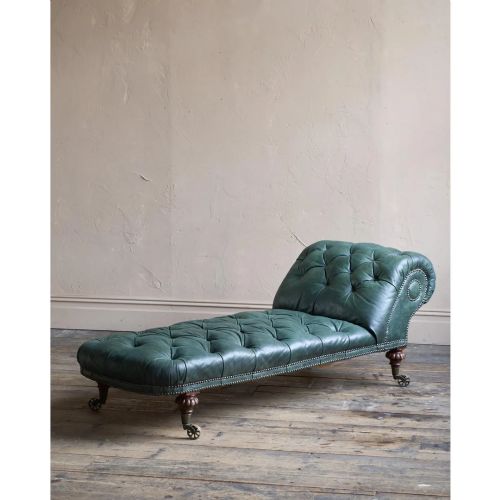
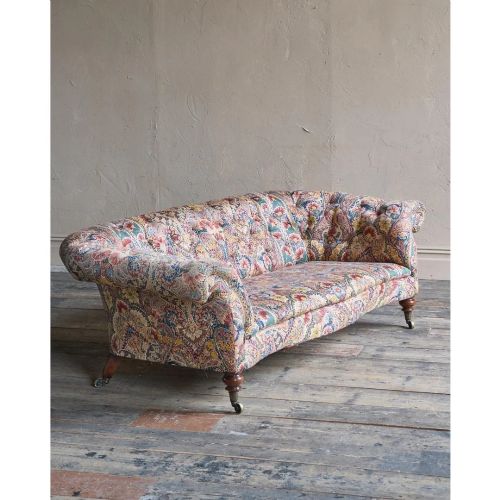
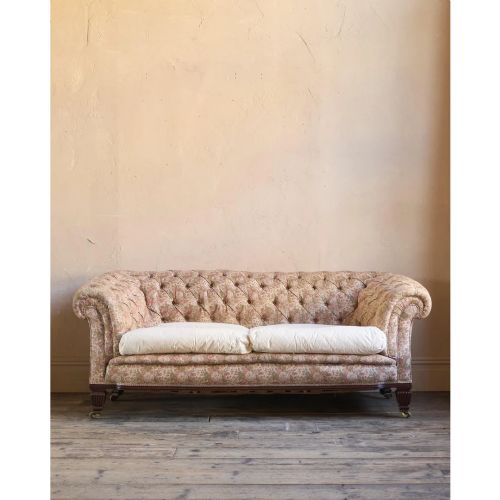
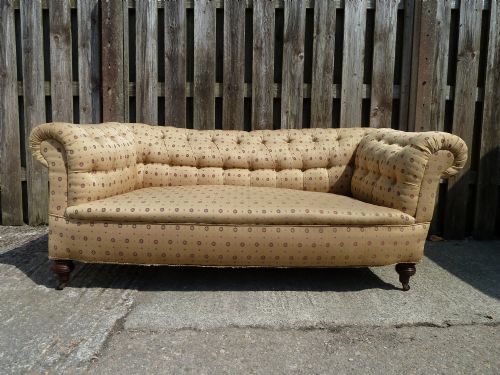
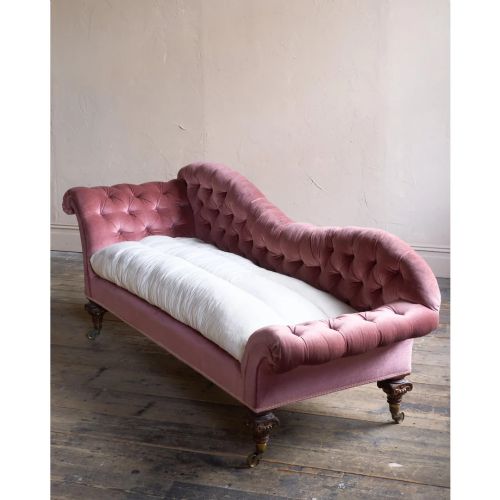
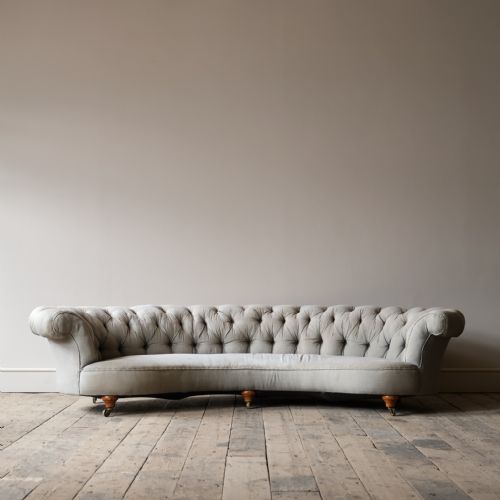
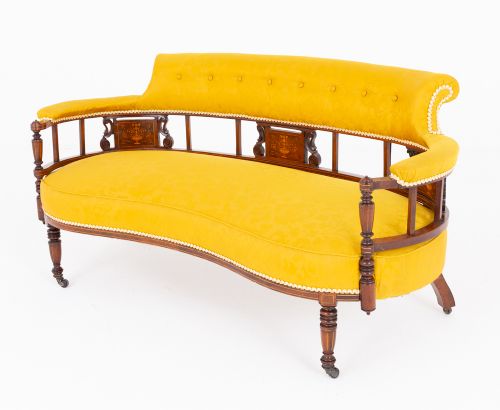
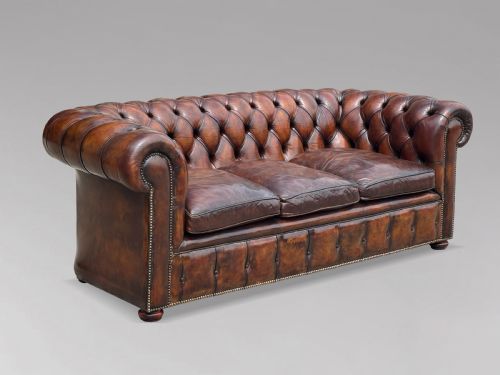
When searching for a vintage buttoned couch, buyers encounter substantial seating rooted primarily in the nineteenth and early twentieth centuries. These pieces span robust Chesterfield sofas, elegant chaise longues, and traditional settees styled across Victorian, Edwardian, and Regency periods.
The form is defined by deep tufting across the back and sometimes the seats, creating the signature dimpled upholstery pattern. Originating largely from British workshops and country houses, these couches balance imposing proportions with tailored finishing.
Most examples appearing on this page date from the Victorian era onward, featuring sturdy wooden frames clothed in hide or fabric. Buyers find variations ranging from compact boudoir daybeds to expansive three-seater club sofas.
How they were made
Traditional construction relies on substantial timber frames built from hardwoods like mahogany, walnut, and rosewood to support heavy daily use. Upholstery methods from these periods utilise coil springing and horsehair stuffing to build resilient, supportive cushioning beneath the surface.
The leather and fabric covers are secured through intensive hand-tufting, where twine pulls the upholstery deep into the padding to anchor each button. Brass tacks frequently edge the upholstery lines, securing the hides while adding metallic detailing to the wooden or upholstered chassis.
Vintage Buttoned Couch Retail Price Guide 2026
Typical asking prices for vintage buttoned couch among the pieces listed under this phrase on Sellingantiques today, from the lower quarter to the upper quarter. They describe what is for sale here now, not the wider market.
What varies in quality
The calibre of a vintage buttoned couch rests in the integrity of its internal springing and the depth of its original timber frame. Superior examples maintain firm, supportive coil springing and dense horsehair stuffing that resists sagging over decades of sitting.
Leather quality and dye treatments set exceptional pieces apart, particularly where hand-dyed finishes reveal natural patination rather than flat colouring. Frame carving, structural joinery, and the precision of the button tufting further distinguish standard workshop output from premier cabinetmaker production.
Howard and Sons·Hampton and Sons of Pall Mall·Robert Strahan and Co·Jas Shoolbred
The Vintage Buttoned Couch Glossary
- Chesterfield
- A large, deep-buttoned sofa traditionally upholstered in leather with arms and back of the same height. This form serves as the quintessential British club seat.
- Chaise Longue
- An upholstered long chair designed for reclining, featuring an elongated seat and typically a single raised backrest. Variations often include ornate wooden framing and carved scroll ends.
- Horsehair
- A traditional stuffing material utilised for padding seats and backs before modern synthetics. It provides resilient, breathable support within antique upholstery.
- Tufting
- The technique of gathering upholstery fabric or leather with tight stitches and buttons to create a pattern of recessed indentations. This secures the internal stuffing against shifting.
Vintage Buttoned Couch: Frequently Asked Questions
How do I care for vintage leather?
Maintain antique leather by applying suitable nourishing balms periodically to prevent the hide from drying and cracking. Avoid placing the couch near direct heat sources or strong sunlight.
Dust regularly with a soft cloth and address spills immediately with a dry cloth rather than harsh cleaning agents. Preserving the natural patina requires gentle, consistent maintenance rather than heavy restoration.
What is the difference between a settee and a chesterfield?
A settee generally refers to a light, upholstered seat with a back and arms, often featuring exposed wooden frames like mahogany or rosewood. In contrast, a chesterfield is specifically known for its fully upholstered body and uniform arm and back height.
Chesterfields rely heavily on deep button tufting and leather upholstery, whereas settees frequently showcase decorative carved woodwork and fabric coverings. Both forms share nineteenth-century origins in British drawing rooms.
Are these couches comfortable for daily lounging?
Deep-seated antique couches built with traditional coil springs and horsehair stuffing offer robust, structured support. The firmness differs from modern foam-filled cushions, feeling more supportive than sink-in soft.
Over decades of use, the internal springing adapts to regular sitting while retaining its structural resilience. Buyers seeking relaxed lounging often prefer the broader three-seater club formats.
How can I tell a Victorian piece from later periods?
Victorian examples typically display heavier timber framing, darker woods like walnut and mahogany, and traditional hand-dyed leathers with rich patination. Details such as turned wooden legs, brass castor wheels, and dense horsehair stuffing point toward nineteenth-century origin.
Later Edwardian and early twentieth-century variations often introduce lighter framing proportions and different styling cues while retaining traditional buttoning techniques. Examining the underneath webbing and tack placement helps confirm the period.