

Vintage Button Tufted Sofa
A vintage button tufted sofa brings deep-buttoned leather and tailored upholstery into a room, offering both traditional character and enduring comfort.
Vintage Button Tufted Sofa
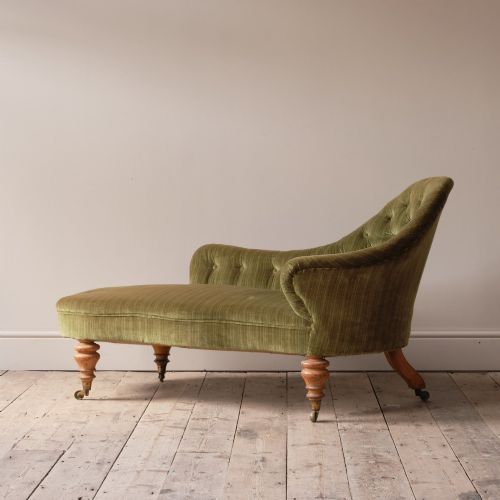
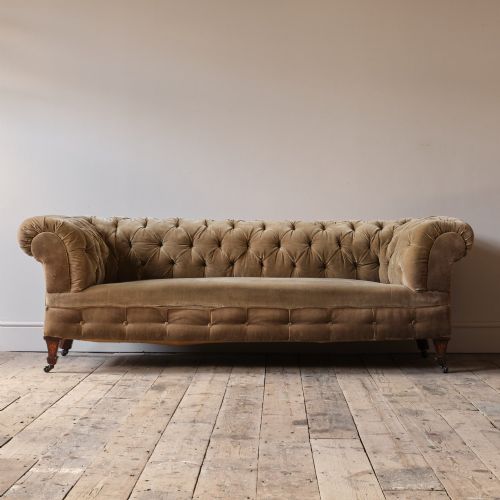
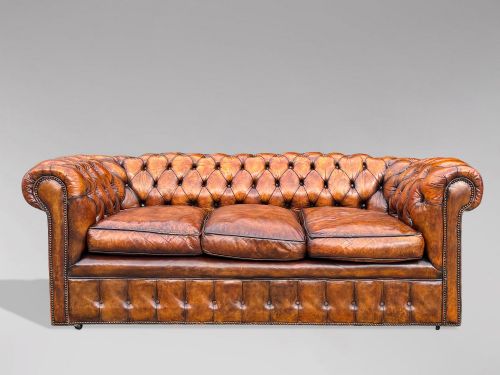
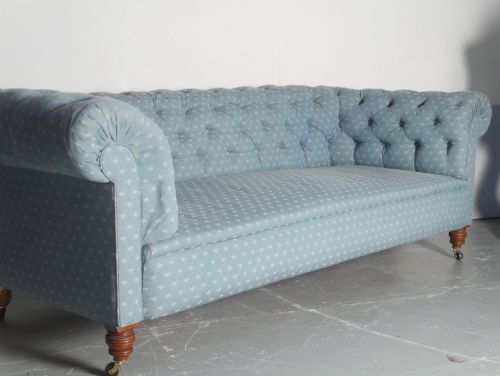
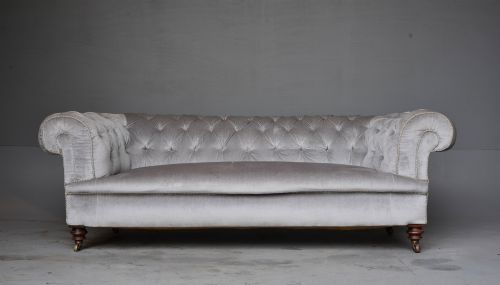
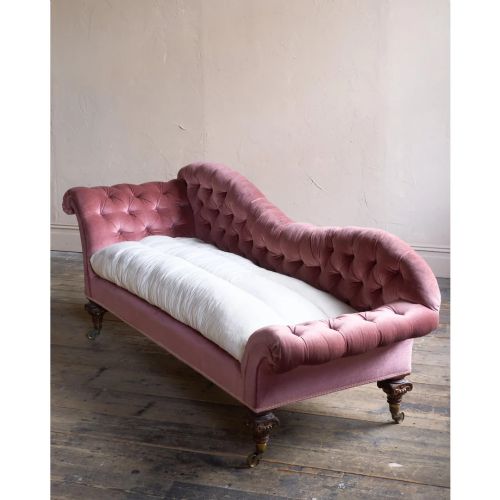
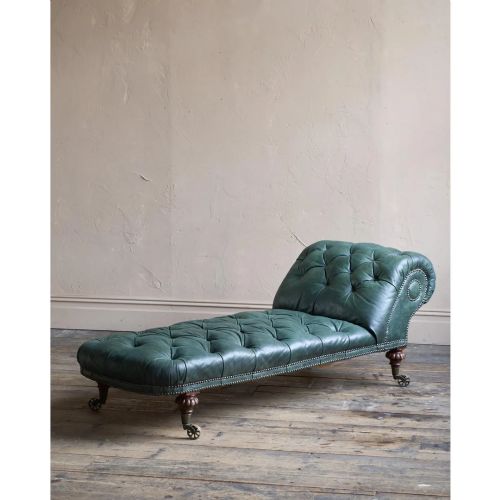
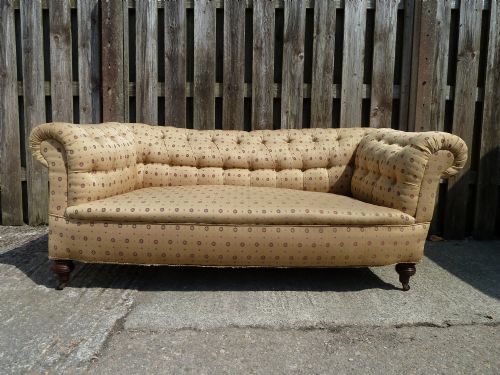
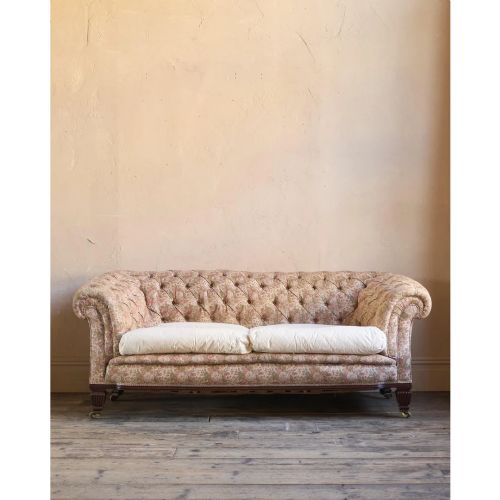
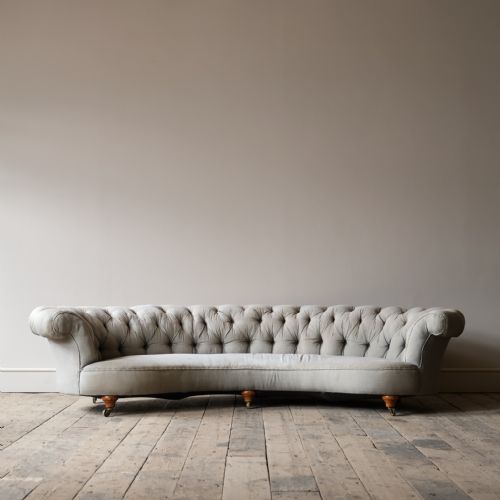
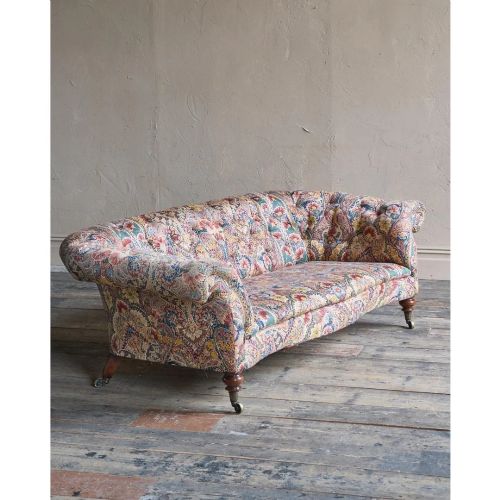
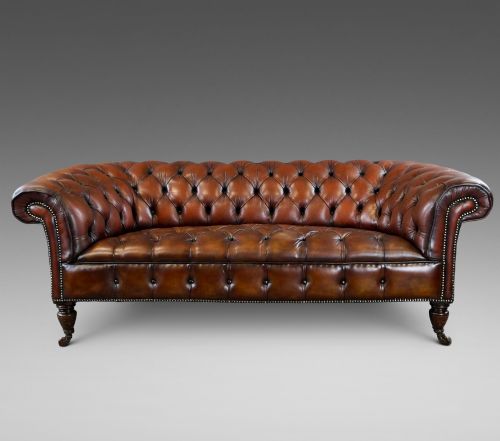
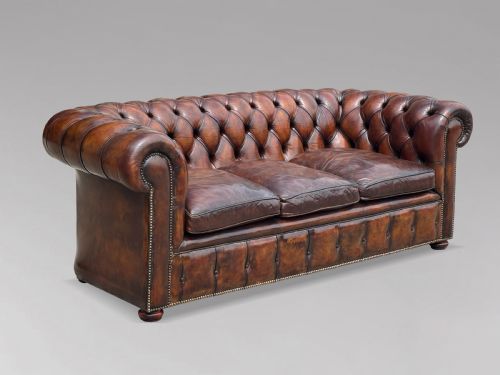
A vintage button tufted sofa primarily takes the form of a Chesterfield, alongside chaise longues, salon suites, and library settees. These seating options emerge most frequently from nineteenth-century Victorian and early twentieth-century periods.
The materials span brown, red, and raw leather alongside velvet and fabric, supported by frames of mahogany, walnut, timber, and hardwood. Brass accents and tassel trims occasionally complete the construction.
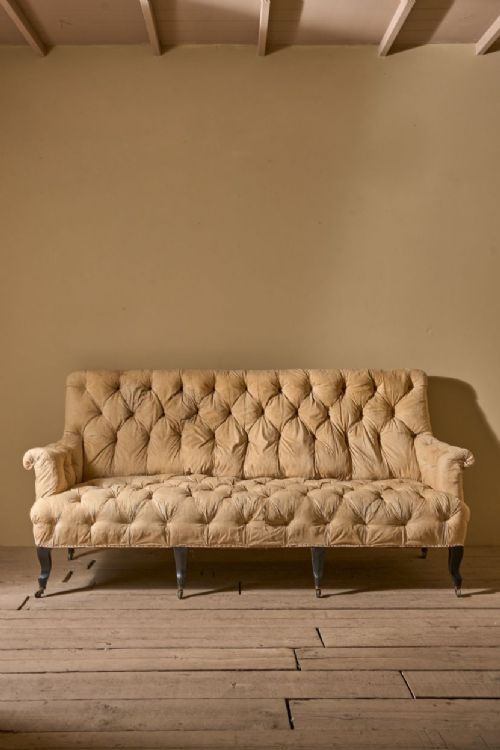
The origin stretches across traditional English workshops and French Napoleon III designs, uniting nineteenth-century craftsmanship with twentieth-century restorations.
How they were made
Frames are constructed from sturdy timbers such as mahogany, walnut, and hardwood, providing a rigid internal skeleton for heavy upholstery. Artisans then apply coil springing and horsehair filling to build deep, resilient seating.
Upholstery relies on full leather hides, velvet, or woven fabric secured through meticulous button tufting. Brass details and carved wooden legs complete the construction methods recorded across these periods.
Vintage Button Tufted Sofa Retail Price Guide 2026
Typical asking prices for vintage button tufted sofa among the pieces listed under this phrase on Sellingantiques today, from the lower quarter to the upper quarter. They describe what is for sale here now, not the wider market.
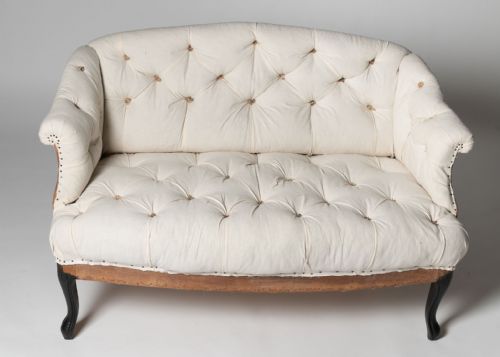
One nineteenth-century conversation sofa invites two people to sit face-to-face while sharing the same upholstered seat.
What varies in quality
The standard of internal stuffing and frame construction dictates the resilience of the seating, moving from sagging horsehair to firm, supportive coil springing. Solid hardwood and mahogany frames maintain structural integrity far better than softer timber alternatives.
Leather selection and the depth of the button tufting define the visual finish, distinguishing neatly hand-dyed hides from worn or neglected surfaces. Maker attribution also elevates certain pieces, separating standard vernacular seating from documented workshop output.
Howard And Sons·Hampton And Sons·Jas Shoolbred·Gillows
The Vintage Button Tufted Sofa Glossary
- Chesterfield
- A traditional upholstered sofa featuring deep button tufting and arms of the same height as the back. This form dominates the nineteenth-century leather seating recorded in the evidence.
- Chaise Longue
- An elongated chair or sofa designed for reclining, often featuring a single raised end and detailed wooden framing. Examples appear in Victorian mahogany and nineteenth-century velvet.
- Napoleon III
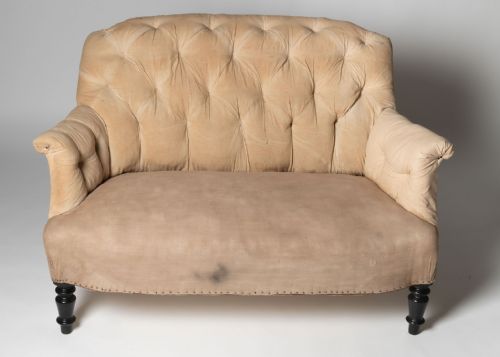
- A nineteenth-century French style characterised by ornate buttoned upholstery and curved frames. Pieces in this category often include high backs and walnut structures.
- Salon Suite
- A matched set of upholstered seating comprising a sofa and matching armchairs or chairs. French walnut variations feature frequently in the recorded items.
- Horsehair
- A traditional filling material utilised in upholstery for its springiness and durability. It provides the dense padding found beneath deep buttoned leather.
Vintage Button Tufted Sofa: Frequently Asked Questions
How do I identify a Victorian sofa?
Victorian seating often displays dense mahogany or walnut frames alongside hand-dyed leather or heavy velvet upholstery. Deep buttoning and carved wooden legs provide further chronological indicators.
Construction methods from this era frequently utilise horsehair filling and traditional coil springing.
Are these sofas suitable for daily use?
Many vintage button tufted sofas retain sturdy hardwood frames and robust leather or fabric upholstery that withstands regular sitting. Proper internal coil springing supports everyday lounging.
Restored pieces often feature renewed horsehair and secure bindings to ensure lasting structural stability.
What is a salon suite?
A salon suite comprises a matching set of seating, usually including a larger sofa alongside companion armchairs or side chairs. These sets were designed for formal entertaining rooms.
French walnut versions demonstrate unified upholstery and decorative wood carving across all matching components.