

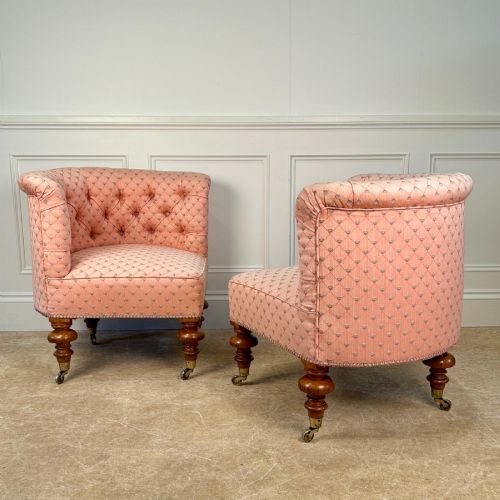
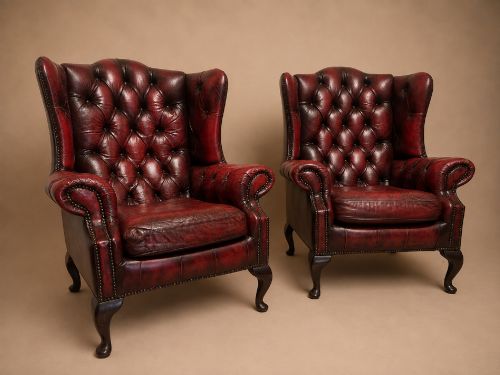
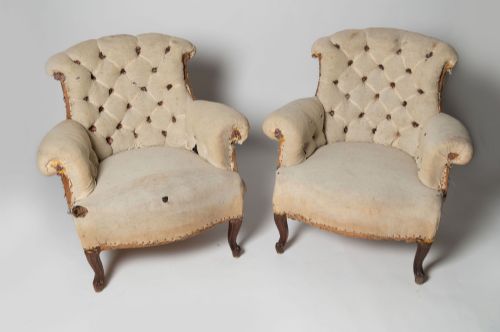
Vintage Button Back Chair
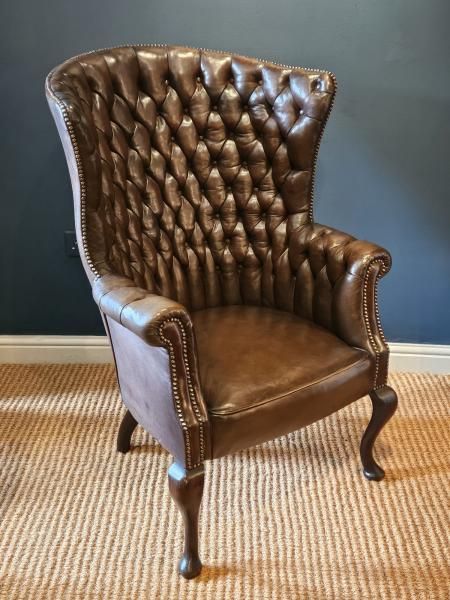
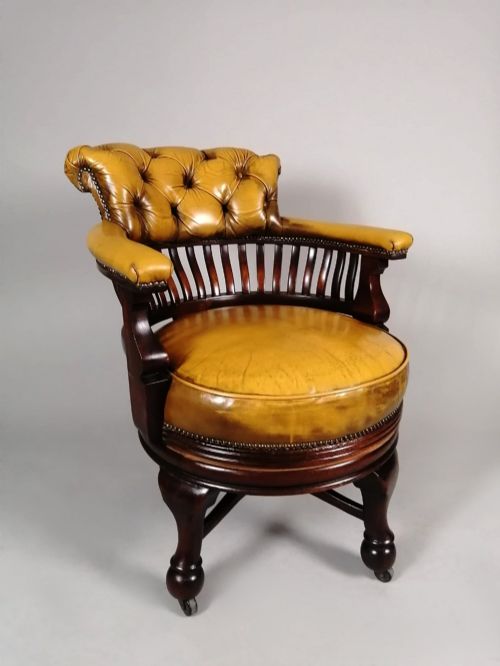
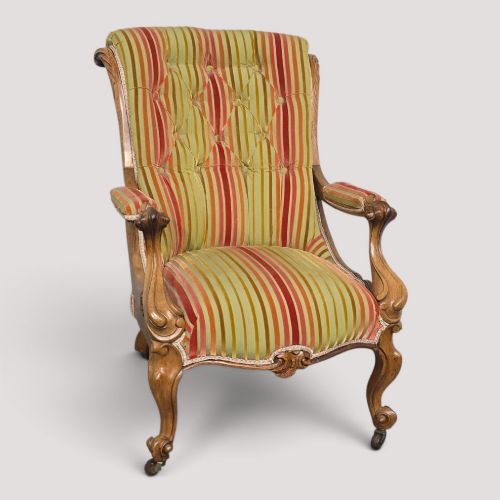
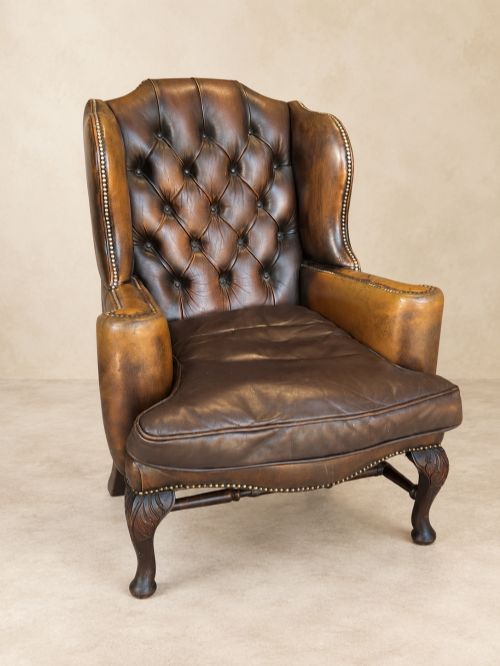
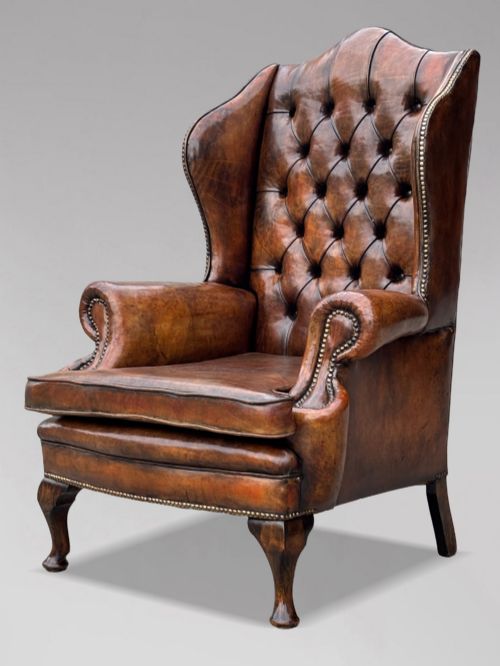
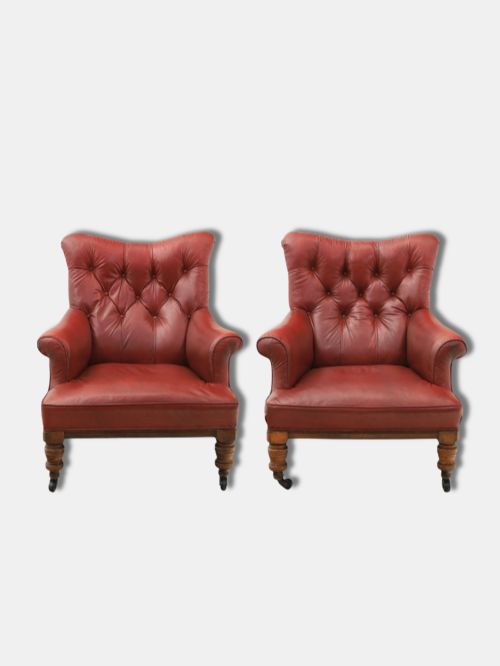
A vintage button back chair brings deep buttoning and traditional upholstery directly to a room, offering comfortable seating with distinct period character.
Vintage Button Back Chair
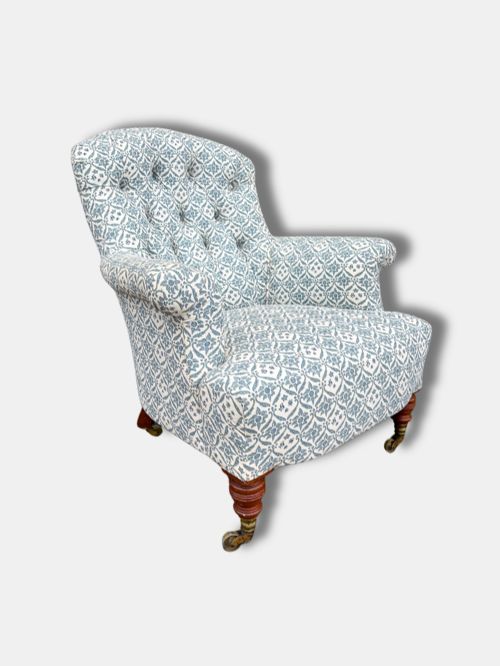
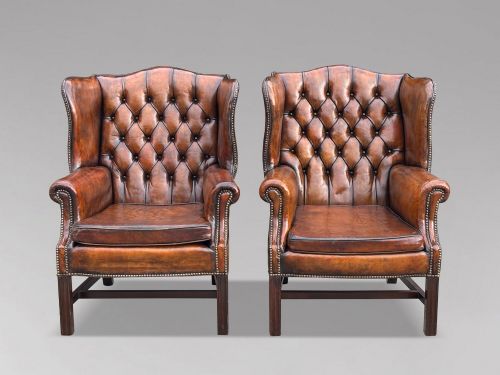
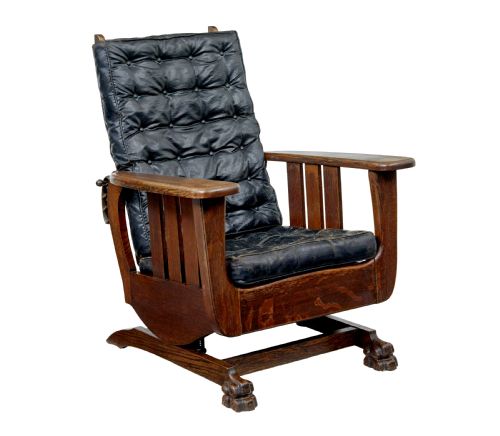
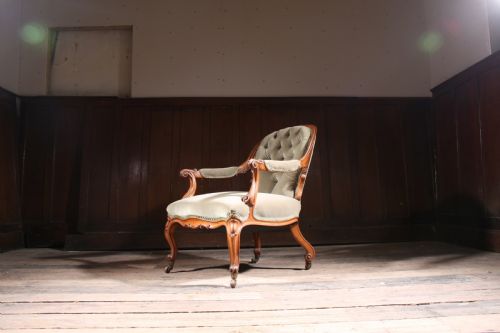
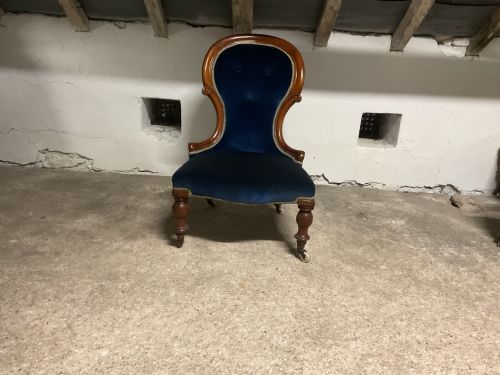
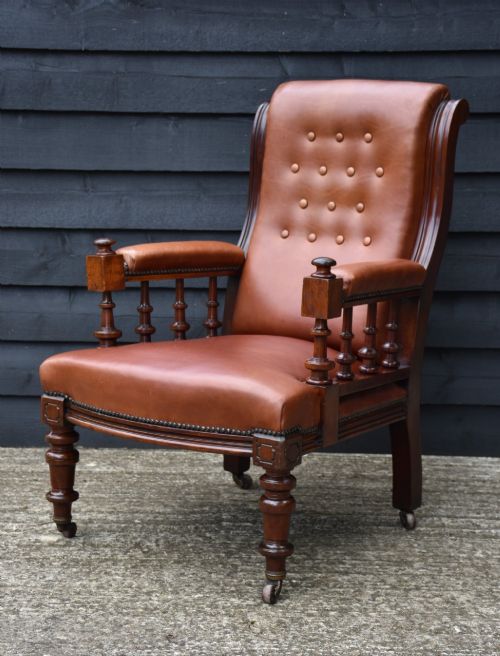
A vintage button back chair encompasses various seating forms designed for comfort and reception, appearing predominantly in nineteenth-century and early twentieth-century variations. Buyers encounter armchairs, nursing chairs, slipper chairs, and library chairs within this selection, spanning Victorian, Edwardian, and Regency periods.
The characteristic deep buttoning defines the upholstery style, pulling the covering material tight against the padding to create regular geometric indentations. This category draws makers and styles ranging from English workshop pieces to French Napoleon III designs, utilising wood frames upholstered in leather, velvet, or fabric.
How they were made
Frames rely on sturdy timbers including mahogany, walnut, oak, rosewood, and hardwood, shaped to support heavy padding and springing. Wood elements frequently display carved details, turned legs, or brass castors.
Upholstery combines traditional stuffing methods with surface materials such as brown leather, red oxblood rexine, velvet, and woven fabric. Craftsmen secure the deep buttoning by hand through the interior padding to the wooden framework.
Some nineteenth-century nursing chairs sit exceptionally low to the floor so Victorian ladies could manage their voluminous skirts while sitting.
What varies in quality
Construction integrity dictates overall quality, distinguishing robust frames built by established makers from simpler workshop output. Timber selection and the crispness of carved woodwork separate finer examples from standard production.
The finish and condition of the upholstery material heavily influence the standard of a piece, particularly where original leather or quality fabric survives intact. Attention to detail in the hand-buttoning and frame joinery marks the difference between standard domestic seating and high-end library or club chairs.
Howard & Sons·Gillows·Mellier & Co
The Vintage Button Back Chair Glossary
- Button back
- An upholstery technique where stitches pull the fabric or leather deep into the padding to secure rows of covered buttons. This creates a tufted surface with padded diamonds.
- Bergère
- An enclosed upholstered armchair with wooden framing exposed around the sides and back. It often incorporates cane work or padded upholstery.
- Library chair
- A substantial armchair designed for reading and study, usually constructed with a sturdy wood frame and leather upholstery. These pieces prioritize ergonomic support for extended sitting.
- Rexine
- A brand of leathercloth fabric manufactured as an imitation leather covering. It appears on mid-period utilitarian and club seating.
Vintage Button Back Chair: Frequently Asked Questions
What is a vintage button back chair?
A vintage button back chair is a seated piece featuring deeply tufted upholstery secured by buttons across the backrest. These chairs date primarily from the Victorian and Edwardian eras.
They appear in forms ranging from low nursing chairs to heavy leather library armchairs and club chairs.
How do I identify Victorian examples?
Victorian pieces typically display dense hardwoods like mahogany or walnut with hand-carved details. Frames often incorporate heavy turned legs and brass castors.
Upholstery on these chairs frequently uses rich leather, velvet, or heavy woven textiles with distinct tufted patterns.
Where were these chairs used?
These chairs served multiple domestic functions across the home, including studies, libraries, bedrooms, and drawing rooms. Lower slipper and nursing chairs sat near fireplaces or dressing areas.
Larger wing and club chairs provided comfortable seating in formal reception rooms and gentlemen's clubs.
How should I care for leather upholstery?
Leather surfaces require regular dusting with a dry cloth and occasional treatment with appropriate conditioning balms to prevent drying. Keeping the material away from direct heat sources preserves the natural hide.
Gentle cleaning avoids stripping the original patina and colour developed over decades of use.