




Vintage Bust
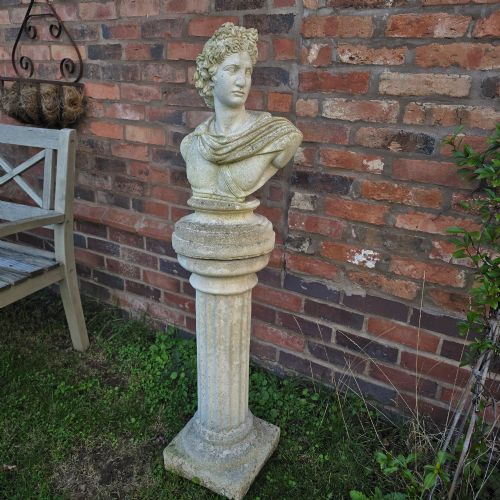
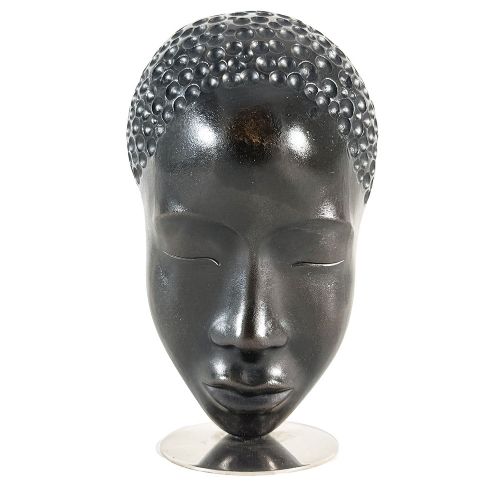
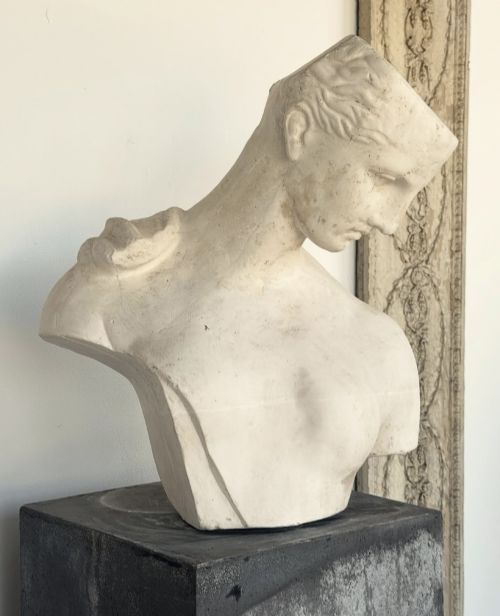
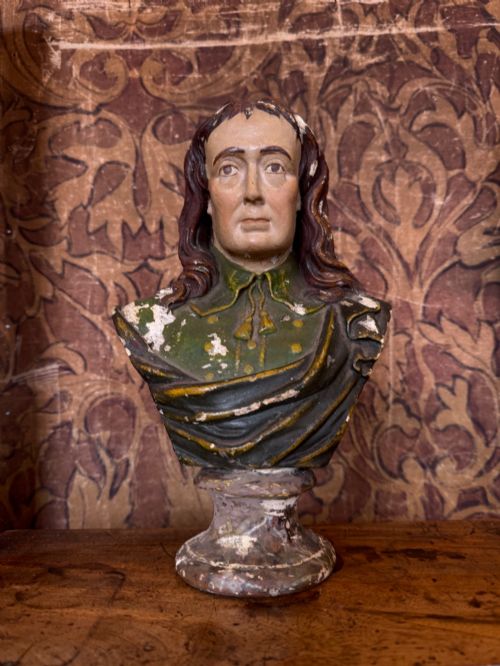
A vintage bust brings character and sculptural presence to a room, offering classical form or twentieth-century personality.
Vintage Bust
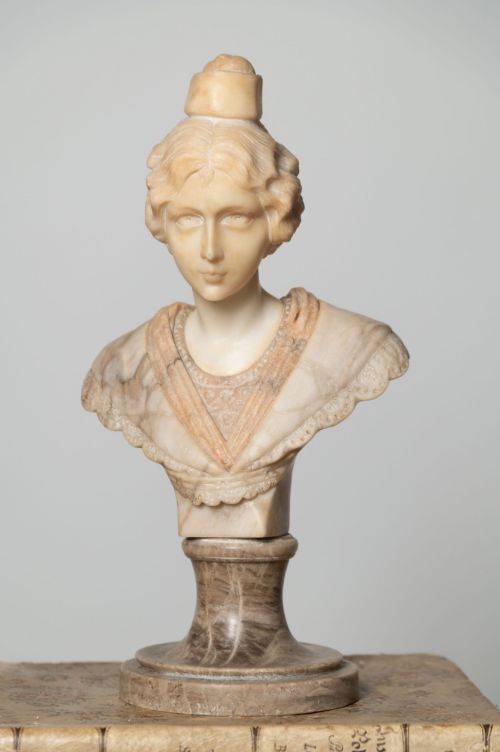
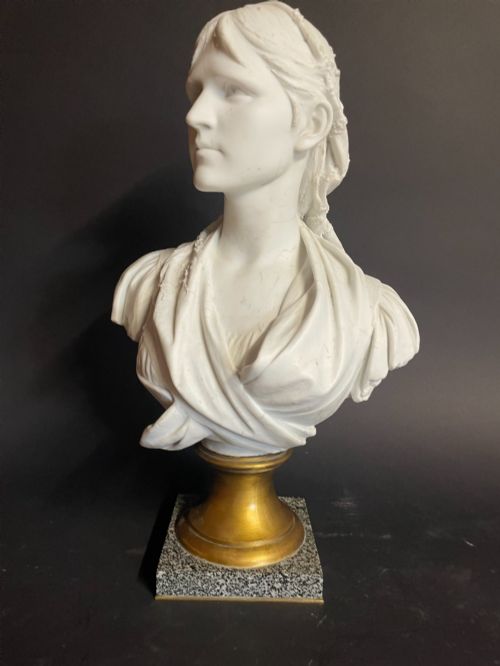
A vintage bust captures the likeness of historical figures, literary icons, and anonymous subjects in three dimensions. When exploring this selection, buyers frequently encounter pieces originating from the nineteenth and twentieth centuries.
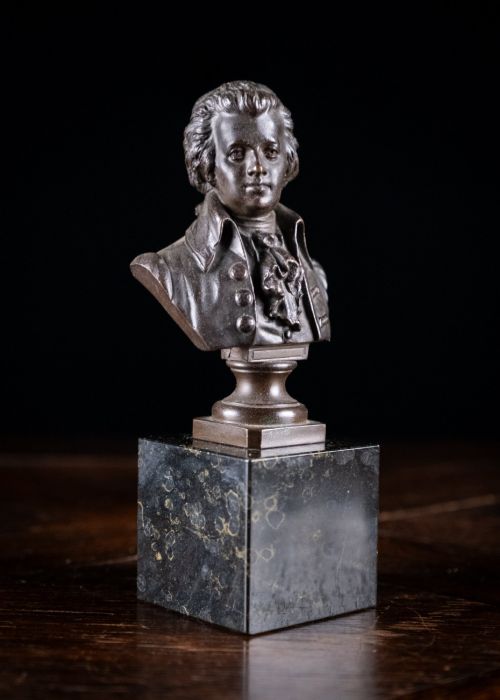
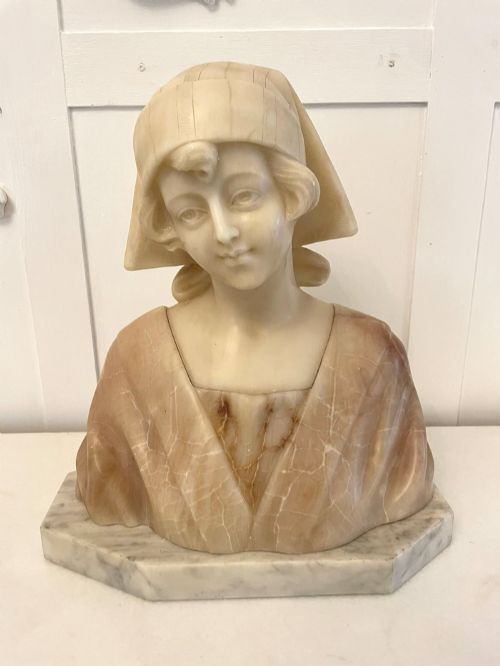
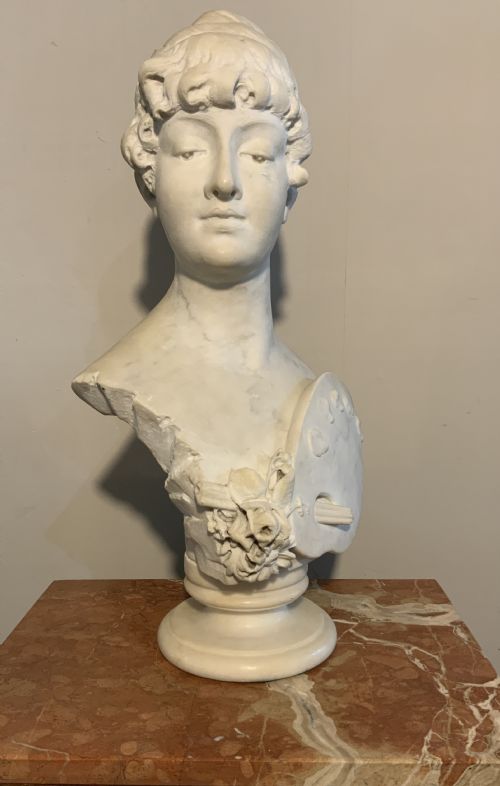
The assortment spans diverse manifestations, including classical representations carved from marble, decorative plaster casts, and bronze portraits. These sculptures reflect periods from Victorian historicism through to Art Deco modernism.
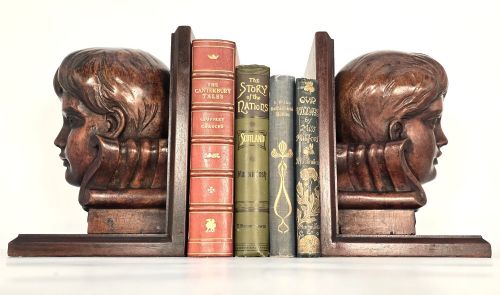
Makers utilised various scales, ranging from life-sized library figures down to miniature studies and architectural bookends. Originating from workshops across Britain, France, Austria, and Italy, each sculpture carries the aesthetic priorities of its era.
Materials and construction
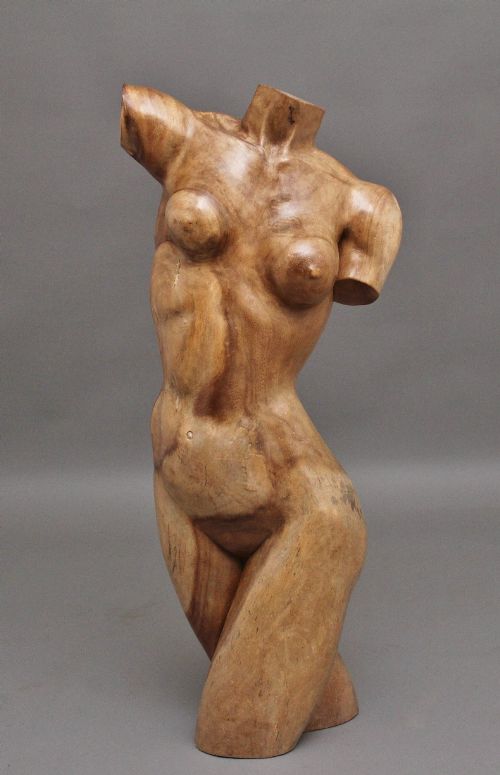
Carved pieces rely on the direct reduction of natural stone and timber, utilising alabaster, marble, and walnut. Plaster versions were cast from moulds, capturing fine surface detail before receiving coats of paint or patinated finishes.
Vintage Bust Retail Price Guide 2026
Typical asking prices for vintage bust among the pieces listed under this phrase on Sellingantiques today, from the lower quarter to the upper quarter. They describe what is for sale here now, not the wider market.
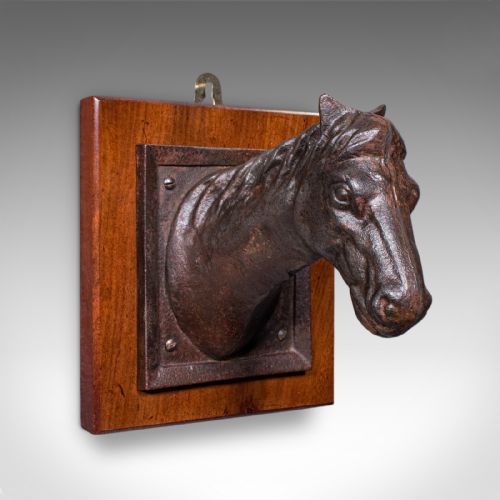
Among the historical figures portrayed, Ludwig van Beethoven stares down viewers alongside equestrian horseheads and Parisian lingerie mannequins.
Assessing quality
Quality rests upon the fidelity of the modelling and the crispness of the carving or cast. Superior bronzes display sharp definition in the hair and expression, whereas lesser examples lose detail in repetitive production.
Eugen Bormel·Hagenauer·Raffaelo Monti·Georges Charles Coudray·George Henry Paulin
The Vintage Bust Glossary
- Patina
- The surface sheen and colour developed through age or chemical treatment. This finish adds visual depth to bronze and metal sculptures.
- Alabaster
- A fine-grained, translucent stone favoured for sculptural carving. It allows light to penetrate the surface slightly, mimicking human skin.
- Caryatid
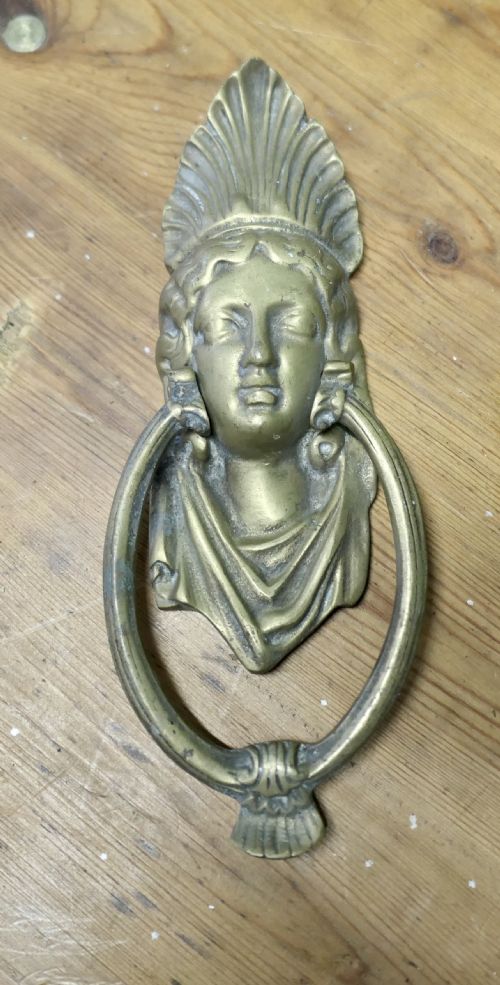
- A carved female figure serving as an architectural support. These frequently appear on pedestals, door knockers, and furniture mounts.
- Plaster
- A composition material poured into moulds to create affordable sculptural reproductions. Painted finishes often imitate bronze or terracotta.
- Terracotta
- Fired clay used for sculptural modelling. This earthy medium retains the direct touch of the artist's hands.
Vintage Bust: Frequently Asked Questions
How do I clean a plaster bust?
Dust plaster sculptures gently with a dry, soft-bristled brush or microfiber cloth. Avoid using water or liquid cleaners, as porous plaster absorbs moisture and damages the painted or patinated surface.
Keep the sculpture away from direct sunlight and areas of high humidity to prevent the plaster from cracking or discoloring over time.
Are bronze busts solid or hollow?
Most antique bronze sculptures utilise the lost-wax casting method, resulting in a hollow interior beneath a relatively thin metal skin. This technique reduces overall weight while maintaining structural integrity.
Heavier appearance usually comes from internal armature or the supportive mounting base rather than solid metal casting throughout.
How can I tell the period of a bust?
Examine the material, mounting style, and underlying artistic conventions to determine the era. Victorian and nineteenth-century pieces often favor classical historical subjects with Neoclassical or Academic Realism styling.
Twentieth-century examples frequently transition into streamlined Art Deco forms, modern materials, or stylized facial geometry characteristic of the interwar period.