

Vintage Brown Wood Table
A vintage brown wood table brings natural warmth and solid utility to a room through centuries of timber craftsmanship.
Vintage Brown Wood Table
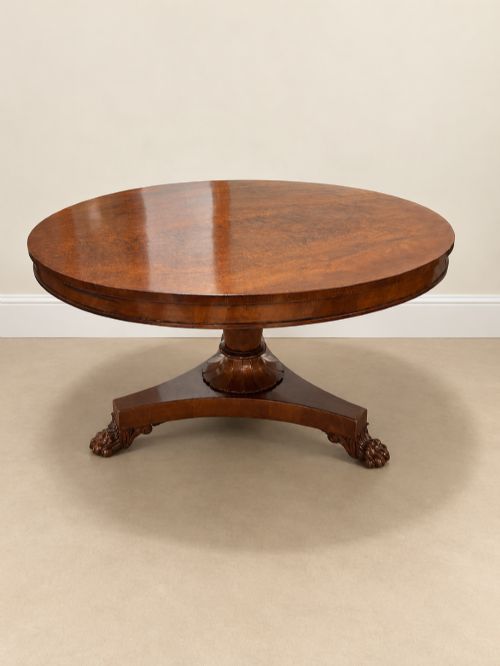
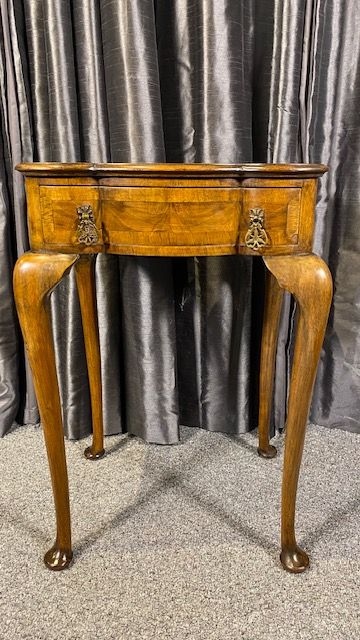
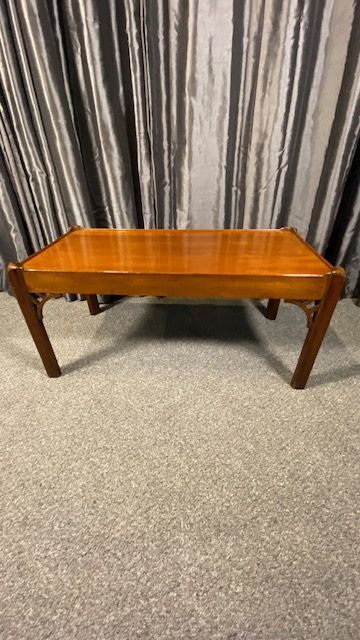
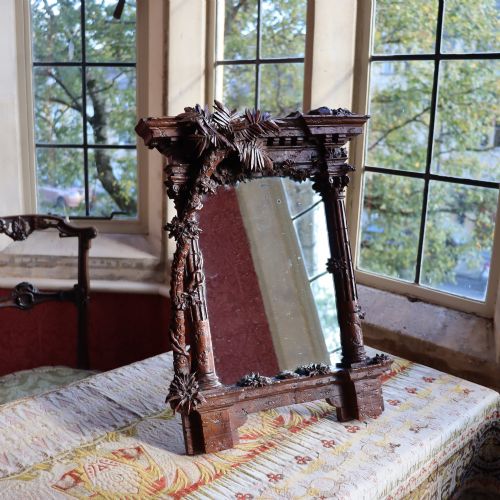
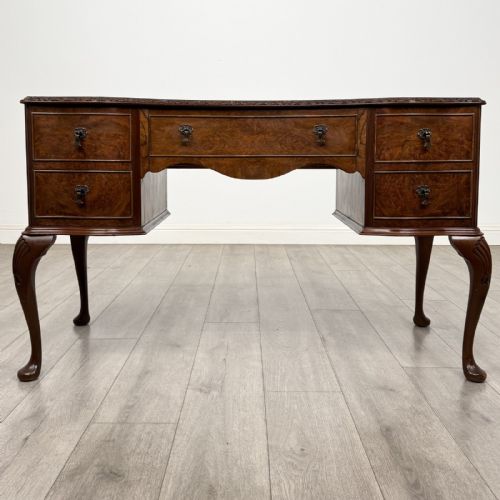
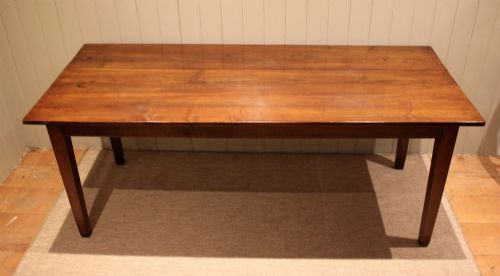
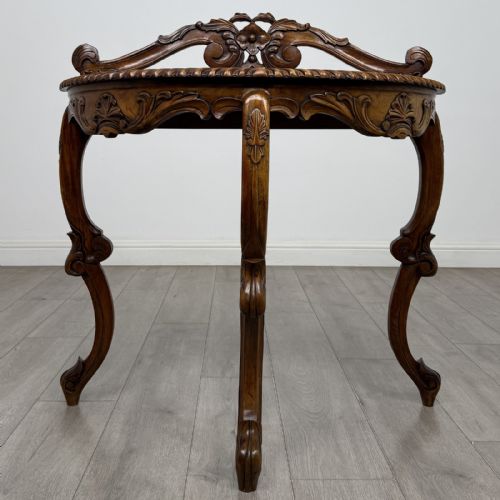
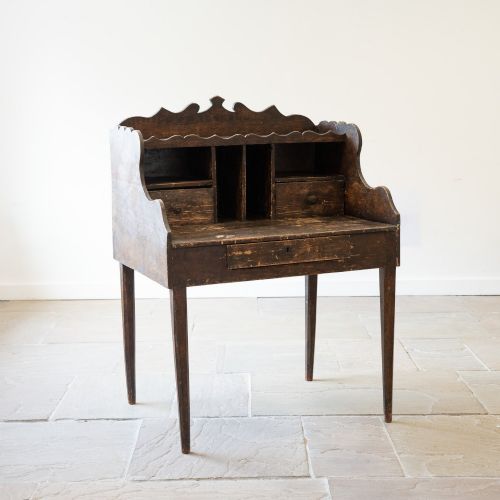
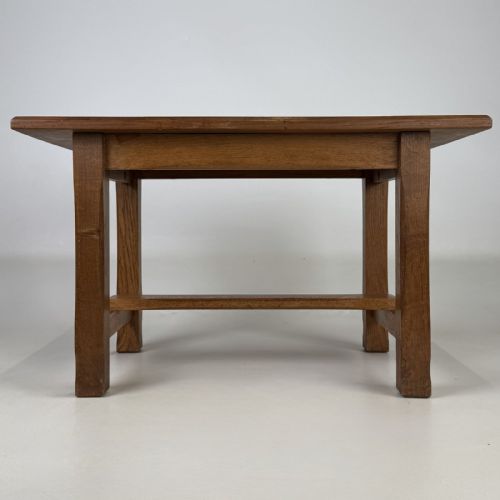
A vintage brown wood table spans a wide range of forms, from side tables and coffee tables to desks and dining tables. Buyers searching for a vintage brown wood table frequently encounter items originating from the Edwardian period, the nineteenth century, and the nineteen-twenties.
The selection includes specific regional styles like French Provincial, Regency, and Queen Anne Revival alongside Jacobean Revival and rustic farmhouse designs. Occasional tables and nests of tables appear regularly alongside larger dining and coffee tables.
Origins stretch across English workshops, French provincial sources, and further afield to Burmese and Japanese examples. Timber choices dominate the construction, providing enduring utility across domestic spaces.
Materials and construction methods
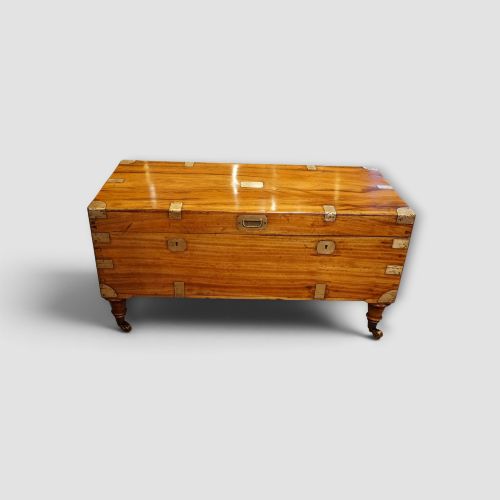
Makers utilised dense hardwoods such as mahogany, walnut, burr walnut, and oak to construct these pieces. Brass hardware, glass elements, and metal castors frequently accent the timber frames.
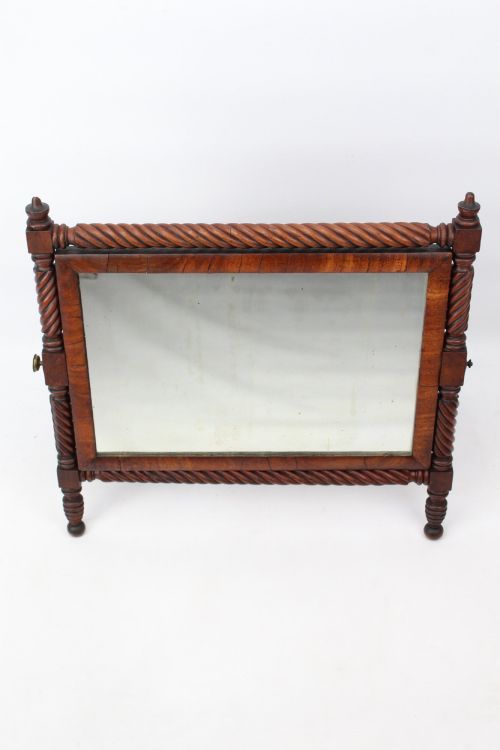
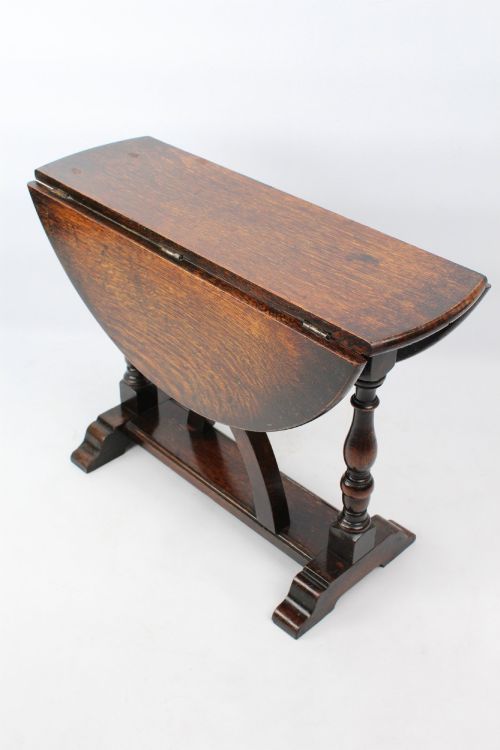
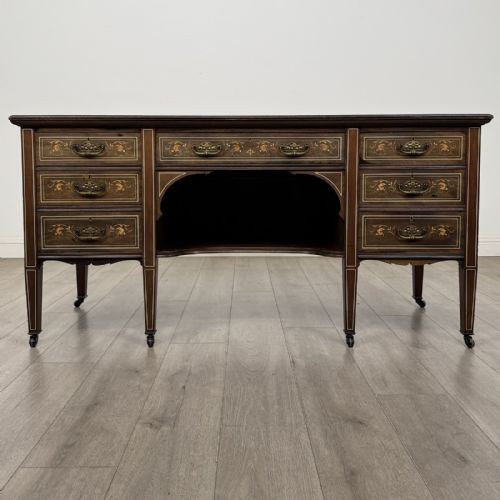
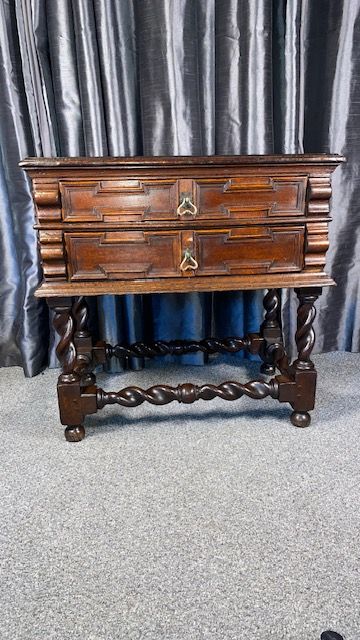
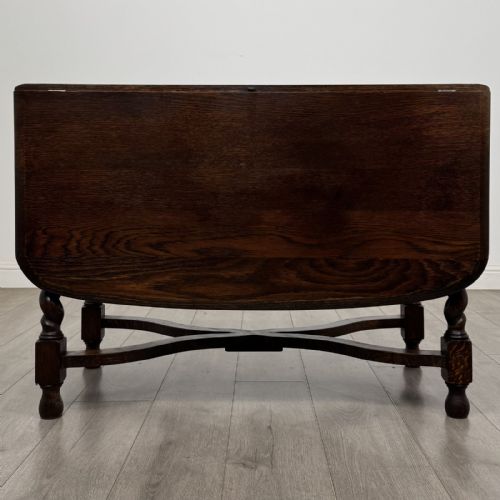
Construction techniques include intricate foliate marquetry, barley twist turnings, rope twist details, and serpentine fronts. Drop-leaf mechanisms and nesting designs demonstrate practical adaptability in everyday furniture forms.
Vintage Brown Wood Table Retail Price Guide 2026
Typical asking prices for vintage brown wood table among the pieces listed under this phrase on Sellingantiques today, from the lower quarter to the upper quarter. They describe what is for sale here now, not the wider market.
Listings feature timbers including mahogany, walnut, burr walnut, oak, chestnut, cherry wood, and camphor wood across multiple centuries.
Distinctions in craftsmanship and materials
Quality rests upon the selection of timber grain, particularly the depth of burr walnut figures or the warmth of polished mahogany. Superior examples display precise joinery and well-executed decorative elements such as inlaid marquetry.
The integrity of the structural frame and the retention of original brass fittings or castors elevate an item. Lesser pieces rely on simpler construction without the refined detailing seen in top-tier workshop productions.
The Vintage Brown Wood Table Glossary
- Marquetry
- Decorative patterns formed by inserting pieces of wood veneer into a master wood structure. This technique adds elaborate visual detail to table surfaces and cabinet doors.
- Barley Twist
- A turning style resembling a twisted rope, carved into wooden table legs and supports. It became popular in various revival periods during the nineteenth and twentieth centuries.
- Drop Leaf
- A hinged table flap that folds down to save space or lifts up to expand the surface area. It provides functional versatility in smaller rooms.
- Serpentine Front
- A furniture front characterised by a wavy contour, curving convexly at the centre and concavely at the sides. This shape demands high skill from the woodworker.
- Pembroke Table
- A small table with hinged drop leaves on two opposing sides and often a single drawer. It originated in the eighteenth century as a breakfast or writing table.
Vintage Brown Wood Table: Frequently Asked Questions
How do I care for a wooden table surface?
Maintain timber surfaces by dusting with a dry cloth and occasionally applying natural beeswax to nourish the wood grain. Avoid placing items near direct heat sources to prevent timber cracking.
Keep moisture away from polished tops by using coasters and mats. Gentle care preserves the historical finish without stripping the patina.
What periods do these wooden tables come from?
The pieces span from the eighteenth century through the Victorian and Edwardian eras into the nineteen-twenties and nineteen-thirties. Revival styles also emulate earlier Georgian and Queen Anne aesthetics.
Each era brings distinct joinery techniques and proportions. Examining the timber and construction reveals the likely period of origin.
Are drop leaf tables sturdy for dining?
Drop leaf tables provide reliable daily utility when the hinged support brackets are securely locked into place. The stability depends on the soundness of the underframe and hinges.
Check that the swing legs move smoothly and support the leaves evenly. Solid hardwood versions handle regular meals without difficulty.
Where were these tables typically used?
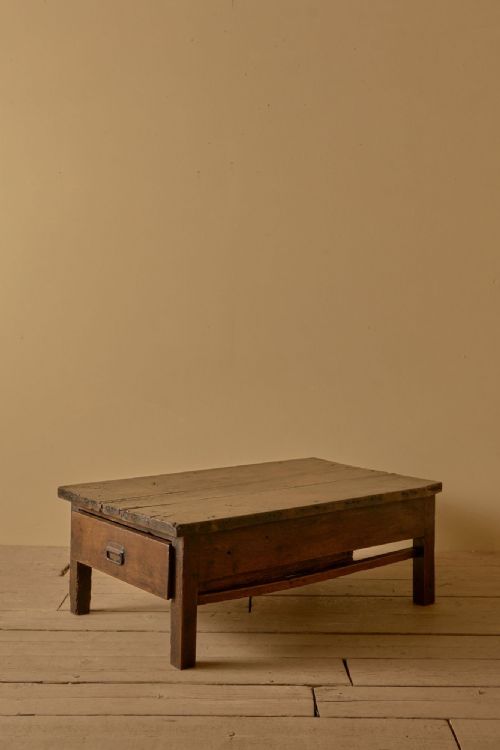
These tables served various domestic functions in drawing rooms, hallways, bedrooms, and dining spaces. Smaller occasional and side tables accommodated lamps and decorative objects.
Larger formats functioned as writing desks, breakfast tables, or central dining furniture. Their versatility suited multiple rooms in period homes.