





Vintage Brown Print
Vintage brown print works across centuries to bring framed artwork, maps and watercolours into rooms.
Vintage Brown Print
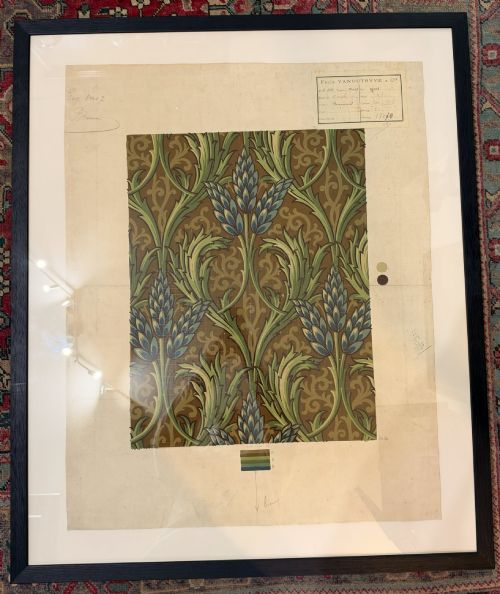
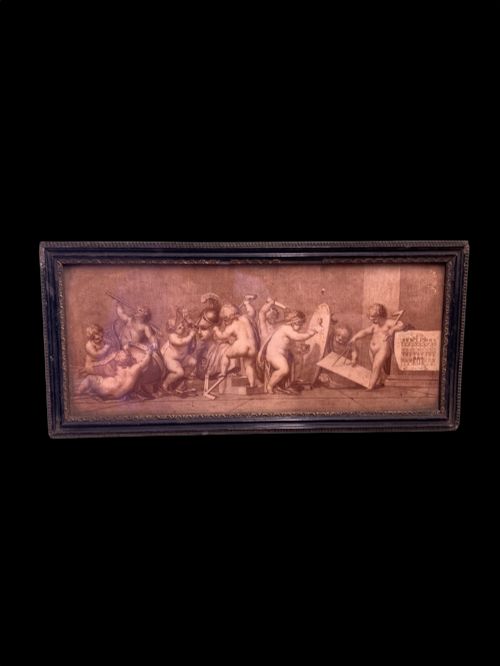
A vintage brown print covers framed artwork, wall art and watercolours executed in tones of sepia, umber and warm monochrome. Pieces range from Georgian copper engravings and maps to Victorian chromolithographs and mid-century abstracts.
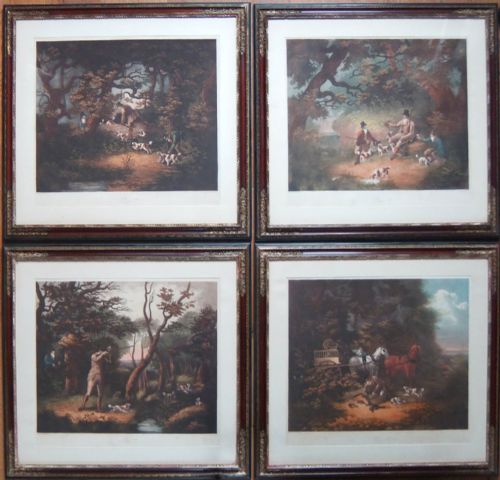
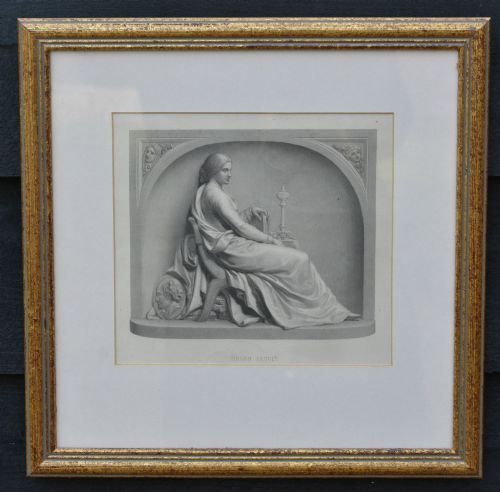
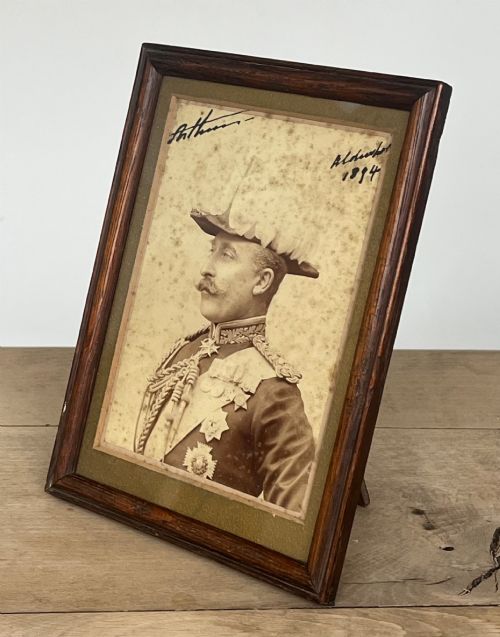
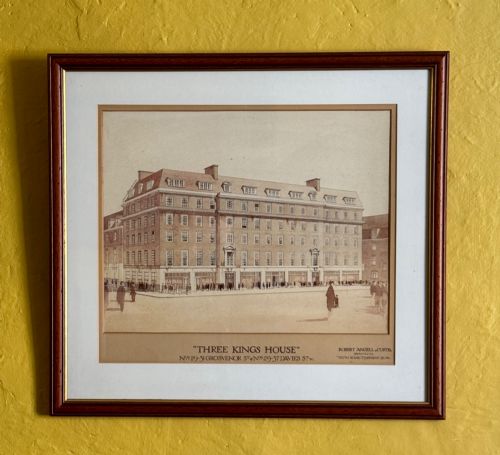
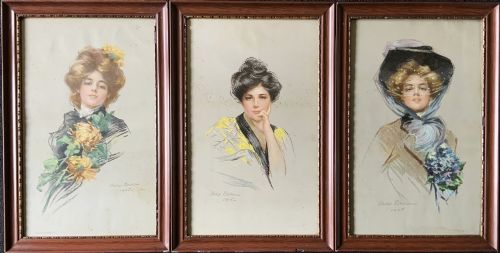
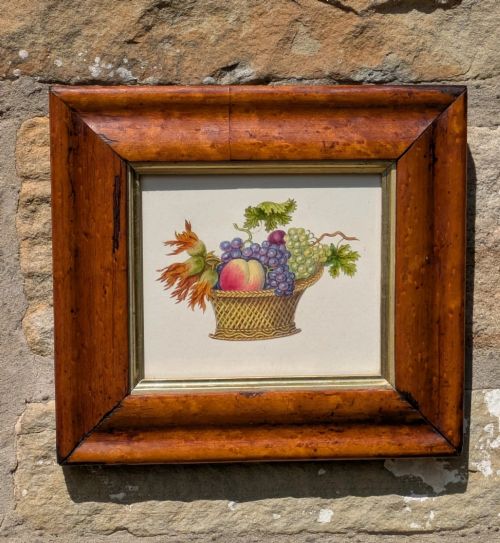
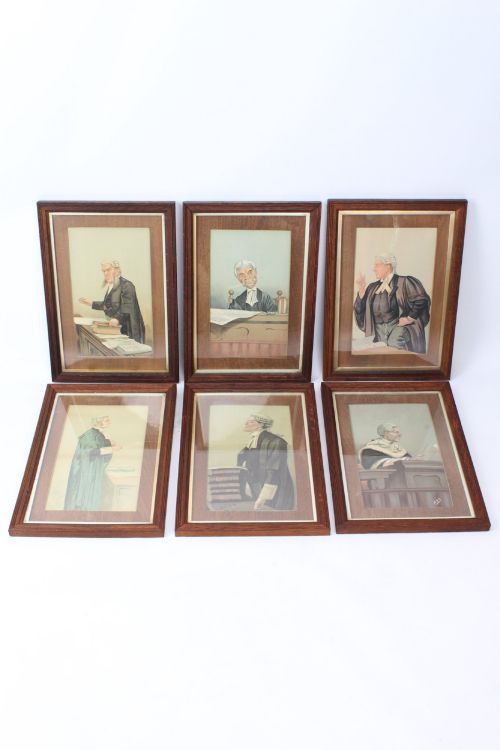
Buyers encounter framed prints, hand-coloured etchings, lithographs and original watercolours mounted behind glass in wood or brass frames. Subjects span architectural designs, botanical studies, sporting scenes and portraiture.
The selection extends from eighteenth-century cartography to twentieth-century aviation paintings, anchored by a palette of warm brown hues derived from ink, paper and watercolour.
Materials and production methods
Works utilise paper and ink as primary media, frequently supplemented by watercolour wash or hand-colouring over copper engravings and lithographic stones. The physical support relies on rag paper or card stock housed within wooden frames of mahogany, oak or gilt moulding.
Techniques span copperplate engraving, chromolithography and direct watercolour painting, employing natural pigments that age into characteristic brown and sepia tonalities. Glazing protects the paper surface while wooden backboards and brass fixings secure the presentation.
Vintage Brown Print Retail Price Guide 2026
Typical asking prices for vintage brown print among the pieces listed under this phrase on Sellingantiques today, from the lower quarter to the upper quarter. They describe what is for sale here now, not the wider market.
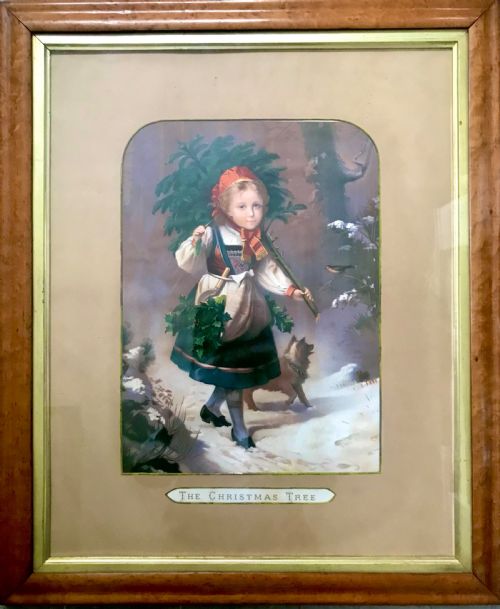
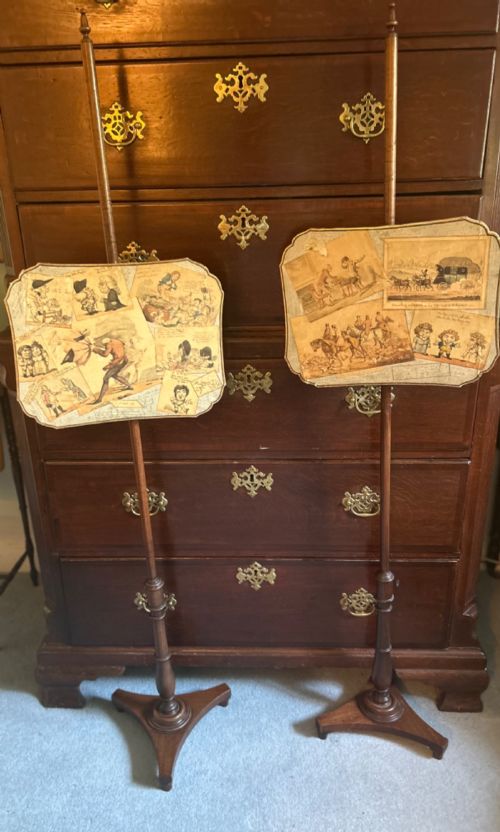
Cats, pugs and horses frequently peer out from these Victorian pages, proving that historical interior decor relied heavily on charming animal portraits.
Distinctions in craftsmanship and condition
Quality rests upon the crispness of the impression, the subtlety of hand-colouring and the preservation of the paper substrate. Early copper engravings display fine plate marks and sharp lines, whereas later mass reproductions lose definition.
Framing and mounting materials contribute significantly, with period wooden frames and protective glass housing maintaining the integrity of the artwork. The depth of the sepia or brown tones and the absence of heavy foxing distinguish finer examples.
Harry Bright·Philip Boileau·Donald Grant·Ogilby·David Roberts·Herbert Ashwin Budd·Pablo Picasso·Poussin·Ridinger·Horatio Henry Couldrey·Edwin Henry Landseer·Titian·John Frederick Herring Snr·Ralston Gudgeon·Warwick Goble·John Rattenbury Skeaping·David Shepherd·James William Booth
The Vintage Brown Print Glossary
- Chromolithography
- A planographic printing method that uses multiple limestone blocks to apply separate coloured inks, producing layered chromatic images. This technique allowed Victorian publishers to replicate the appearance of oil paintings and watercolours.
- Engraving
- A process where an artist cuts lines directly into a metal plate using a burin to hold ink for printing. The resulting impressions reveal sharp, precise details under magnification.
- Lithograph
- A planographic print pulled from a flat stone or metal plate treated to accept ink only in designated image areas. Artists utilised this versatile medium for both fine art and commercial illustration.
- Foxing
- Brown spots and discolouration caused by chemical reactions within ageing paper, often accelerated by damp conditions. Collectors observe these marks as natural evidence of antiquity.
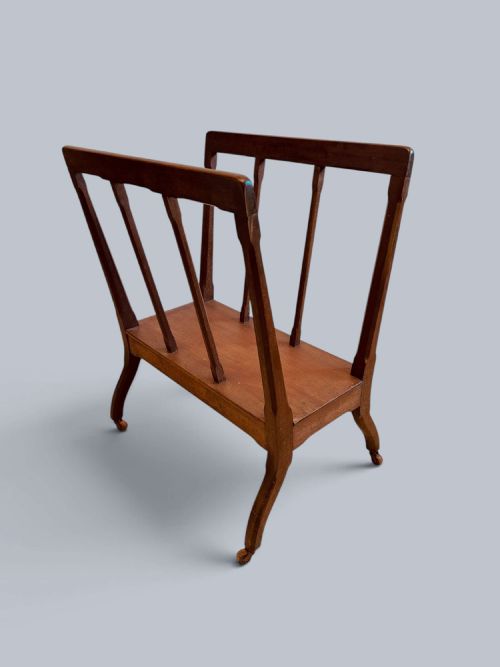
- Folio stand
- A piece of furniture designed to hold large portfolios of prints, maps and watercolours for display or browsing. These stands typically feature wooden frames with pivoting or sloping ledges.
Vintage Brown Print: Frequently Asked Questions
How should I hang framed prints?
Position framed artwork at eye level, ensuring secure fixings into wall studs or solid masonry to support the weight of the wood and glass. Keep pieces away from direct sunlight to prevent fading of the paper and ink.
Group smaller wall art with similar tonal palettes to create balanced displays. Leave adequate wall space between individual frames to let each piece breathe.
What periods do these pieces represent?
The selection spans from the eighteenth century through the Victorian and Edwardian eras into the mid-twentieth century. Earlier examples include Georgian maps and copper engravings.
Later items feature twentieth-century lithographs, watercolours and abstract prints. Each period employs distinct printing technologies and framing styles.
How do I care for antique paper?
Protect works on paper from excessive humidity and temperature fluctuations, which can damage the fibres and encourage mould growth. Ensure the glass does not touch the paper surface directly by using a mount or spacer.
Dust wooden frames gently with a dry cloth and avoid chemical cleaning sprays near the art. Professional framing conservation prevents long-term deterioration.
Are these works original?
Many listings comprise original watercolours, hand-coloured engravings and period first-edition prints produced during the stated era. Mediums range from unique painted studies to limited edition lithographs.
Descriptions detail whether an item is a direct painting, an engraving or a subsequent print after a known artist. Examine the paper texture and plate marks to understand the production method.