





Vintage Bronze Elephant
These vintage bronze elephant pieces bring heavyweight character and global design history straight to your mantelpiece.
Vintage Bronze Elephant
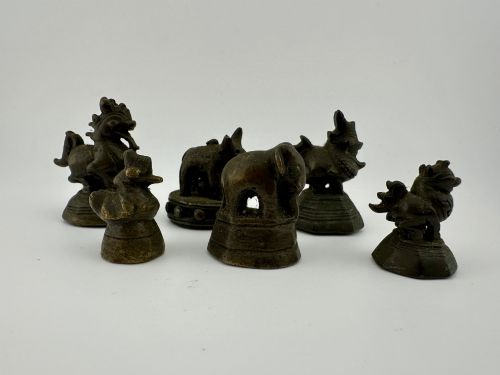
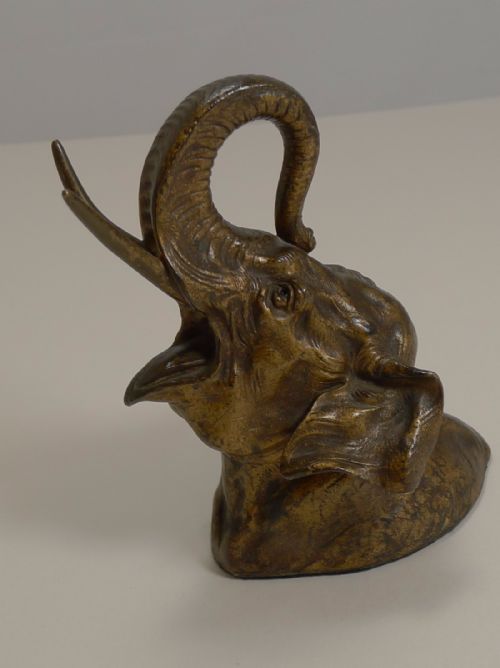
When you search for vintage bronze elephant items, you encounter a remarkable global variety spanning decorative sculptures, practical bookends, and mantel clocks. The selection on this page draws from multiple stylistic traditions, ranging from Art Deco French foundry work to Southeast Asian trade weights and Japanese Meiji craftsmanship.
The most common forms you meet here are functional items like bookends and clocks alongside standalone sculptures. Materials extend beyond pure bronze to include associated elements such as marble, brass, spelter, bone, copper, cast metal, and cloisonné enamel.
Origins stretch across the nineteenth and early twentieth centuries, capturing Victorian colonial tastes, Chinoiserie, Burmese artistry, and French Revival aesthetics. Buyers find everything from small trade weights to large engraved sculptures complete with riders.
How they were made
The primary metalwork relies on traditional casting methods, often utilising bronze or brass, sometimes supplemented by spelter or copper components. Foundries shaped these metals into complex animal forms, occasionally mounting them on marble bases or combining them with ormolu.
Surface decoration frequently involves detailed engraving, particularly on pieces originating from nineteenth-century Indian and Southeast Asian workshops. Cloisonné enamel and bone inlay further enrich the tactile surface texture of specific decorative items.
Vintage Bronze Elephant Retail Price Guide 2026
Typical asking prices for vintage bronze elephant among the pieces listed under this phrase on Sellingantiques today, from the lower quarter to the upper quarter. They describe what is for sale here now, not the wider market.
Several elephants carry riders, while others secretly double as trade weights or keep time atop marble mantel clocks.
What varies in quality
Quality in these figural metalworks rests upon the crispness of the casting and the depth of the surface chisel work. Superior examples display anatomically convincing forms and sharp detailing in tusks, trappings, and riders without losing the character of the animal.
The integration of secondary materials defines the upper tier of objects. A heavy marble mantel clock or a matched pair of bookends demonstrates superior weight, secure mounting, and harmonious proportions between the bronze sculpture and its functional base.
Ernest Louis Adnin
The Vintage Bronze Elephant Glossary
- Spelter
- A zinc alloy frequently used as a cost-effective substitute for bronze in decorative figures and bookends. It takes patination well but is softer and lighter than genuine bronze.
- Ormolu
- Gilded bronze or brass applied as a decorative mount on clocks and decorative objects. It provides a bright golden contrast to darker bronze figures.
- Cloisonné
- An ancient technique for decorating metalwork objects with coloured glass paste held within wire compartments. Pieces often feature vibrant enamel work alongside metallic elements.
- Opium weight
- Small trading weights cast in animal forms, commonly originating from Burma and Thailand. These functional objects double as miniature bronze sculptures.
- Meiji
- A period in Japanese history associated with highly refined metalwork and decorative arts exported to Western markets. Objects from this era show exceptional surface finishing.
Vintage Bronze Elephant: Frequently Asked Questions
Are all these items made of solid bronze?
While bronze is the predominant metal found across these sculptures and clocks, materials vary significantly within the selection. Listings also incorporate brass, copper, cast metal, and spelter.
Checking individual material notes helps confirm the exact metallic composition of each piece before purchase.
How do I date an antique elephant sculpture?
Dating relies on stylistic clues, foundry marks, and associated materials like marble bases or clock movements. Pieces span from the early nineteenth century through to Art Deco designs of the nineteen-thirties.
Comparing the casting technique and surface patination against known period styles provides the clearest indication of age.
What is the difference between a sculpture and a bookend?
Sculptures are designed as standalone display objects, often featuring intricate details like riders or elaborate trade trappings from Indian or Burmese traditions. Bookends are typically produced in matched pairs with weighted bases.
Both serve decorative roles, but bookends incorporate structural support to hold volumes upright on a shelf.
How should I care for vintage bronze surfaces?
Maintenance requires gentle dusting with a soft, dry cloth to protect the original patination built up over decades or centuries. Avoid harsh chemical cleaners or abrasive polishes that strip the surface finish.
Keeping pieces away from direct moisture and extreme temperature fluctuations preserves both the metal and any mounted marble or enamel.