






Vintage Bronze Cat
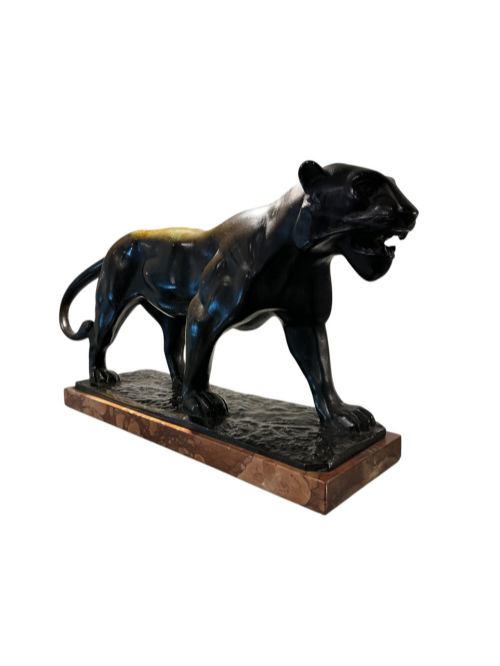
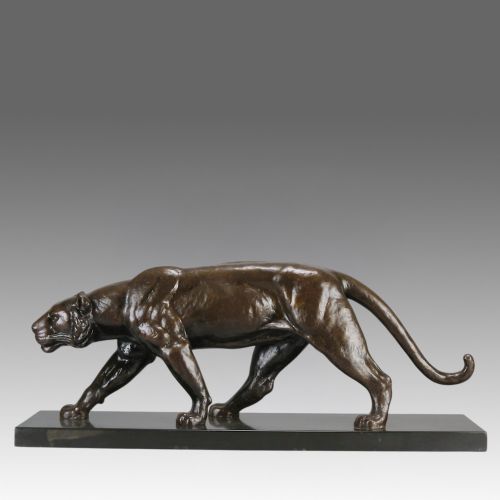
These vintage bronze cat figures are muscular, stylized sculptures and desk accessories capturing wild felines in motion, built to anchor an interior with serious presence.
Vintage Bronze Cat
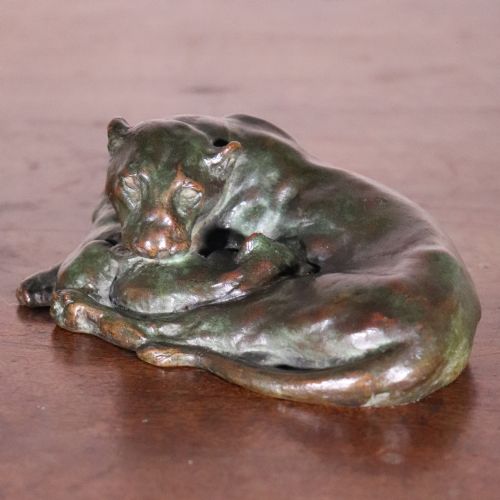
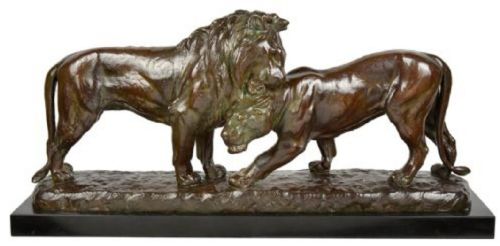
A vintage bronze cat search brings up heavy sculptural studies and decorative objects depicting panthers, tigers, lions and domestic kittens from periods spanning the late nineteenth century through the mid twentieth century. These pieces cross distinct movements, notably the realistic Animalier school and the streamlined geometry of Art Deco.
The most common versions met here are Art Deco panthers and tigers cast in bronze or spelter, frequently mounted upon contrasting marble or onyx bases. Figures range from compact desk sets to large mantel sculptures showing cats prowling, resting or stalking.
Origins heavily reflect French workshops, alongside Austrian cold-painted foundry work and British domestic metalware. Forms include standalone wildlife figures, functional desk accessories and even culinary moulds.
How they were made
Foundries utilised the lost-wax casting method for bronze pieces, allowing precise muscular detail and fluid movement to transfer from the original artist's model into molten metal. Spelter appears as a cheaper alternative alloy in several twentieth-century French productions, often finished with dark patination.
Surfaces received patination through chemical treatments to achieve deep browns, blacks and greens, or underwent cold-painting by hand as seen in Austrian school examples. Bases combined natural materials like black marble and onyx, secured with threaded bolts.
Cats stalk across these listings frozen mid-pounce, occasionally sharing desk space with inkwells and culinary moulds.
What varies in quality
The choice and preparation of the mounting stone dictates overall balance and visual weight. Dense, polished marble bases with tight joins elevate a casting, whereas poorly fitted mounts or heavy surface wear diminish the piece.
Alexandre Ouline·G. Gardet·Vannetti·Anna Vaughn Hyatt Huntington·Michel Decoux·Andrey·Louis Riche
The Vintage Bronze Cat Glossary
- Animalier
- A nineteenth-century artistic movement focused on the realistic depiction of animals, particularly wild beasts in combat or repose. Sculptors in this tradition studied anatomy extensively at menageries.
- Patinated Bronze
- Bronze metal treated with chemical acids and heat to produce a stable surface colour ranging from warm brown to deep black. This skin protects the metal and defines the sculptural shadows.
- Spelter
- A zinc-based alloy commonly used in continental manufacturing as an economical substitute for bronze. It is lighter in weight and softer, usually requiring applied paint or dark patination to mimic bronze.
- Cold Painted
- A method of decorating metal sculptures with oil or enamel paints without firing the piece in a kiln. This technique is particularly associated with Viennese workshops producing brightly coloured fauna.
- Hot Cast Bronze
- A traditional foundry process where molten bronze is poured into a mould at high temperatures. This differentiates traditional metalwork from modern cold-cast resin mixtures containing bronze powder.
Vintage Bronze Cat: Frequently Asked Questions
How do I spot a spelter cat?
Spelter is significantly lighter than bronze and often shows a dull, greyish metal underneath worn paint or patination rather than the warm golden-brown of rubbed bronze. A magnet will not stick to either metal, but the relative weight and surface grain usually betray the zinc alloy.
Friction marks or small chips on the edges of the figure reveal the softer nature of spelter compared to durable bronze.
Are marble bases original to the cat?
Many twentieth-century Art Deco sculptures were designed specifically to be bolted onto geometric marble or onyx plinths to provide stability and visual contrast. Replacement bases do occur if an original piece suffered a drop.
Inspect the underside of the stone for matching screw threads, felt pads and age-appropriate wear that aligns with the metal top.
What is cold painting on bronze?
Cold painting involves applying natural paint directly to a cured bronze surface without subjecting the piece to kiln firing. It was widely used on Austrian animal figures to render realistic fur patterns and tones.
Over decades, this paint can show fine craquelure or minor losses, which helps verify the age of the piece against modern reproductions.
How do I clean a bronze cat sculpture?
Dust bronze figures gently with a soft, dry microfibre cloth to prevent particulate buildup in the recessed areas. Avoid water, abrasive cleaners or chemical polishes that strip away the historical patination.
Applying a very thin coat of microcrystalline wax once a year helps protect the metal surface from atmospheric moisture.