





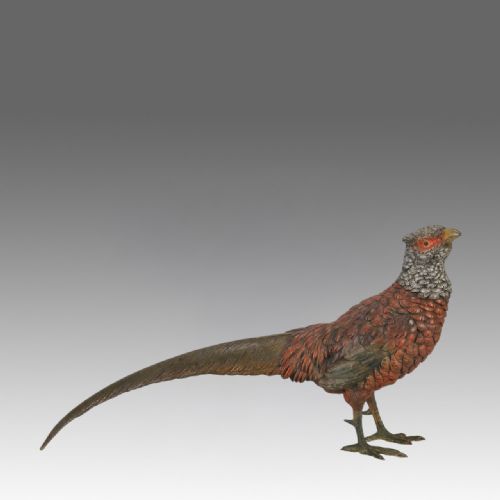
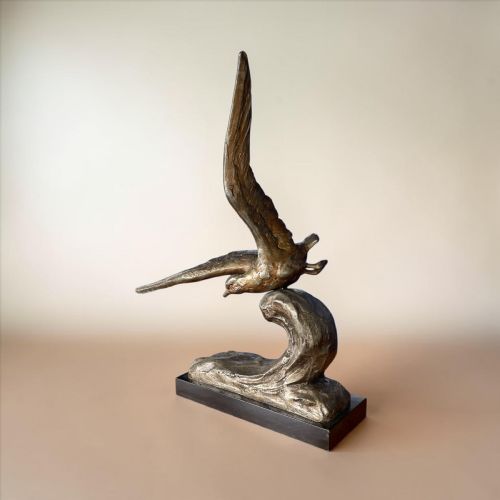


Vintage Bronze Bird Sculpture
These vintage bronze bird sculpture pieces capture avian forms across Art Deco and Animalier styles, offering collectors enduring metalwork and naturalistic charm.
Vintage Bronze Bird Sculpture
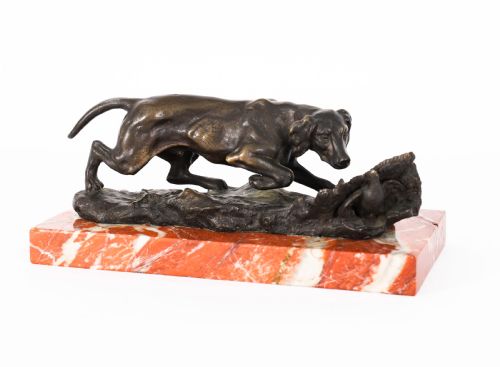
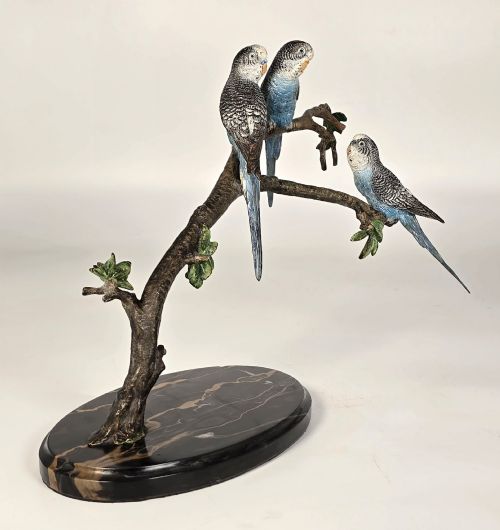
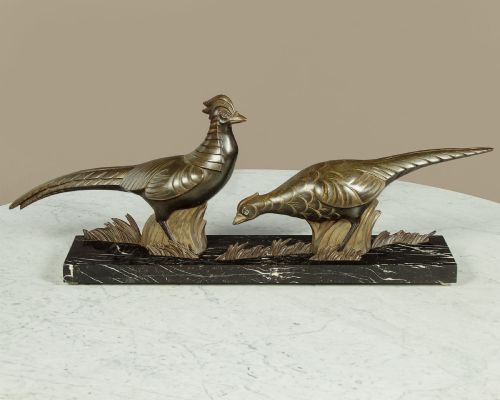
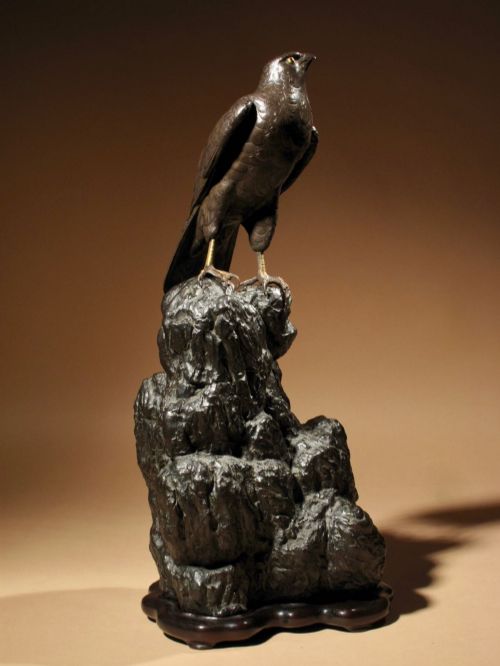
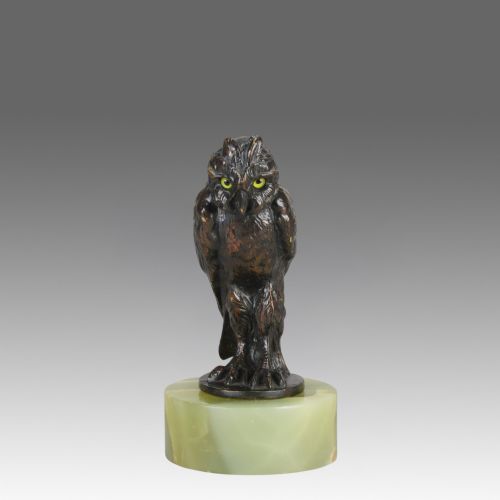
A vintage bronze bird sculpture represents avian subjects ranging from small budgerigars and kingfishers to larger cranes, pheasants and owls. These pieces appear frequently as cold-painted Austrian works, Art Deco desk items, and 19th-century Animalier studies.
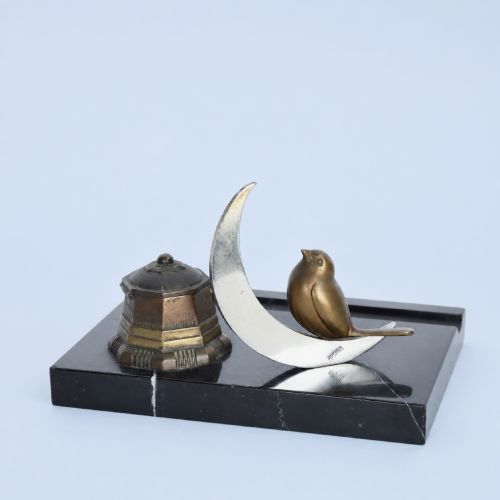
Buyers encounter subjects mounted on marble or onyx plinths, alongside bookends, inkstands, and free-standing figures. The selection includes domestic fowl, exotic parrots, and birds of prey captured in natural postures.
Materials and construction
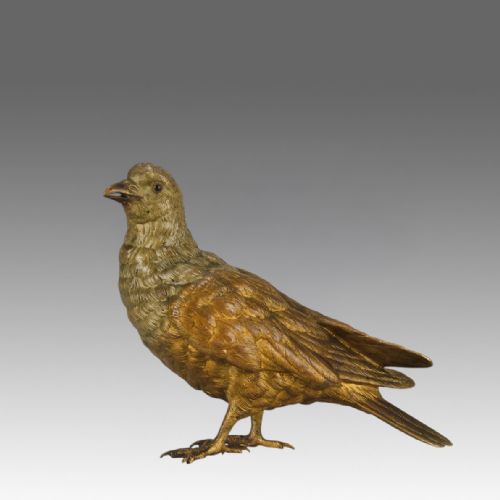
Foundries utilised traditional lost-wax casting methods to shape bronze into detailed feathers, beaks, and wings. Artisans frequently applied cold paint or enamel over the metal surface to render realistic plumage colours.
Many sculptures incorporate bases and plinths of black marble, onyx, or wood to anchor the heavier metal compositions. Certain pieces integrate secondary materials such as brass and paint alongside the primary bronze casting.
Vintage Bronze Bird Sculpture Retail Price Guide 2026
Typical asking prices for vintage bronze bird sculpture among the pieces listed under this phrase on Sellingantiques today, from the lower quarter to the upper quarter. They describe what is for sale here now, not the wider market.
Listings feature bronze bird sculptures spanning from the nineteenth century through the Art Deco period, incorporating marble, onyx, and cold-painted finishes.
Evaluating craftsmanship
The standard of a vintage bronze bird sculpture depends upon the crispness of the chasing and the preservation of the original cold-painted surface. Finer examples display meticulous feather detail and naturalistic proportions rather than simplified casting.
The integration of the metal figure with its marble or onyx base affects the overall visual harmony. Pieces carrying clear foundry marks or attribution to established sculptors demonstrate superior artistic execution.
Carl Kauba·Franz Bergman·P J Mêne·Auguste Moreau·Christophe Fratin
The Vintage Bronze Bird Sculpture Glossary
- Animalier
- A nineteenth-century artistic movement dedicated to the realistic portrayal of animals. Sculptors in this tradition focused on the anatomical accuracy of birds and beasts.
- Cold-painted bronze
- A technique where bronze figures are painted with polychrome oil or enamel paints without firing in a kiln. This method produced the vibrant plumage seen on many Austrian animal figures.
- Animalier bronze
- A term describing metal sculptures depicting wild or domestic animals in action or repose. These pieces often feature textured surfaces mimicking fur and feathers.
- Vienna bronze
- Small, highly detailed bronze sculptures produced in Austrian foundries during the late nineteenth and early twentieth centuries. They are typically characterised by extensive cold-painted coloration.
Vintage Bronze Bird Sculpture: Frequently Asked Questions
How are cold painted bronzes cleaned?
Dust the surface gently with a soft, dry brush to protect the delicate enamel or oil paint layers. Avoid water, harsh solvents, or abrasive cloths that can strip the original coloration.
Store the sculpture away from direct sunlight and excessive humidity to prevent the paint from fading or flaking over time.
How do I identify Art Deco bird sculptures?
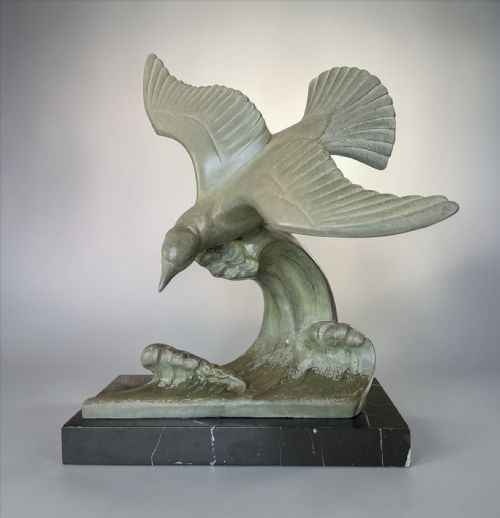
Art Deco bird sculptures often feature stylised geometric lines and streamlined forms, frequently paired with black marble or onyx bases. Common subjects include seagulls, pelicans, and pheasants rendered with modern aesthetic simplification.
Such pieces usually date from the interwar period and reflect the contemporary fascination with speed and clean design.
Are marble bases original to the bronzes?
Many nineteenth and twentieth-century sculptures were intentionally mounted on black marble, onyx, or wooden plinths to provide stability and visual contrast. The material of the base typically corresponds to the period of manufacture, such as polished black marble for Art Deco desk items.
Inspect the fit between the bronze feet and the stone surface to understand how the sculpture was secured.