



Vintage British Pastel Drawing
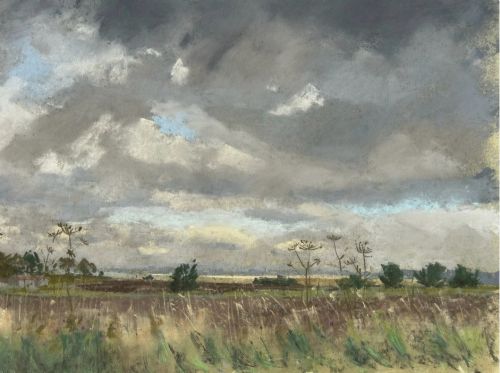
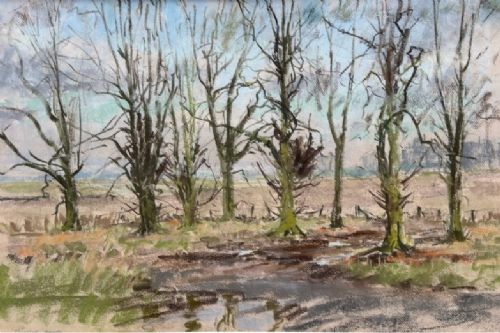
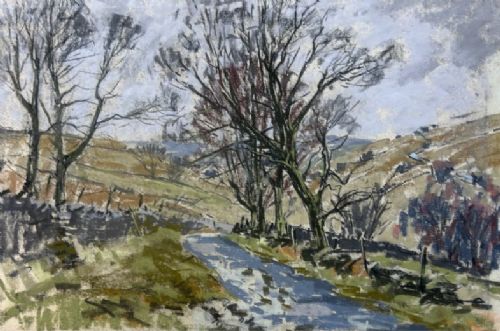
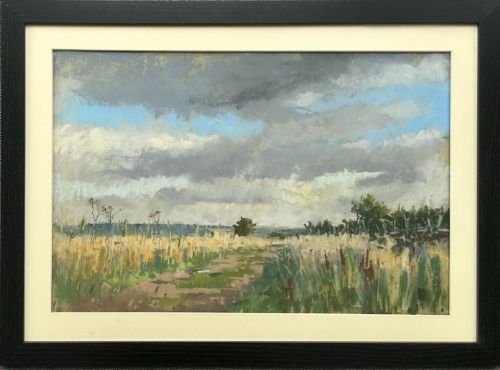
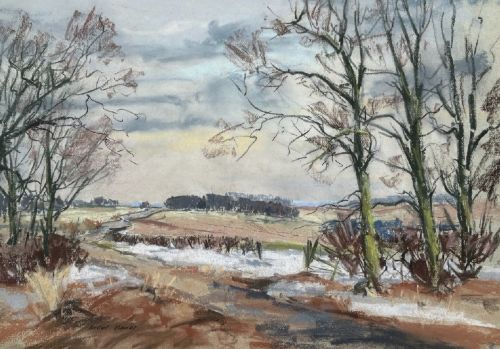
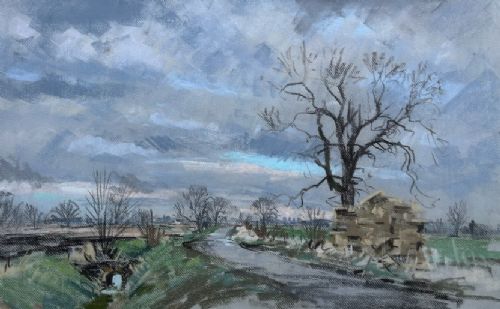
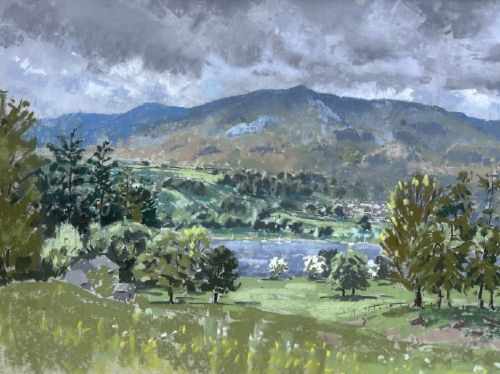
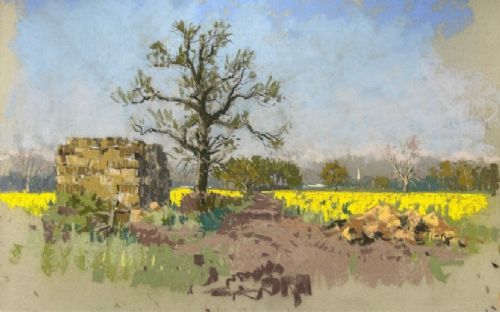
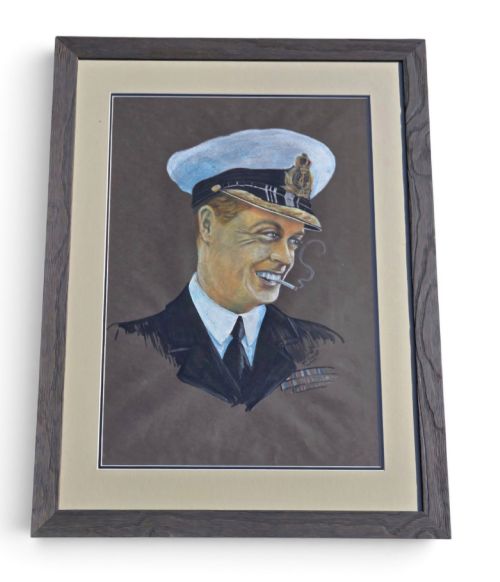
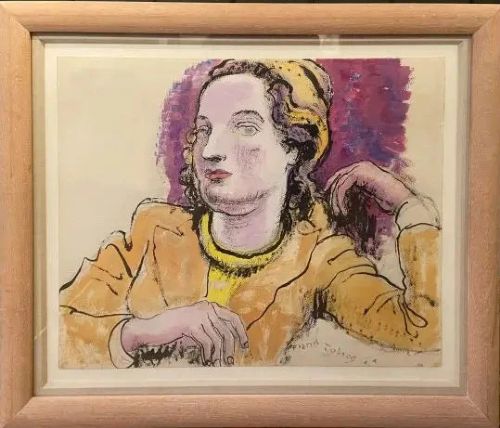
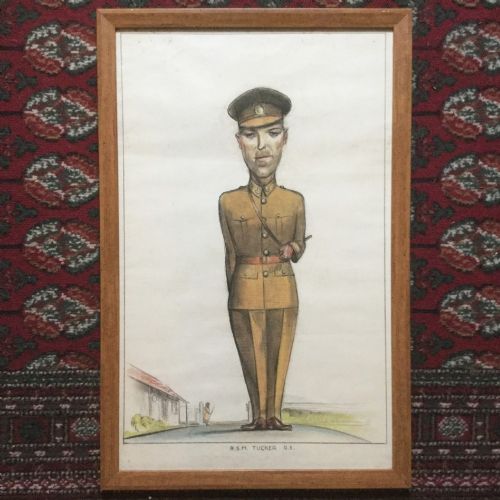
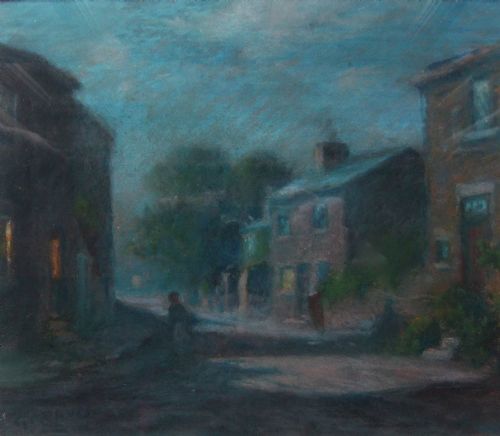
These vintage british pastel drawing works capture domestic scenes, military portraits, and rural landscapes across several decades of the twentieth century.
Vintage British Pastel Drawing
A vintage british pastel drawing represents an original piece of fine art created by artists working within the British tradition during the twentieth century. These works frequently take the form of framed portraits, figure studies, and topographical landscapes executed on paper.
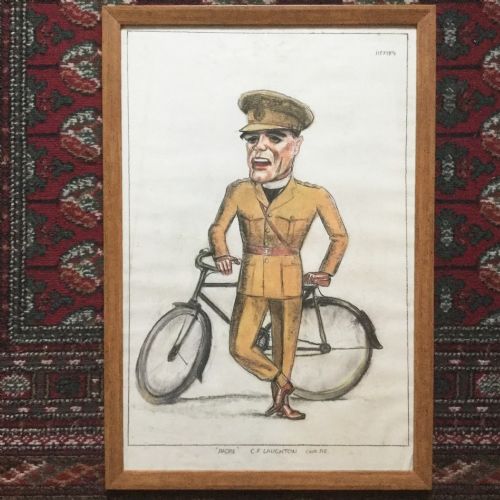
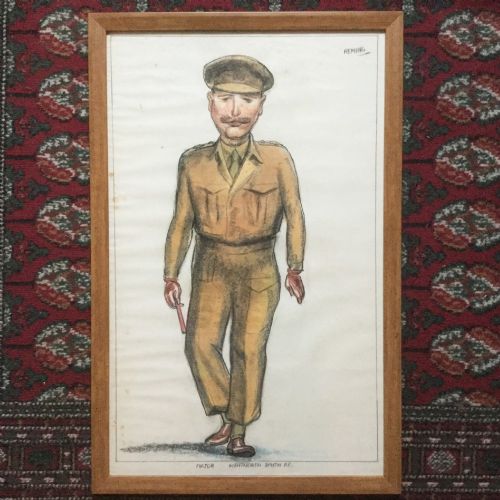
The selection ranges from Edwardian and wartime illustrations to mid-century modern and British impressionism. Buyers encounter diverse subjects, including military officers, royalty, horses, floral still lifes, and regional landscapes.
Portraits of military personnel from the wartime era and Edwardian character studies appear alongside modernist figure drawings and pastoral views. Each piece offers direct access to the hand of the artist through chalk and pastel marks.
Materials and construction
These works are executed primarily with pastel, chalk, and charcoal on paper, occasionally combined with gouache or watercolour. Artists layered powdery pigments to build depth and texture within portraits and landscapes.
Framing materials reflect the period of creation, featuring wood, glass, and giltwood surrounds that protect the delicate paper surface. Coloured paper is utilised in specific examples to provide a mid-tone ground for the pastel marks.
Vintage British Pastel Drawing Retail Price Guide 2026
Typical asking prices for vintage british pastel drawing among the pieces listed under this phrase on Sellingantiques today, from the lower quarter to the upper quarter. They describe what is for sale here now, not the wider market.
Listings feature works spanning from the Edwardian era through the 1930s, 1940s, 1950s, and 1960s, executed on paper and mounted in wood or giltwood frames.
Distinctions in quality
The preservation of the pigment and the quality of the contemporary framing contribute significantly to the standing of a piece. Works by established Royal Academicians or exhibited artists display greater compositional ambition and handling.
Frank Dobson·Samuel Rabin·John Rattenbury Skeaping·Cecil Charles Windsor Aldin·Aubrey Sykes
The Vintage British Pastel Drawing Glossary
- Pastel
- A dry medium composed of powdered pigment and a binder, formed into sticks for drawing. It produces rich, velvety colour surfaces on paper.
- Gouache
- An opaque water-based paint frequently used alongside pastel and charcoal to add highlights and solid colour passages.
- Giltwood
- Wood carved and covered with a thin layer of gold leaf or gilt paint, commonly used for period picture frames.
- Draughtsmanship
- The skill and technique of drawing form, line, and perspective. Strong draughtsmanship underpins the success of figurative pastel work.
- Edwardian
- Pertaining to the period of the reign of King Edward VII from 1901 to 1910, characterised by specific artistic styles and portrait conventions.
Vintage British Pastel Drawing: Frequently Asked Questions
How do I hang a pastel drawing safely?
Hang these works away from direct sunlight to prevent the pigments from fading over time. Ensure the room maintains stable humidity levels to protect the paper and framing.
Keep the drawing behind protective glass and avoid placing pieces on damp external walls. Professional framing with acid-free mounts preserves the integrity of the paper.
Are these drawings original works of art?
Each piece is a unique hand-drawn original created directly by the artist using pastel, chalk, or charcoal. They are not mass-produced prints or mechanical reproductions.
The visible texture of the pigment and individual hand movements confirm their status as singular works on paper.
What subjects are most common?
Portraits form a major category, ranging from Edwardian sitters and royalty to military officers sketched during wartime. Landscapes and still life compositions also feature prominently across the decades.
Equestrian scenes and topographical views provide further variety for collectors interested in specific British subjects.
How can I tell the period of a drawing?
Stylistic indicators such as modernist abstraction, wartime uniform details, or Edwardian costume provide primary clues to the date. Signatures, framing styles, and artist biographies offer additional confirmation.
Many pieces bear dates or inscriptions left by the artist or contemporary owners.