

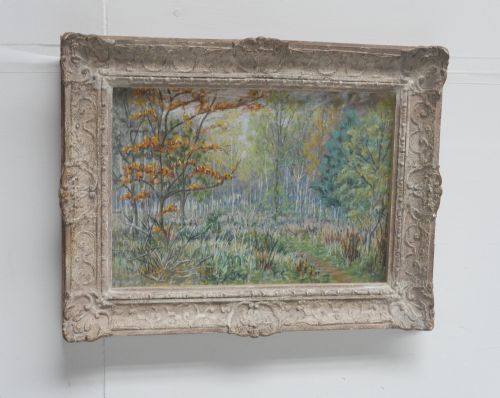


Original Pastel Landscape Drawing
An original pastel landscape drawing captures the transient moods of nature with velvety pigment on paper, prized for its intimate immediacy and rich colour.
Original Pastel Landscape Drawing
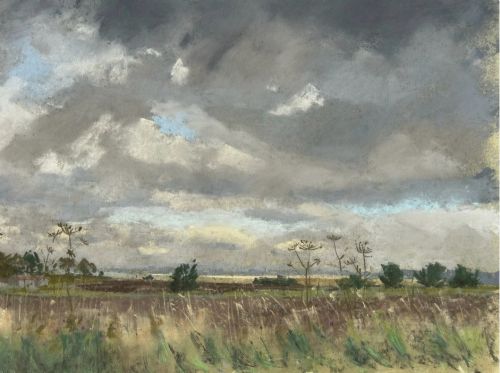
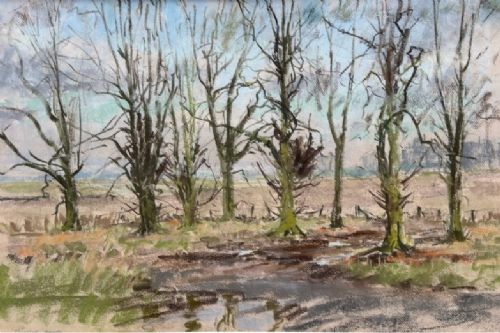
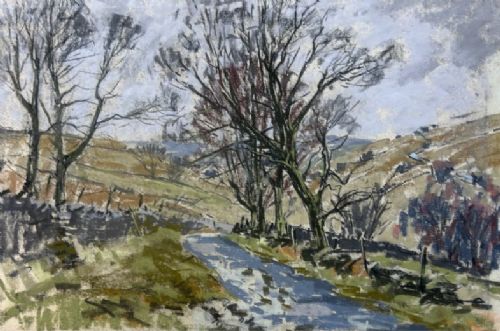
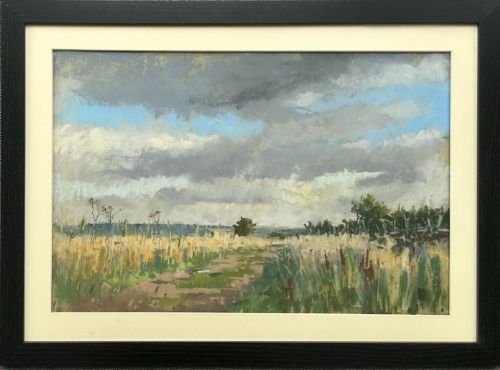
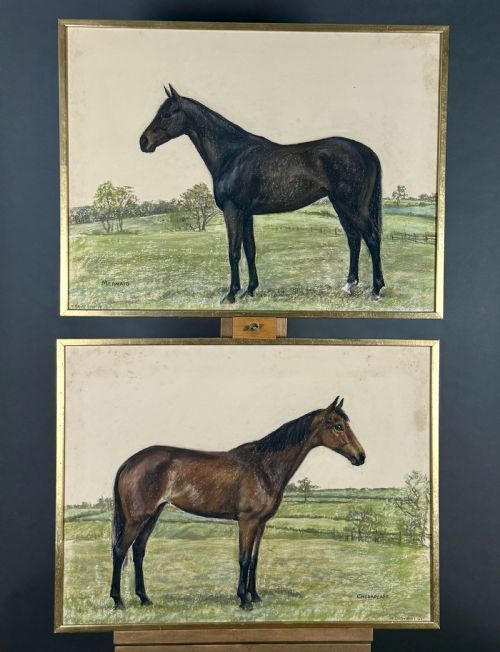
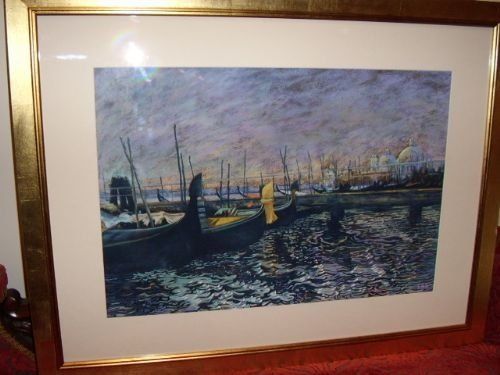
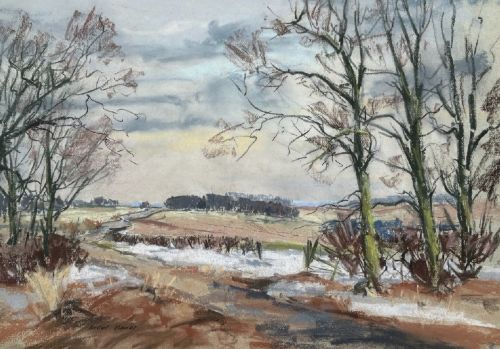
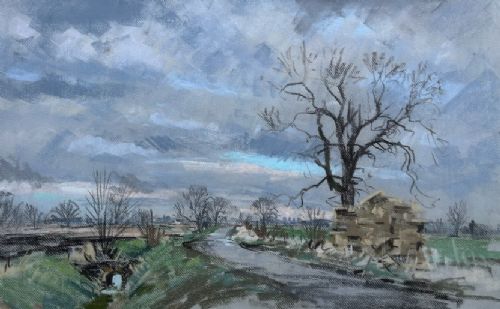
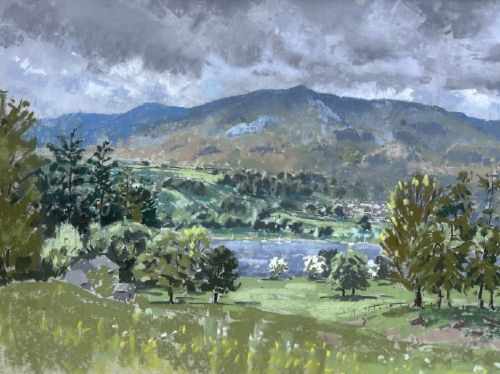
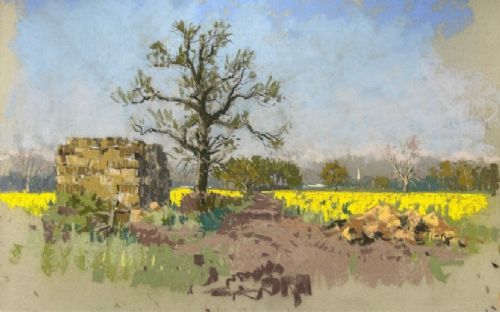
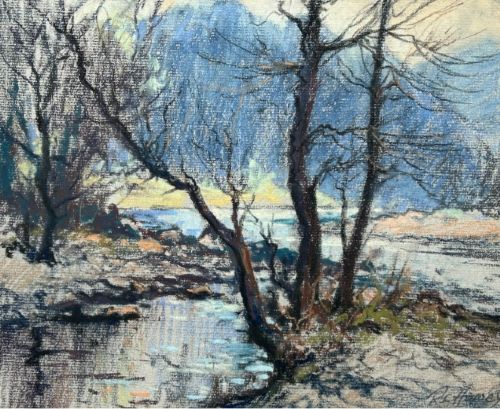
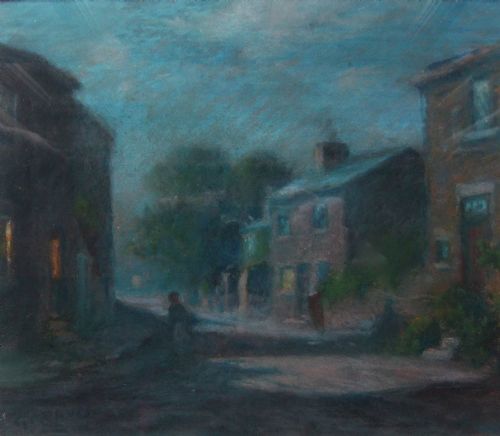
An original pastel landscape drawing represents a distinct genre of wall art focused on natural vistas, river views, harbours, and rural scenes created by hand. These works range from late nineteenth century examples to mid twentieth century creations, capturing scenes from British, Canadian, and French locations.
The most common pieces on this page are mid twentieth century and Edwardian works executed on paper, often preserved behind glass within wood, gilt wood, or plaster frames. These framed artworks vary from intimate studies of trees and meadows to larger depictions of Yorkshire landscapes and European scenes.
Makers and artists span regional British traditions, Impressionist circles, and continental schools, bringing varied regional character to each framed painting and pastel drawing. Collectors encounter both signed works by known painters and atmospheric pieces by the British School.
How they were made
Pastel pigment is applied directly to paper, sometimes supplemented with gouache, ink, or watercolour to define details in trees, water, and architecture. The dry powdered pigment is layered and blended by hand, demanding swift execution and precision from the artist.
Finished works require protection beneath glass within wooden or gilt wood frames to prevent the delicate pigment from smudging over time. Plaster elements within the framing often provide structural ornamentation typical of the period.
Original Pastel Landscape Drawing Retail Price Guide 2026
Typical asking prices for original pastel landscape drawing among the pieces listed under this phrase on Sellingantiques today, from the lower quarter to the upper quarter. They describe what is for sale here now, not the wider market.
Listings span works dated across the Edwardian era, 1890, 1910, 1930, 1950, and 1960, utilising pastel, gouache, ink, and paper within wood and gilt frames.
What varies in quality
The strength of composition and the handling of light distinguish superior works, particularly in capturing fleeting atmospheric effects such as sunset glow or evening light. Skill in blending pigment on paper determines the depth and luminosity achieved within the landscape.
The preservation of the paper support and the originality of the accompanying frame contribute significantly to the standing of a piece. Works retaining their early glass and period framing offer a more complete historical survival.
Robert Leslie Howey·William Greaves·John Hobson Nicholson·Berthe des Clayes·Angus Rands·Marjorie Christine Bates·Leonard Richmond·Paul Koehler·Edward Handley-Read
The Original Pastel Landscape Drawing Glossary
- Pastel
- A dry painting medium composed of powdered pigment and a binder, shaped into sticks for direct application to paper. It yields vibrant matte surfaces that require glass protection.
- Gouache
- An opaque water-based paint often used alongside pastel to add highlights or sharp linear details to a landscape drawing. It provides dense coverage and flat colour.
- Impressionist
- A style focusing on the accurate depiction of light and its changing qualities, heavily represented in these landscape works. Artists prioritise loose strokes over rigid academic finish.
- Gilt wood
- Wood coated with a thin layer of gold leaf or metallic gilt, commonly utilised for period frames on nineteenth and twentieth century artworks. It adds reflective warmth to the display.
- Post-Impressionism
- An art movement extending Impressionism while rejecting its limitations, notable for bolder use of colour and expressive form in landscape painting.
Original Pastel Landscape Drawing: Frequently Asked Questions
Are these pastel drawings one-off pieces?
Every pastel landscape drawing listed is an original, unique hand-drawn work rather than a mass-produced print or reproduction. Artists applied dry pigments directly to paper to capture specific views of Yorkshire, Europe, and local scenery.
Because each piece relies on the artist's hand at the easel, no two drawings share identical marks or colour blending. This individuality forms the core appeal for collectors acquiring vintage wall art.
How do I identify the period of a pastel landscape?
The framing materials, paper stock, and artist signatures often provide clear indications of a piece's era, ranging from late nineteenth century works to mid twentieth century examples. Stylistic markers such as Impressionist brushwork or regional British school techniques help narrow down the decade of creation.
Archival records for similar signed works by artists like Robert Leslie Howey or Angus Rands further anchor specific pieces within the nineteen-fifties and nineteen-sixties. Comparing the subject matter to known exhibition dates adds extra certainty to the dating.
What is the difference between pastel and gouache?
Pastel consists of dry pigment sticks that leave a velvety, powdery trace on paper, relying on physical contact between pigment particles and the paper tooth. It offers rich blending capabilities but remains vulnerable to disturbance if touched.
Gouache is a wet, opaque water-based paint that dries to a smooth, matte finish and can be layered with precision. Artists frequently combined both mediums on a single sheet to achieve varied textural effects in water and sky.