


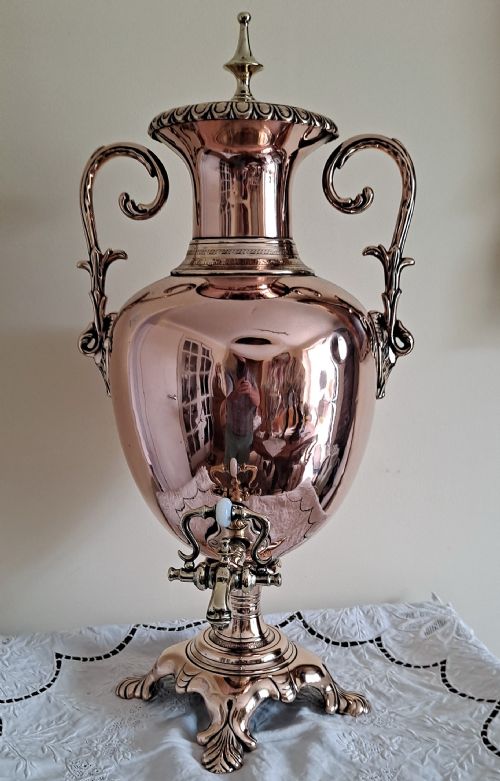


Vintage Brass Taps
These vintage brass taps and related metalware bring authentic period character to a modern interior, offering both genuine utility and sculptural presence.
Vintage Brass Taps
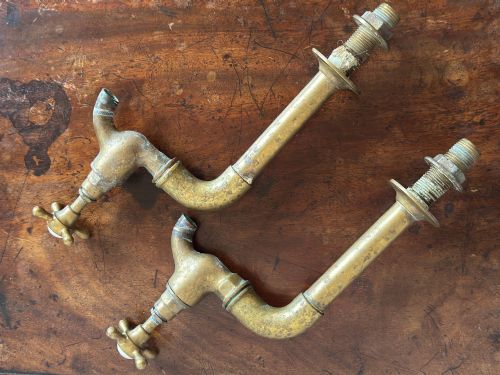
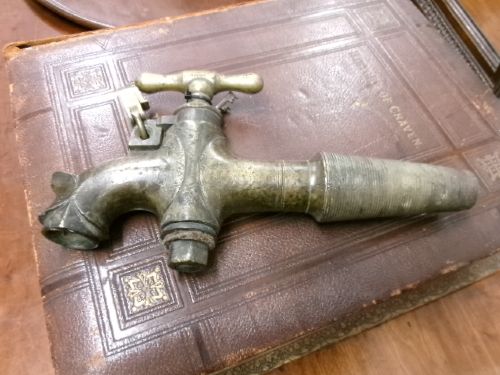
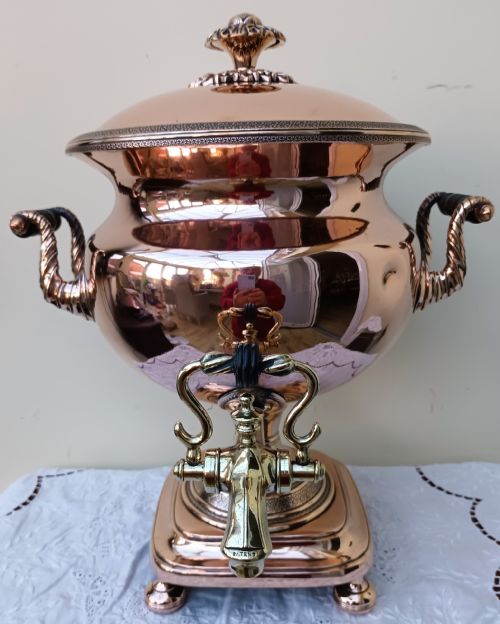
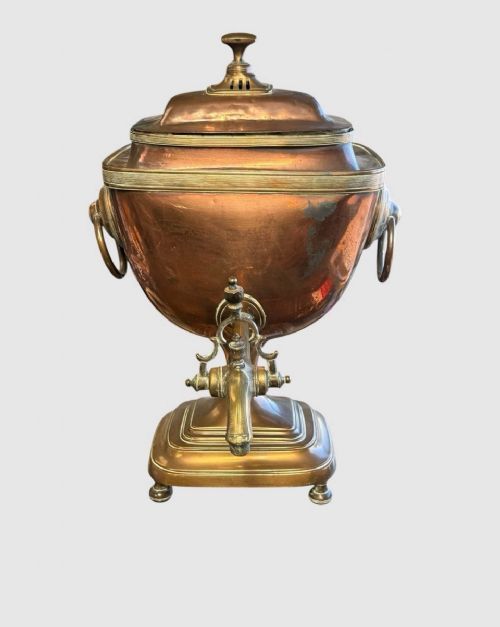
When you search for vintage brass taps, you encounter a varied selection of nineteenth-century hardware, service vessels and desk accessories rather than a single category of plumbing. The pieces listed range from heavy Victorian bath taps and counter bells to copper and brass samovars, tea urns and spirit dispensers from the Georgian, Regency and Victorian eras.
You are most likely to meet solid brass bath taps alongside functional hospitality items like samovars and spirit dispensers that incorporate brass elements, spanning periods from the late eighteenth century through to late Victorian times. These items reflect the heavy, durable metalwork typical of country houses, commercial bars and domestic service spaces of the period.
Materials and construction
The objects combine heavy-cast brass and warm copper with occasional secondary elements such as ceramic components, ebonised wood and glass reservoirs. Metalworkers utilised traditional casting, hammering and turning techniques to form these robust fixtures and service vessels, ensuring they could withstand daily domestic or commercial use.
Surfaces show varying finishes from polished brass to patinated bronze and copper, often paired with turned wooden handles or tinplate components. The construction relies on mechanical joints, threaded fittings and riveted plates characteristic of nineteenth-century metal fabrication.
Vintage Brass Taps Retail Price Guide 2026
Typical asking prices for vintage brass taps among the pieces listed under this phrase on Sellingantiques today, from the lower quarter to the upper quarter. They describe what is for sale here now, not the wider market.
Some nineteenth-century counter bells still retain the sharp, authoritative ring once used to summon absent shopkeepers from the back room.
Assessing quality and manufacture
Quality reveals itself in the weight of the metal, the crispness of cast details and the integrity of the mechanical action within taps, bells and dispensers. Superior examples demonstrate substantial gauge brass, precise turning on wooden handles and well-fitted components that operate smoothly.
The distinction between standard utility items and finer pieces lies in the proportion, the finishing of decorative elements, and the retention of original mounting hardware or matching pairs. Pieces produced for formal reception rooms or grand country houses typically display heavier casting and more thoughtful detailing than utilitarian shop or bar hardware.
The Vintage Brass Taps Glossary
- Samovar
- A heated metal urn traditionally used to boil water for tea, typically featuring a central internal chimney and a small brass spigot near the base.
- Counter bell
- A spring-loaded bell mounted on a brass or wooden base, designed for placement on a desk or shop counter to summon service.
- Spirit dispenser
- A glass or metal vessel mounted with a tap mechanism, used in nineteenth-century bars and homes for serving spirits such as whisky or gin.
- Toleware
- Painted or lacquered tinplate objects, often produced in imitation of japanned metalware during the eighteenth and nineteenth centuries.
- Bronze
- An alloy consisting primarily of copper, frequently utilised for nineteenth-century bath taps and hardware where a darker patinated finish was desired.
Vintage Brass Taps: Frequently Asked Questions
What are vintage brass taps used for today?
Many buyers utilise restored period brass taps for bathroom and kitchen renovations, integrating historical hardware into contemporary plumbing systems.
Other items such as counter bells and spirit dispensers serve as decorative desk accessories or functional display pieces in domestic interiors.
How do I clean vintage brass and copper?
Routine maintenance typically involves gentle dusting with a soft cloth to preserve the existing historical patina developed over the centuries.
Aggressive metal polishes should be avoided unless a bright, reflective finish is specifically desired, as they can remove subtle surface ageing.
Can antique bath taps be plumbed in?
Many nineteenth-century bath taps can be adapted by a qualified plumber to fit modern pipework standards using suitable conversion adaptors.
It is essential to check the internal mechanism and thread sizes before undertaking any installation work in a modern bathroom.
How do I date a brass or copper samovar?
Dating relies on stylistic clues, construction methods, and the form of the handles, spigots, and pedestals characteristic of Georgian or Victorian design.
Earlier pieces from the Regency period often display more refined neoclassical proportions compared to the heavier, robust forms of late Victorian examples.