




Vintage Brass Stool
These vintage brass stool pieces combine robust metal frames with traditional upholstery, offering functional character for any room.
Vintage Brass Stool
When you search for vintage brass stool, you encounter a variety of low footstools, music seats, and hearth accessories like brass and steel footmen originating from the nineteenth century onward. These forms bridge utilitarian metalwork and domestic comfort, often appearing alongside related seating types such as mahogany footstools and library steps.
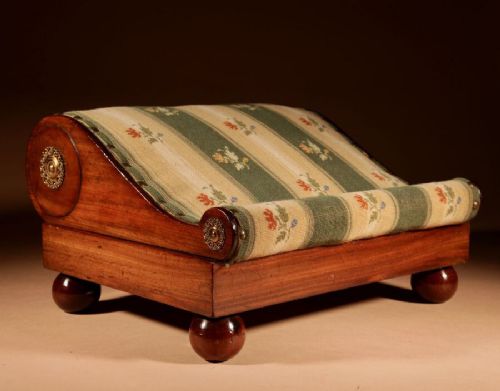
The materials paired with the metal vary across the selections, incorporating mahogany, walnut, oak, rosewood, and yew wood alongside fabric, leather, velvet, and silk upholstery. Victorian and Edwardian examples dominate the physical evidence, bringing period craftsmanship into modern interior arrangements.
Distinctions in craftsmanship and material grade
Quality differences emerge in the selection of timbers and the precision of the metal casting, with dense hardwoods and heavier brass frames indicating superior manufacture. The execution of upholstery, from buttoning to the choice of covering fabric, separates standard production from finer workshop pieces.
The integrity of the structural joints and the retention of original components such as castors or specific hardware influence the standing of an individual piece within its period.
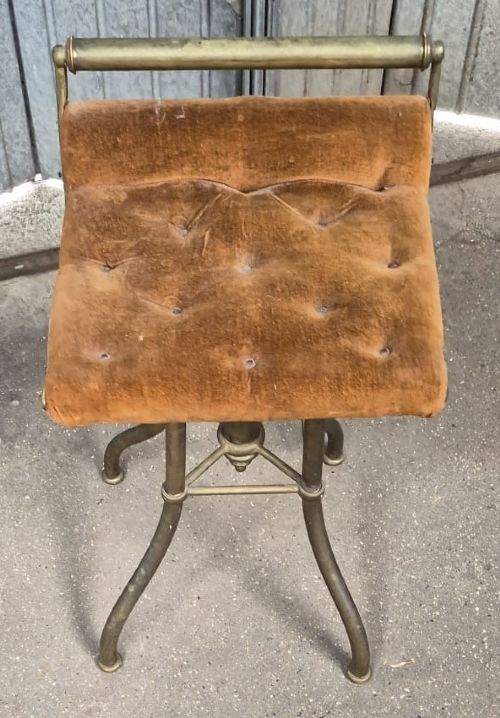
Some nineteenth-century music stools featured internal mechanisms designed for pianists who needed to spin rapidly toward the sheet music.
Howard and Sons·Rowley Gallery
The Vintage Brass Stool Glossary
- Footman
- A metal stand placed before a fireplace, typically constructed from brass and steel, used historically for keeping food warm.
- Music stool
- An adjustable seat designed for musicians, often featuring a mechanism and revolving top dating from the nineteenth century.
- Cabriole leg
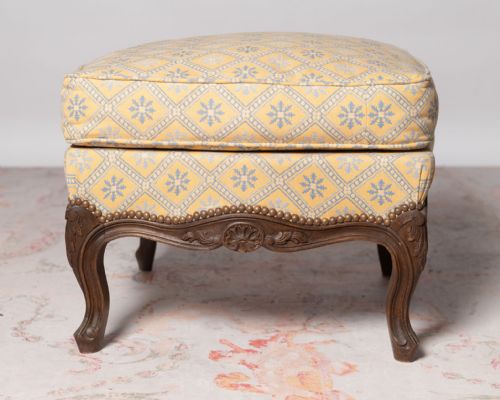
- A furniture leg that curves outward and then tapers inward, frequently seen on Victorian and Edwardian walnut or mahogany stools.
- Ottoman
- A low, upholstered seat or box without arms or a back, frequently produced in large proportions during the nineteenth century.
- Library steps
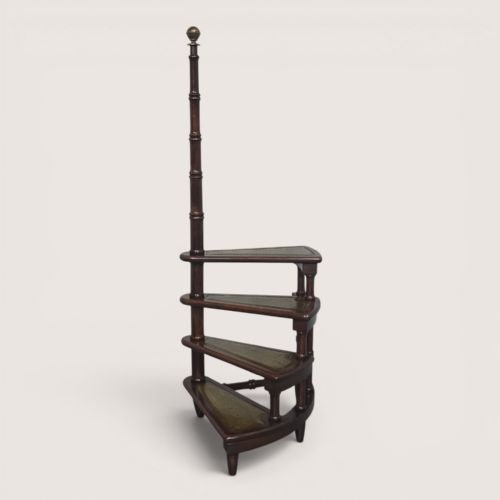
- A set of portable stairs used to reach high bookshelves, occasionally categorized alongside seating and footstools in period groupings.
Vintage Brass Stool: Frequently Asked Questions
How do I clean a brass frame?
Use a soft dry cloth to remove dust from the metal surface without disturbing the patina.
Avoid harsh chemical cleaners that might strip the historic finish from the brass.
Can I reupholster these stools?
Many pieces accept new fabric easily, and some examples are sold specifically ready for upholstery.
Retain the underlying webbing and stuffing methods if you wish to preserve the period integrity of the seat.
Where were footmen used?
Footmen stood directly in front of the hearth in nineteenth-century homes to support kettles or dishes.
The combination of brass and steel allowed the metal to withstand high temperatures near the fire.
How do I date a Victorian stool?
Examine the timber species, such as mahogany or walnut, alongside construction methods like hand-cut joints.
Style indicators like deep buttoning and turned cabriole legs point directly to nineteenth-century manufacture.