


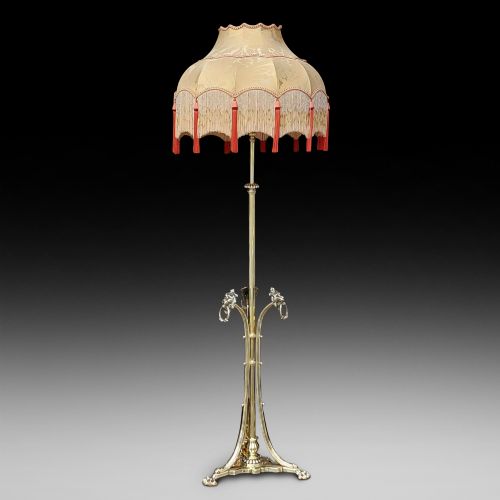
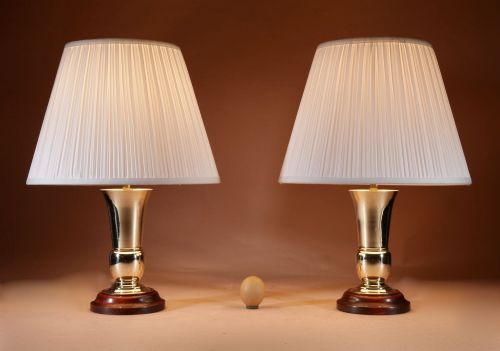
Vintage Brass Shade
A vintage brass shade brings warmth and industrial or period character to a room through solid metal construction and complementary glass.
Vintage Brass Shade
A vintage brass shade serves as a functional metal cover for interior illumination, appearing across table lamps, floor lamps, and ceiling fixtures. These pieces originate from periods spanning the Victorian era through the Art Deco years and the early twentieth century.
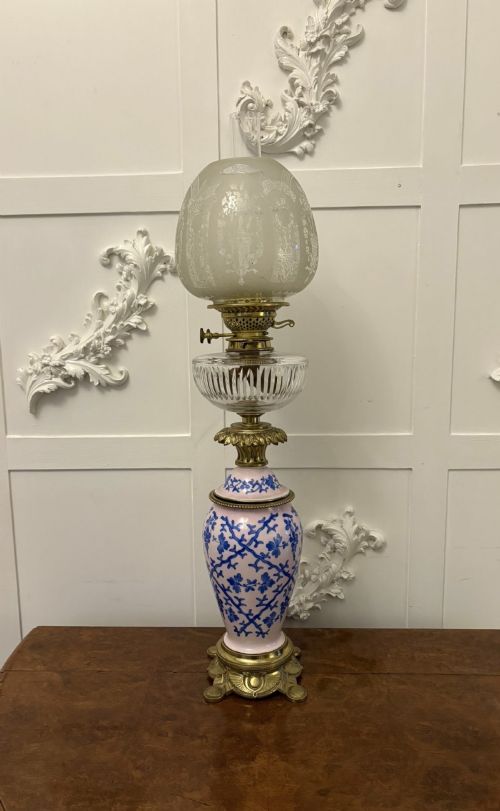
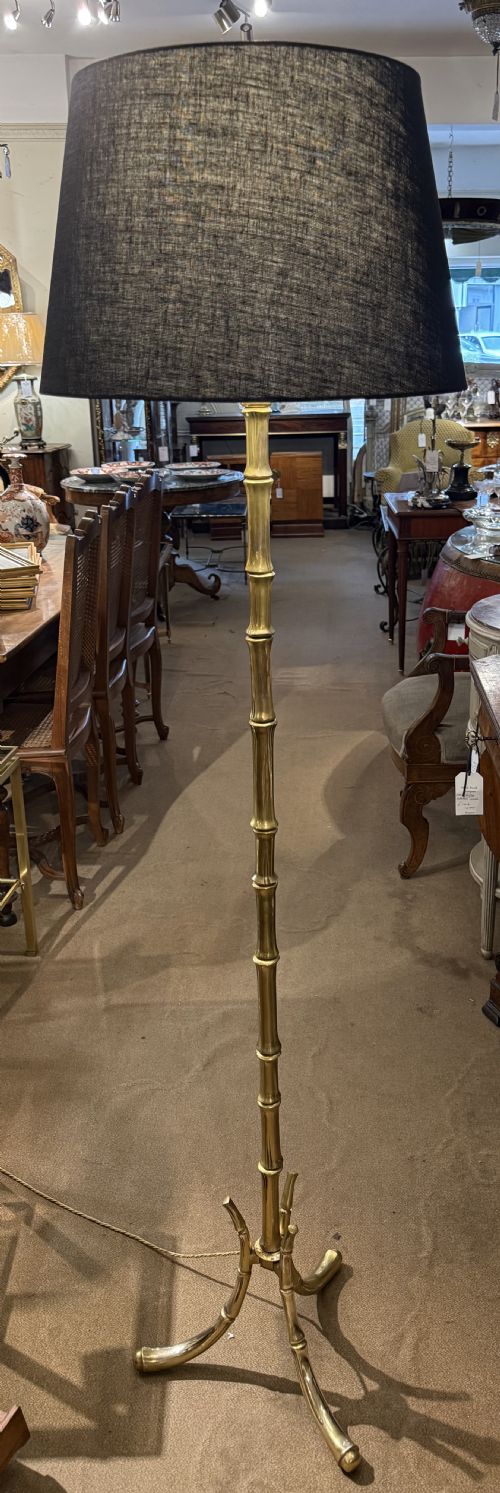
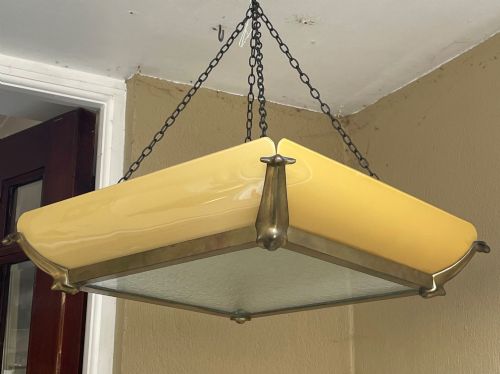
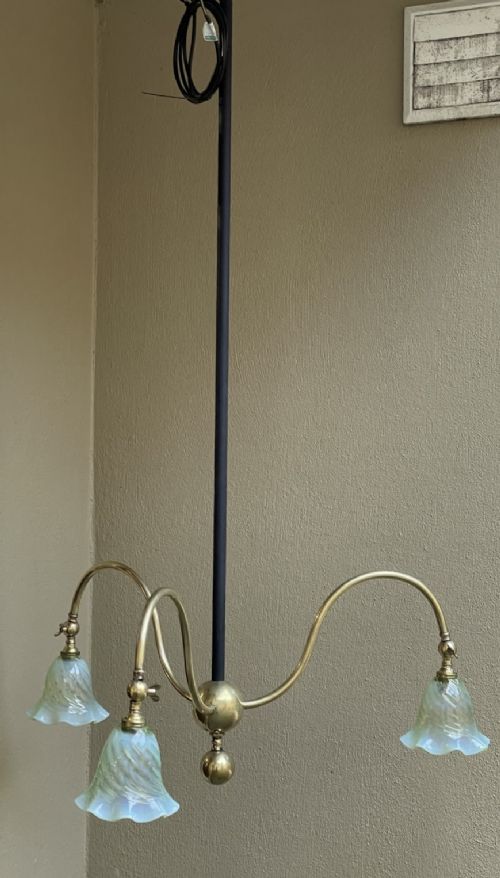
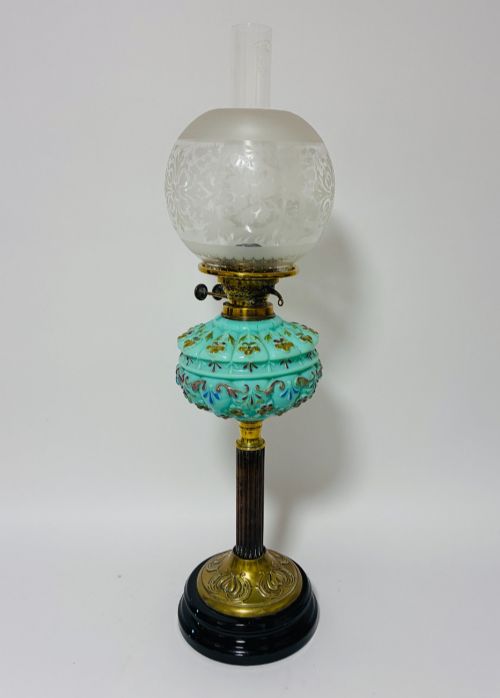
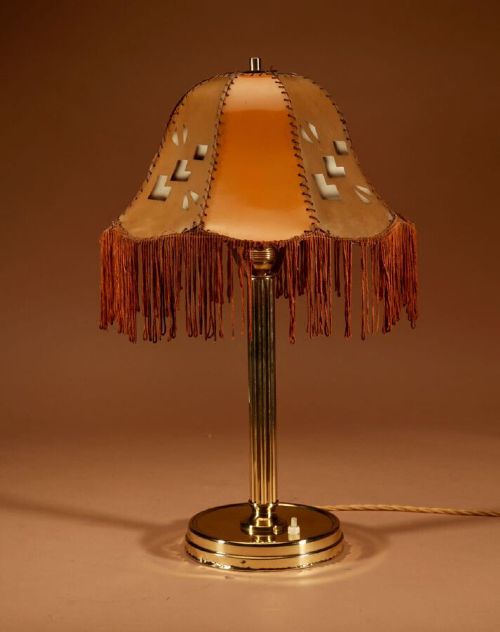
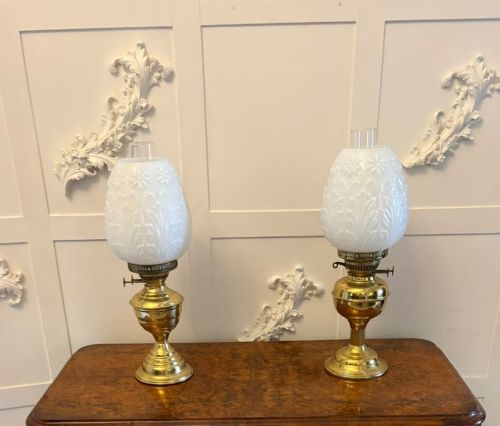
Buyers will encounter various configurations on this page, including oil lamps converted to electricity, industrial ceiling lights, and standard lamps. Brass frequently pairs with glass, crystal, or fabric components to diffuse light effectively.
The assortment includes English and French pieces, ranging from residential bouillotte desk lamps to monumental sculptural designs and institutional fittings from town halls or hotels.
Materials and construction
Makers utilised solid brass for structural columns, bases, and shade mounts, employing casting and turning techniques to shape the metal. Many components show the weight and density characteristic of nineteenth and early twentieth-century metalworking.
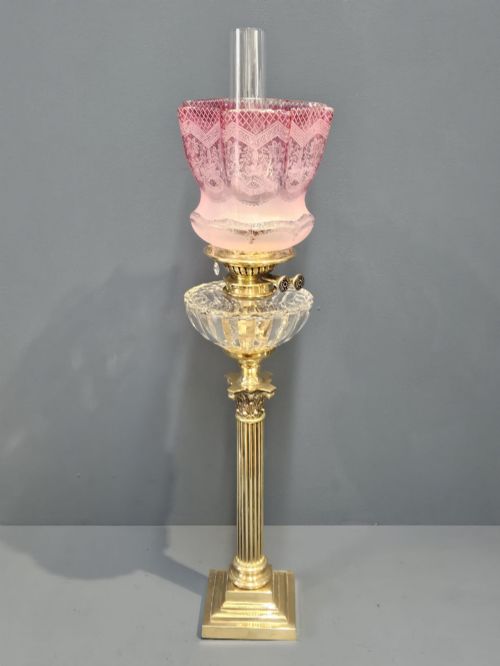
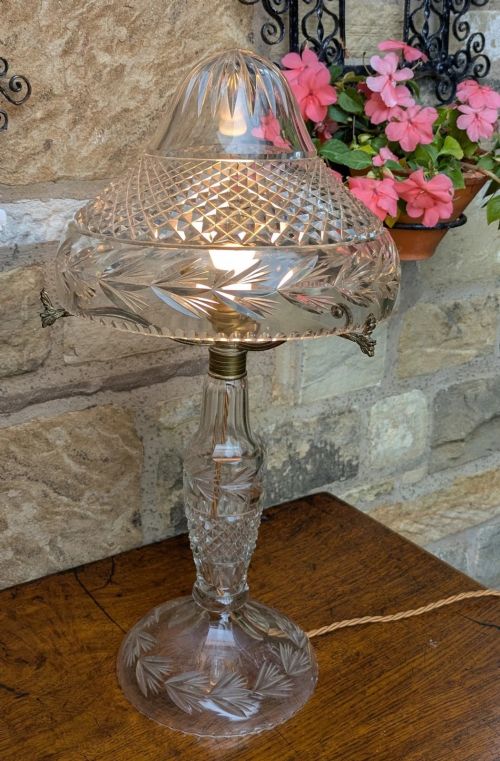
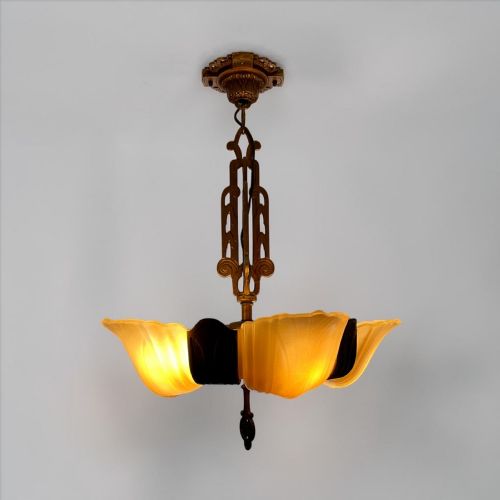
Glass elements such as opaline, cranberry glass, cut crystal, and slip shades were integrated to soften the glare of gas or early electric bulbs. These shades were blown, moulded, or cut by hand before being fitted to the metal hardware.
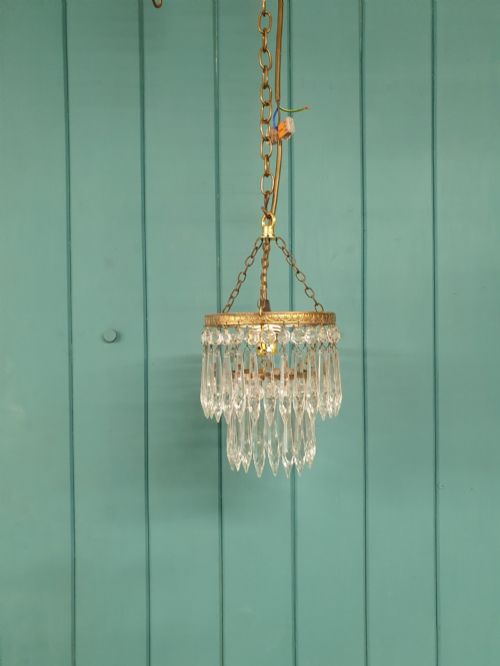
Listings feature brass combined with cranberry glass, opaline glass, cut crystal, and green toleware across multiple historical periods.
Distinctions in standard
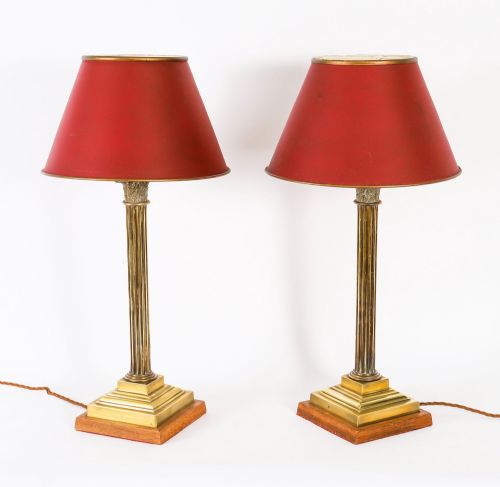
The calibre of a vintage brass shade and its accompanying fitting rests upon the crispness of the casting detail, such as the fluting on Corinthian columns or the precision of pierced metalwork. Heavier gauge brass and thick, unblemished cut glass or crystal indicate superior original manufacture.
Subtleties in proportion and the integration of components separate standard production items from distinguished examples originating from notable hotels, civic buildings, or known designers.
Maison Bagues·Angelo Brotto for Esperia
The Vintage Brass Shade Glossary
- Bouillotte lamp
- An adjustable desk or table lamp featuring a central shade, traditionally made of toleware or metal, directing light downward over a small basin base. They often incorporate twin or triple candle-style arms.
- Opaline glass
- A pale, opaque glass that diffuses light softly without complete transparency, commonly used for Victorian and Edwardian shades. It appears in white and delicate pastel hues.
- Plafonnier
- A ceiling-mounted dome or bowl light fixture designed to sit close to the surface, frequently manufactured from cut or moulded glass set within a brass frame.
Vintage Brass Shade: Frequently Asked Questions
How do I clean brass and glass shades safely?
Use a soft, dry cloth to remove dust from brass surfaces without stripping patination or lacquer. Wash glass shades separately in lukewarm soapy water, ensuring they are completely dry before reassembly.
Avoid abrasive cleaners or chemical polishes that can permanently scratch or damage vintage metal finishes and delicate glass treatments.
Are these lamps converted for modern wiring?
Many older lamps originate from gas or oil periods and require professional rewiring to meet contemporary electrical standards. Dealers frequently note conversion work or retain original fittings where appropriate.
Buyers should have any historic lighting checked by a qualified electrician before connecting it to a mains power supply in the home.
How do I date a brass shade or lamp?
Dating relies on stylistic clues, manufacturing methods, and materials recorded across Victorian, Edwardian, and Art Deco periods. Corinthian columns and cranberry glass point toward the nineteenth century, while geometric slip shades indicate the nineteen-thirties.
Weight, construction joins, and design motifs help distinguish earlier cast examples from later reproductions.
Can I adjust the height of these lamps?
Certain standard and desk lamps feature sliding mechanisms or telescopic brass columns designed for height adjustment. Victorian reading and oil lamps often incorporate screw keys or counterweights for this purpose.
Fixed ceiling pendants and table lamps generally maintain a set height determined by their original construction.