
Vintage Brass Fitting
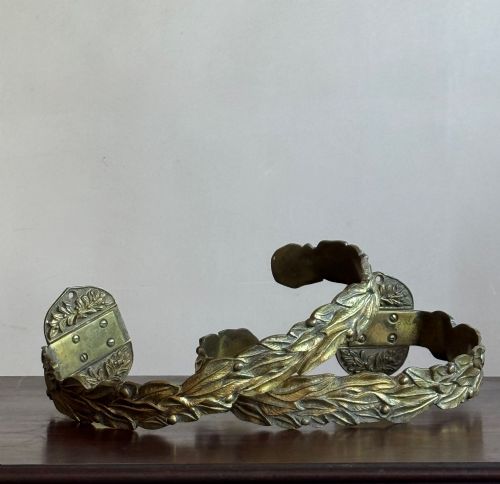
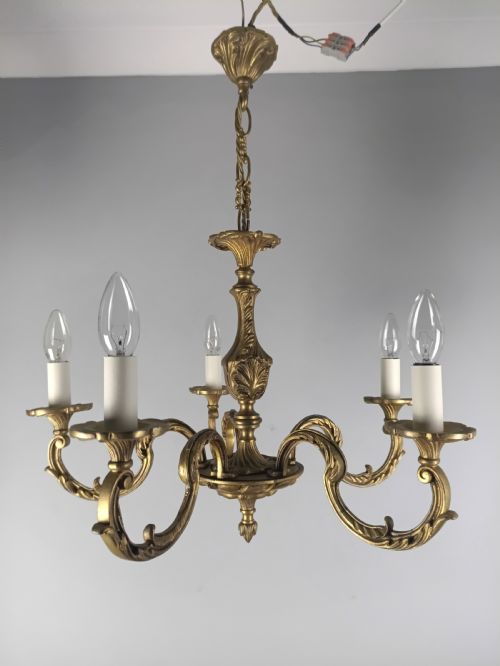
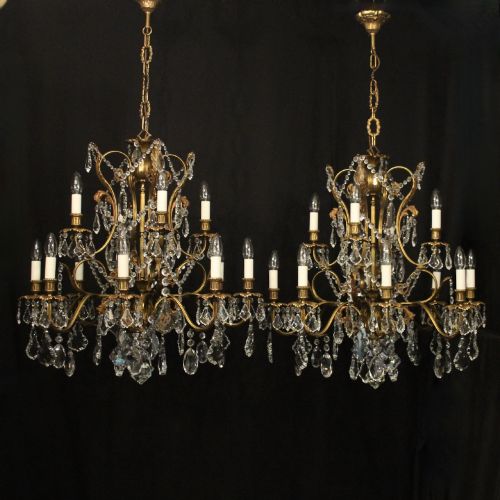
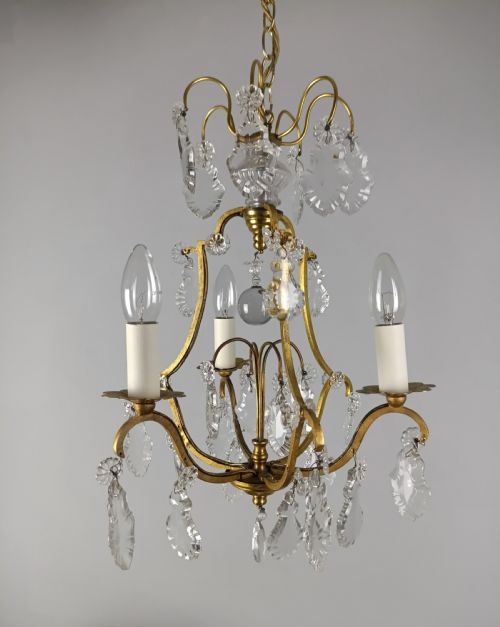
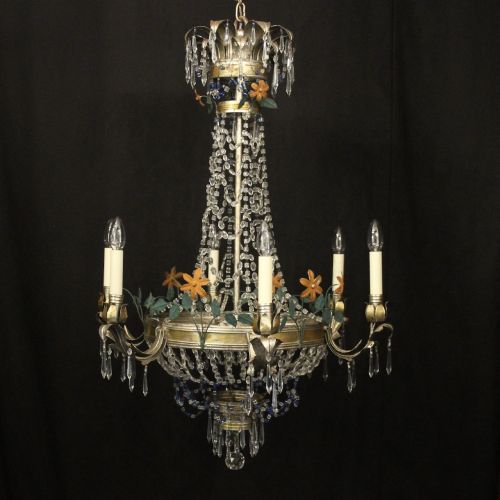
A vintage brass fitting grounds a room with genuine period metalwork, offering solid construction and timeless utility.
Vintage Brass Fitting
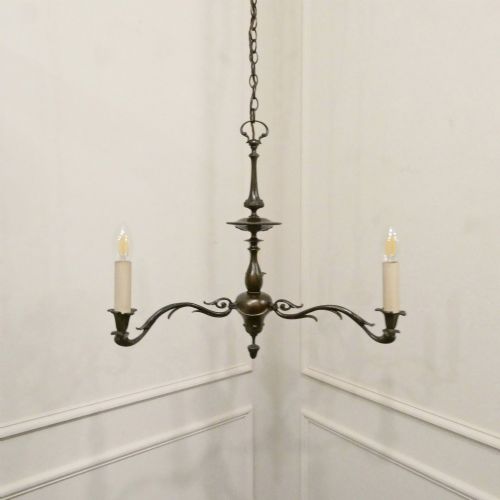
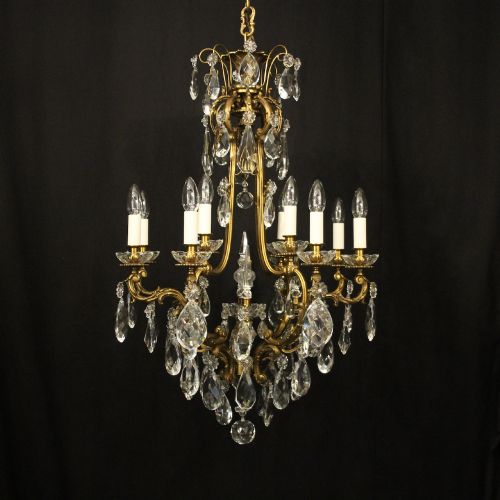
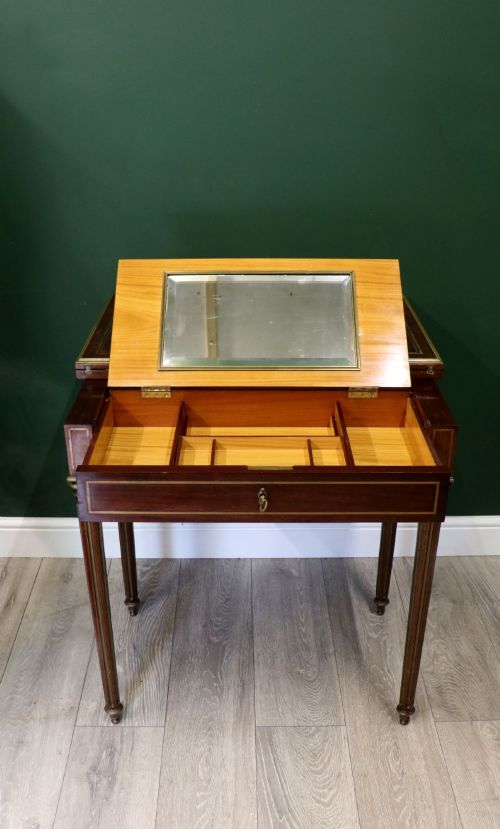
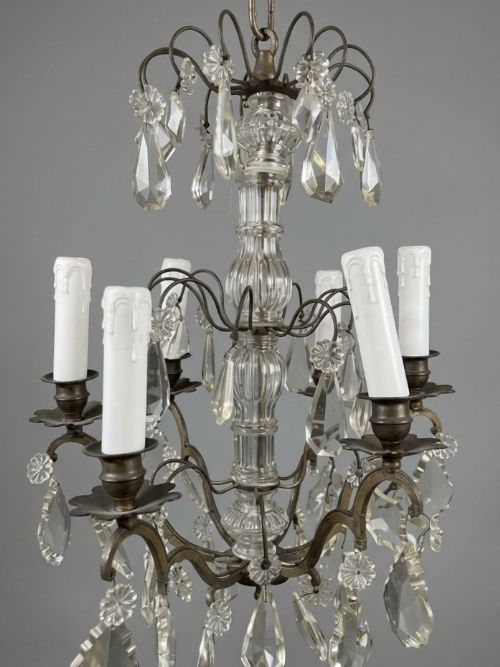
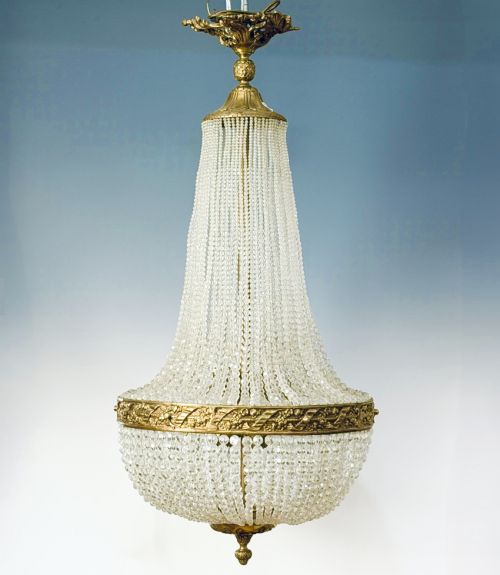
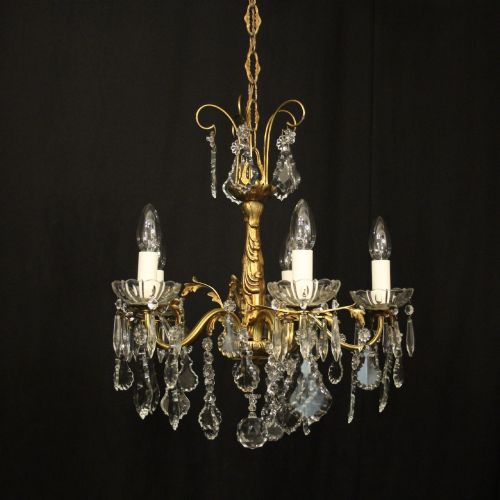
A vintage brass fitting encompasses utilitarian hardware, navigational elements, and architectural pieces that integrate metal elements into period interiors. When exploring a vintage brass fitting, buyers encounter items ranging from nineteenth-century port holes and scientific instruments to campaign hardware and domestic lighting components.
The pieces appearing most frequently originate from the nineteenth and early twentieth centuries, spanning Victorian, Edwardian, and Art Deco periods. These survivors demonstrate how functional hardware served daily life across English, French, and colonial contexts.
Materials and construction
Makers shaped these objects primarily from brass, bronze, and copper, often combining metalwork with glass, crystal, wood, and leather. Casting, hand-finishing, and riveting created durable components designed to withstand rigorous daily use in domestic, maritime, or travel environments.
Surface treatments such as gilding or patination were applied to enhance appearance and protect the underlying metal from oxidation. Structural integrity depended on precise joints, secure screw fittings, and robust framing rather than decorative veneer.
A solitary inkwell once sold quietly alone, proving that even the smallest brass fitting finds its appreciative desk.
Evaluating standard and execution
Quality rests upon the weight of the metal, the crispness of cast details, and the integrity of mechanical joints or hinges. Superior examples retain original components, uncompromised threading, and maker signatures or registration marks that confirm their origin.
Lesser items show excessive wear to moving parts, replacement screws, or smoothing of cast ornamentation through poor maintenance or over-cleaning. The distinction lies in whether the piece maintains its original structural purpose without modern remediation.
The Vintage Brass Fitting Glossary
- Brass
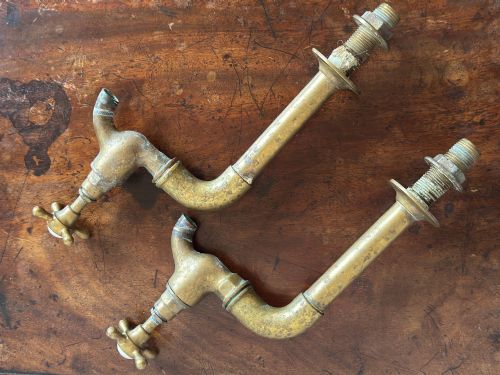
- A copper and zinc alloy valued for its durability, corrosion resistance, and warm golden lustre. It forms the primary structural and decorative base for these items.
- Gilt bronze
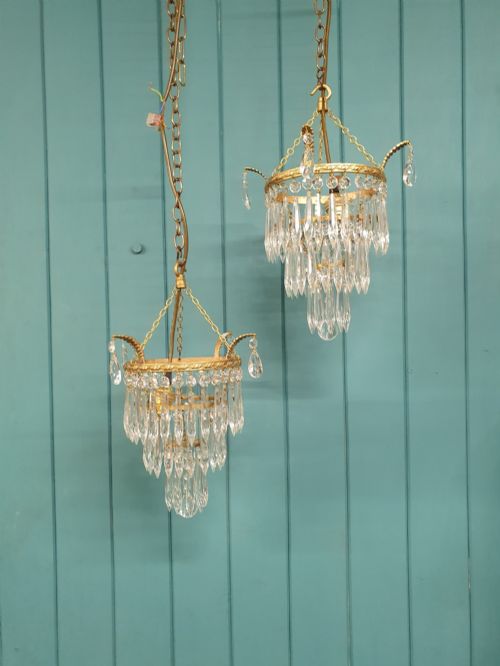
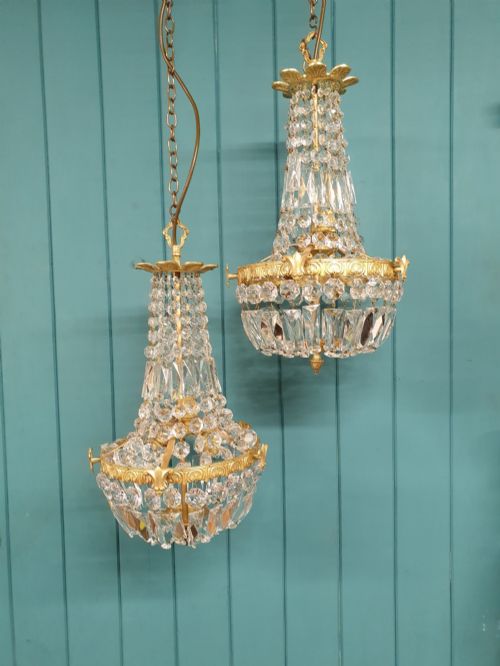
- Bronze metal coated with a thin layer of gold or gold-coloured alloy to impart a rich, reflective finish. It appears frequently on decorative mounts and lighting.
- Campaign hardware
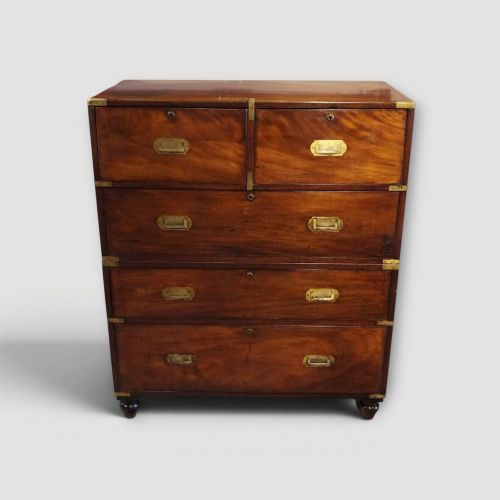
- Recessed handles, corner brackets, and fittings designed for portable nineteenth-century military furniture. These items protected corners and allowed trunks to be stacked securely during transport.
- Plafoniere
- A ceiling-mounted light fitting positioned flat or close against the ceiling surface. These fixtures often combine brass frames with moulded or cut glass panels.
Vintage Brass Fitting: Frequently Asked Questions
How do I clean antique brass safely?
Clean surfaces using a soft cloth and mild soapy water to remove accumulated dust without stripping the natural historic patina.
Avoid abrasive chemical cleaners or wire wool, which permanently scratch the metal surface and remove desirable age characteristics.
Are these fittings ready for modern installation?
Many lighting and architectural items require professional rewiring or structural adaptation to comply with current safety standards before domestic use.
Consult a qualified electrician or restorer to ensure physical mountings and electrical components meet contemporary regulations.
How can I date a brass piece?
Examine the manufacturing techniques, screw types, and stylistic indicators such as Victorian or Art Deco motifs recorded in the evidence.
Hand-cut threads, cast rather than stamped components, and maker marks provide reliable clues to the period of origin.
What is the difference between brass and bronze?
Brass is an alloy primarily of copper and zinc, while bronze typically combines copper with tin, resulting in different weights and surface colours.
Both materials were utilised extensively across the nineteenth and early twentieth centuries for decorative and structural durability.