



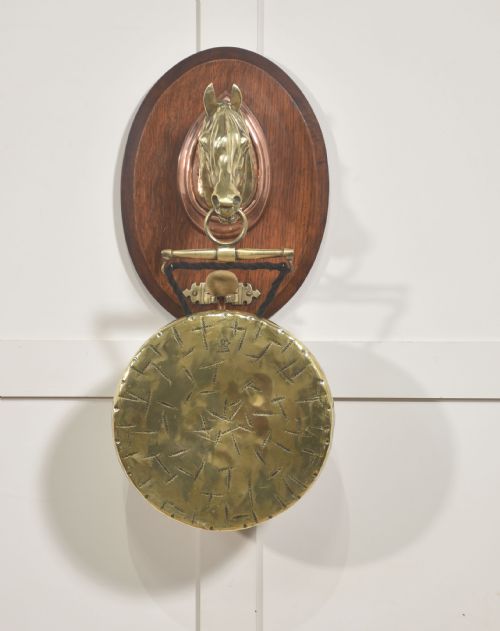


Vintage Brass Chime Gong
These vintage brass chime gong pieces bring resonant domestic drama to a hallway or dining room through solid metal and timber.
Vintage Brass Chime Gong
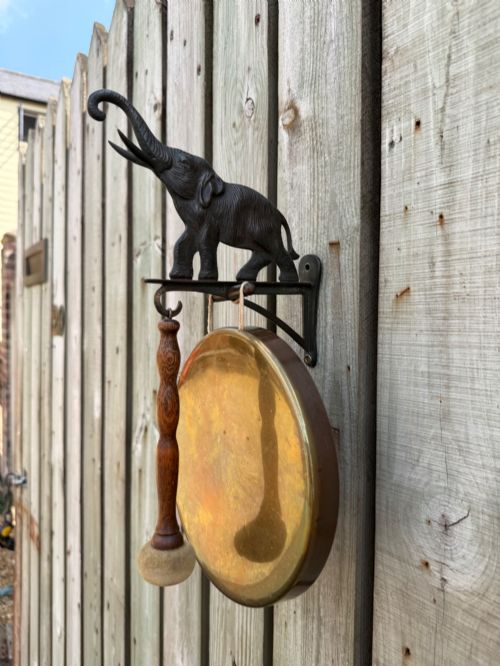
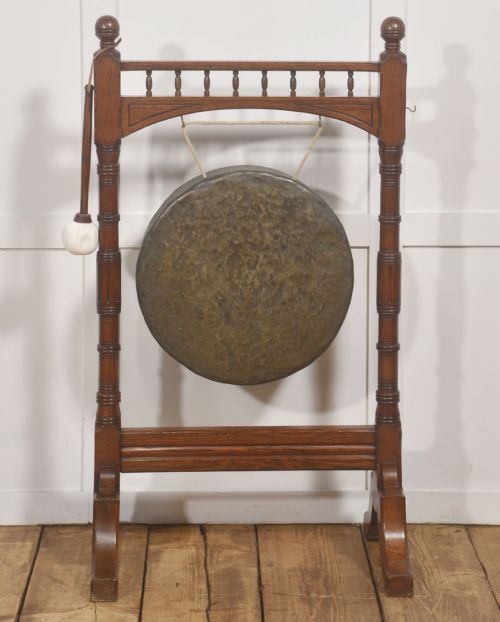
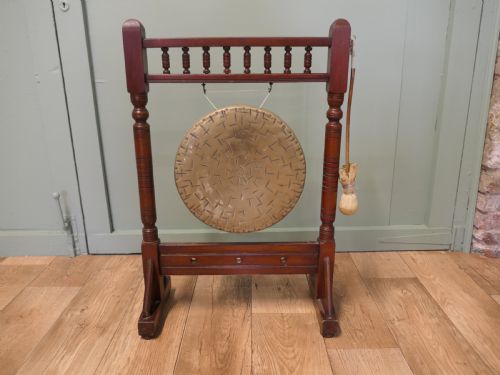
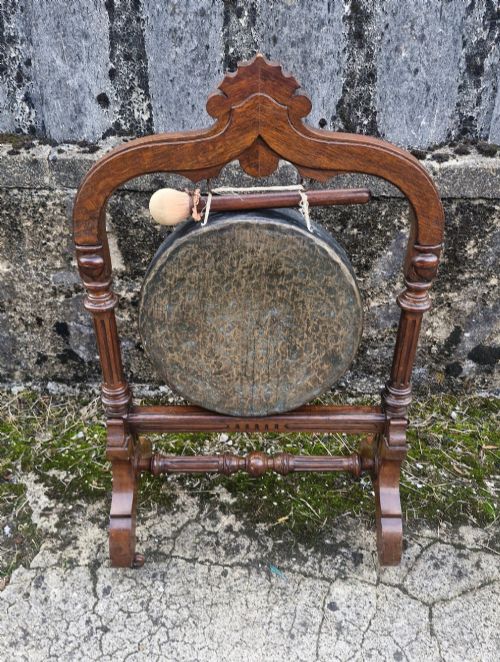
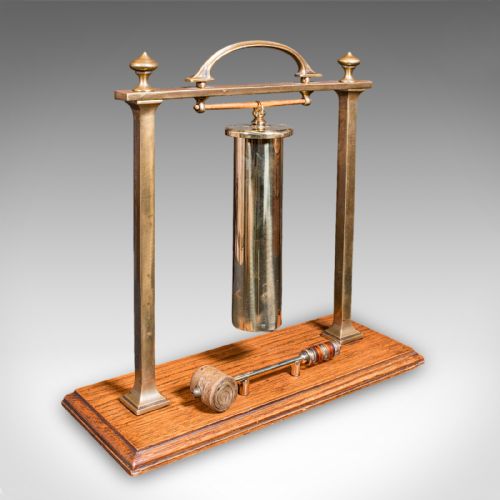
A vintage brass chime gong unites a suspended metal disc or bowl with a sturdy wooden frame, historically deployed to summon household members to dinner or tea. Buyers searching for a vintage brass chime gong will encounter diverse domestic formats, ranging from compact tabletop models to substantial floor-standing pieces and wall-hanging variations.
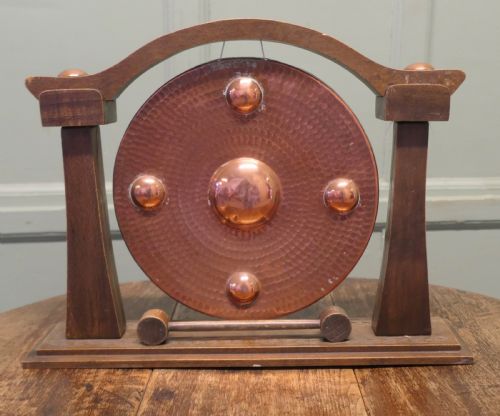
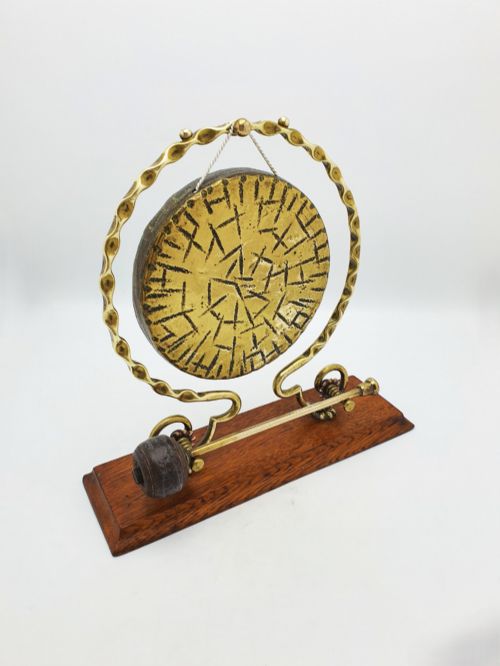
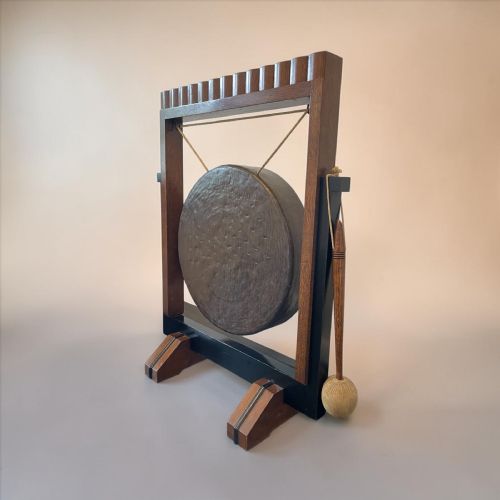
Stylistic influences vary widely across the inventory, shifting from austere Gothic Revival frames to flowing Art Nouveau curves and geometric Arts and Crafts joinery. Certain specimens introduce regional character or exotic motifs through Chinese, Burmese, and Oriental temple bell adaptations.
Evaluating craftsmanship and proportion
Superior examples demonstrate harmonious proportions between the heavy metal gong and the supporting woodwork, ensuring the frame remains stable under repeated use. Finer pieces feature carefully carved motifs on the timber base and sophisticated joinery rather than plain, utilitarian construction.
The acoustic quality of the metal itself separates exceptional items from standard ones, dictated by the alloy composition and wall thickness of the bell. Original matching strikers and intact suspension cords further elevate the integrity of a piece.
Vintage Brass Chime Gong Retail Price Guide 2026
Typical asking prices for vintage brass chime gong among the pieces listed under this phrase on Sellingantiques today, from the lower quarter to the upper quarter. They describe what is for sale here now, not the wider market.
Several Victorian models feature fierce brass horse head mounts, ready to jolt distracted diners back to the dining table.
The Vintage Brass Chime Gong Glossary
- Dinner gong
- A percussion instrument mounted on a stand and used in large houses to announce meals. They became popular household items during the Victorian period.
- Striker
- The small mallet or hammer utilised to hit the gong and produce the chime. They typically feature a wooden handle with a padded or carved head.
- Aesthetic Movement
- A late 19th-century design style emphasising visual beauty over narrative subject matter. Objects from this movement often display refined geometric or naturalistic brass detailing.
- Gothic Revival
- An architectural and decorative style drawing inspiration from medieval forms. Dinner gongs in this taste frequently incorporate pointed arches and heavy carved tracery.
- Temple bell
- A sacred or ceremonial bell adapted for domestic display in European interiors during the Edwardian period. These pieces add distinctive Eastern ornamentation to standard table gongs.
Vintage Brass Chime Gong: Frequently Asked Questions
How were dinner gongs used?
Servants struck the suspended metal disc with a mallet at precise intervals to announce formal meals or afternoon tea to residents scattered across large country houses.
The clear, resonant tone carried easily through heavy interior doors and down long hallways before the widespread adoption of electric doorbells.
Where should I place a table gong?
Table gongs suit sideboards in dining rooms, entrance halls, or sturdy console tables where their decorative frames can be appreciated alongside other antiques.
Ensure the piece sits on a stable surface away from heavy foot traffic so the suspended bell can swing freely without striking surrounding furniture.
How do I date an oak dinner gong?
Examine the timber finish, construction joinery, and stylistic clues within the carved frame to determine the period of manufacture. Victorian and Gothic Revival examples show heavier, darker wood, while Edwardian and 1920s versions often display lighter oak or simpler Arts and Crafts lines.
Matching the design motifs on the brass mount to known decorative movements helps narrow the decade of production.
Are original strikers important?
Original strikers complete the historical integrity of the piece and are designed to produce the correct acoustic tone without damaging the metal surface.
While many surviving pieces retain their paired mallets, finding a suitable period replacement remains straightforward if the original has been lost over time.