



Vintage Brass Carriage Lamps
Vintage brass carriage lamps bring robust metalwork and functional history straight from coaches, trains, and ships into domestic interiors.
Vintage Brass Carriage Lamps
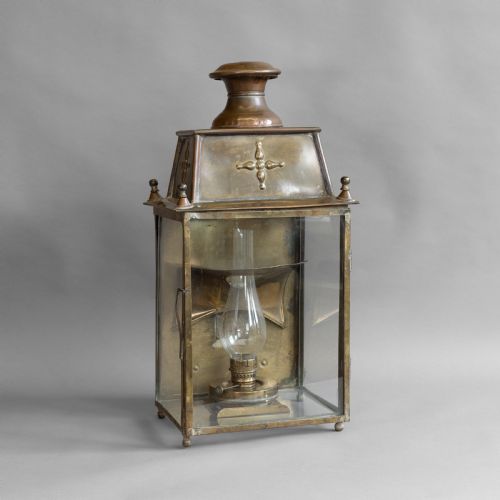
Vintage brass carriage lamps are heavy utility lights designed originally to mount upon transport vehicles, railway carriages, and maritime vessels. When you search for vintage brass carriage lamps, you encounter items built to withstand travel, vibration, and weather outdoors.
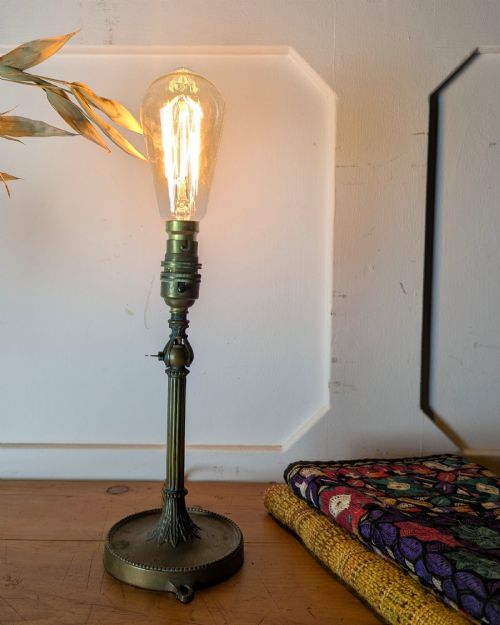
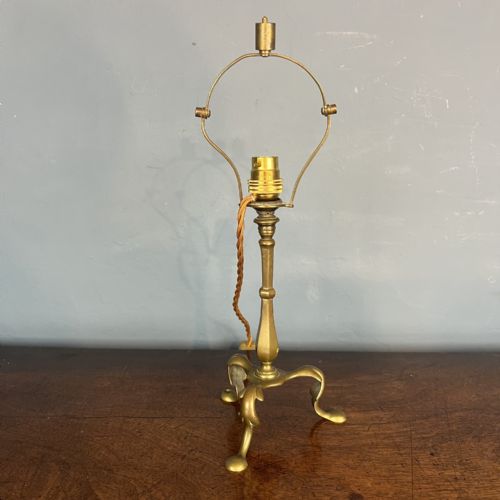
The selections available here span from the 19th century through the early decades of the 20th century. Forms include coaching lamps, wall lights, wall sconces, desk lamps, and hanging lanterns.
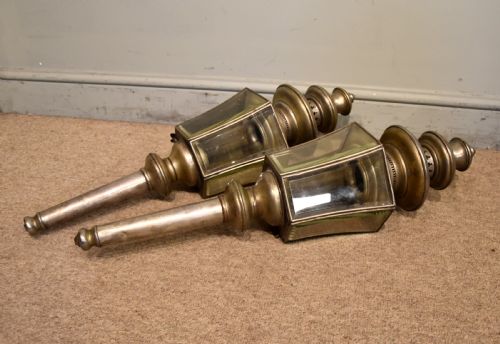
Victorian and Edwardian examples predominate alongside Arts and Crafts designs and French Empire styles. Buyers most frequently meet heavy brass and cast iron pairs intended to flank carriage doors or illuminate train compartments.
Construction and materials
Makers utilised solid brass, cast iron, and structural steel to form the durable frames necessary for transport use. Nickel plating frequently coats the base metal on travel reading lights and specialised railway fixtures to resist tarnishing and wear.
Heavy glass panels, including opaline variants, protect internal flames or early bulbs from wind and movement. Metal brackets, hinges, and gimbals allow these lamps to swivel or mount securely onto vertical surfaces.
Vintage Brass Carriage Lamps Retail Price Guide 2026
Typical asking prices for vintage brass carriage lamps among the pieces listed under this phrase on Sellingantiques today, from the lower quarter to the upper quarter. They describe what is for sale here now, not the wider market.
Some of these heavy brass travellers survived decades on bouncing trains only to end up illuminating quiet reading nooks.
Judging quality and character
Quality rests in the substantial weight of the cast components and the integrity of the original metal joints. Superior pieces retain unpolished brass surfaces with authentic patination rather than over-buffed finishes.
The refinement of decorative brackets and the presence of maker stamps or railway company markings distinguish standard utility hardware from workshop masterworks.
Veritas Lamp Works·Daris·GWR
The Vintage Brass Carriage Lamps Glossary
- Gimbal
- A pivoted support ring that allows a lamp to remain level regardless of the motion of a ship or train. This mechanical arrangement prevented tipping during transit.
- Opaline
- A milky, translucent white glass used in lamp shades to soften and diffuse light evenly. It adds a distinct glow when illuminated.
- Pullman
- A style of heavy-duty interior lighting named after the luxurious railway sleeping cars where they were originally fitted. These pieces often feature compact wall-mounting brackets.
- Coaching lamp
- A traditional exterior light fixture designed to attach to horse-drawn carriages and early motor cars. They usually incorporate glazed side panels to project visibility.
Vintage Brass Carriage Lamps: Frequently Asked Questions
Where were carriage lamps originally mounted?
These lamps were mounted externally on horse-drawn carriages, coaches, and early automobiles to illuminate the roadway ahead. Railway versions were secured inside passenger compartments or corridors for dependable illumination during travel.
Over time, many of these fixtures transitioned from transit use into domestic interior spaces as wall sconces and decorative lanterns.
How do you mount a carriage lamp indoors?
Most pieces retain their original metal brackets, plates, or hanging loops designed for vertical wall attachment. Secure fastening to solid wall studs or masonry is necessary due to the heavy brass and cast iron construction.
Wiring requires careful adaptation by a professional to ensure modern electrical components fit safely within the historical metal housing.
What is a gimbaled lamp used for?
A gimbal uses concentric rings and pivot pins to keep a lamp upright while the supporting vehicle or ship rolls and pitches. This engineering prevented hot oil or candles from spilling during rough motion.
Collectors prize gimbled variants for their active mechanical movement and authentic maritime or railway heritage.
How can you tell Victorian pieces from Edwardian ones?
Victorian examples tend toward heavier cast iron frames, ornate brackets, and industrial silhouettes built for durability in harsh weather. Edwardian pieces often introduce softer Arts and Crafts influences, cleaner brass lines, and opaline glass shades.
Maker stamps and patent dates stamped into the metalwork provide further clues to the exact decade of manufacture.