









Vintage Box Seat
A vintage box seat combines daily utility with concealed storage, offering a practical seat that lifts to reveal a deep compartment beneath.
Vintage Box Seat
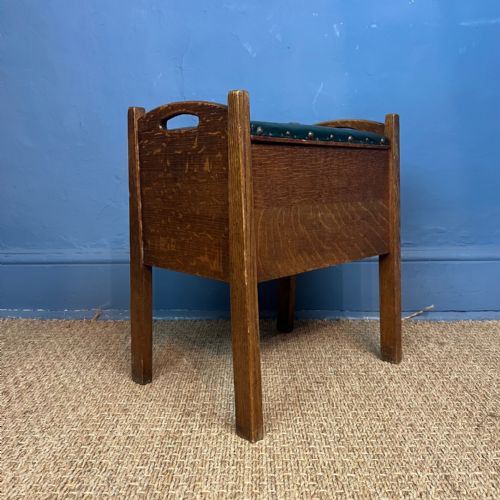
A vintage box seat encompasses functional hall furniture and seating forms like piano stools, settles, and storage ottomans. These pieces appear across multiple periods, ranging from Georgian and Victorian eras through to the early decades of the twentieth century.
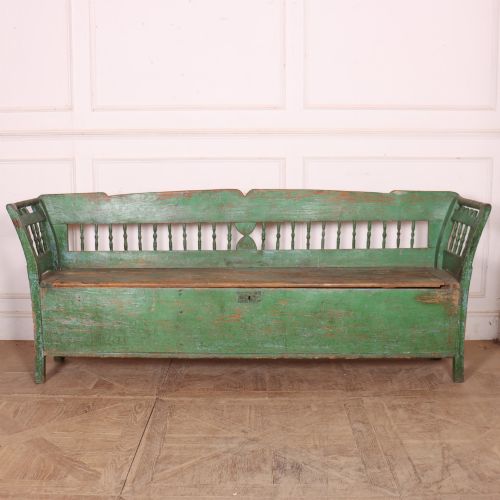
The selections available include rustic pine farmhouse benches alongside refined mahogany and oak hall seats. Buyers often encounter specific regional examples, such as Hungarian painted three-seater box settles and Austrian farmhouse benches.
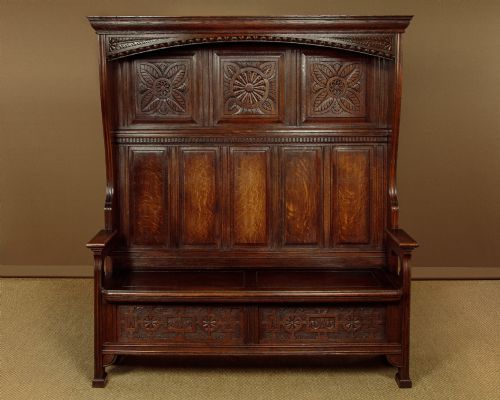
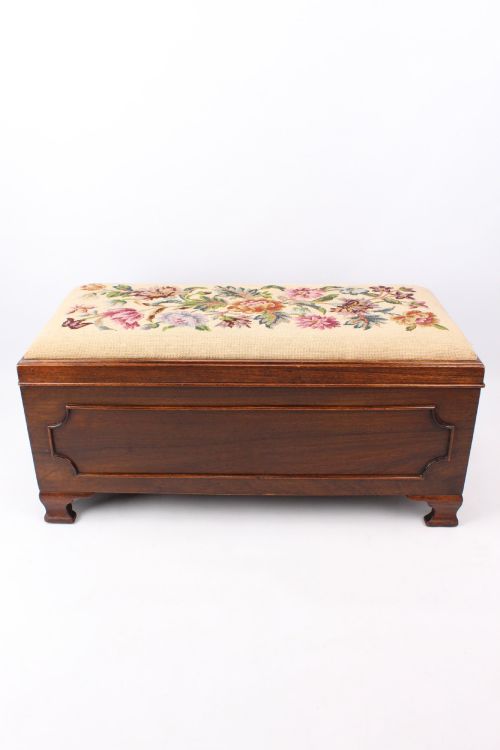
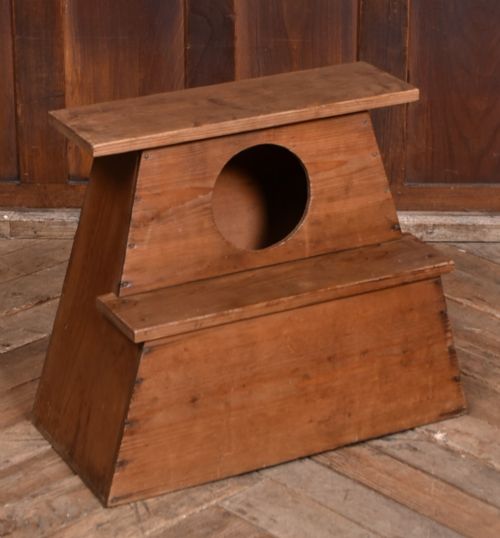
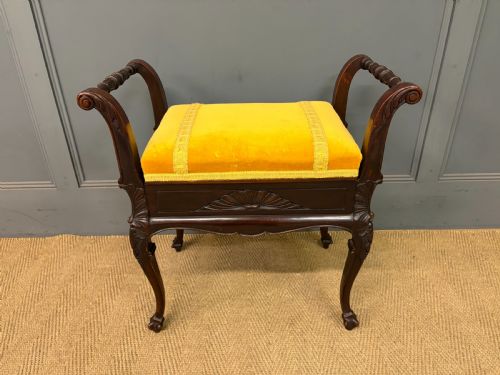
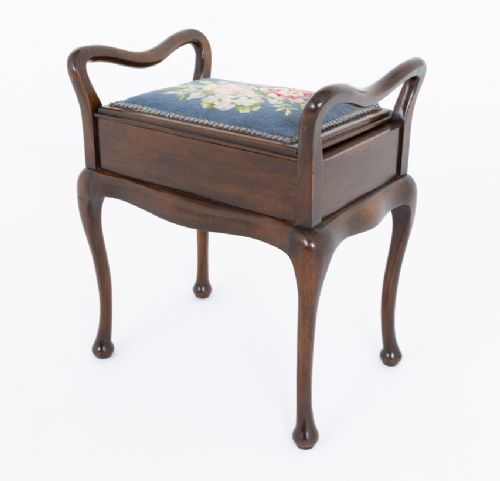
Smaller variants like piano stools and low footstools provide compact seating with hinged or lift-up compartments. Larger country house items feature substantial timber construction designed for hallways and grand living spaces.
How they were made
Cabinet makers utilised solid hardwoods like oak, walnut, and mahogany, alongside softer timbers including pine for painted regional pieces. Joinery methods relied on sturdy panel construction and tongue-and-groove joints to support the weight of daily seating while securing internal storage compartments.
Upholstery techniques incorporated wool, fabric, leather, and needlework for the seat pads, frequently paired with brass hardware and iron fittings for hinges and handles. Painted finishes on pine furniture range from muted greys and creams to traditional black and green applications.
Vintage Box Seat Retail Price Guide 2026
Typical asking prices for vintage box seat among the pieces listed under this phrase on Sellingantiques today, from the lower quarter to the upper quarter. They describe what is for sale here now, not the wider market.
Some nineteenth-century piano stools cleverly hide your sheet music right beneath the cushion.
What varies in quality
The distinction between standard utility items and finer pieces rests upon timber selection and the sophistication of decorative carving. Solid mahogany and quarter-sawn oak frames demonstrate superior structural integrity compared to simpler pine constructions.
Detailing in the upholstery, hand-carved panels, and applied brass or iron ornamentation elevates the visual standing of individual pieces. Original painted surfaces on regional European benches preserve authentic character that heavily influences collector interest.
Hallett & Sons
The Vintage Box Seat Glossary
- Box settle
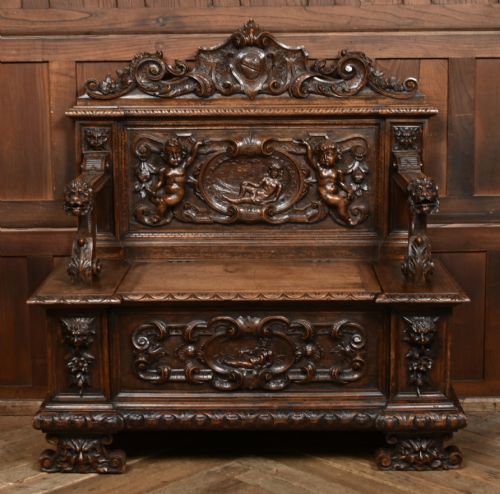
- A high-backed wooden bench featuring enclosed storage beneath a hinged seat, traditionally placed near hearths to block draughts.
- Cassapanca
- An Italian wooden chest with a backrest and arms, functioning simultaneously as a seat and a storage container.
- Monks bench
- A convertible piece of furniture featuring a hinged top that folds down to transform the chair back into a table.
- Duet piano stool
- An elongated seating form designed for two players, typically housing sheet music storage beneath an upholstered lid.
Vintage Box Seat: Frequently Asked Questions
What is a vintage box seat used for?
These dual-purpose items provide both a place to sit and a concealed cavity for keeping blankets, boots, or sheet music out of sight. They function primarily in hallways, piano rooms, and country house living spaces.
Their robust construction ensures they withstand everyday domestic use while maintaining an orderly appearance in smaller rooms.
How do I identify the period of a box seat?
Dating relies on observing timber choices, construction techniques, and prevailing decorative styles such as Jacobean Revival or Edwardian framing. Plain pine items often point to regional folk traditions, whereas mahogany and walnut pieces typically align with formal Victorian or Georgian cabinet-making.
Examining the hinges, interior timber ageing, and upholstery backing offers further clues regarding exact manufacture dates.
Where should I place a box settle at home?
Box settles and hall benches suit entrance hallways where guests can sit to remove shoes while storing everyday accessories inside. Their high backs also make them effective room dividers in open-plan living areas.
Smaller piano stools fit neatly beside writing desks or dressing tables as well as keyboard instruments.
Are painted pine benches authentic antiques?
Regional pieces from Austria, Hungary, and Sweden frequently feature original painted surfaces applied to pine timbers during the nineteenth century. These decorated finishes reflect local folk art traditions rather than contemporary factory production.
Preserving the original paint layer is essential for maintaining the historical integrity of these rural European items.