




Vintage Botanical Decor
Vintage botanical decor comprises framed prints, paintings, and toleware trays that bring historic natural history into your home.
Vintage Botanical Decor
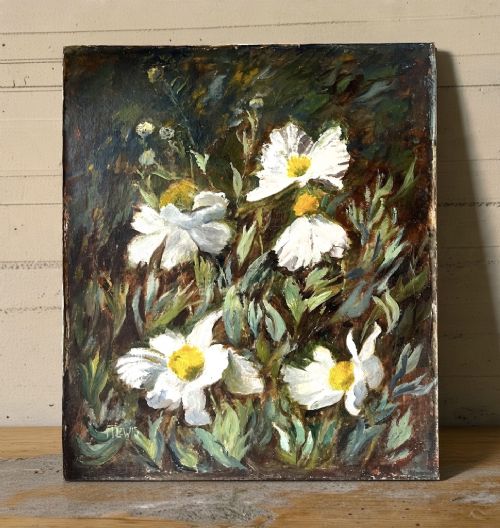
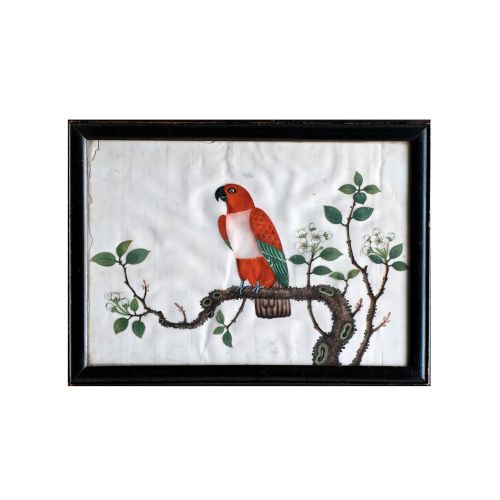
When you search for vintage botanical decor, you encounter wall art, framed prints, and paintings spanning from the eighteenth century to the mid-twentieth century. These pieces record flowers, garden birds, butterflies, and insects across diverse cultural traditions.
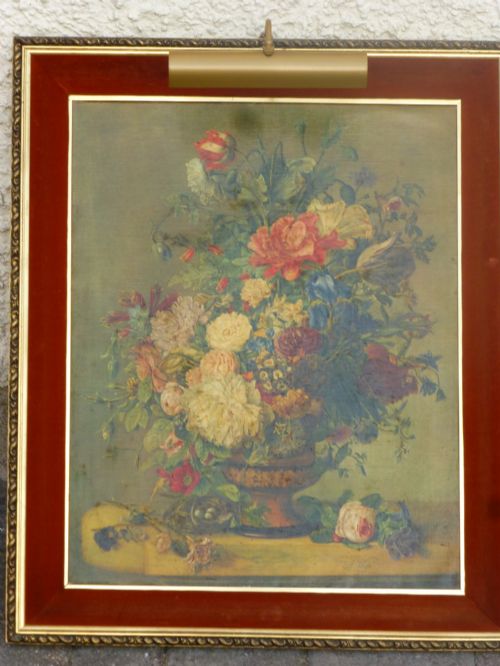
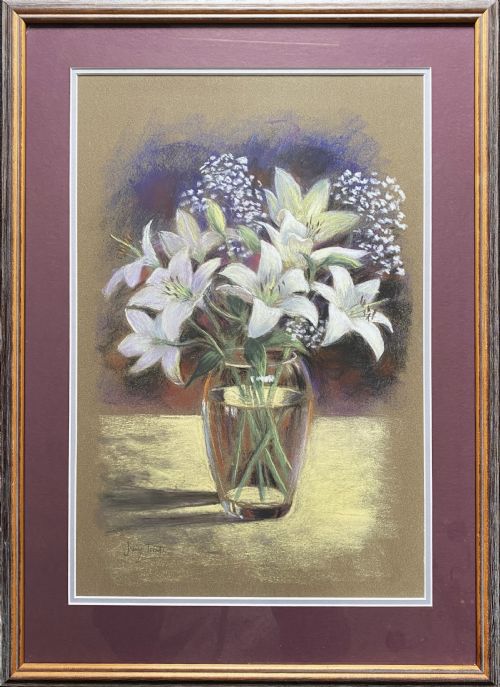
The selections on this page lean heavily towards nineteenth-century engravings and framed botanical specimens alongside mid-century floral still life paintings. English country house and Victorian aesthetics dominate the forms available here.
Beyond standard wall art, the category extends to functional objects such as toleware trays and copper vases decorated with natural motifs. Each piece serves to integrate organic subject matter into domestic spaces through varied historical mediums.
Materials and methods
Makers utilised paper and canvas as the primary surfaces for hand-coloured engravings, watercolours, and oil paintings. Wood, gilt wood, and glass frequently form the protective frames that house these delicate works.
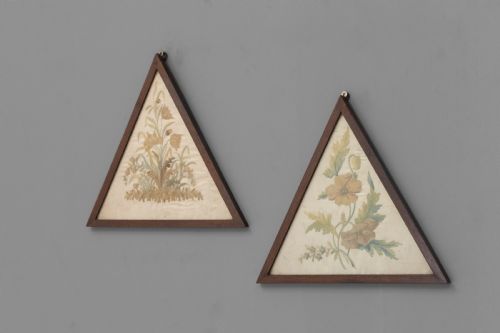
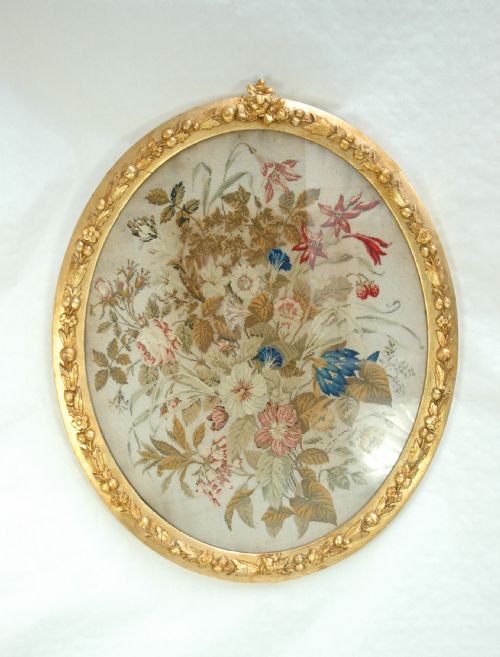
Textiles and metals also define the category, with embroidered silk panels, copper vases, and shaped toleware trays appearing across the listings. Paint, gold leaf, and print technology unite to capture botanical details accurately.
Vintage Botanical Decor Retail Price Guide 2026
Typical asking prices for vintage botanical decor among the pieces listed under this phrase on Sellingantiques today, from the lower quarter to the upper quarter. They describe what is for sale here now, not the wider market.
Mandarin ducks and garden birds quietly share shelf space with eighteenth-century insects and nineteenth-century botanical specimens.
What separates the fine from the ordinary
Quality in these pieces rests upon the precision of the rendering and the preservation of the material. Hand-coloured engravings by named naturalists display a crispness in the linework that mass-produced reproductions lack.
The integrity of the original frame and the depth of the pigment in oil paintings or watercolours determine the visual impact. Works that retain their original Victorian or Georgian mountings command greater authority.
Anton Weiss·James Tower·Jennifer Toombs·John Curtis·Emily Selinger·Harold Edward Conway
The Vintage Botanical Decor Glossary
- Toleware
- Enamelled or lacquered metalware, typically tin-plated steel, used for decorative trays and bowls. Pieces often feature painted floral or botanical motifs.
- Engraving
- A printmaking process where an image is incised into a metal plate, holding ink to transfer fine lines onto paper. Botanical prints were frequently hand-coloured afterwards.
- Pith painting
- Watercolour executed on the spongy pith of the Tetrapanax papyrifer plant, common in nineteenth-century Chinese export art. The material imparts a velvety texture to floral and avian subjects.
- Oleograph
- A mechanical colour lithograph produced to imitate an oil painting, often finished with a textured varnish to simulate canvas brushstrokes.
Vintage Botanical Decor: Frequently Asked Questions
How do I style botanical prints?
Group framed engravings or butterfly prints in symmetrical grids to create a striking focal point on a neutral wall. Mixing nineteenth-century paper pieces with mid-century oil paintings adds textural depth to a room.
Allow the wood or gilt frames to complement existing furniture timbers. Botanical decor suits studies, hallways, and living spaces equally well.
Are these pieces original antiques?
The selection includes genuine nineteenth-century engravings, Victorian oil paintings, and Georgian animal portraits alongside mid-century interpretations. Each listing specifies its distinct period and material origins.
Examining the paper age, framing techniques, and pigment types helps confirm the historical provenance of individual works.
How should I care for paper art?
Keep framed paper prints, watercolours, and engravings away from direct sunlight to prevent the fading of hand-applied watercolours and pigments. Maintaining stable indoor humidity protects organic materials like paper and textiles from moisture damage.
Use professional framing services with UV-protective glass when updating mounts to ensure long-term preservation of antique specimens.
What is toleware?
Toleware refers to lacquered or enamelled metal objects, such as the nineteenth-century trays and bowls found in botanical collections. Artisans painted these metal surfaces with floral and garden scenes for domestic use.
The technique combines durable metalcraft with decorative painting, resulting in resilient items that double as wall art or serving pieces.