





Vintage Botanical Bird Art
These vintage botanical bird art pieces bring natural history and intricate colour into a room through prints, watercolours, and needlework.
Vintage Botanical Bird Art
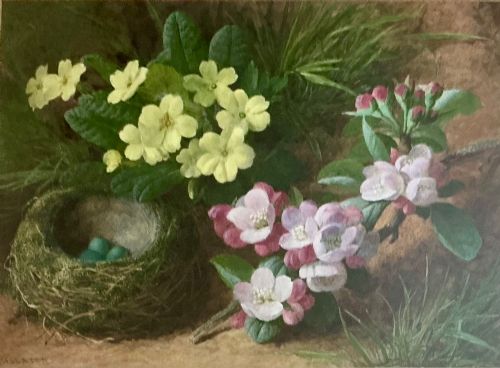
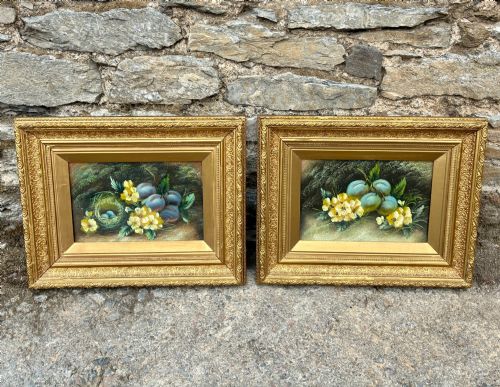
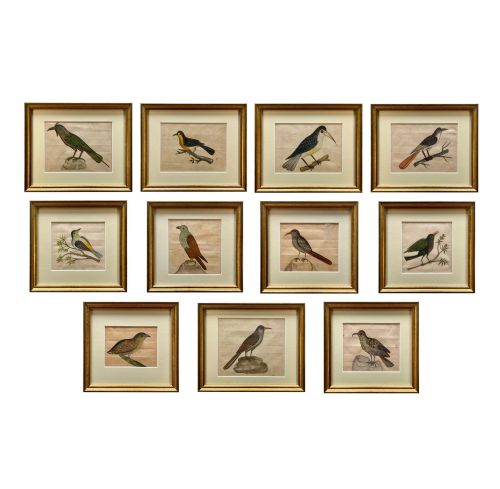
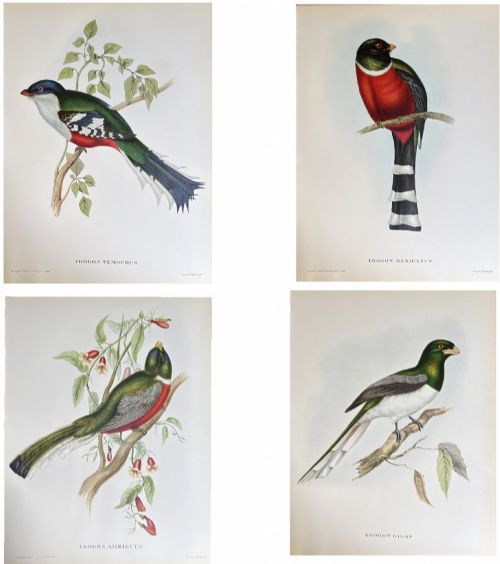
Vintage botanical bird art encompasses framed wall art, prints, and watercolours produced across various eras, from Georgian engravings to mid-century works. Buyers seeking this aesthetic will find natural history illustrations, lithographs, and oil paintings depicting avian subjects.
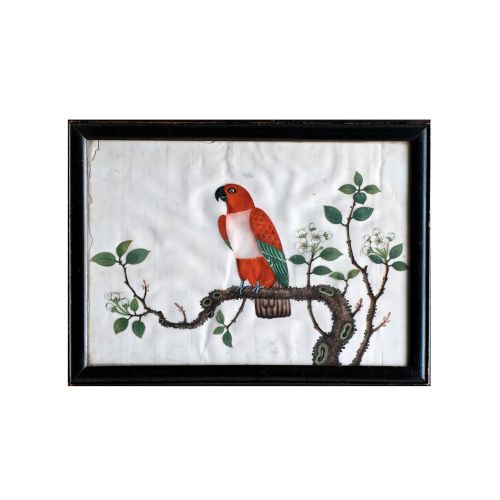
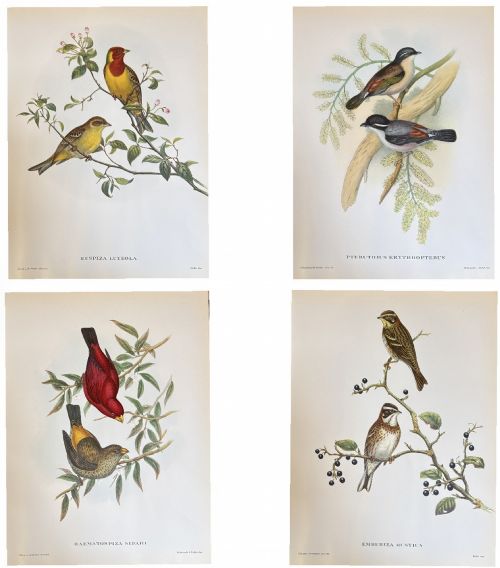
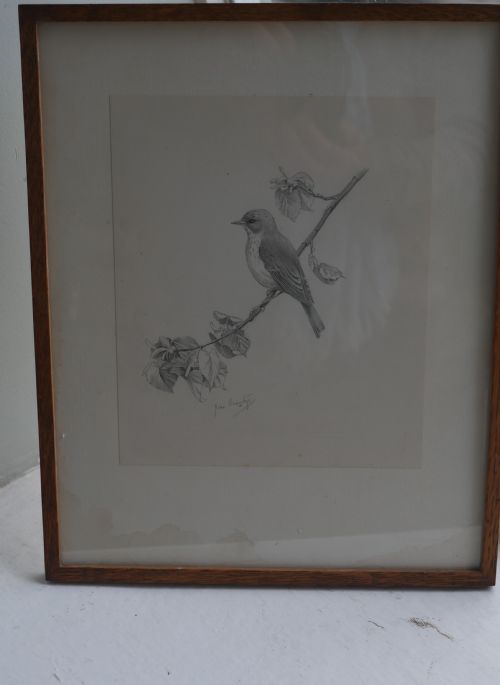
The selections range from nineteenth-century hand-coloured ornithological engravings and Asian wall hangings to twentieth-century Australian parrot watercolours and pencil drawings. Pieces frequently appear mounted within wood and gilt frames or as textile embroideries.
Victorian natural history illustrations and Chinoiserie needleworks represent the core styles encountered within this grouping. Each object records ornithological observation through distinct historical artistic methods.
How they were made
Makers utilised paper, silk, and canvas as the primary grounds for these works, applying water-based pigment, ink, and oil paints. Hand-coloured engravings combined detailed printed lines with applied colour by hand.
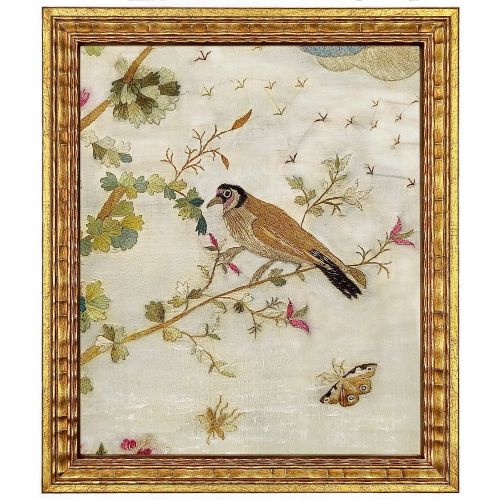
Needlework pieces employ silk threads to render detailed plumage on textile panels, often paired with wooden and gilt frames incorporating glass. Engravings and lithographs relied on pressed paper and specialist printing plates to capture ornithological subjects.
Gold leaf and gilt finishes frequently highlight the framing, elevating the decorative presentation of the artwork.
Vintage Botanical Bird Art Retail Price Guide 2026
Typical asking prices for vintage botanical bird art among the pieces listed under this phrase on Sellingantiques today, from the lower quarter to the upper quarter. They describe what is for sale here now, not the wider market.
Listings feature periods spanning from the Georgian era through the nineteenth century to the 1950s and 1960s.
What varies in quality
The sophistication of the draughtsmanship and the precision of the hand-colouring separate standard prints from superior examples. Early engravings with original hand-colouring demonstrate greater artistic investment than later mass-produced alternatives.
The preservation of the paper ground, silk embroidery, or painted canvas dictates the visual impact of the piece. Intricate framing utilising gold leaf and period glass further distinguishes finer works from simpler contemporary mountings.
The Vintage Botanical Bird Art Glossary
- Lithograph
- A print produced by printing from a flat stone or metal plate treated so as to repel the ink except where required for the image. This technique allowed for the reproduction of detailed natural history illustrations.
- Ornithological engraving
- An engraved plate specifically depicting birds for scientific or decorative study. These plates were frequently hand-coloured with water-based pigments after printing.
- Chinoiserie
- A decorative style in Western art reflecting Chinese artistic influences, common in textiles and decorative objects. It frequently incorporates motifs of garden birds within elaborate landscapes.
- Gilt
- Covered thinly with gold leaf or gold paint. This finish enhances wooden frames and decorative panels surrounding the artwork.
Vintage Botanical Bird Art: Frequently Asked Questions
How do I hang these artworks?
Ensure the wall space supports the weight of the wooden and gilt frames, particularly for larger nineteenth-century painted panels and embroideries.
Position the centre of the artwork at eye level to best appreciate the detail of the watercolours or engravings.
Where should I place vintage bird art?
These pieces suit studies, libraries, and living spaces where natural history themes complement traditional interiors. Avoid placing delicate paper prints and silks in direct sunlight to protect the pigments.
Grouping sets of prints, such as tropical bird series or ornithological studies, creates a cohesive focal point on a wall.
How do I date a bird print?
Examine the paper quality, printing technique, and framing style to estimate the period of production. Hand-coloured engravings often carry publication details or stylistic markers characteristic of Georgian and Victorian eras.
Compare the medium, whether pencil drawing, lithograph, or watercolour, against known historical production methods.
Are these pieces original?
The selection includes period works ranging from eighteenth-century engravings to mid-twentieth-century watercolours and pencil drawings. Each listing records the specific period and medium of the individual item.
Examine the materials, such as aged paper, silk threads, and traditional pigments, to verify the historical context of the piece.