
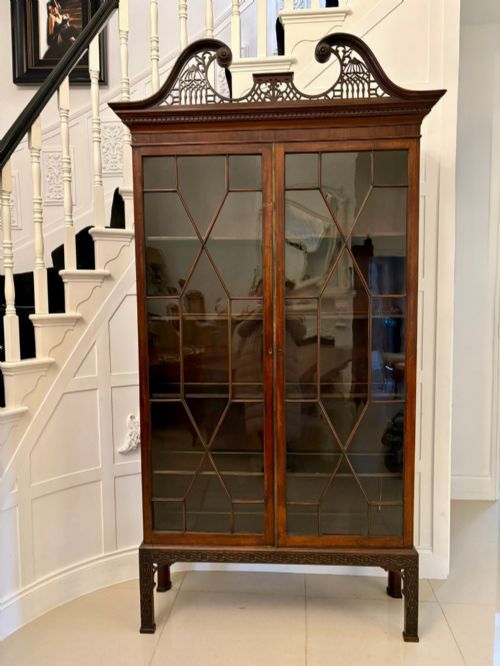
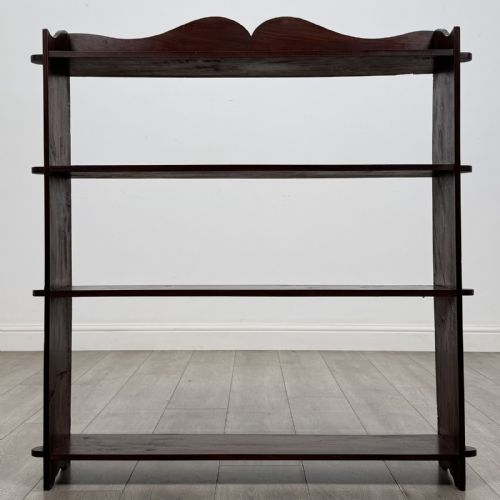
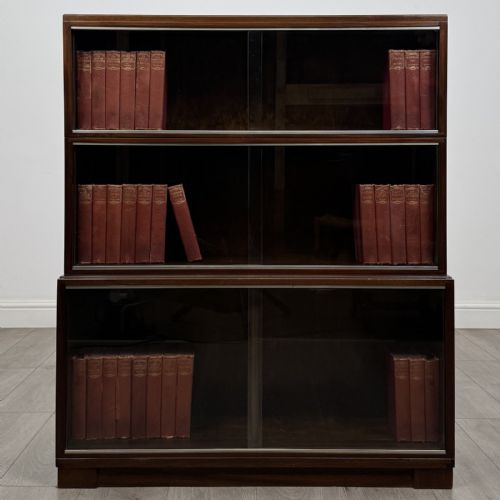
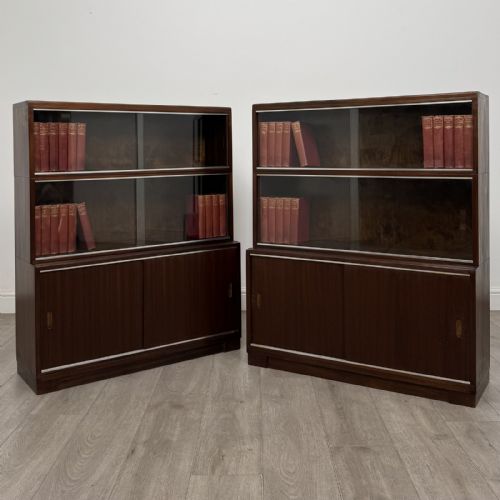
Vintage Bookcase
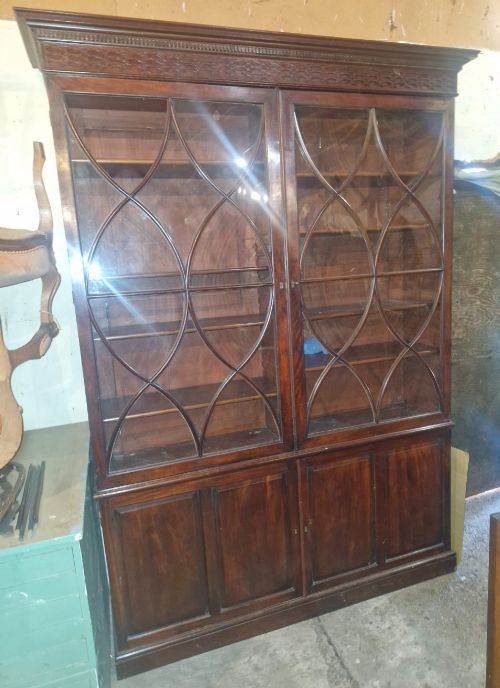
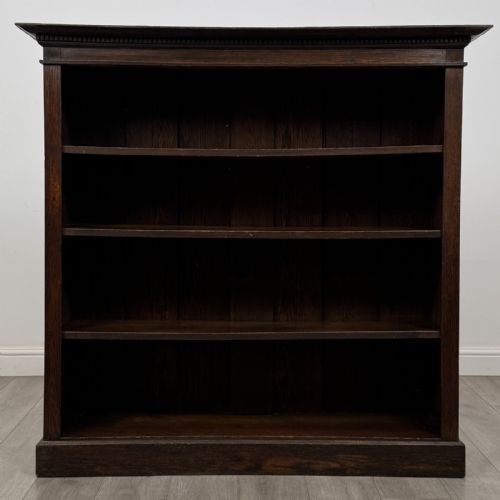
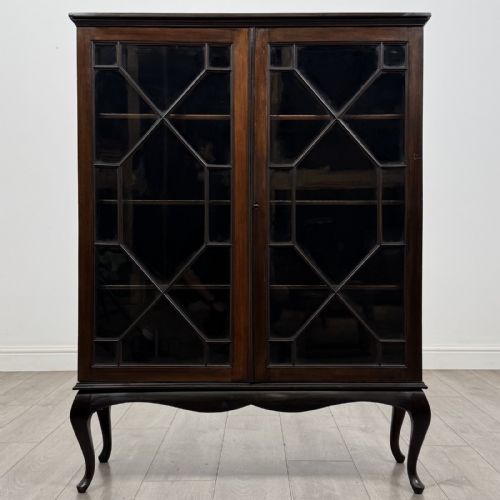
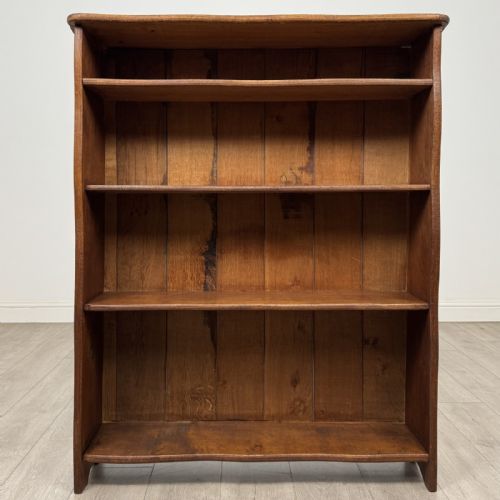
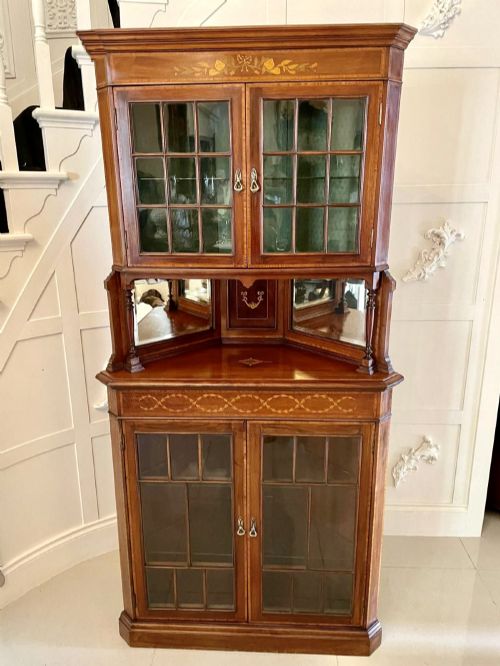
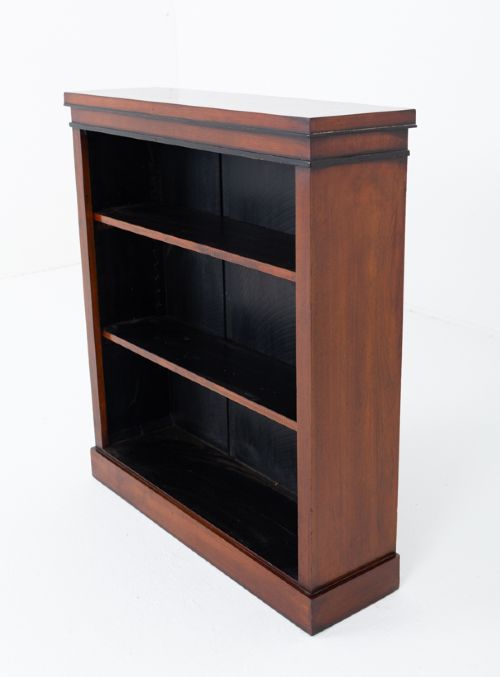
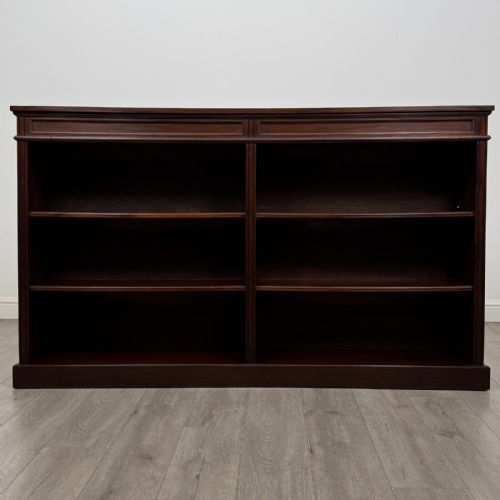
A vintage bookcase organises a library with sliding glass doors, glazed panels, or open shelves.
Vintage Bookcase
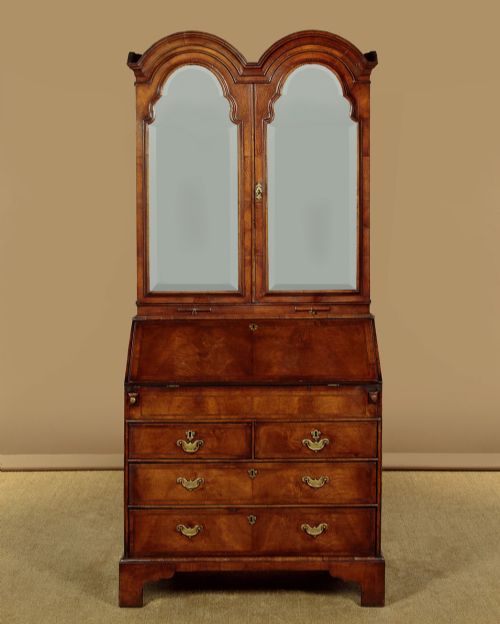
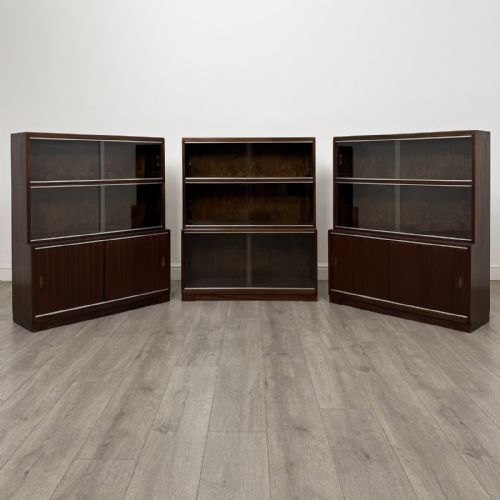
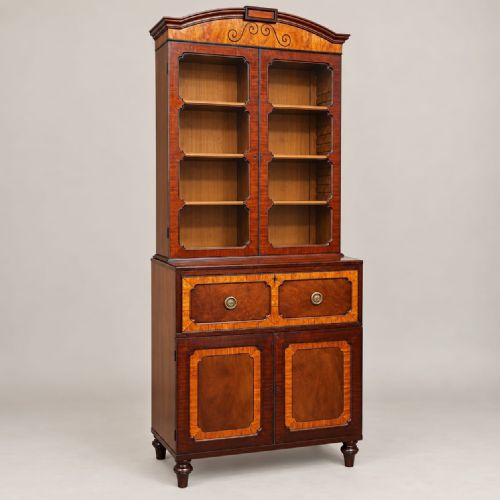
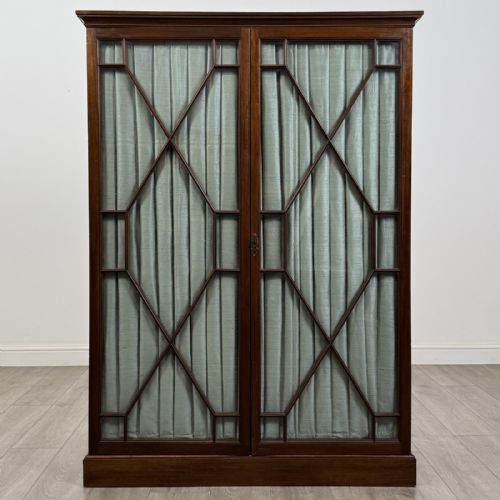
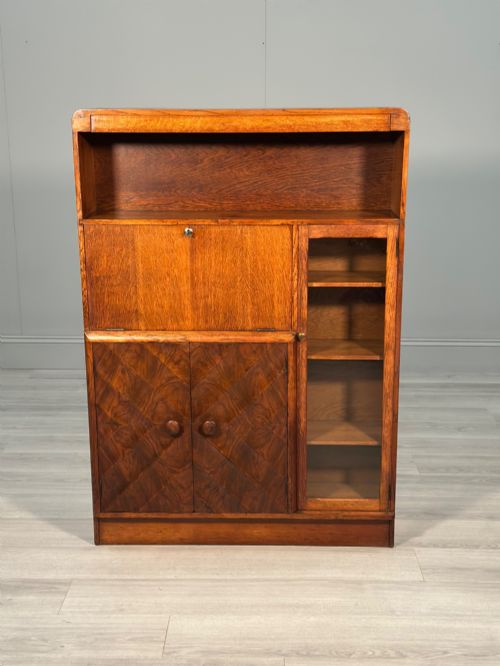
A vintage bookcase serves to hold books and display objects across various domestic interiors. Buyers searching for a vintage bookcase encounter formats ranging from Edwardian and Victorian open shelves to Art Deco bureau bookcases and sectional cabinets.
The pieces on this page span several decades, featuring forms such as bureau bookcases, display cabinets, and multi-section stacking units. Open shelving alongside glazed cabinets provides options for both accessible reading material and protected display.
Origins stretch from Georgian and 19th-century workshop traditions through the Edwardian era into 1930s designs. Oak and mahogany appear frequently, shaped into tall breakfront units, slim bookcases, and revolving variants.
How they were made
Cabinet makers utilised solid timbers such as oak, mahogany, and walnut alongside decorative veneers like satinwood and amboyna. Construction methods combined traditional joinery with specialised hardware including brass handles, glass doors, and specialised stacking mechanisms.
Surface ornamentation involved inlaid detail, carved panels, and raised galleries to enhance the appearance of the timber. Glazing took the form of sliding or hinged glass doors, often supported by internal glass shelves or adjustable wooden tiers.
Revolving bookcases let readers spin an entire library around with a single finger.
What varies in quality
The standard of a piece rests upon the selection of timber figures, the precision of inlaid details, and the integration of hardware like brass handles and claw and ball feet. Superior examples exhibit balanced proportions and harmonious grain matching across large surfaces.
Mechanisms define the upper tiers of utility pieces, such as the smooth operation of sectional stacking systems and up-and-over doors. The integrity of internal glass shelving and the refinement of carved panels separate standard utility furniture from finer cabinet work.
E Gomme·Gunn Furniture·Lebus·Macey
The Vintage Bookcase Glossary
- Bureau bookcase
- A combination of a sloping writing desk and a bookcase enclosed behind doors. This dual-purpose form provides both workspace and shelving.
- Sectional bookcase
- A modular cabinet built from stackable tiers with individual glass doors. These modular units allow the library to grow vertically.
- Secretaire bookcase
- A tall cabinet featuring a pull-out drawer with a fitted writing drop-front beneath upper shelving. It conceals small compartments and pigeonholes for correspondence.
- Breakfront
- A cabinet design where the central section projects forward from the flanking wings. This architectural arrangement creates depth and visual rhythm.
- Revolving bookcase
- A compact, rotating stand designed to hold a small collection of books within arm's reach. It typically sits on a low base with a central pivot.
Vintage Bookcase: Frequently Asked Questions
How do sectional bookcases work?
Sectional bookcases consist of individual tier boxes stacked one upon another, often featuring up-and-over glass doors. This modular construction allows units to be disassembled and expanded vertically.
Makers like Gunn, Lebus, and Macey engineered these stacking systems for offices and homes to protect growing libraries.
What is a bureau bookcase?
A bureau bookcase combines a fall-front writing desk with an upper shelving section enclosed by doors. The folding flap reveals internal compartments for letters and stationery.
These combination pieces suit studies and living rooms where floor space requires multi-functional furniture.
Are glass shelves original to old cabinets?
Glass shelves appear frequently in Edwardian display cabinets alongside wooden tiers. Their inclusion depends on the specific model and intended display purpose.
Cabinet makers utilised glass to allow light to pass through glazed doors down to lower levels.
How do I identify an Edwardian bookcase?
Edwardian bookcases often feature light mahogany timbers, inlaid satinwood stringing, and sometimes claw and ball feet. The era favoured both open shelving and glazed display cabinets.
Proportions tend to be lighter than heavy Victorian equivalents, reflecting changing interior tastes around the turn of the twentieth century.