



Vintage Book Display Case
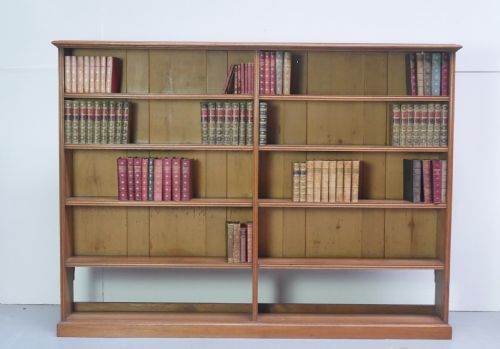
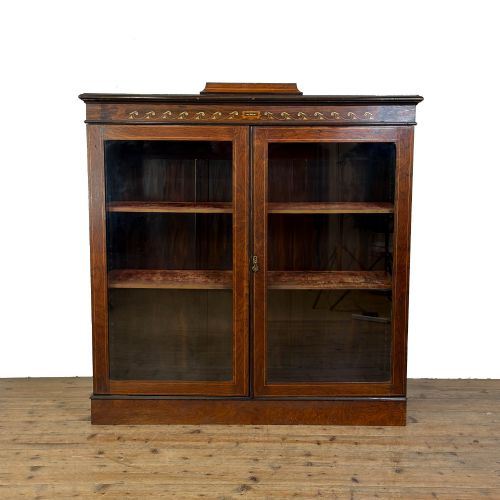
A vintage book display case keeps your volumes safe behind glass while showing off their spines.
Vintage Book Display Case
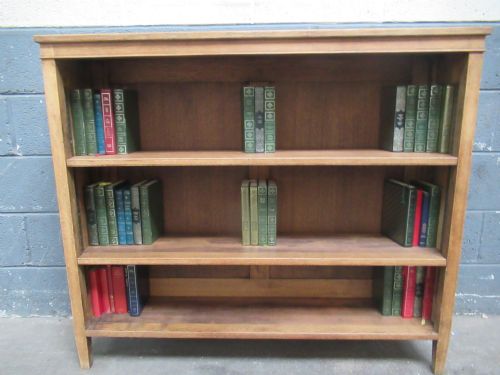
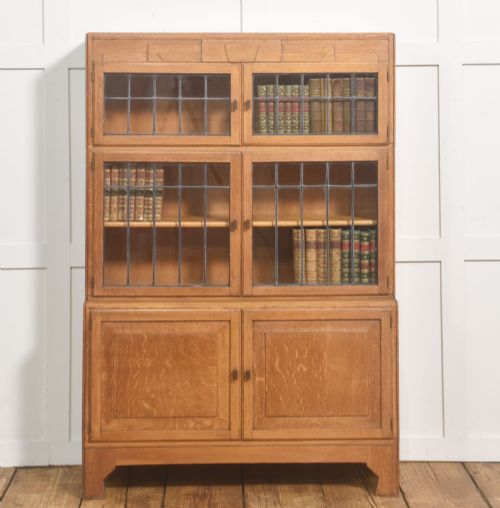
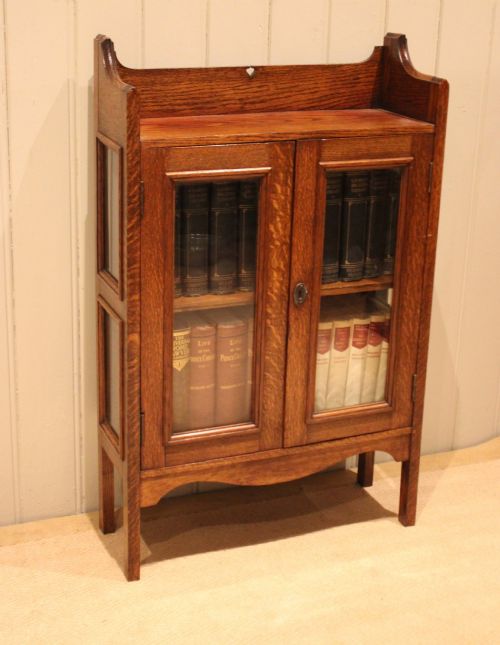
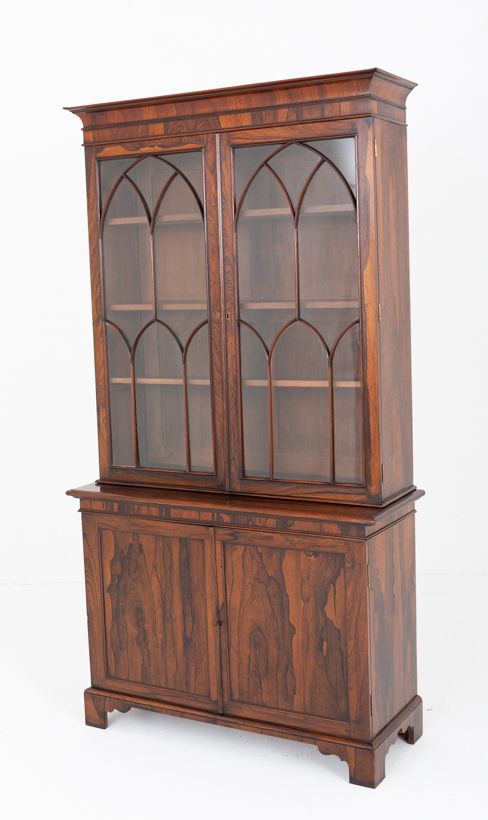
A vintage book display case is a cabinet designed to hold and exhibit books, frequently incorporating glass doors or open shelving to protect volumes while keeping titles visible. Buyers searching for a vintage book display case will encounter forms ranging from tall Victorian mahogany two section bookcase cabinets to low Edwardian inlaid mahogany bookcases.
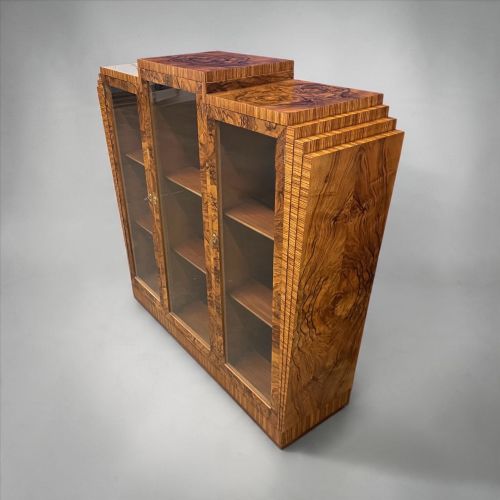
The selection on this page spans several decades and stylistic movements, with pieces originating from the nineteenth century up through the nineteen-thirties. You will find examples encompassing Edwardian, Victorian, Art Deco, Arts and Crafts, and French Provincial aesthetics.
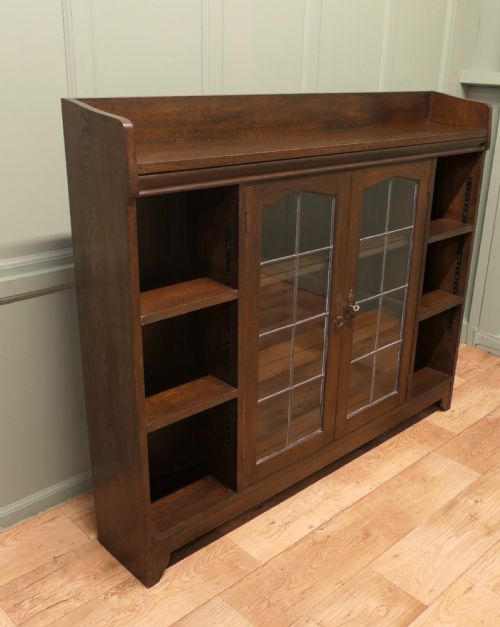
Object types include bookcases, display cabinets, bureaux, and combination bookcase cabinets. Oak, mahogany, and walnut appear frequently as the primary woods, often paired with glass doors and brass fittings.
How they were made
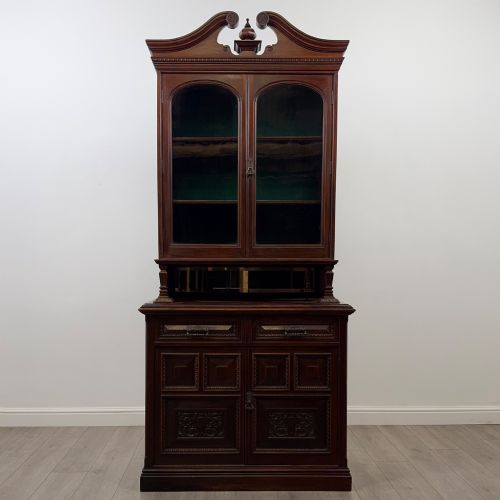
Cabinet makers utilised dense hardwoods such as mahogany, oak, walnut, and rosewood to construct the structural carcasses and shelving. Finer examples integrated decorative elements like satinwood inlay, applied mouldings, swan neck pediments, or carved details on the front.
Glazing is central to these pieces, with panels held in place by wooden glazing bars or lead came. Brass hardware, including hinges and handles, completes the construction of doors that enclose adjustable display shelves.
Vintage Book Display Case Retail Price Guide 2026
Typical asking prices for vintage book display case among the pieces listed under this phrase on Sellingantiques today, from the lower quarter to the upper quarter. They describe what is for sale here now, not the wider market.
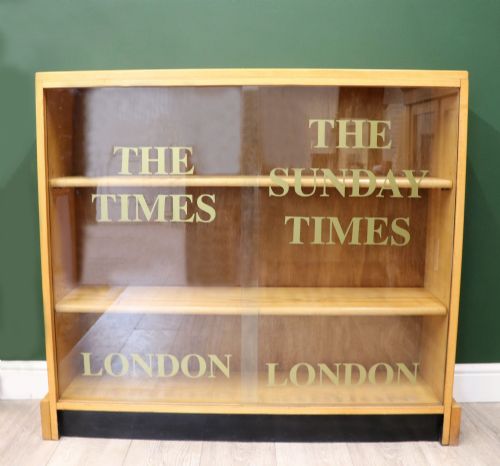
One unexpected cabinet carries later applied text for The Times and Sunday Times, giving it a distinct newsroom personality.
What varies in quality
The grade of timber and the precision of the cabinet work dictate the distinction between standard and exceptional pieces. Selection of figured veneers, tight joinery, and balanced proportions elevate certain items above mass-produced utilitarian storage.
Design sophistication also sets examples apart, from simple glazed oak frames to pieces featuring intricate astral glazing, leaded glass, or integrated bureaux and open shelving. The integration of decorative elements like inlaid satinwood defines the upper tier of the range.
Liberty
The Vintage Book Display Case Glossary
- Astral glazed
- Glass panels divided into smaller panes by thin wooden bars known as astragals. This technique creates a grid pattern across the cabinet doors.
- Swan neck pediment
- A decorative broken pediment top shaped like the curves of a swan's neck. It often terminates in a scroll or rosette at the centre.
- Lead came
- Strips of lead used to hold individual pieces of glass together in leaded windows and cabinet doors. This method creates geometric or decorative designs.
- Bureau
- A desk fitted with a sloping flap that opens to reveal writing surfaces and small drawers. Some vintage book display cases incorporate this feature into the cabinet body.
- Inlay
- A technique where contrasting woods or materials are inserted into recessed portions of the primary wood surface. Satinwood is frequently used for this decorative work on mahogany.
Vintage Book Display Case: Frequently Asked Questions
How do I clean the glass?
Use a soft cloth and a gentle glass cleaner applied directly to the cloth rather than the wood. This prevents moisture from damaging the vintage polish.
Take care around leaded or antique glass panes which may be delicate in their frames.
Are the shelves adjustable?
Many examples feature adjustable display shelves resting on wooden supports or metal pins. This allows you to accommodate books of varying heights.
Fixed shelving also appears in certain traditional configurations.
How do I identify an Edwardian case?
Edwardian pieces often feature lighter mahogany timbers combined with subtle inlaid decoration. The proportions tend to be refined and influenced by eighteenth-century revival styles.
Look for refined astragal glazing and satinwood stringing on the woodwork.
Where should I place my case?
Position your cabinet away from direct sunlight and strong heat sources to protect the timber and book bindings. Consistent indoor temperatures prevent the wood from warping.
Ensure the floor is level so the doors hang true and close properly.