



Vintage Book Boxes
Vintage book boxes disguise utilitarian storage as leather-bound literature, offering collectors tactile disguise and period craftsmanship.
Vintage Book Boxes
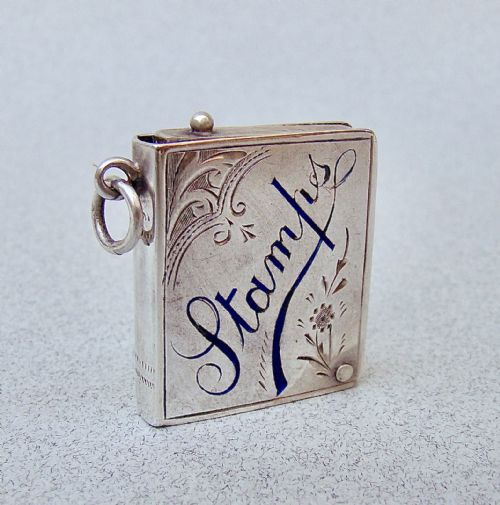
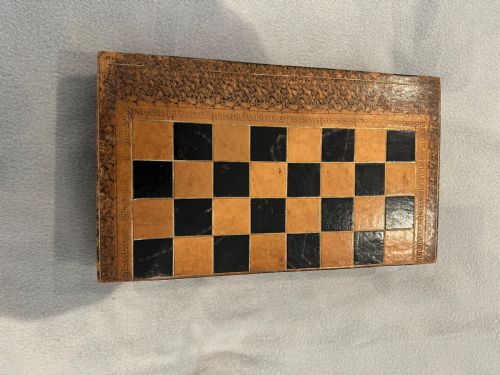
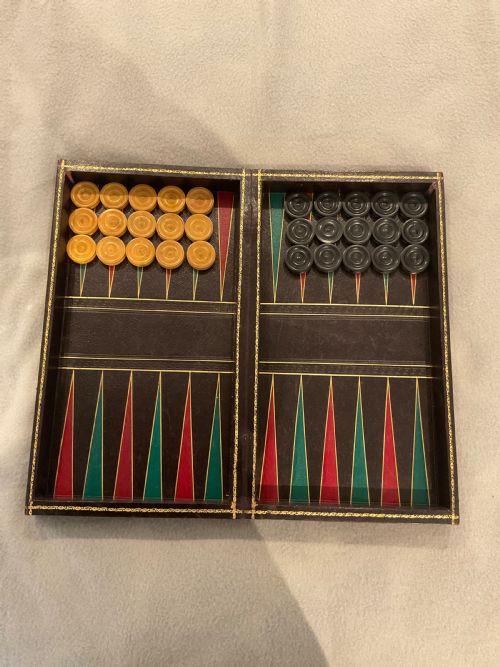
Vintage book boxes mimic the appearance of bound volumes to conceal games boards, stamps, coins, and personal valuables. These pieces range from Victorian leather-bound faux book games boards to Edwardian biscuit tins and Art Deco secret safe books.
Makers utilised familiar literary formats to trick the eye and secure private items safely out of sight. Such items merge decorative arts with functional storage across multiple European traditions.
Materials and Making
Craftsmen built these containers using timber foundations such as oak, mahogany, walnut, and olive wood, often covering them in leather to simulate book bindings. Gold leaf tooling added spine titles and decorative borders while brass hardware secured closures.
Specialised techniques included intricate wood inlay, Sorrento woodwork, and metal stamping for biscuit tins and silver stamp cases. Carved details appeared in Art Nouveau examples while others relied on tooled leather surfaces.
Vintage Book Boxes Retail Price Guide 2026
Typical asking prices for vintage book boxes among the pieces listed under this phrase on Sellingantiques today, from the lower quarter to the upper quarter. They describe what is for sale here now, not the wider market.
The listings span from the nineteenth century through the 1950s, incorporating materials like sterling silver, brass, and olive wood.
Judging Quality
Superior examples display precise leather tooling, crisp gold leaf application, and tight joints in the underlying wooden structure. The convincing weight and texture of the spine separate fine decorative boxes from simpler containers.
Intricacy of internal compartments, such as fitted games boards or custom spaces for coins and stamps, distinguishes high-grade items. Original hardware and well-preserved surface patinas indicate better preservation and superior original manufacture.
Crisford & Norris·Huntley & Palmers
The Vintage Book Boxes Glossary
- Faux Book
- An object shaped and bound to resemble a real printed volume. It conceals a hollow interior or drawer for storage.
- Sorrento Work
- Intricate wood inlay and marquetry originating from Italy. It often decorates wooden souvenir boxes with geometric or pictorial designs.
- Gold Leaf
- Gold beaten into extremely thin sheets used for gilding. It provides lettering and ornamentation on leather bindings.
- Casket
- A small ornamental box or chest used for valuable items. These pieces frequently feature hinged lids and secure latches.
- Blind Tooling
- Impressing a design into leather using heated metal tools without applying gold leaf. It creates subtle relief patterns on book spines and covers.
Vintage Book Boxes: Frequently Asked Questions
What were vintage book boxes used for?
These containers held playing pieces, stamps, coins, tobacco, and personal letters while resting discreetly on library shelves.
Their deceptive exterior kept private belongings hidden in plain sight among actual books.
How do I date a book box?
Examine the materials, binding styles, and locking mechanisms to establish the period of manufacture. Victorian pieces often use heavy stamped leather while Art Deco examples show geometric styling.
Maker marks on silver components or tin lithography also help narrow down the decade.
Are these boxes made of real leather?
Many examples feature genuine leather bindings embellished with tooling and gold leaf. Some later or alternative pieces utilise wood, metal, or paper composites to achieve the book form.
Checking the texture and interior lining reveals the primary construction materials.
How do I clean a leather book box?
Dust gently with a soft, dry cloth to remove surface particles without damaging the delicate tooling. Avoid harsh chemical cleaners that strip historical patina from the leather or wood.
Preserving the original surface condition maintains both character and material integrity.