




Vintage Book Box
These vintage book box pieces are clever hiding places and decorative containers disguised as leather and wood volumes.
Vintage Book Box
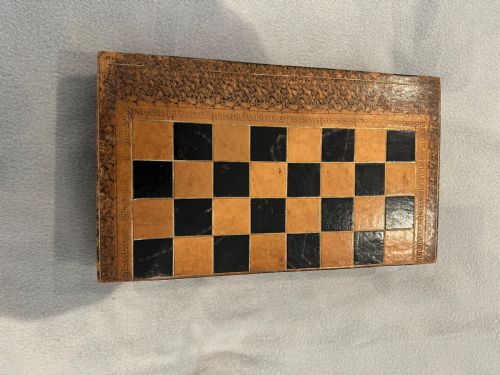
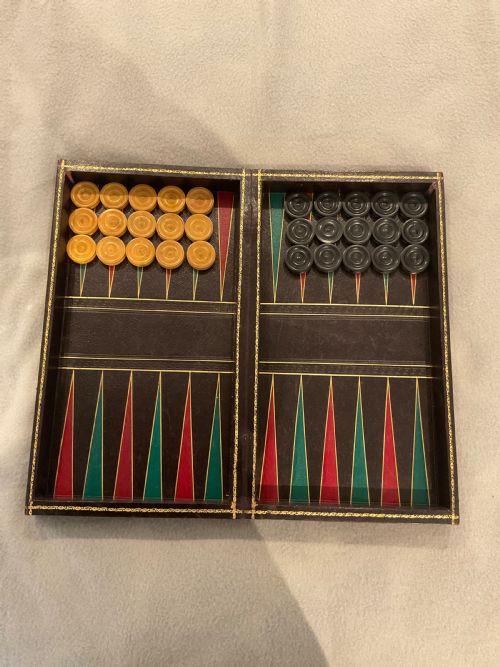
When you search for a vintage book box, you encounter a clever variety of hiding places, games boards, and small containers disguised as bound volumes. These objects range from nineteenth century leather bound faux book games boards to inlaid olive wood caskets and secret safes.
The pieces on this page appear in materials such as leather, wood, and brass, spanning periods from the Victorian era through to the mid twentieth century. You will frequently find items taking the form of single books, double volumes, or rotating structures designed to hold items like coins, stamps, cards, and trinkets.
How they were made
Maker techniques rely heavily on leather tooling, gold leaf application, and careful woodworking using materials like mahogany, walnut, and olive wood. Structural forms incorporate carved wood, inlaid decoration, and fitted interiors to simulate genuine library bindings.
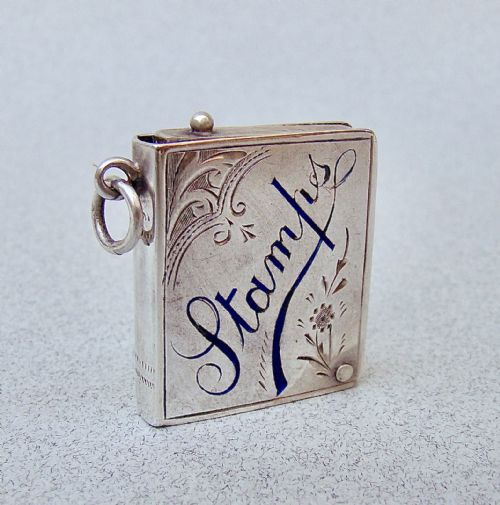
Metal elements such as brass hinges and clasps secure these lidded containers, while specialised papers and painted details finish the spine and cover edges. Some examples utilise metal tins or incorporate silver stamp cases alongside traditional wooden frames.
Vintage Book Box Retail Price Guide 2026
Typical asking prices for vintage book box among the pieces listed under this phrase on Sellingantiques today, from the lower quarter to the upper quarter. They describe what is for sale here now, not the wider market.
Some book boxes doubled as sneaky cribbage boards or secret coin safes, proving that Victorian librarians had a playful side.
What varies in quality
The standard of a vintage book box depends upon the precision of its simulated bindings and the integrity of its internal construction. Superior examples display crisp tooling on leather, fine marquetry inlay on wood, and tight joints that conceal their interior compartments effectively.
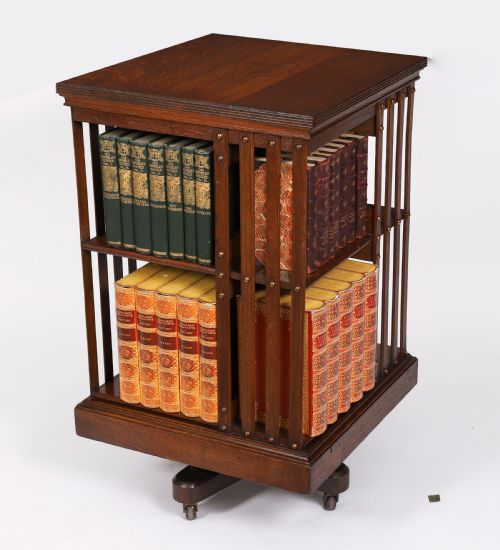
Materials and mechanism execution dictate the refinement of each piece, from simple hinged covers to complex revolving stands and secret safes. Pieces featuring specialised functions like games boards or integrated ink stands show greater ingenuity in their manufacture.
Crisford and Norris·Huntley and Palmers
The Vintage Book Box Glossary
- Faux book
- An object constructed to resemble a bound volume or a set of books while functioning as a box, games board, or safe. These pieces conceal storage spaces within their structural mass.
- Marquetry
- The art and craft of applying pieces of veneer to a structure to form decorative patterns. This technique frequently appears on wooden and olive wood boxes.
- Tooled leather
- Leather decorated with impressed patterns or gold leaf tooling. This method provides the realistic spine and cover details seen on leather bound containers.
- Casket
- A decorative box or chest used for storing valuables, jewellery, or keepsakes. These vessels often feature hinged lids and secure fastenings.
- Secret safe
- A locking container disguised within another object type to conceal its contents from view. Examples often take the form of carved or styled books.
Vintage Book Box: Frequently Asked Questions
What were book boxes used for?
These pieces served as discreet containers for keeping valuable items, coins, stamps, and small keepsakes hidden in plain sight on library shelves. Many versions also doubled as portable games boards for chess, cribbage, and backgammon.
Their dual nature allowed owners to store personal belongings securely while maintaining the decorative appearance of a row of standard books.
Are book boxes secure?
While many pieces feature clasps, hinged covers, or secret safe mechanisms, they function primarily as novelty containers rather than modern security safes. Their primary defence was concealment among actual books rather than heavy duty locking systems.
Collectors appreciate them for their ingenious construction and historical charm rather than high security storage capability.
How do I style a book box at home?
These boxes integrate naturally into traditional bookshelf displays, on top of side tables, or as desk accessories alongside stationery and ink stands. Placing them horizontally or vertically among actual volumes maintains the illusion of a standard library collection.
They work well as focal points on mantelpieces or within cabinet displays where their detailed leather bindings and wood inlays can be examined closely.