





Vintage Bonnet Mascot
These vintage bonnet mascot pieces are sculptural ornaments once mounted on motor cars, highly sought after by collectors for their striking motoring history and artistry.
Vintage Bonnet Mascot
A vintage bonnet mascot sits proudly at the front of a motor car, serving as both an individual expression of taste and a decorative hood ornament. When you search for this phrase, you encounter sculptural objects designed to pierce the wind with style.
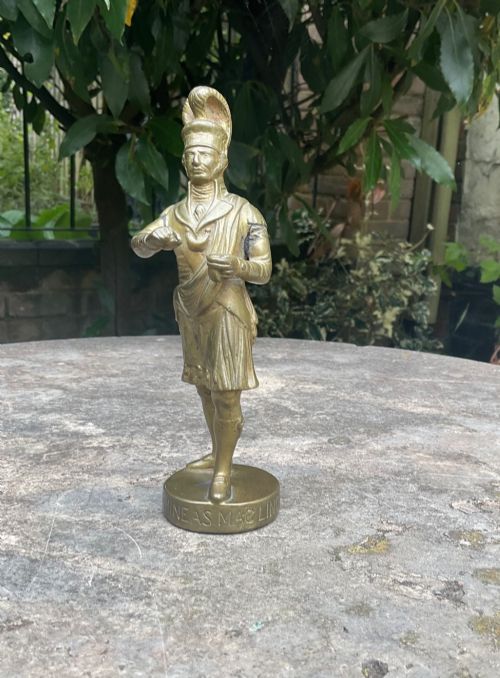
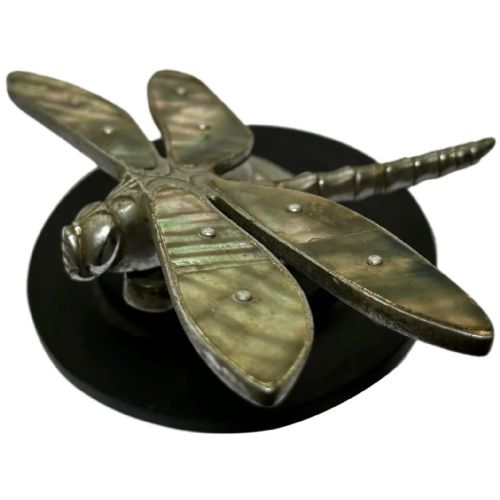
The versions most commonly met on this page span the Art Deco and Edwardian periods, taking the form of animal figures, human subjects, and heraldic motifs. Makers translate speed and motion into solid metal or glass forms.
Many items transcend their automotive origins to function as desk accessories or paperweights when removed from the radiator cap. These pieces capture an era when motoring was an adventurous pursuit.
How they were made
Foundries cast these objects primarily in bronze, brass, and chrome-plated metal, utilising traditional methods to achieve intricate detail in animal figures and human forms. Some pieces feature cold painting applied by hand onto bronze surfaces.
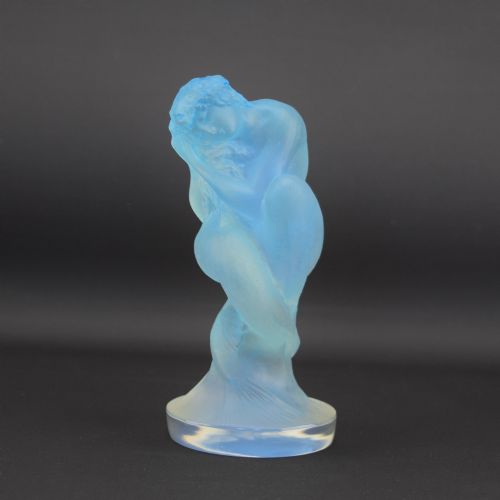
Makers also turned to opalescent glass, notably pressed to catch the light on the radiator cap during daylight drives. The combination of chrome and cast brass gives these sculptures their distinct weight and durability.
Vintage Bonnet Mascot Retail Price Guide 2026
Typical asking prices for vintage bonnet mascot among the pieces listed under this phrase on Sellingantiques today, from the lower quarter to the upper quarter. They describe what is for sale here now, not the wider market.
Even Winston Churchill found himself cast in metal to urge motorists onward with a patriotic V for victory.
What varies in quality
Quality rests upon the crispness of the casting and the fidelity of the sculptural detail in feathers, fur, and facial expressions. A superior piece retains its original surface finish, whether gilt bronze or polished chrome, without smoothed-over edges.
The distinction between standard production items and masterworks by known designers lies in the artistic conception and the precision of the finishing work. Lesser examples lack the dynamic posture seen in the finest racing greyhounds and nude figures.
Rene Lalique·Louis Lejeune·Desmo
The Vintage Bonnet Mascot Glossary
- Bonnet mascot
- A sculptural ornament mounted on the radiator cap or bonnet of a motor car. They gained immense popularity during the early decades of the twentieth century.
- Cold painted bronze
- Bronze sculpture decorated with non-fired paint applied after the casting process. This technique allows for vibrant coloration on animal and human figures.
- Opalescent glass
- Glass that displays a milky or iridescent appearance with milky-blue highlights. It was utilised by master glassmakers for translucent lighting effects on vehicles.
- Automobilia
- Collectable items associated with motor cars and motoring history. This category encompasses mascots, badges, and desk accessories from the period.
Vintage Bonnet Mascot: Frequently Asked Questions
Were these mascots actually used on cars?
Drivers mounted these sculptures directly onto the radiator caps or bonnets of their motor cars during the early to mid-twentieth century.
Over time, safety regulations and changing vehicle designs led to their removal from everyday motoring use.
How do I display a mascot off the car?
Many collectors mount their pieces on custom wooden bases or display them alongside desk accessories and paperweights.
Placing them on a flat surface allows the sculpture's weight and form to be appreciated at close range.
How do I identify an Art Deco piece?
Art Deco examples favour streamlined geometry, stylised animal forms, and dynamic depictions of speed and movement.
Figures from this era often feature sleek human nudes or racing hounds with clean architectural lines.
What materials are most common?
Bronze, brass, and chrome-plated metal dominate the construction of these automotive ornaments.
Selected luxury pieces utilise opalescent glass or gilt bronze to achieve a more striking visual impact.