

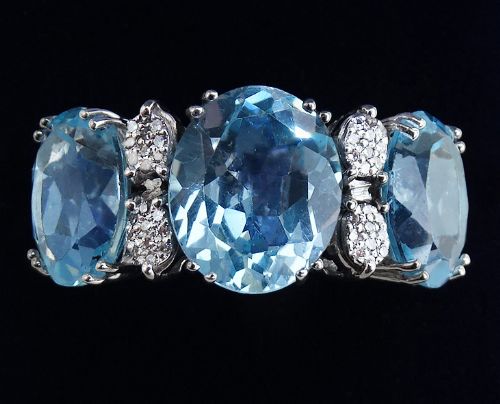
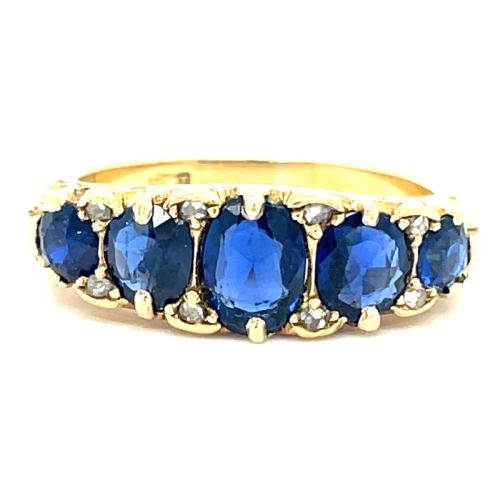
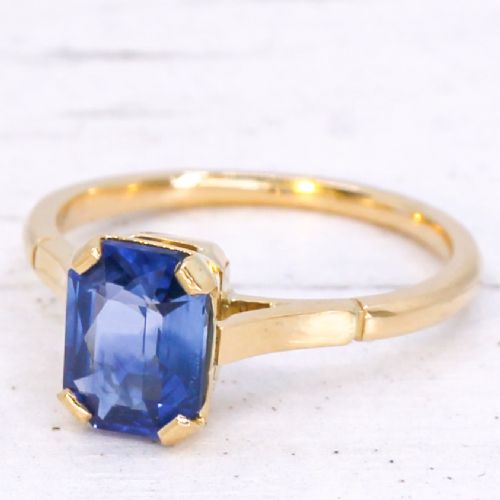
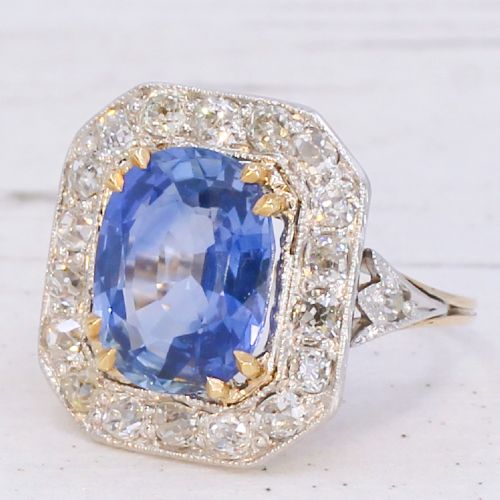
Vintage Blue Stone Jewellery
Vintage blue stone jewellery gathers rings, pendants and earrings set with sapphire, aquamarine, turquoise, zircon and paste, offering a distinct colour palette shaped by past decades.
Vintage Blue Stone Jewellery
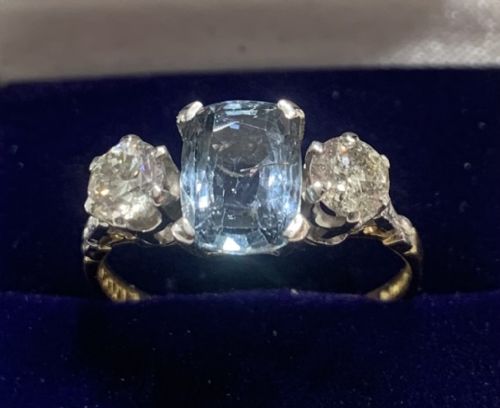
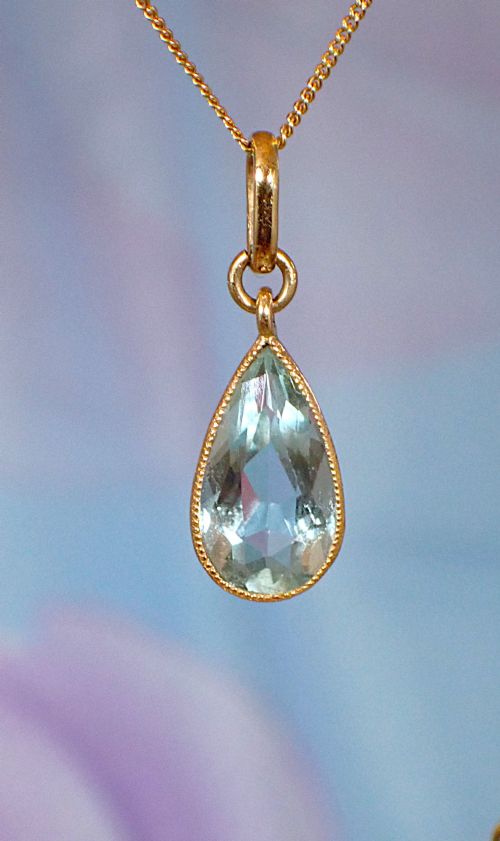
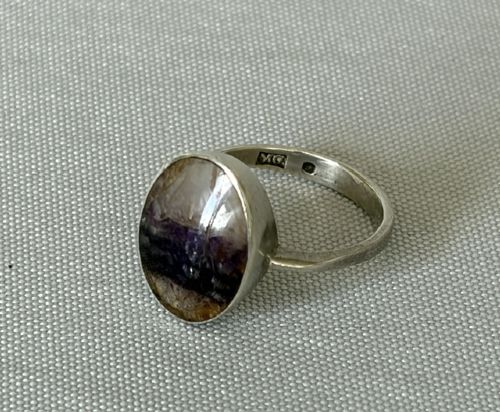
Vintage blue stone jewellery encompasses rings, earrings, necklaces and pendants spanning the Victorian, Edwardian, Art Deco and mid-century periods. Pieces range from delicate boat rings to substantial cluster and solitaire designs.
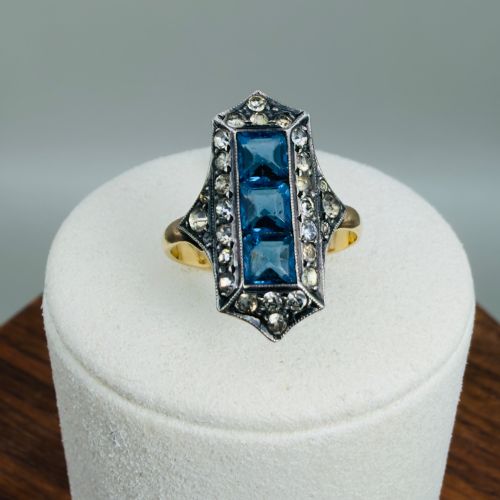
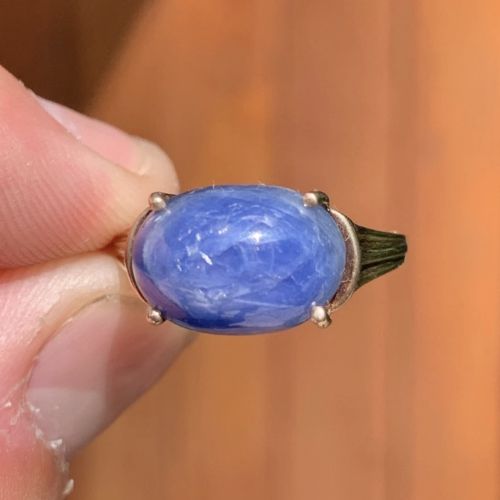
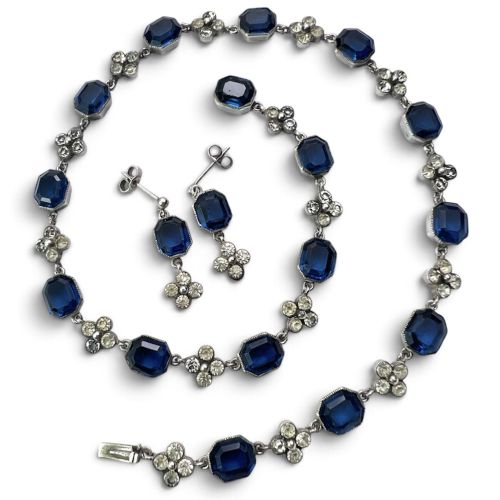
Sapphire and aquamarine dominate the surviving selections, appearing alongside turquoise, zircon, lapis lazuli, blue topaz and blue paste stones. These items reflect the shifting design preferences of the twentieth century, particularly the geometric lines of the 1920s.
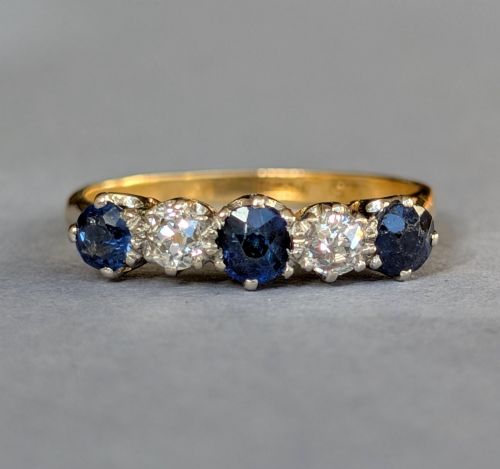
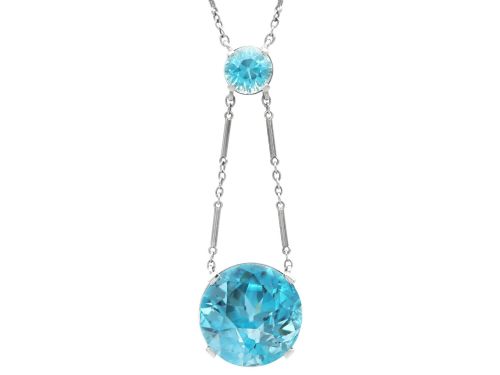
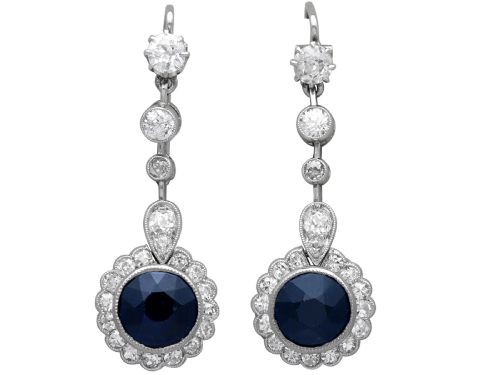
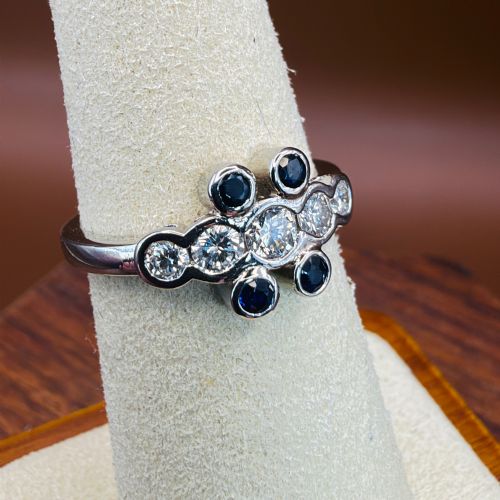
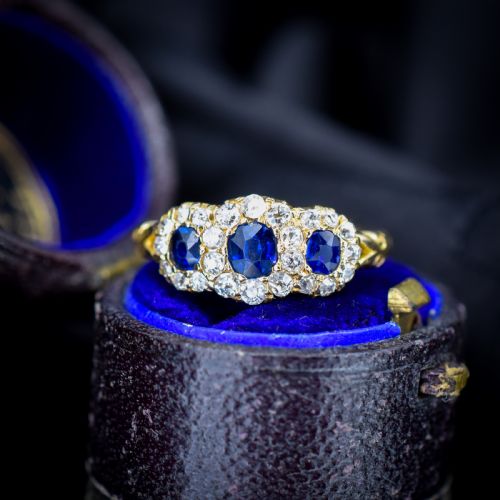
Buyers meet varied configurations including cluster rings, drop earrings, festoon necklaces and delicate negligee pendants. The assortment draws heavily on Edwardian lightness and Art Deco symmetry.
Materials and construction
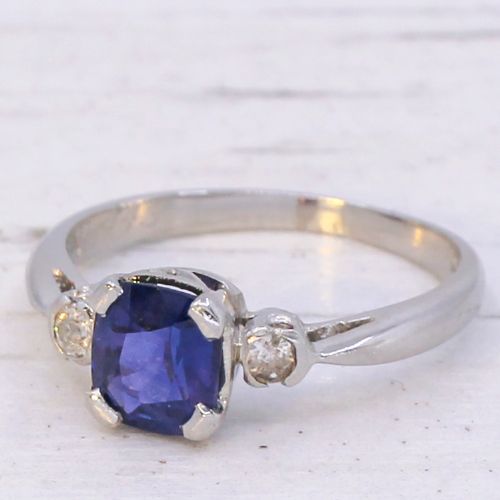
Goldsmiths set stones in 9ct and 18ct gold, platinum and silver, often combining metals such as yellow gold with platinum toppings to enhance stone brilliance. The mounting techniques reflect the dominant styles of each era, from Victorian claw settings to precise Edwardian millegrain work.
Gemstones include natural sapphires from Ceylon and Kashmir alongside heat-treated stones, aquamarines and non-precious alternatives like blue paste. Metal selection closely follows period conventions, utilising platinum for durability in Art Deco pieces and rose or yellow gold in earlier Victorian designs.
Vintage Blue Stone Jewellery Retail Price Guide 2026
Typical asking prices for vintage blue stone jewellery among the pieces listed under this phrase on Sellingantiques today, from the lower quarter to the upper quarter. They describe what is for sale here now, not the wider market.
Craftsmanship and stone selection
Quality separates pieces through the depth of stone colour, clarity and the precision of the setting work. Natural untreated sapphires and well-matched diamond clusters sit at the upper end of the spectrum.
The finesse of metalwork, such as hand-formed platinum claws or crisp millegrain edges, marks the difference between standard production and fine workmanship. Settings that securely hold large centre stones without obscuring their natural light demonstrate superior construction.
The Vintage Blue Stone Jewellery Glossary
- Cluster ring
- A ring featuring a central gemstone surrounded by a border of smaller stones, typically diamonds or paste. This arrangement maximises visual impact and light reflection.
- Millegrain
- A decorative jewellery technique involving a line of tiny raised metal beads along the edge of a setting. It provides a soft, textured border characteristic of Edwardian design.
- Boat ring
- A navette-shaped ring setting featuring an elongated boat-like silhouette that curves across the finger. This form was popular during the Georgian and Victorian eras.
- Negligee necklace
- A pendant style featuring two unequal drops suspended from a central chain. It became fashionable during the Edwardian and Arts and Crafts periods.
- Paste
- Hand-cut lead glass used as a gemstone substitute in historical jewellery. High-quality paste shows considerable brilliance and fire.
Vintage Blue Stone Jewellery: Frequently Asked Questions
How do I care for vintage blue stone jewellery?
Clean pieces gently with warm soapy water and a soft brush, avoiding harsh chemical dips that damage softer stones like turquoise or pearls.
Store items individually in padded boxes to prevent metal settings from scratching delicate gems and pastes.
Are these pieces made with solid gold?
Many items feature solid 9ct or 18ct yellow, white or rose gold, alongside platinum and silver mounts.
Descriptions specify the precise metal purity used in the construction of each individual ring, pendant or pair of earrings.
How can I identify an Art Deco piece?
Art Deco items utilise geometric symmetry, platinum settings and sharp lines that depart from earlier flowing floral motifs.
They frequently pair blue sapphires with contrasting white diamonds in structured cluster or plaque arrangements.