


Vintage Black Pottery
These vintage black pottery pieces bring striking dark forms and distinct period character to any room.
Vintage Black Pottery
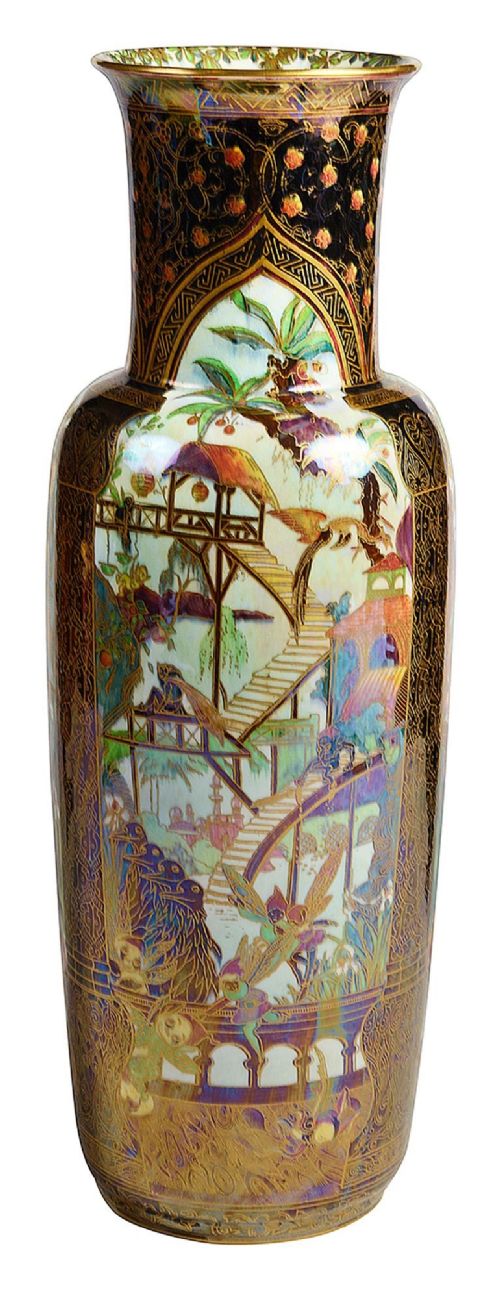
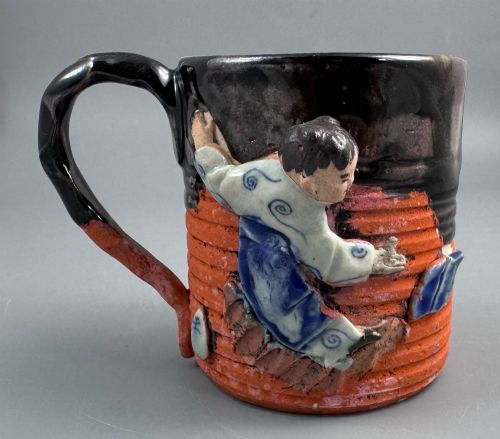
When you search for vintage black pottery, you encounter a varied selection of ceramic objects spanning several distinct periods and styles. The pieces on this page include vases, mugs, animal figurines, and sculptural groups originating from diverse traditions.
How they were made
Makers utilised earthenware, terracotta, and porcelain as the foundational bases for these objects. Glazes and gilt provide surface finish and colour variation across the different pieces.
Some items incorporate wooden bases or applied figures formed separately before attachment to the main body.
Materials seen across the site listings include earthenware, terracotta, porcelain, bone china, glaze, and wood.
What varies in quality
Quality separates through the precision of hand-painted details and the control shown during the application of glazes. Sculptural pieces demonstrate varying degrees of definition in their moulded or modelled forms.
The reputation of the maker and the consistency of the period characteristics also determine the standing of individual items within their style.
Daisy Makeig jones·Gallilleo Chini·Guido Cacciapuoti·Mougin·Gio Ponti·Richard Ginori·Beswick·Gladstone potteries
The Vintage Black Pottery Glossary
- Earthenware
- Porous pottery fired at lower temperatures and typically glazed to ensure it holds liquids. It serves as a common base for many traditional figures and vessels.
- Terracotta
- Unglazed or glazed fired clay possessing a brownish-red natural tone. This material appears in sculptural heads and figures.
- Glaze
- A glassy coating fused to ceramic bodies through firing to colour, decorate, or waterproof the surface. Drip glazes create fluid, unpredictable patterns.
- Porcelain
- A hard, fine-grained ceramic fired at high temperatures until vitrified. It allows for delicate figurine modelling and fine white fractures.
Vintage Black Pottery: Frequently Asked Questions
What periods do these pieces cover?
The listings span from the nineteenth century through the Victorian and Meiji periods into the 1930s. This timeframe captures significant shifts in ceramic design and manufacturing.
You will find items tied to specific stylistic movements like Art Nouveau and Art Deco within these dates.
What materials are used here?
Makers relied primarily on earthenware, terracotta, and porcelain for the construction of these items. Glazes and gilt add surface decoration and colour.
Wood occasionally appears as a base for sculptural groups and ceramic groupings.
How do I display these items?
Vases, figurines, and sculptural groups work well on sturdy shelves, mantelpieces, or dedicated display cabinets. Ensure the support matches the weight of the ceramic or terracotta body.
Keep pieces away from high-traffic edges where accidental knocks might occur.
How do I identify different styles?
Art Deco and Art Nouveau pieces display the geometric or flowing lines characteristic of the early twentieth century. Victorian and traditional English items often feature animal or human figures with distinct regional traits.
Signatures, painted marks, and known maker names help confirm the origin of specific works.