


Vintage Black Cabinet
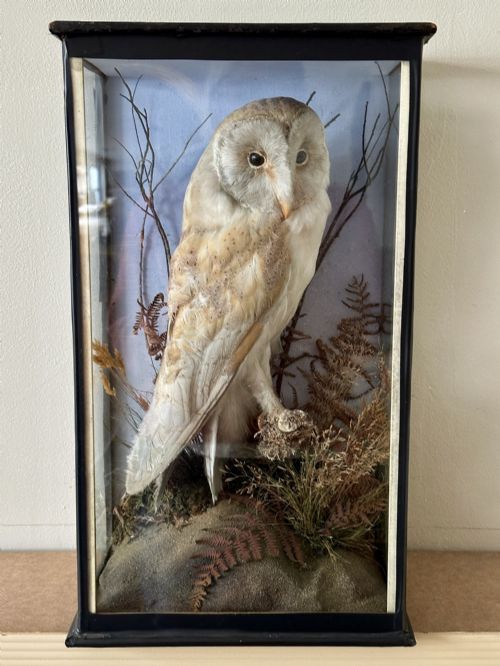
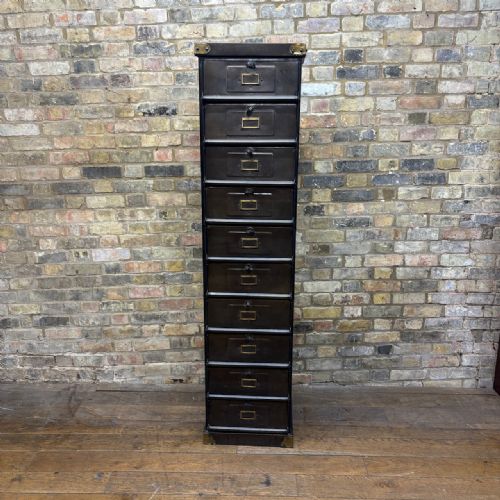
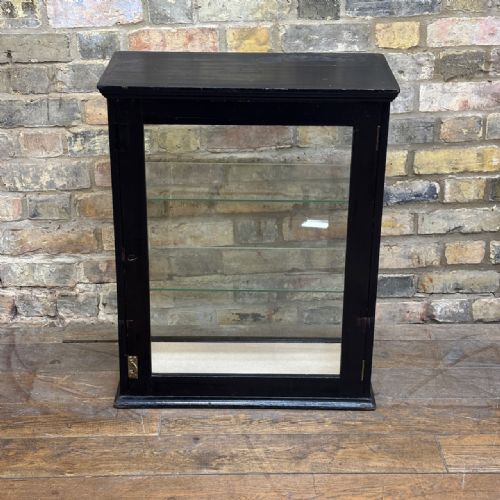
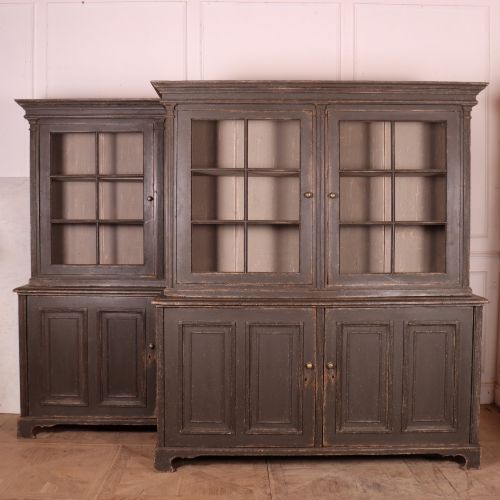
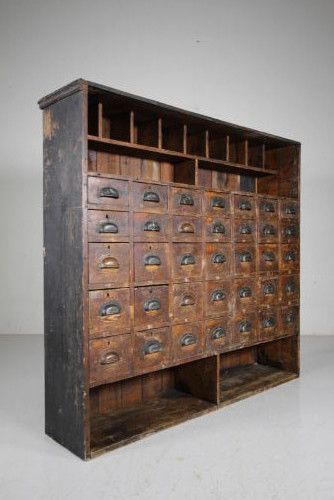
A vintage black cabinet brings dark depth and striking lacquer or ebonised surfaces to a room, offering functional storage with distinct character.
Vintage Black Cabinet
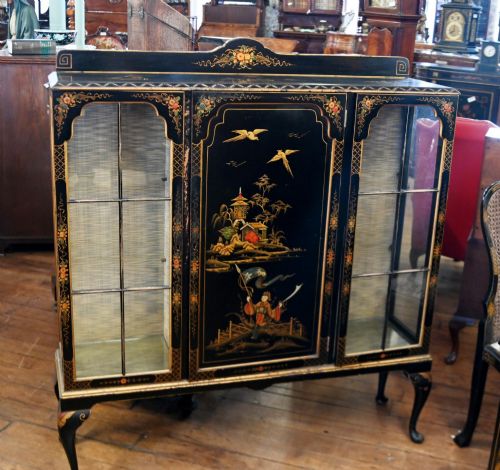
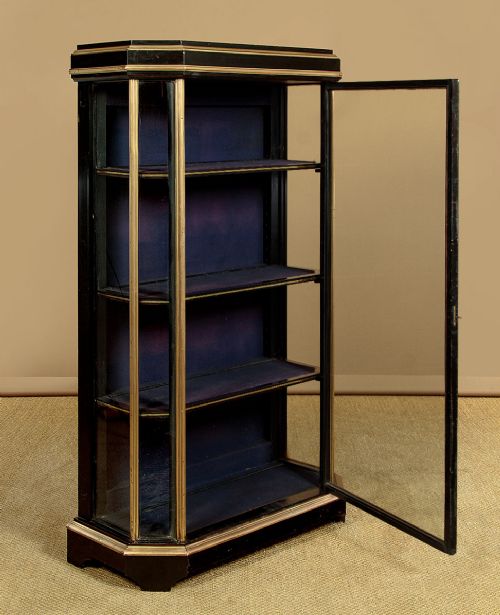
When buyers search for a vintage black cabinet, they encounter a range of forms spanning display units, cocktail cupboards, bedside tables, and side cabinets. These pieces cross multiple periods, from Victorian and Edwardian examples to 1930s Art Deco designs.
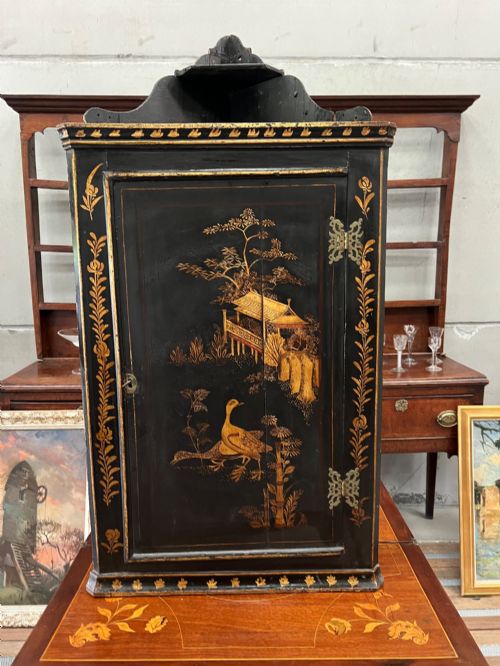
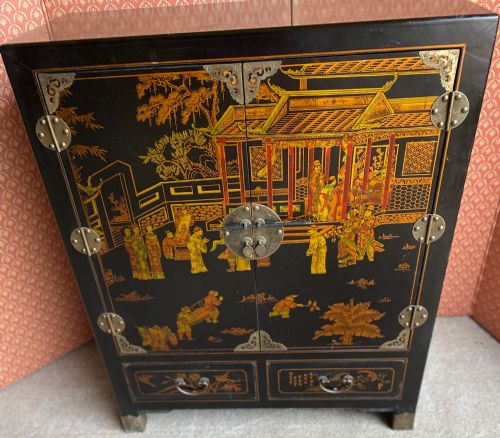
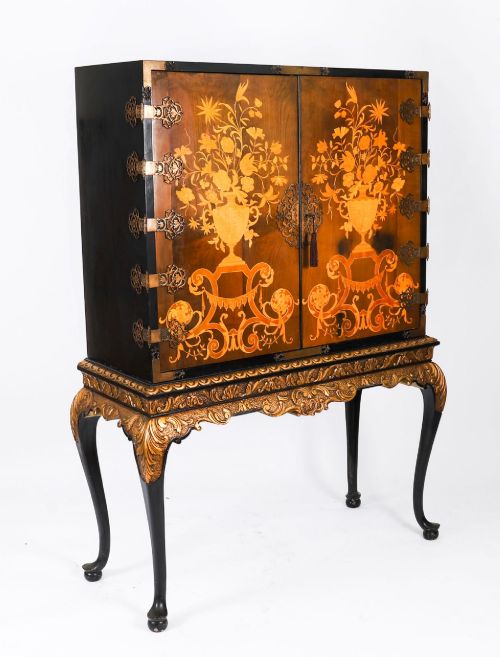
The selection includes decorated Chinoiserie lacquer surfaces, ebonised wood finishes, and painted pine or oak structures. Origins vary widely, taking in English workshops, French studios, and Asian export pieces.
Side cabinets and drinks cabinets dominate the selections meeting this search phrase. Buyers find both compact bedside variants and large statement cupboards suited to prominent placement.
How they were made
Construction relies heavily on traditional timber frames utilising woods such as pine, oak, walnut, and elm. Surfaces are treated with black lacquer, ebonising, or dark paint applications to achieve the desired tone.
Many decorated examples employ Chinoiserie techniques, building up layered lacquered finishes with hand-painted motifs. Brass and glass elements frequently appear as hardware, panels, or display doors.
Vintage Black Cabinet Retail Price Guide 2026
Typical asking prices for vintage black cabinet among the pieces listed under this phrase on Sellingantiques today, from the lower quarter to the upper quarter. They describe what is for sale here now, not the wider market.
Listings feature wood, brass, glass, lacquer, and cast iron across Victorian, Edwardian, and 1930s periods.
What varies in quality
Quality rests in the execution of the surface finish and the integrity of the underlying woodwork. Finer pieces demonstrate depth in their lacquer work or careful ebonising that respects the grain of the timber.
Hardware execution and structural joinery distinguish workshop standards. Superior cabinets retain original brass fittings, stable doors, and intact decorative painting without heavy modern intervention.
Hille for Harrods·James Bruce Glasgow·F. Whitfield and Co·Hutchings of Aberystwyth
The Vintage Black Cabinet Glossary
- Ebonised wood
- Timber stained or painted to imitate ebony. This process gives lighter woods like pine or walnut a dense black appearance.
- Chinoiserie
- European artistic style reflecting Chinese motifs. Artisans applied raised gilt patterns onto black lacquered backgrounds.
- Lacquer
- Durable resin finish applied in multiple layers. It creates a smooth, glossy surface often seen on Asian and European cabinets.
- Commode
- Low decorative chest of drawers or cabinet. French examples from the Art Deco period frequently utilise ebonised finishes.
- Vitrine
- Glass-fronted display cabinet. These pieces allow porcelain and objects to be viewed while protected from dust.
Vintage Black Cabinet: Frequently Asked Questions
What periods do these cabinets come from?
The pieces span the nineteenth and twentieth centuries, incorporating Victorian, Edwardian, and Art Deco eras.
Craftsmanship styles range from traditional English ebonised cupboards to 1930s French art deco designs and Chinoiserie lacquer work.
How were these dark cabinets used originally?
They served various domestic functions, from storing linens and clothing to displaying fine porcelain and serving drinks.
Smaller bedside versions held nighttime essentials, while larger side cabinets and cupboards anchored dining and living spaces.
How do I care for a lacquered surface?
Lacquered and ebonised surfaces require gentle cleaning with a soft, dry cloth to remove dust without scratching the finish.
Avoid placing these cabinets in direct sunlight or damp areas to protect the lacquer layers and underlying timber.
Are these pieces painted or naturally dark?
The finish depends on the specific piece, utilising both natural dark hardwoods and applied surface treatments.
Some cabinets feature ebonised wood or black paint, while others use layered lacquer over pine, oak, or exotic timbers.