






Vintage Birmingham Silver Frame
These vintage birmingham silver frame pieces bring proper metalwork and personal history to a mantelpiece, offering a tangible link to early twentieth-century craftsmanship.
Vintage Birmingham Silver Frame
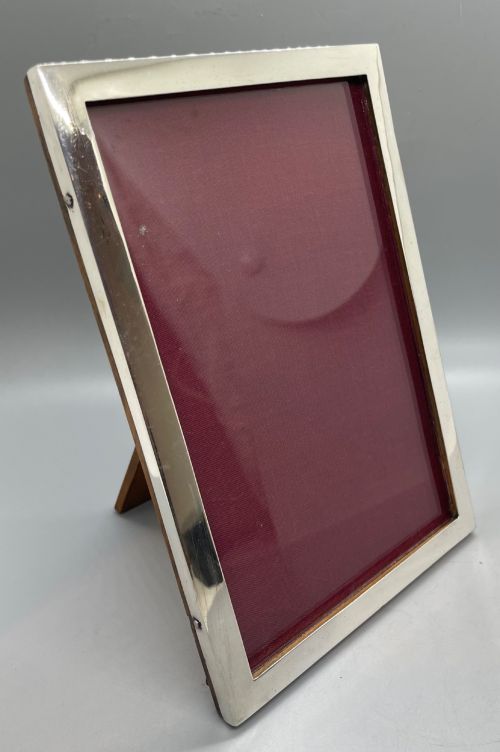
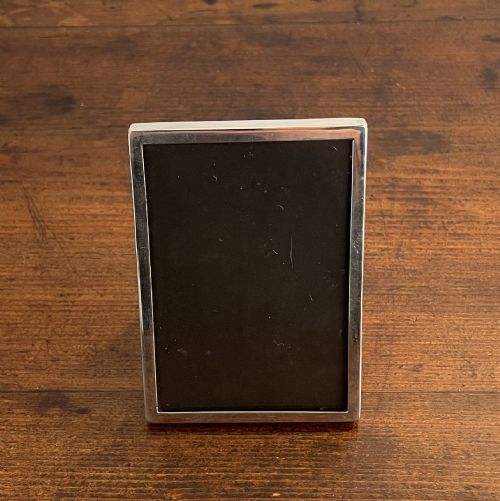
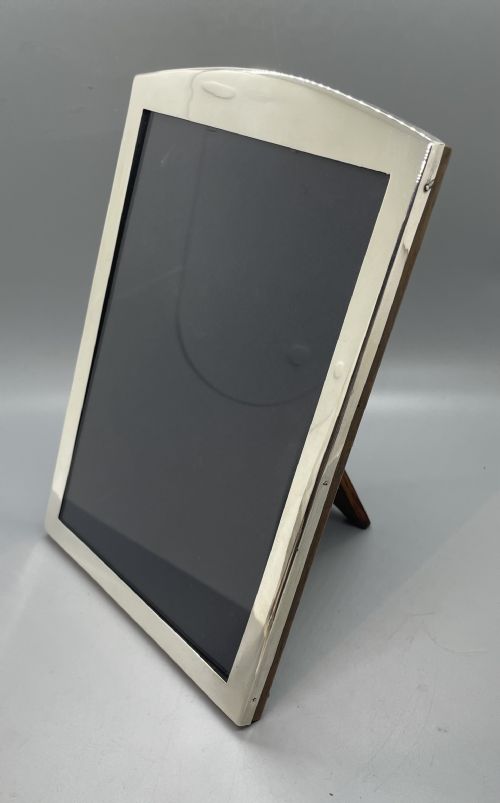
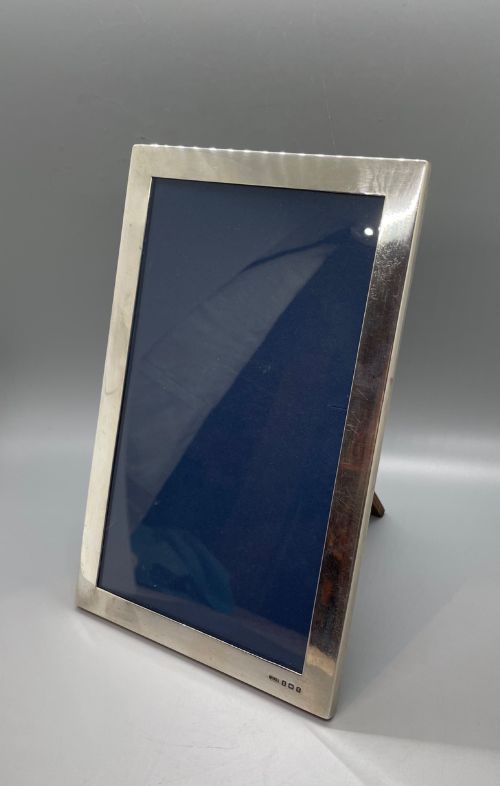
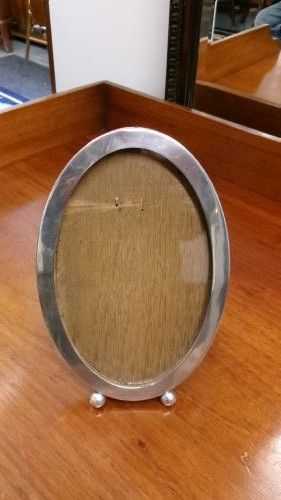
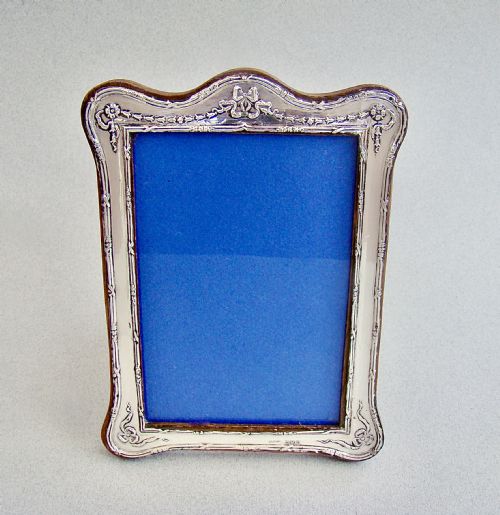
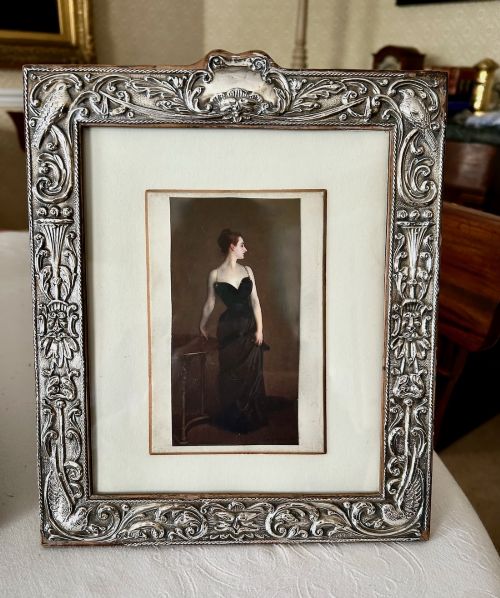
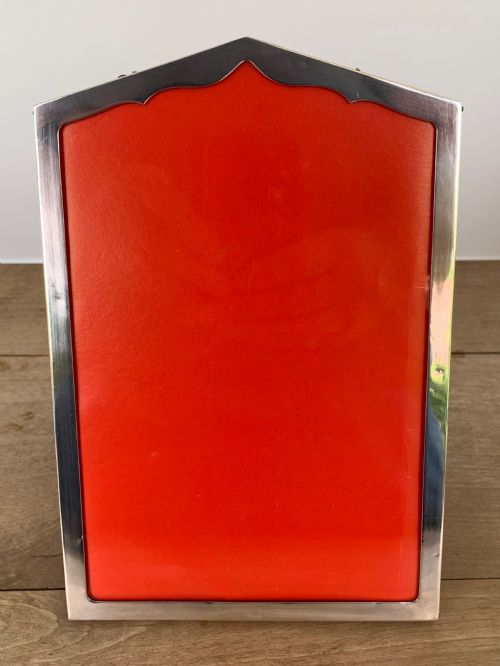
A vintage birmingham silver frame is essentially a small to medium desk or mantel accessory designed to hold personal portraits and photographs. Most examples found here originate from the Edwardian period through to the 1930s, spanning the reigns of Edward VII and George V.
The dominant forms are rectangular and oval photo frames, usually engineered to stand upright via a hinged backing support. These items reflect the domestic photography habits of the early twentieth century, when desk portraits became commonplace in British homes.
How they were made
Makers constructed the primary visual frontage using sterling silver sheet, frequently shaped with presses or hand-beaten via planishing techniques. Decoration often involved engraved floral motifs or restrained neoclassical revival patterns stamped directly into the metal.
The delicate silver facades required internal structural support, typically provided by wooden backs lined with fabric, velvet, or leatherette. Glass protected the portrait aperture, held securely behind the silver bezel.
Vintage Birmingham Silver Frame Retail Price Guide 2026
Typical asking prices for vintage birmingham silver frame among the pieces listed under this phrase on Sellingantiques today, from the lower quarter to the upper quarter. They describe what is for sale here now, not the wider market.
What varies in quality
Quality rests significantly upon the gauge of the sterling silver sheet used for the bezel, as thinner metal dents easily under handling. Heavier gauges retain crispness in stamped or engraved borders over decades.
The integrity of the internal wooden backboard and original easel support dictates structural longevity. Frames retaining their original fabric linings and functional wooden stands command greater appreciation among collectors.
W.I. Broadway & Co·Deakin & Francis
The Vintage Birmingham Silver Frame Glossary
- Sterling silver
- A silver alloy containing 92.5 percent pure silver by mass and 7.5 percent other metals, usually copper. This standard composition provides the necessary durability for functional household items.
- Planished
- A metalworking finish achieved by hammering the surface with a small-faced tool to create a pattern of small, flat facets. This technique hardens the silver while adding texture.
- Easel back
- A hinged strut attached to the reverse of a frame allowing it to stand upright on a flat surface. It forms an integral part of desk and mantel accessories.
- Leatherette
- A synthetic material designed to imitate leather, frequently utilised on the reverse backing boards of frames from this era. It provides a durable, uniform finish for the structural support.
Vintage Birmingham Silver Frame: Frequently Asked Questions
How do I clean a silver frame?
Use a soft microfiber cloth specifically formulated for sterling silver to gently lift surface tarnish from the decorative borders. Avoid harsh abrasive pastes that might wear down delicate engravings.
Take care to keep cleaning liquids away from the wooden backs and velvet linings on the reverse, as moisture damages vintage organic materials.
How can I date an unmarked Birmingham frame?
British silver typically relies on hallmark sequences stamped directly into the metal, including an anchor symbol indicating the Birmingham assay office. A specific letter punch within these hallmarks identifies the exact year of manufacture.
Stylistic cues such as heavy neoclassical revival motifs or geometric art deco lines also help narrow down the production decade.
Can these frames be hung on a wall?
Most examples featured here rely primarily on a rear easel stand designed for desks, tables, or mantelpieces rather than wall suspension. Converting them for wall hanging requires adding custom picture wire or rings to the reverse.
It is generally preferable to display them as intended on flat horizontal surfaces to preserve the original structural backing.