




Vintage Bird Study Prints
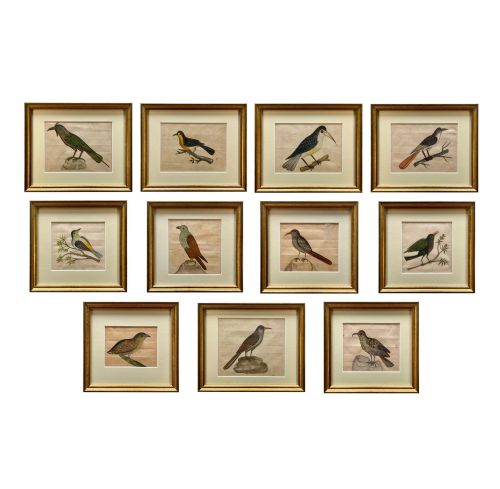
Vintage bird study prints capture feathered subjects with precision, offering authentic natural history observation for display in any room.
Vintage Bird Study Prints
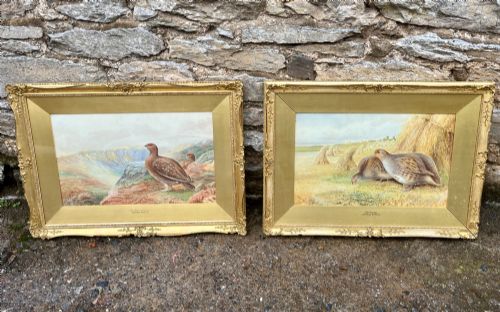
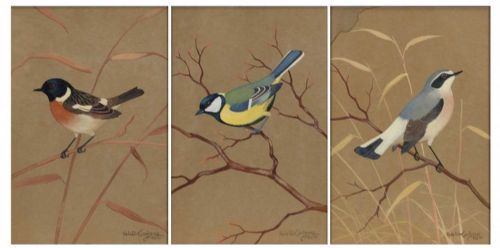
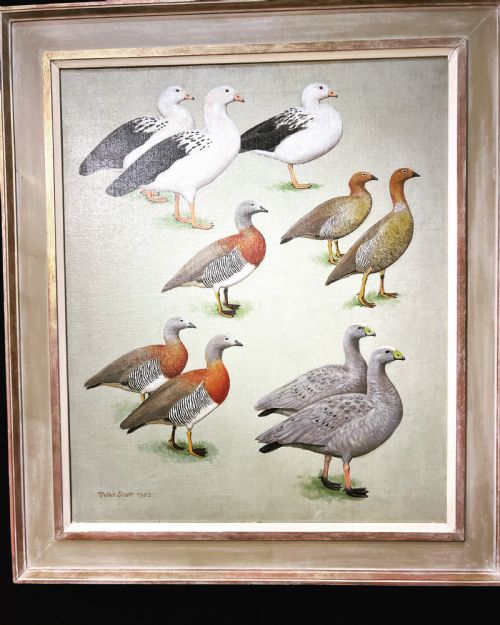
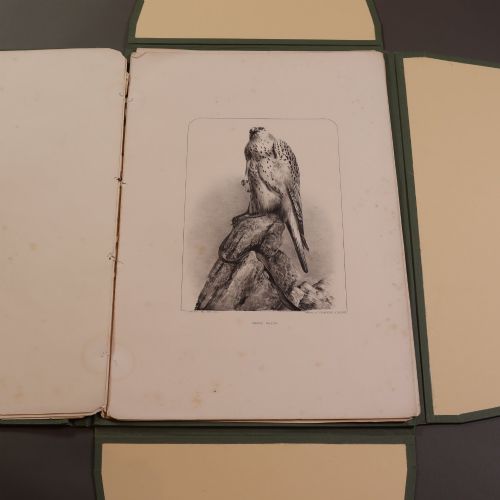
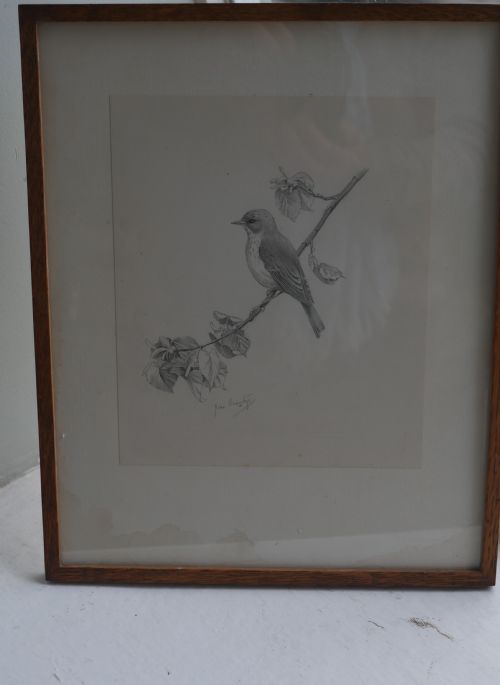
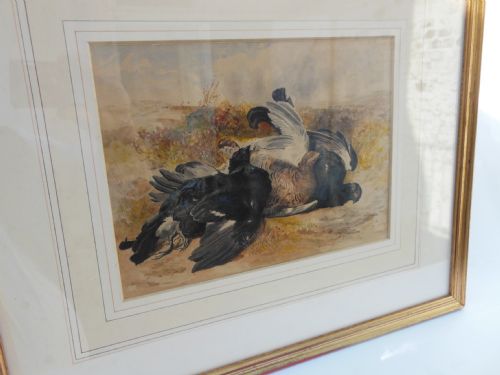
Vintage bird study prints encompass framed engravings, watercolours, and pencil drawings dating from the nineteenth century through the mid-twentieth century. These works range from detailed scientific plates to atmospheric watercolours of garden and game birds.
Buyers browsing this selection frequently encounter Edwardian and mid-century examples alongside earlier nineteenth-century engravings. The assortment balances disciplined natural history illustration with expressive British naturalism.
Subjects span exotic parrots and reptiles to native lapwings and garden birds, presented in traditional wood or ebonised frames with mounts.
Materials and methods
Artists and illustrators employed watercolour paint, graphite, and ink on paper and canvas supports to render accurate ornithological details. Hand-colouring frequently augmented engraved plates to achieve lifelike plumage tones.
Framing materials typically involve wood and glass, often incorporating ebonised finishes and deep giltwood mounts to protect the delicate paper works beneath.
Vintage Bird Study Prints Retail Price Guide 2026
Typical asking prices for vintage bird study prints among the pieces listed under this phrase on Sellingantiques today, from the lower quarter to the upper quarter. They describe what is for sale here now, not the wider market.
Listings span periods from the early nineteenth century through the 1960s, incorporating paper, canvas, wood, glass, and watercolour paint.
Evaluating quality and execution
The distinction between standard decorative plates and superior works lies in the precision of the draughtsmanship and the vitality of the watercolour or engraving technique. Named artists with documented ornithological expertise command greater attention for their anatomical accuracy.
Condition of the paper, preservation of original pigments, and the quality of the accompanying period framing contribute significantly to the overall standing of each piece.
William Bird MD FLS·Sir Peter Markham Scott·George Rankin·Ralston Gudgeon·John Hancock·M Simpson·William Swainson·Paul-Louis Barruel
The Vintage Bird Study Prints Glossary
- Engraving
- A printmaking method where an image is incised onto a metal plate, allowing for fine, precise lines in natural history illustrations.
- Ornithological study
- A detailed artistic or scientific representation focused specifically on the observation and depiction of birds.
- Ebonised frame
- Wood treated to resemble heavy, black ebony, frequently utilised in framing period watercolours and prints.
- Giltwood mount
- A decorative framing border covered with gold leaf, adding depth and contrast to the enclosed artwork.
Vintage Bird Study Prints: Frequently Asked Questions
How do I identify a true nineteenth-century print?
Examine the paper quality, ink application, and printing plate impressions under magnification. Period works utilise laid or wove paper consistent with historical manufacturing methods rather than modern digital reproduction.
Check for publisher markings, watermark details, and framing characteristics that correspond to the era. Original hand-colouring often shows subtle tonal variations absent in mass-produced facsimiles.
Where should I hang these artworks?
These detailed studies suit studies, libraries, and hallways where their observational qualities can be appreciated up close. Grouping pairs or sets creates a balanced display along a wall.
Keep framed works away from direct sunlight and high humidity to protect the paper supports and watercolour pigments from fading.
What is the difference between an engraving and a watercolour?
Engravings are printed multiple times from a single etched metal plate, allowing for uniform lines and mechanical precision in scientific illustration. Watercolours are unique painted originals executed by hand on paper or canvas.
Original paintings display brush texture and pigment layering, whereas engravings rely on inked lines and applied colour washes.
How do I care for framed paper studies?
Protect the works by maintaining stable indoor temperatures and using UV-filtering glass during framing to prevent light damage. Avoid placing them near heat sources that could dry out historic paper.
Dust frames gently with a dry cloth and consult a professional conservator if the paper requires cleaning or remounting.