



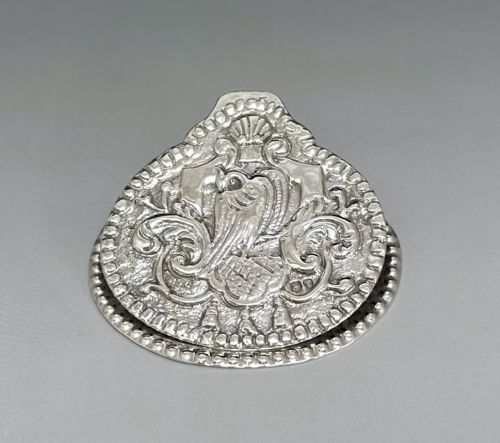

Vintage Bird Charm
These vintage bird charm selections bring together small wearable specimens and cabinet pieces crafted across multiple decades.
Vintage Bird Charm
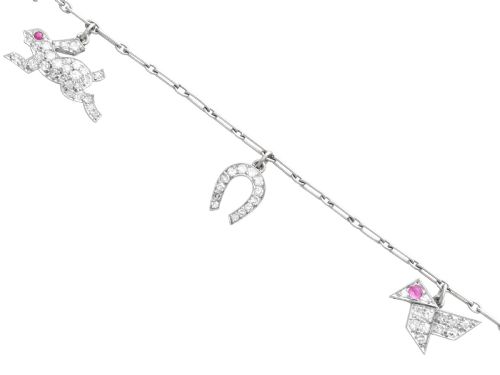
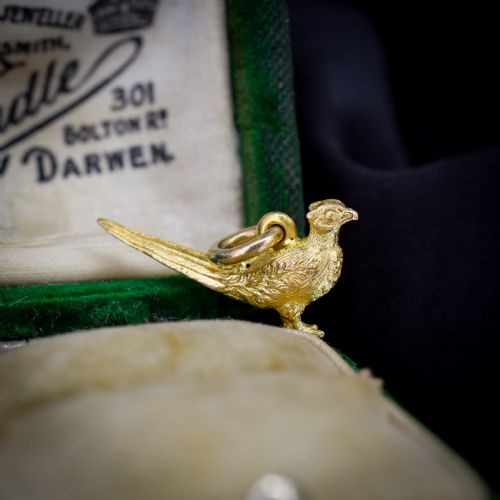
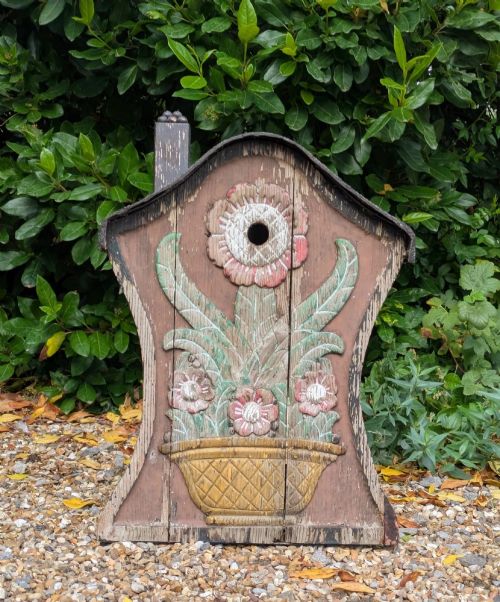
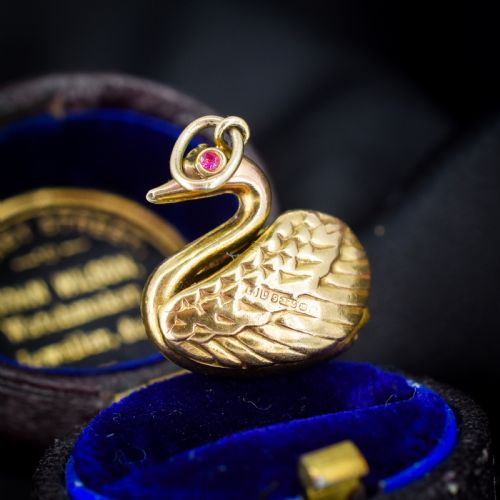
When you search for a vintage bird charm, you enter a field spanning tiny gold pendants, painted wooden decoys and decorative boxes. These objects range from delicate 9ct yellow gold pheasant and swan pendants set with ruby eyes to folk art bird boxes and hand-painted wooden ducks. Pieces originate from various periods including Victorian, Edwardian, Art Deco and mid-century years.
The most common formats on this page combine miniature jewellery items with Scandinavian and folk art wooden objects. You will frequently encounter gold charms designed for bracelets and pendants alongside carved wooden figures and decorative birdhouses. Origins span British, French, Swedish and Chinese traditions, reflecting diverse decorative styles.
How they were made
Items in this category rely on traditional metalworking and woodwork techniques executed in yellow gold, silver, pine and other woods. Goldsmiths cast and engraved 9ct and 18ct yellow gold to form detailed birds, often incorporating enamel work and ruby gemstone eyes. Artisans shaped wooden decoys and bird boxes using hand-carving methods, finishing surfaces with applied paint.
Makers utilised specialised disciplines such as cloisonné enamel on metal bases and intricate engraving on lockets and bracelets. Woodworkers combined joined pine and painted details to create folk art pieces representing ducks and regional fauna. Every item demonstrates period-specific craftsmanship ranging from fine jewellery construction to rustic country carving.
Vintage Bird Charm Retail Price Guide 2026
Typical asking prices for vintage bird charm among the pieces listed under this phrase on Sellingantiques today, from the lower quarter to the upper quarter. They describe what is for sale here now, not the wider market.
Materials represented across the selection include paint, yellow gold, wood, enamel, 9ct gold, pine, 9ct yellow gold and ruby.
What varies in quality
Quality in these pieces depends on the precision of the carving, the crispness of metal engraving and the preservation of applied enamel or paint. Finer examples show careful attention to anatomical detail in the bird forms, whether shaped in gold or carved from wood. The integration of precious stones like rubies or the complexity of cloisonné work elevates certain items above standard production.
Materials dictate another layer of distinction, moving from standard painted pine to solid 9ct and 18ct yellow gold constructions. Superior craftsmanship appears in the balance of proportions and the enduring stability of applied decorative finishes over decades of handling.
The Vintage Bird Charm Glossary
- Pendant
- A small decorative piece designed to hang from a necklace chain or charm bracelet. These items move freely when worn.
- Cloisonné
- An ancient technique where enamel paste is applied within compartments created by soldered wire on a metal base. This method produces vibrant coloured patterns.
- Decoy
- A carved wooden bird traditionally utilised in country pursuits to attract waterfowl. Makers hand painted these functional objects to mimic living birds.
- Folk art
- Utilitarian and decorative items created within a community tradition rather than by academic studios. These pieces display regional stylistic traits.
- Charm
- A miniature trinket suspended from a bracelet or chain. Collectors gather these small ornaments to mark personal interests.
Vintage Bird Charm: Frequently Asked Questions
What is a vintage bird charm?
A vintage bird charm is a small pendant or trinket fashioned in the likeness of a bird, usually intended for wear on a bracelet or chain.
These pieces appear in various metals like yellow gold alongside enamel and gemstone details, reflecting the design standards of their respective periods.
How were wooden bird items used?
Wooden bird items such as decoys served practical roles in hunting alongside decorative functions in domestic interiors.
Carvers shaped pine and other woods to resemble ducks and regional birds, finishing the surfaces with hand-applied paint.
How do I identify Edwardian pieces?
Edwardian items often display characteristic hallmarks and refined metalwork from the early twentieth century.
Jewellery from this era frequently incorporates detailed animal motifs and gold construction typical of the period.
What materials are common here?
Common materials include 9ct and 18ct yellow gold, silver, pine, paint, enamel and rubies.
Makers combined these substances across jewellery, desk accessories and folk art objects.