



Vintage Birch Chest
A vintage birch chest brings pale, figured timber and clean lines into a room, offering both generous storage and striking Scandinavian or Victorian character.
Vintage Birch Chest
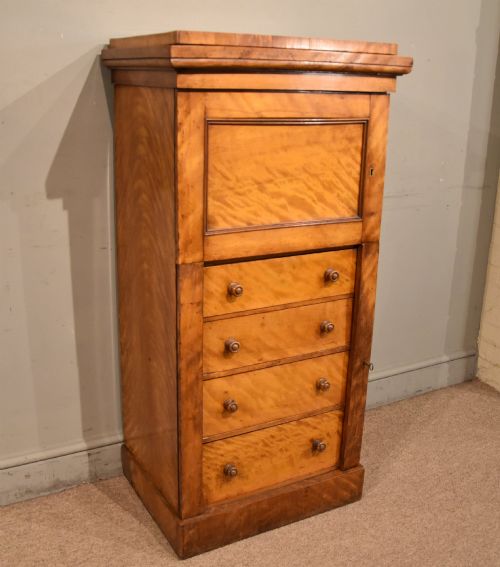
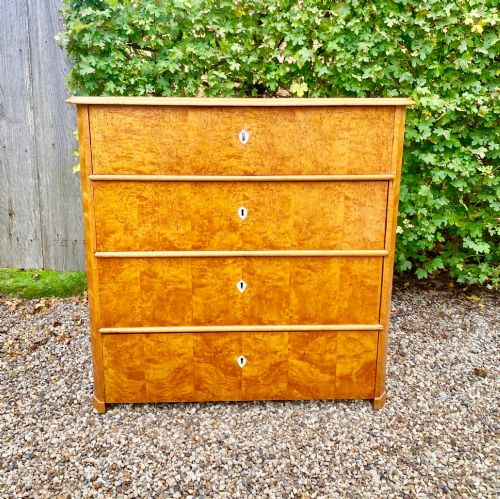
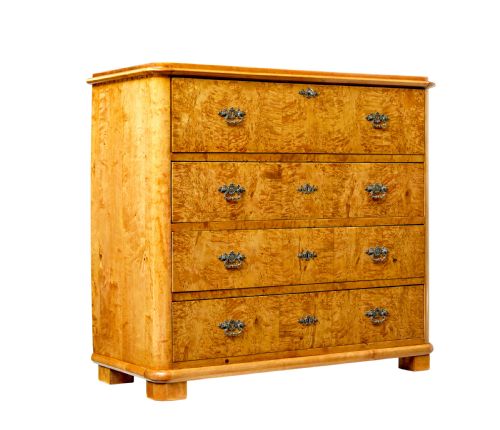
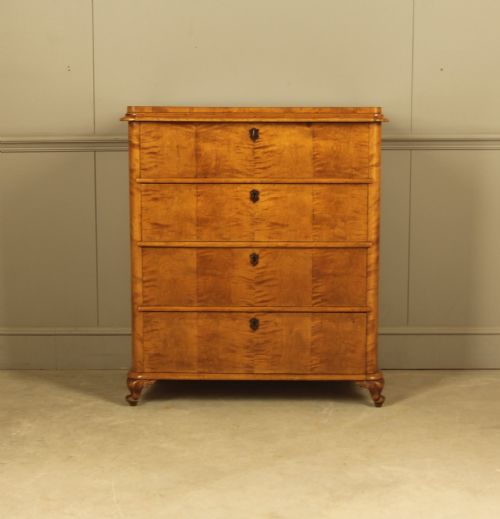
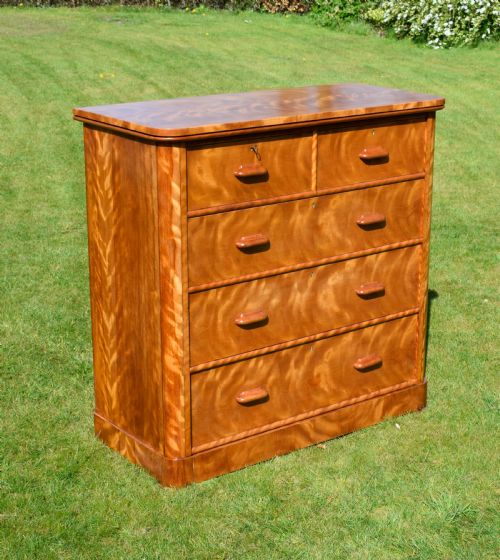
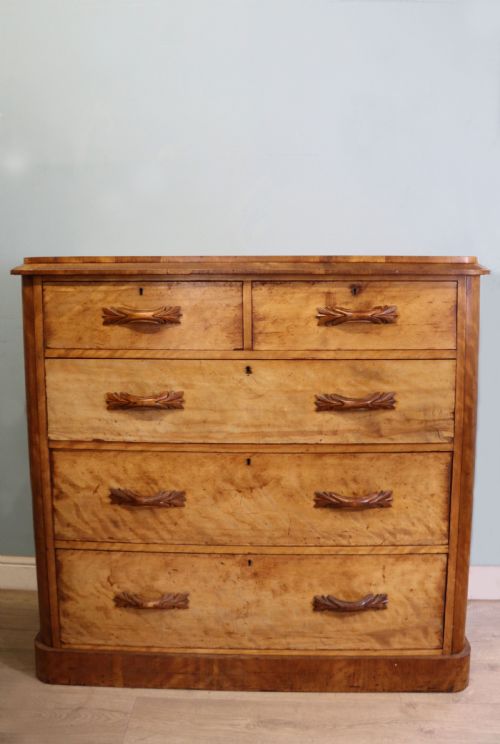
A vintage birch chest takes several distinct forms, ranging from standard chests of drawers and taller Wellington chests to fitted secretaire desks, blanket boxes, and smaller table boxes. Most pieces encountered on this page originate from the nineteenth century, with strong representation from Swedish Biedermeier workshops alongside Victorian British examples.
The aesthetic centres on the natural colour and figure of the timber, whether plain, flame, or burr birch, sometimes enriched with simulated paintwork. Buyers typically seek these items for their luminous grain and architectural proportions, which contrast pleasingly with darker mahogany or walnut furniture.
How they were made
Cabinet makers utilised solid birch and applied veneers such as flame birch or burr birch over supportive pine carcases to highlight the swirling grain patterns. Surfaces are frequently finished with polished clear lacquers that enhance the pale golden tones of the wood.
Internal construction relies on traditional dovetailed drawer boxes, occasionally complemented by bone escutcheons around keyholes and solid brass drop handles or pulls. Structural detailing spans simple country carpentry to sophisticated Biedermeier architectural mouldings.
Materials span solid birch, satin birch, flame birch, burr birch, birch veneer, pine, brass, and bone.
What varies in quality
The choice of timber figure dictates much of the visual hierarchy, with book-matched flame birch and intricate burr birch veneers representing a higher tier of craftsmanship than plain or simulated surfaces. The skill of the veneer matching across drawer fronts determines the visual harmony of the piece.
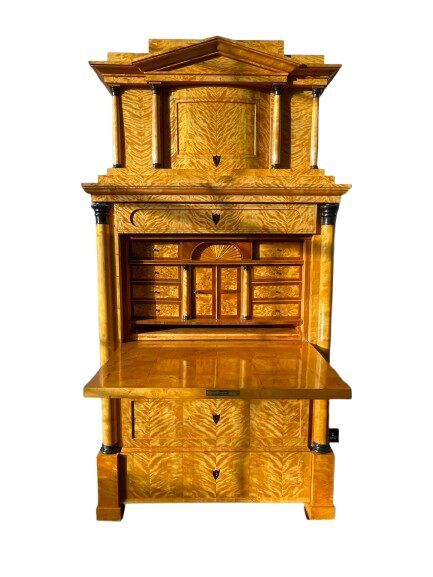
Proportion and execution of form also separate everyday utility items from finer examples, particularly in Swedish Biedermeier secretaire chests where concealed writing compartments integrate seamlessly into the primary carcase.
Gemla Fabrikers
The Vintage Birch Chest Glossary
- Biedermeier
- A Central European style dating from the early to mid-nineteenth century, known for clean geometric lines and an emphasis on polished domestic woods rather than heavy ornamentation. This aesthetic produced many of the finest birch chests found today.
- Flame birch
- A distinctive wood figure featuring a flickering, wave-like grain pattern resembling tongues of fire. Cabinet makers prized this veneer for creating symmetrical patterns across large drawer fronts.
- Burr birch
- Timber harvested from tree growths or burls, producing a dense, swirling cluster of small eyes and intricate patterns. It provides a rich, highly decorative surface on table boxes and drawer faces.
- Wellington chest
- A tall, narrow chest of drawers secured by a single locking side-flap hinged to the right stile. This Victorian form maximises vertical storage while maintaining a compact footprint.
- Secretaire chest
- A hybrid form featuring a pull-out or drop-front top drawer fitted with small interior pigeonholes and writing surfaces. It conceals a desk workspace behind a conventional drawer facade.
Vintage Birch Chest: Frequently Asked Questions
How do I clean a birch chest?
Dust regularly with a soft, dry cloth to prevent dirt accumulation on the polished surface. Avoid silicone polishes, which can build up and dull the grain.
Apply a microcrystalline wax sparingly once or twice a year to nourish the timber and protect the original finish from moisture.
Are these chests heavy to move?
Solid nineteenth-century pieces constructed from pine carcases with birch veneers possess considerable weight due to dense timber and traditional joinery methods. Larger Biedermeier and Victorian models require two people for safe lifting.
Removing the individual drawers before transport reduces the overall weight and protects the frame during relocation.
How do I identify Biedermeier style?
Biedermeier furniture relies on restrained, unadorned surfaces that showcase the natural grain of woods like birch. Look for architectural proportions, minimal carving, and smooth, curved drawer fronts.
Hardware is typically understated, allowing the polished veneers to remain the primary decorative element.
Where should I place it?
Position the chest away from direct sunlight and heat sources to prevent the birch veneer from drying, fading, or splitting over time. Stable indoor humidity preserves the structural integrity of the pine carcase and glued joints.
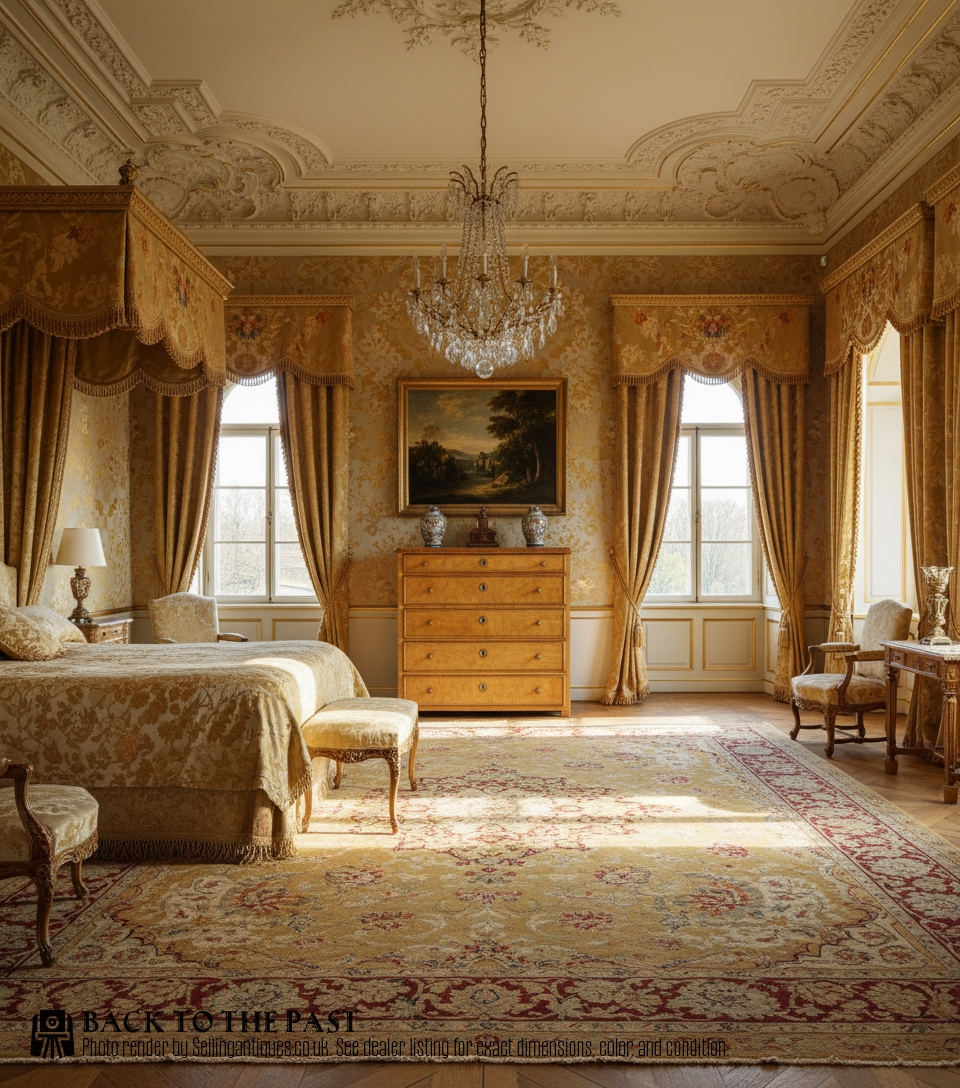
Pale birch tones reflect light effectively, making these pieces suitable for brightening darker bedrooms or hallways.